


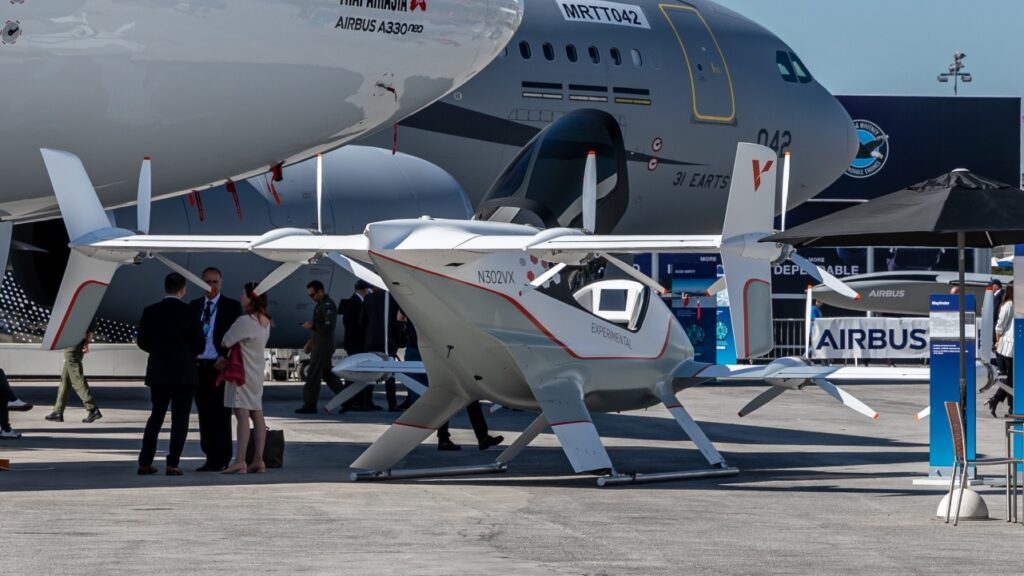
At Tesla’s Battery Day, Elon Musk stunned the world by saying: “There are batteries in limited production right now that do exceed 400 watt-hours per kilogram, which I think is about the number you need for decent range, medium-range aircraft.”
Back then, many rolled their eyes, calling it just classic Elon hype. But five years later, those words are proving to be not an exaggeration, but a roadmap for the future of electric aviation.
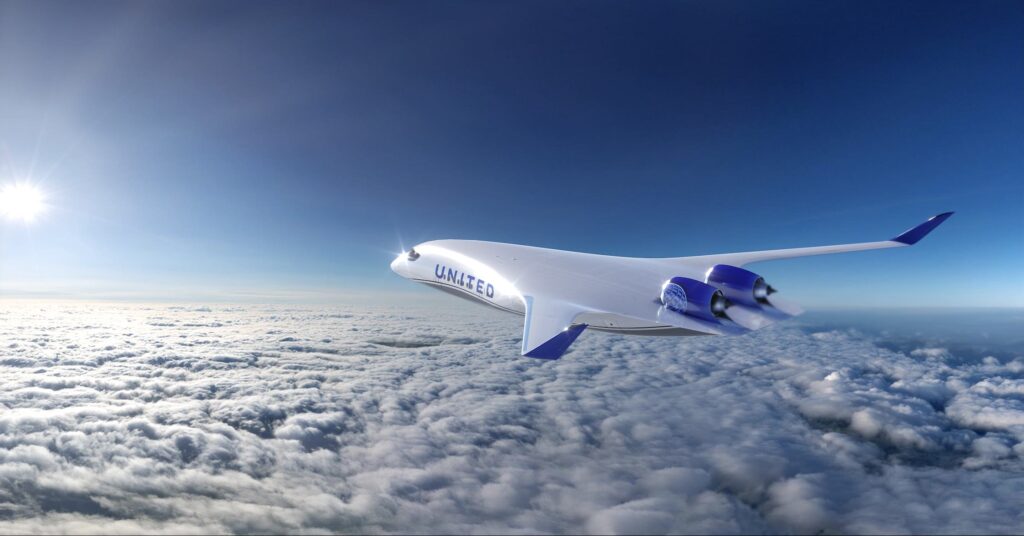
Today, we break down what makes the Tesla Super Electric Plane so plausible and how it delivers a 400-mile range and 12-minute turnaround times. This analysis dives deep into Tesla’s innovative use of low drag composite airframe, distributed electric propulsion, belly cassette batteries, and more.

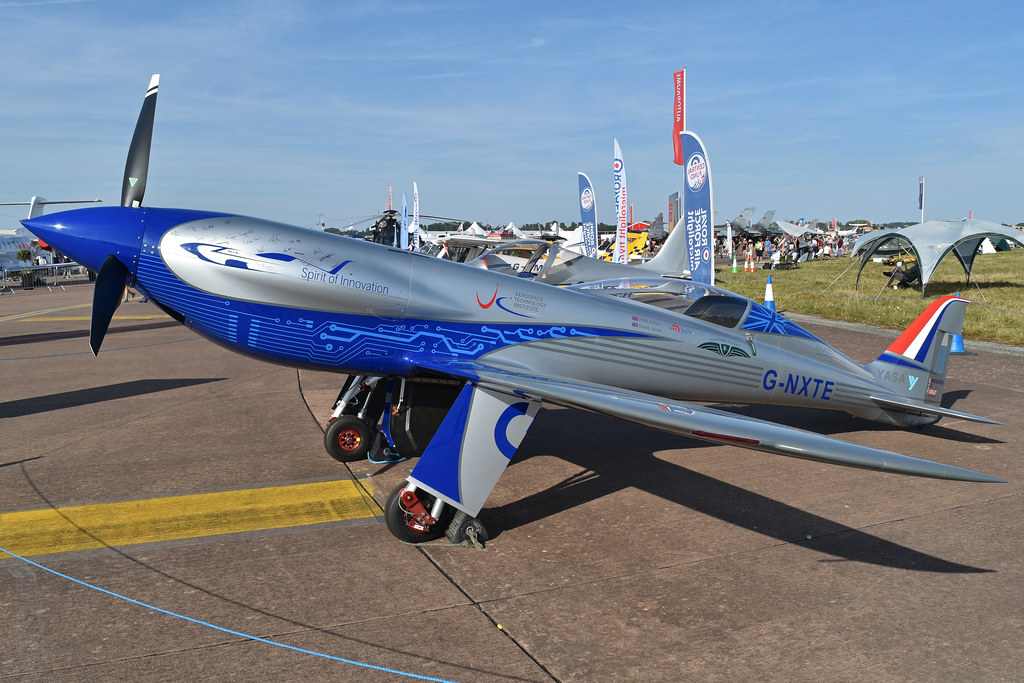
How Does the Tesla Super Electric Plane’s Exterior Help Achieve a 400-Mile Range?
The secret to the Tesla Super Electric Plane‘s impressive range starts with its aerodynamics and advanced exterior design.
One-Piece Composite Skin with Nano Coating
- The plane features a one-piece composite skin with nano coating. This drastically reduces the number of joints and rivets, making the surface flatter and smoother.
- Hydrophobic nano coating repels dust and rain, maintaining low surface roughness.
- In aerodynamics, skin friction drag accounts for 40-50% of parasite drag on small to midsize aircraft.
- A 2-5% reduction in drag is achievable with this design, translating directly into a few extra miles of range without increasing battery size.
Long Slender Wings with Winglets and Sealed Landing Gear
- Tesla’s plane uses long slender wings with winglets that reduce vortex losses at the wing tips, cutting induced drag by up to 30%.
- Sealed landing gear prevents wheels and struts from disrupting airflow, reducing parasite drag by a few percent.
- Together, these features help cut drag significantly, which is critical for electric aircraft where every percent saved means more energy for range.
Smooth Inlets and Flush Maintenance Panels
- The plane’s flush, submerged air inlets with rounded lips reduce airflow separation.
- Maintenance panels, antennas, and bolts are flush-mounted, reducing the “brick effect” of protrusions that add drag.
- Overall, these contribute to a 1-3% drop in parasite drag, further boosting efficiency.
Which exterior upgrade would you prioritize?
- A. Nanocoated one-piece skin
- B. High aspect wings with winglets and sealed gear
- C. Smooth inlets with flush panels
Comment below with your pick!

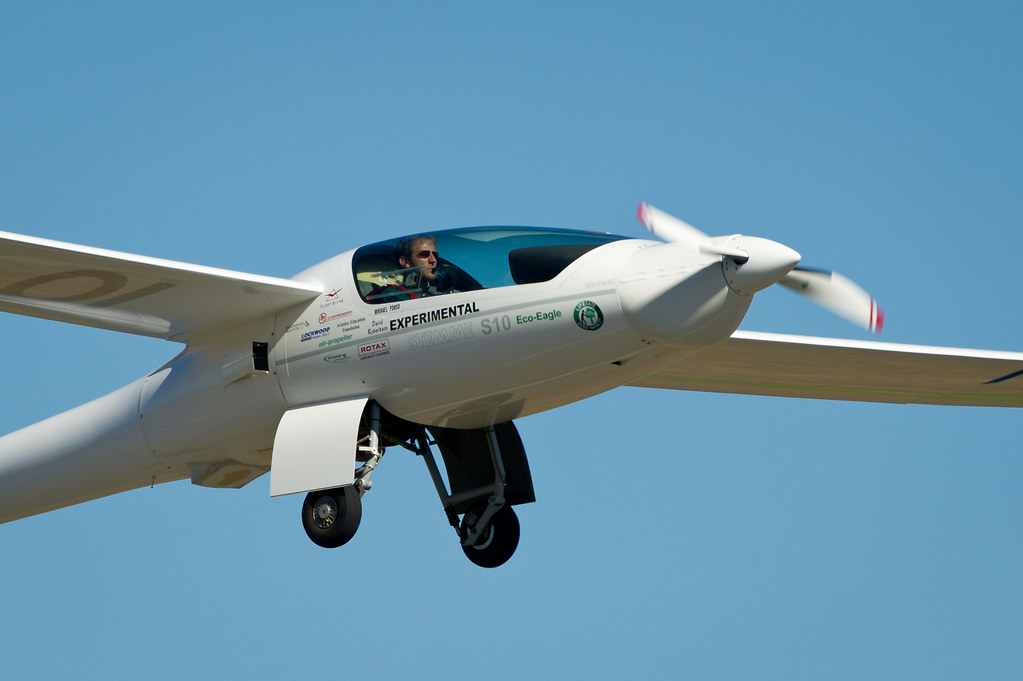
How Distributed Electric Propulsion Reduces Maintenance and Saves Energy
The Tesla Super Electric Plane’s revolutionary distributed electric propulsion system is key to its performance and reliability.
Multiple Small Electric Motors Along the Wing
- Instead of one or two big engines, Tesla uses many small electric motors distributed along the wing.
- These motors blow airflow evenly over the wing surface, improving lift during takeoff and landing, allowing for a smaller wing and less drag in cruise.
- This system reduces asymmetric thrust and drag, improving flight safety and efficiency.
Variable Pitch Propellers Optimize Efficiency
- Each motor has a variable pitch propeller that adjusts to keep the system near its efficiency sweet spot across all flight phases.
- The overall propulsion efficiency ranges from 74-83%, with distributed propulsion gaining 1-3% efficiency improvement compared to traditional setups.
Reduced Mechanical Loss and Maintenance
- Tesla’s design uses direct drive motors, eliminating gearboxes that typically cause 2-5% mechanical loss and require expensive overhauls.
- Regenerative braking during descent allows the propellers to recover 1-3% of total flight energy, powering auxiliaries and reducing battery drain.
- The distributed design enables N+1 redundancy, meaning if one motor fails, the plane can continue flying safely with the others.
Modular Motor Pods for Quick Swaps
- Each motor is packaged in a modular pod that can be hot swapped within under an hour.
- This drastically cuts downtime, helping Tesla achieve a fleet availability of over 99% when spare pods are stocked.
How the Tesla Super Electric Plane Achieves a 12-Minute Turnaround Through Battery and Cooling Design
A lightning-fast turnaround is crucial for efficient airline operations, and Tesla’s battery and cooling design are game-changers.
Cassette-Style Belly Batteries for Fast Swaps
- The plane uses cassette-style battery packs installed under the belly that slide on rails, allowing quick horizontal swaps.
- Each 1 MWh battery pack weighs 3.3 to 4 tons, requiring specialized robotic or lift equipment.
- Quick latches, locating pins, and electrical connectors enable a full battery swap in 6 to 8 minutes—breaking down to positioning, removal, insertion, and locking.
Eliminating Charging Delays
- Swapping batteries means the plane doesn’t have to wait for charging between flights—just swap in a fully charged pack prepped in the hangar.
- Alternatively, Tesla’s high-power nose charging port supports fast top-ups using 1,000 to 1,500 volts at 2-5 megawatts, replenishing 20-40% battery in 8 to 10 minutes.
Advanced Liquid Cooling System
- The battery pack integrates liquid cooling to manage heat during ultra-fast charging.
- Cooling flow rates of 4 to 6 L/s with efficient pumps and short plumbing keep battery temperatures stable and safe.
- High-power connectors include automated safety checks like insulation and loop resistance tests, completing in under a minute.
Would you be more likely to book a flight knowing delays could be minimized with a 12-minute battery swap? Comment “Tesla Plane” if yes!
How the Passenger Cabin Design Reduces Ground Time
Efficient boarding, deboarding, and cleaning reduce total ground time, and Tesla’s interior design focuses heavily on these aspects.
Fast Entry and Exit Design
- The cabin uses two opposite doors with a straight aisle and low floor, allowing simultaneous boarding and deboarding.
- Studies show two-door boarding cuts average boarding time by 8.91% and pairing two jet bridges can save 5 minutes.
- Together, these can reduce boarding times by up to 25.9%, cutting precious ground minutes.
Lightweight and Easy-to-Clean Seats
- The plane uses ultra-lightweight aluminum and composite seat frames, reducing seat weight to around 8 kg per passenger.
- Lighter seats mean more payload capacity, better range, and less brake wear during taxi.
- Upholstery is soil-resistant and smooth, making cabin cleaning faster—typically reducing cleaning time to 6-10 minutes from 15-25 minutes.

Smarter Baggage Storage
- Most carry-on luggage fits under the seats, reducing overhead bin use and speeding up boarding flow.
- Overhead bins are heavy (22-29 kg each), so fewer bins mean less aircraft weight and better efficiency.
Rapid Maintenance Modules
- Quick-release floor panels and wall liners near doors allow fast interior part swaps without pulling the plane from service.
- Saving minutes on cleaning and maintenance compounds to help Tesla hit ambitious short turnaround targets.
Conclusion: The Future of Flight is Electric — and It’s Fast
From its aerodynamic skin to distributed propulsion, rapid battery swapping, and smart cabin design, the Tesla Super Electric Plane is transforming aviation with a clear focus on energy efficiency and operational speed.
This is more than just a promise — it’s a 2026 reality that could redefine air travel with 400-mile electric range and 12-minute turnarounds.
FAQs
1. What is the range of the Tesla Super Electric Plane?
The Tesla Super Electric Plane boasts a 400-mile range thanks to advanced battery technology and aerodynamic design.
2. How fast can the Tesla Super Electric Plane turnaround between flights?
The plane can achieve an impressive 12-minute turnaround due to its cassette-style battery swapping system and fast charging.
3. What kind of batteries does the Tesla Super Electric Plane use?
It uses high-energy-density lithium-ion batteries configured as cassette-style packs mounted under the belly for quick swaps.
4. How does the one-piece composite skin improve the plane’s performance?
The one-piece composite skin with nano coating reduces surface friction and drag by 2-5%, helping extend the flight range.
5. What is distributed electric propulsion and why is it important?
Distributed electric propulsion uses multiple small electric motors along the wing, optimizing thrust, increasing efficiency, and improving safety.
6. How does Tesla’s electric propulsion system reduce maintenance costs?
Tesla eliminates gearboxes by using direct-drive motors, which reduces mechanical loss and wear, lowering maintenance needs and downtime.
7. What is the role of winglets on the Tesla Super Electric Plane?
Winglets reduce induced drag by up to 10%, improving fuel efficiency and increasing the plane’s range.
8. How does the plane manage fast charging without overheating?
The battery packs integrate an advanced liquid cooling system that efficiently removes heat during high-power charging.
9. Can the Tesla Super Electric Plane regenerate energy during flight?
Yes, during descent, the propellers use regenerative braking to recover about 1-3% of flight energy, extending battery life.
10. How does the plane ensure safety if a motor fails?
It features N+1 redundancy with multiple motors, allowing the plane to maintain flight safely if one motor stops working.
11. How quick is the battery swap process?
A battery swap takes about 6 to 8 minutes, including alignment, removal, insertion, and locking of the cassette pack.
12. Does the plane support on-stand fast charging?
Yes, it can rapidly charge 20-40% of its battery in 8 to 10 minutes via a high-power charging port near the nose.
13. How does Tesla’s passenger cabin design reduce ground time?
The cabin features two doors, a straight aisle, lightweight seats, and under-seat baggage storage for faster boarding, cleaning, and turnaround.
14. How much weight do the ultra-light seats save?
Seats weigh around 8 kg per passenger, saving several hundred kilograms across the cabin to improve range and reduce brake wear.
15. What is the importance of sealed landing gear?
Sealed landing gear reduces parasite drag by preventing airflow disruption around wheels and struts, improving efficiency.
16. How does the plane’s nano coating work?
The hydrophobic nano coating repels dust and water, keeping the surface smooth and drag low in all weather conditions.
17. What is the typical efficiency of Tesla’s propulsion system?
The overall propulsion system operates at 74-83% efficiency, higher than traditional gas-powered engines.
18. How does the plane’s design help it take off and land safely?
Distributed propulsion blows air over the wings, increasing lift at low speeds and allowing for slower, safer takeoffs and landings.
19. When will the Tesla Super Electric Plane be available?
Tesla aims to launch this innovative plane by 2026, revolutionizing short- to medium-range air travel.
Read More:
- Elon Musk Revealed Crazy Starship Fleet Inside SpaceX Starfactory Shocked the Whole Industry
- IT HAPPENED! 2026 Tesla Pi Pad: FINALLY Available Now for Just $119
- Tesla lands regulatory green light for Robotaxi testing in new state
- Tesla bear turns bullish for two reasons as stock continues boost
- This signature Tesla feature is facing a ban in one of its biggest markets