
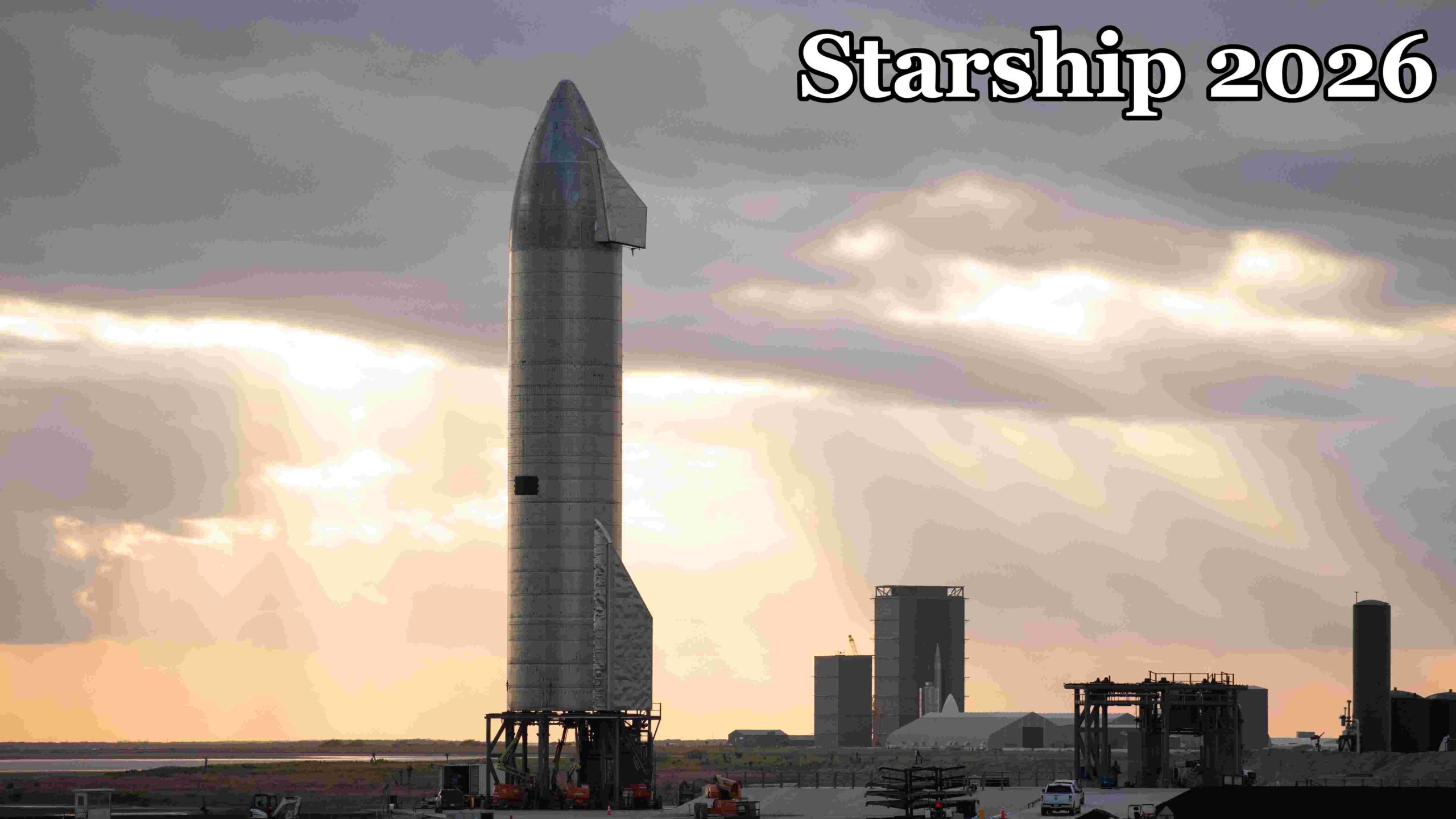
The global space industry is witnessing an unprecedented acceleration in innovation that’s redefining what’s possible in orbital launch systems. At the center of this momentum stands SpaceX, a company that continues to shatter expectations, compress timelines, and set new records across multiple programs simultaneously. From the rapid stacking of Starship Booster B19 to historic Falcon 9 reuse milestones, and even competitive pressure from Rocket Lab’s Neutron program, the pace of progress has never been faster.
This in-depth analysis explores how SpaceX managed to push Starship B19 toward completion in mere weeks, what it means for Flight 12, and how these developments fit into the broader competitive landscape of modern spaceflight.
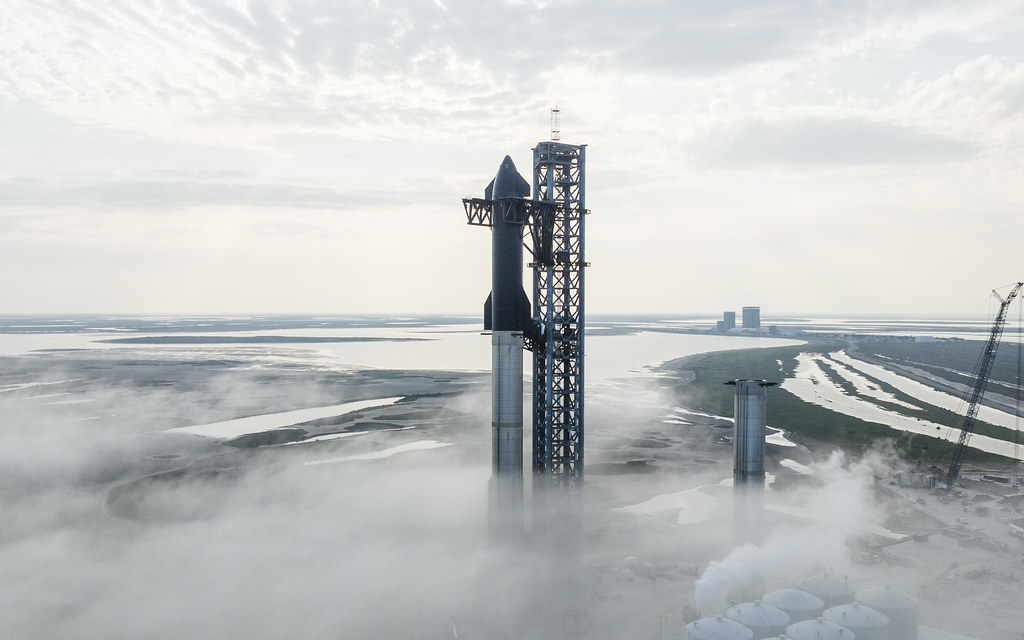
Starship B19: A Booster Built at Record Speed
Non-Stop Progress After the B18 Incident
Following the B18 incident, many industry observers predicted a significant slowdown in SpaceX’s Starship program. Historically, major test anomalies introduce delays, redesigns, and lengthy reviews. However, SpaceX defied expectations once again.
Instead of slowing down, the company accelerated.
Within just five days, SpaceX rolled out four major sections of the B19 booster, signaling a dramatic increase in production efficiency. This pace has not only continued—it has intensified.
Rapid Section Transport and Assembly
Between December 2 and December 6, SpaceX moved several critical booster sections into Mega Bay 1, including:
- A5 to A4 section
- A6 to A4 section, forming the primary body of the liquid oxygen tank
- The newly redesigned fuel transfer tube
With these components in place, only the lower LOX tank sections, engine bay, and forward assemblies remain before full booster completion.
If the current pace holds, B19 stacking could be completed within just 1–2 weeks, a timeline that would have seemed impossible only months ago.
The V3 Fuel Transfer Tube: Bigger, Stronger, Smarter
A Major Redesign for Starship V3
One of the most significant upgrades in the Starship V3 booster architecture is the fuel transfer tube, which has been substantially enlarged compared to previous versions.
This redesign brings several advantages:
- Increased propellant flow to support Raptor 3 engines
- Improved reliability during flip maneuvers
- Potential for simultaneous engine ignition
- Enhanced structural resilience
Unlike earlier boosters, the size of this tube requires it to be installed earlier in the stacking process, fundamentally changing assembly sequencing.
Proven Strength Even Before Flight
Remarkably, the fuel transfer tube already demonstrated its robustness during the B18 anomaly, suffering no catastrophic damage. This real-world stress test reinforced SpaceX’s confidence while highlighting minor refinements needed for future high-performance missions.
Liquid Oxygen Header Tank and Final Assembly Steps
Critical Components Moving Into Place
On December 9, observers spotted the liquid oxygen header tank inside the Star Factory. By December 10, it was transported to Mega Bay 1, where assembly is expected to begin imminently.
Once this tank is attached to the lower transfer tube, SpaceX will integrate:
- The final forward section
- The engine bay
- The remaining lower structural segments
At that point, Booster B19 will be structurally complete.
Why This Speed Matters
This rapid completion timeline directly impacts Flight 12 readiness. If B19 stacking concludes in December:
- Cryogenic testing could occur before year-end
- Engine installation and static fires could begin in early January
- A late January Flight 12 launch window becomes realistic
This is a dramatic recovery from the uncertainty that followed B18.
Pad 2 at Starbase: The Other Half of the Equation
A New Launch Mount for Starship V3
Booster progress alone isn’t enough. Launch infrastructure must evolve in parallel, and SpaceX’s work at Starbase Pad 2 is just as impressive.
Pad 2 is being built as a next-generation launch platform, specifically optimized for Starship V3 operations.
Key installations include:
- The SQD (Quick Disconnect) system
- Structural integration elements
- Extensive plumbing upgrades
Flame Trench Deluge System Testing
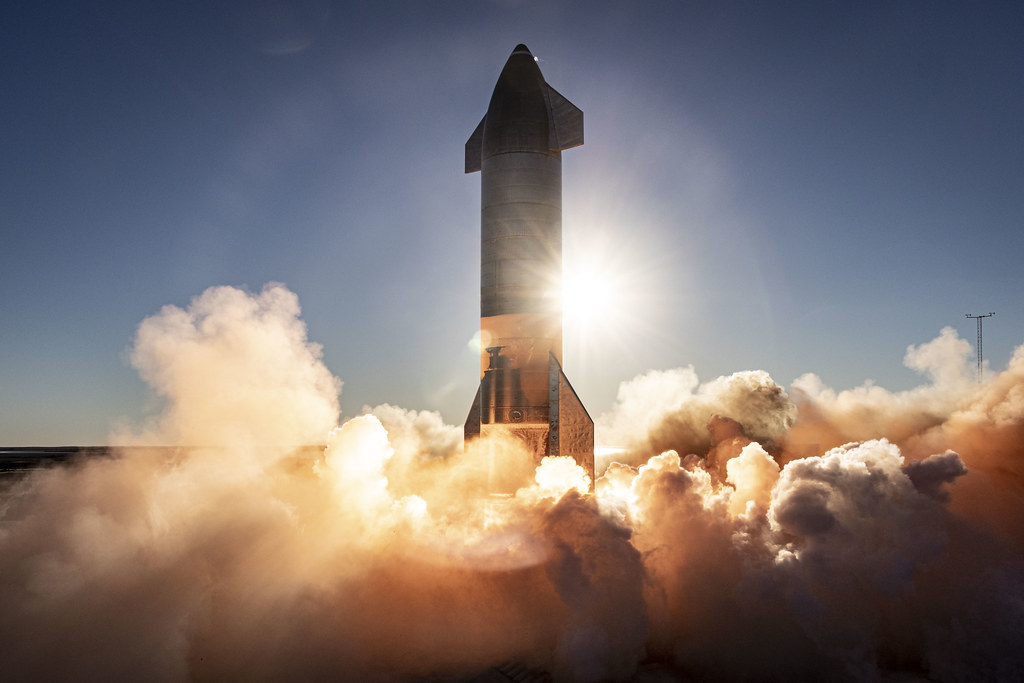
Perhaps the most visually striking development has been the repeated testing of the flame trench deluge system.
In just one week, SpaceX conducted three full-scale deluge tests, demonstrating:
- Massive water flow rates
- High-pressure dispersion
- Readiness for extreme thermal loads
Footage from closer vantage points revealed towering plumes of water, clearly illustrating the system’s ability to protect both the pad and vehicle during high-thrust events.
Booster B19 will be the first operational customer of this system.
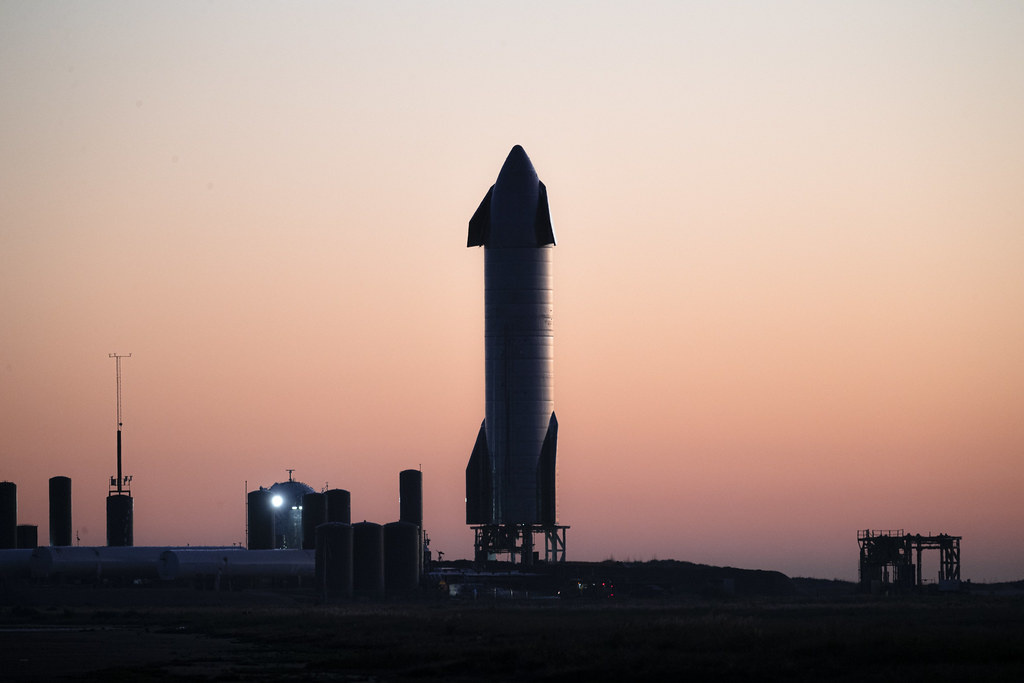
Ship S39: Quietly Advancing Toward Flight 12
Stacking Near Completion
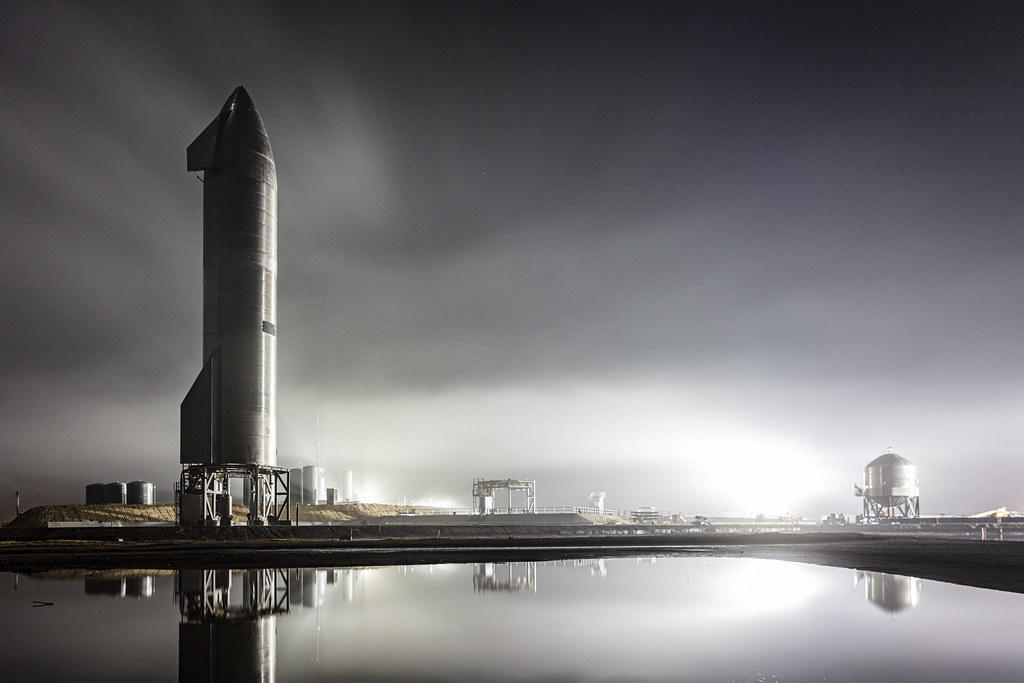
While attention often focuses on boosters, Starship S39 is progressing just as steadily. Recent activity at Mega Bay 2 shows:
- Stacking essentially complete
- Heat shield tiles fully installed
- Structural integration nearing final stages
This makes S39 one of the most complete V3 Starship vehicles to date.
Testing Timeline for S39
If current schedules hold:
- Cryogenic testing could begin next week
- Static fire testing may follow in early January
- Testing proceeds independently of B19, avoiding bottlenecks
The SQD system at the test stand has been installed for weeks and appears fully ready to support these operations.
Together, S39, B19, and Pad 2 form a synchronized path toward Flight 12.
Falcon 9: SpaceX Still Dominates Orbital Launch
Booster 1067 Sets an Unmatched Reuse Record
While Starship grabs headlines, Falcon 9 continues to quietly rewrite history.
On December 8, SpaceX launched a mission carrying 29 satellites using Booster B1067. After ascent, the booster successfully landed on the drone ship Just Read the Instructions.
This marked:
- The 32nd flight and landing of B1067
- The highest reuse count of any orbital booster ever
No other rocket—past or present—has come close to achieving this level of reuse.
Closing in on the 40-Flight Goal
SpaceX has stated a long-term goal of 40 flights per Falcon 9 booster. With B1067 already flying eight times this year alone, reaching that target in 2026 appears highly likely.
This level of reuse continues to drive down costs while maintaining industry-leading reliability.
Record-Breaking Launch Cadence
160 Falcon 9 Launches in One Year
On December 10, SpaceX launched another Falcon 9 from California, placing 27 satellites into orbit.
This mission represented:
- The 577th Falcon 9 launch overall
- The 160th Falcon 9 launch of the year
No other rocket family in history has achieved anything close to this cadence.
Chasing 170 Launches Before Year-End
With only 10 launches remaining to reach the 170-launch annual target, SpaceX has a real chance to close the year with yet another historic milestone.
This pace reflects unmatched:
- Operational efficiency
- Manufacturing scalability
- Launch site coordination
Rocket Lab Enters the Spotlight with Neutron
The Hungry Hippo Fairing Takes Center Stage
Competition is heating up, and Rocket Lab’s Neutron rocket is emerging as a serious contender in the medium-lift category.
At the heart of Neutron’s design is the Hungry Hippo, a fixed, reusable fairing system integrated directly into the first stage.
On December 8, Rocket Lab released footage showing the fairing:
- Opening and closing in 1.5 seconds
- Withstanding 275,000 pounds of distributed force
- Passing canard tests at 125% of expected loads
Why Hungry Hippo Is a Game-Changer
Unlike traditional jettisoned fairings, Hungry Hippo:
- Eliminates fairing recovery operations
- Simplifies reuse logistics
- Reduces refurbishment complexity
A person standing inside the fairing during testing highlighted its massive internal volume, confirming strong payload flexibility.
Neutron’s Path Toward First Launch
Integration and Testing Underway
Following qualification, Rocket Lab moved the Hungry Hippo assembly to Launch Complex 3, where it will be integrated with Neutron’s first stage.
Upcoming milestones include:
- Full system testing
- Static hot fire of nine Archimedes engines
- Final vehicle stacking
When complete, Neutron will stand:
- 141 feet (43 meters) tall
- 23 feet (7 meters) in diameter
- Capable of delivering 13,000 kg to low Earth orbit
A New Competitive Era Begins
Rocket Lab executives have emphasized that Neutron represents a new class of rocket, designed for:
- Rapid reuse
- Competitive pricing
- High launch frequency
As Neutron, Starship, and other next-generation systems approach operational status, the launch market is poised for transformational change.
Final Thoughts: Why This Moment Matters
From Starship B19’s lightning-fast stacking, to Falcon 9’s historic reuse, and Rocket Lab’s Hungry Hippo breakthrough, the space industry is accelerating at an astonishing rate.
Flight 12 now appears firmly within reach, and with every passing week, SpaceX continues to demonstrate why it remains the undisputed leader in orbital launch operations.
As competition intensifies and innovation compounds, one thing is certain:
The future of spaceflight is arriving faster than anyone imagined.
FAQs
1. What is Starship Booster B19?
Starship Booster B19 is the next-generation Super Heavy booster being developed by SpaceX for Starship Flight 12. It is part of the upgraded V3 architecture, designed to support higher thrust, improved reliability, and faster turnaround times.
2. Why is B19 being built so quickly?
SpaceX achieved this speed through parallel manufacturing, modular stacking, and refined production workflows. Lessons learned from previous boosters, including B18, allowed SpaceX to eliminate bottlenecks and dramatically accelerate assembly.
3. How long did it take to stack Starship B19?
Major sections of B19 were stacked in just a few weeks, with four large sections rolled out in only five days, making it one of the fastest Super Heavy booster builds to date.
4. What is new in the Starship V3 booster design?
Starship V3 includes a larger fuel transfer tube, structural reinforcements, and compatibility with Raptor 3 engines, enabling higher performance, improved engine ignition sequencing, and better control during flight maneuvers.
5. Why is the fuel transfer tube important?
The fuel transfer tube delivers propellant from the tanks to the engines. The new, larger version supports higher flow rates, improved reliability, and faster engine relight, which is critical for booster flips and landings.
6. Did the B18 incident delay Starship Flight 12?
While many expected delays after the B18 incident, SpaceX instead increased its production tempo, keeping Flight 12 on track for a potential January launch window.
7. What is the purpose of Starbase Pad 2?
Pad 2 is a new launch mount at Starbase designed specifically for Starship V3. It features upgraded structural supports, plumbing, and thermal protection systems to handle more powerful launches.
8. What is the flame trench deluge system?
The deluge system floods the flame trench with massive amounts of water during launches or tests. This reduces heat, vibration, and acoustic energy, protecting both the launch pad and the vehicle.
9. How many deluge tests has SpaceX conducted recently?
SpaceX conducted three full-scale deluge tests in one week, demonstrating the system’s readiness to support high-thrust Starship operations.
10. What is Starship S39?
Starship S39 is the upper-stage spacecraft planned to fly with B19 on Flight 12. It features an advanced heat shield and represents a major step forward for the V3 Starship design.
11. When will Starship S39 begin testing?
S39 is expected to roll out for cryogenic testing soon, followed by static fire testing in early January, assuming all tests proceed successfully.
12. What record did Falcon 9 booster B1067 achieve?
Falcon 9 booster B1067 completed its 32nd successful launch and landing, making it the most reused orbital rocket booster in history.
13. How many Falcon 9 launches has SpaceX completed this year?
SpaceX has completed 160 Falcon 9 launches this year, putting the company within reach of its 170-launch annual goal.
14. What is Rocket Lab’s Hungry Hippo fairing?
The Hungry Hippo is a fixed, reusable fairing system for Rocket Lab’s Neutron rocket. It opens and closes mid-flight instead of being discarded, simplifying reuse and lowering costs.
15. How fast does the Hungry Hippo fairing operate?
The Hungry Hippo fairing can open and close in just 1.5 seconds, which is faster than the time required for stage separation and vehicle reorientation.
16. Why is Neutron important for the launch market?
Neutron introduces a new level of competition in the medium-lift launch sector, combining reusability, rapid operations, and cost efficiency—challenging established players and accelerating innovation across the industry.
Read More:
- Tesla shocks with latest Robotaxi testing move
- Tesla’s northernmost Supercharger in North America opens
- Where to Buy Tesla Wheelchair in 2026: Your Ultimate Guide
- Elon Musk SHOCKED Tesla Bot Gen 3 Final UPDATE & 5 NEW Capabilities Before Launch 2026
- Tesla Cybercab ROBOTAXI Massive UPDATE Finally Revealed! Elon Musk SHOCKED Waymo
1 thought on “SpaceX Breaks Record with Starship B19 Stacking Completed in Weeks! How is this possible so fast?”