

The countdown to a new year has ended, but for SpaceX fans, engineers, and the global spaceflight community, another countdown is dominating attention — the race toward Starship Flight 12. As January unfolds, anticipation continues to rise, mixed with questions, scrutiny, and renewed optimism. With Pad 2 nearing completion, critical hardware already built, and testing milestones lining up, the possibility of a launch sooner than expected is very real.
In this in-depth, we explore the latest developments at Starbase, the implications for Starship Flight 12, NASA’s budget turnaround, and a breathtaking new image from Mars — all pointing to a pivotal moment in space exploration.
Starship Flight 12: Momentum Builds Despite Early January Uncertainty
The early days of January brought mixed signals for Starship Flight 12. Expectations were sky-high as the new year began, but visible progress appeared slower than many anticipated. Both Booster 19 (B19) and Ship 39 (S39) are fully built, yet neither has moved into the next phases of testing.
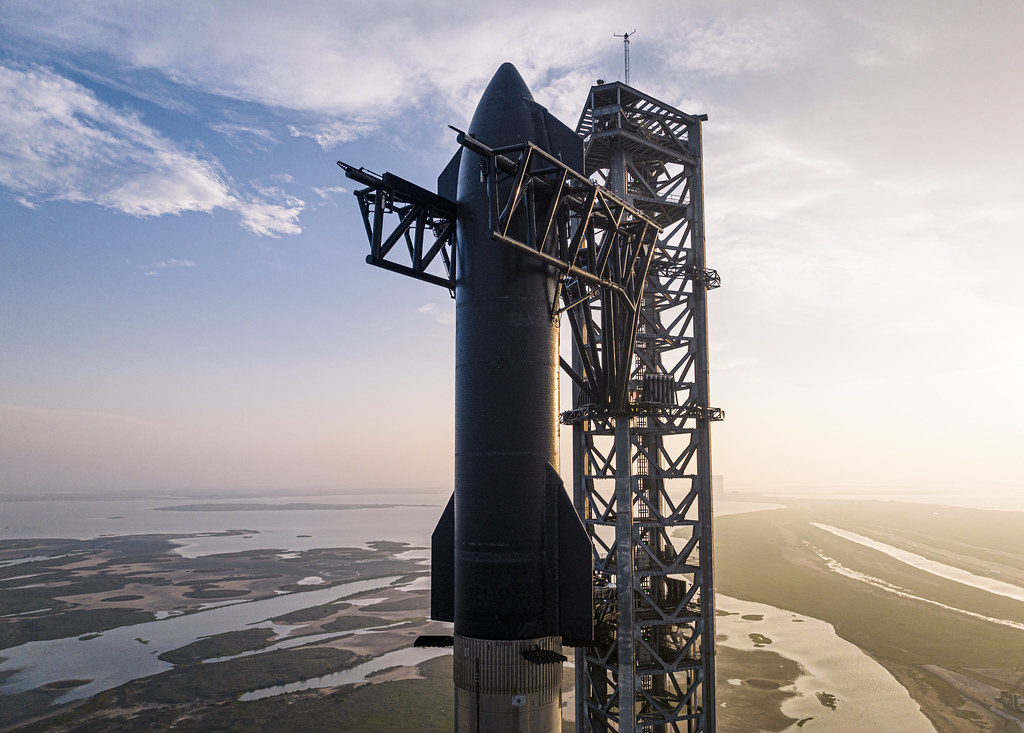
Under normal circumstances, completion of production would signal imminent rollout, cryogenic testing, and stacking. Instead, Starbase entered what many observers described as an unusual transitional phase — active, but quiet.
Multiple road and runway closures were announced, but intriguingly, most were tied to test tanks rather than flight hardware. This created the impression of a pause, fueling speculation that the launch schedule could slip.
However, history has taught us that SpaceX lulls are often deceptive.
Pad 2 Nears Completion: A Major Breakthrough for Starship Operations
SQD System Installation Marks a Critical Milestone
One of the most important recent developments is the near-completion of the Ship Quick Disconnect (SQD) system at Pad 2.
In the early hours of January 6, SpaceX rolled the SQD arm extension toward the pad. Observers quickly recognized the hardware as a prefabricated unit from the Sanchez site, indicating it was ready for final installation.
By late morning, a massive crane lifted the SQD arm extension into place, aligning it with the previously installed section. Multiple camera angles confirmed the precision of the operation and the significance of the moment.
Why the SQD System Matters
The earlier SQD installation provided structural support, but the newly installed section is the heart of the system:
- Propellant transfer lines
- High-density piping and valves
- Direct interface panels connecting to Starship
This section enables fueling operations, making it one of the final missing components required for Pad 2 to become fully operational.
Many analysts believe this installation completes the last major ground system requirement for Pad 2.
If true, the pad is either ready for service or entering its final integrated testing phase, a powerful signal that launch operations are approaching fast.
Massie Test Site: Validating Starship’s Most Stressful Conditions
Hot Staging Stress Tests Show Promising Results
Before stacking and launch, both stages must pass through the Massie test site. Recently, SpaceX rolled the ship aft-to-ring section to Massie and mounted it atop test tank B18.3.
This configuration strongly suggested hot staging stress testing — one of the most demanding structural challenges in Starship development.
Hot staging involves igniting the upper-stage engines while the booster is still attached, subjecting the vehicle to extreme loads. Validating this capability is essential for future missions.
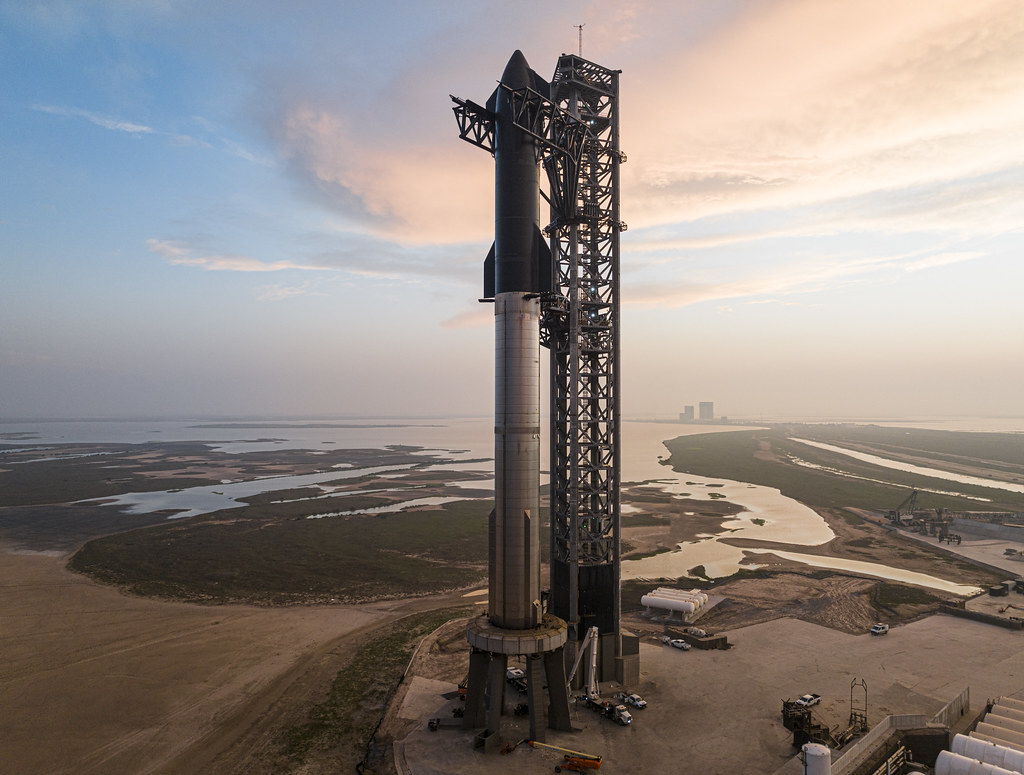
Signs of a Successful Test
On January 6, the crane returned and lifted the ship aft section off test tank B18.3. No visible damage, extended troubleshooting, or rework was observed.
While SpaceX has released no official data, the absence of issues strongly suggests:
- Structural integrity was confirmed
- Hot staging loads were successfully simulated
- Another major risk was retired
With this phase complete, both the test tank and aft section have likely fulfilled their roles, clearing the way for actual Flight 12 hardware testing.
The Big Question: Which Rolls First — B19 or S39?
Cryogenic Testing Is the Next Major Milestone
The next step is cryogenic testing, where tanks are filled with super-cold propellants to validate structural performance under real conditions.
The debate now centers on test sequencing:
- Option 1: Booster 19 rolls first
- Option 2: Ship 39 rolls first
Both approaches are technically viable, but many experts favor prioritizing the booster.
Why Booster 19 First Makes Sense
Rolling B19 first offers several advantages:
- Enables clean, consecutive static fires
- Reduces schedule risk
- Boosters are faster to repair or rebuild if issues arise
- Lessons from B18 delays highlight the importance of risk management
That said, SpaceX often defies expectations. The ultimate goal remains the same — smooth testing with no major setbacks.
Static Fires and Raptor 3 Engines: Power on Display
Static fire tests are expected at both ends of Starbase, showcasing the power of Raptor 3 engines while validating recent upgrades to:
- Test infrastructure
- Launchpad plumbing
- Ground control systems
Each firing provides critical data and confirms that recent design changes perform as intended.
Can Starship Flight 12 Launch in Late January?
An Aggressive — But Possible — Timeline
If major hardware rollouts occur in the first half of January, cryogenic testing for both stages could realistically conclude by mid-month.
Because booster and ship testing happen at different locations, some testing can proceed in parallel.
Under an optimistic scenario:
- Cryogenic tests finish by week three
- Inspections and data review take a few days
- Late January launch attempt becomes possible
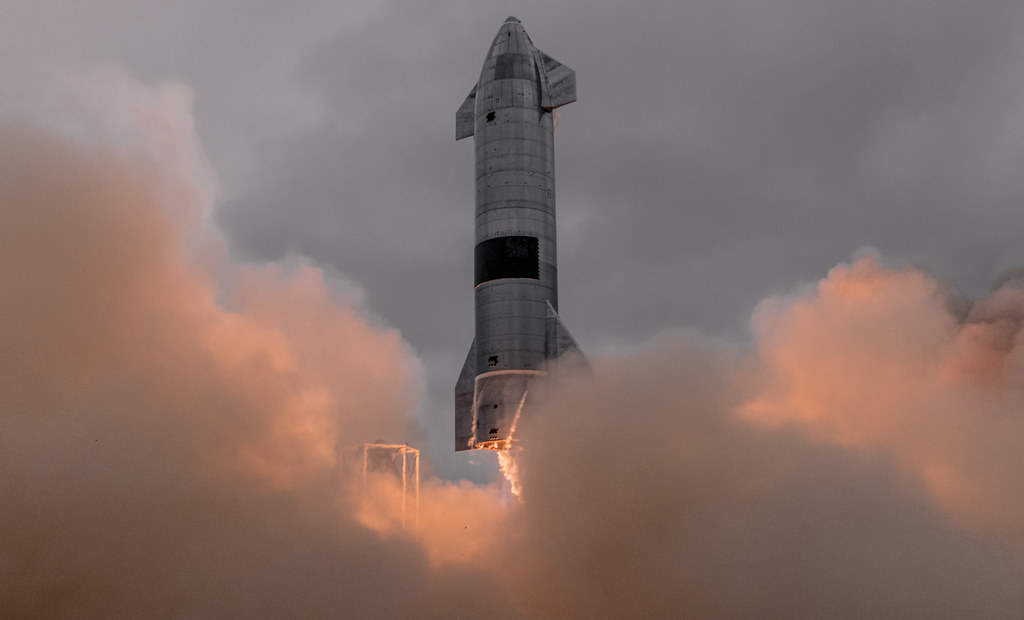
Why Skepticism Remains
A late-January launch would be aggressive, and any unexpected issue could push Flight 12 into February.
Still, SpaceX has a proven track record of compressing timelines once all pieces are in place. The company recently completed Booster 19 in just 28 days, setting a new internal record.
At Starbase, conventional timelines often do not apply.
Beyond Flight 12: Starbase Continues to Evolve
Gigabay Construction Accelerates
At the production site, Gigabay is rising rapidly:
- Lower levels are clearly defined
- Towers are nearing the height of existing megabays
- Additional sections will extend the structure upward
Once complete, Gigabay will be transformed with:
- Heavy assembly equipment
- Work platforms
- Interior offices
- High-volume Starship production capability
This facility represents SpaceX’s long-term vision for rapid, scalable launch operations.
Upgraded COPVs Undergo Testing
Newly redesigned Composite Overwrapped Pressure Vessels (COPVs), identifiable by their red paint scheme, have been moved to Massie for testing.
These COPVs are built to withstand higher pressures, incorporating lessons learned from earlier failures. Rigorous testing will determine their readiness for flight.
Pad 1 Tank Farm Dismantling
At the launch site, Pad 1’s tank farm is being dismantled, with several tanks potentially headed to Florida for reuse at other SpaceX facilities.
Even during launch gaps, Starbase never stops evolving.
NASA Budget Reversal: Congress Pushes Back Strongly
Proposed Cuts Spark Industry-Wide Concern
Throughout 2025, proposed NASA budget cuts raised alarm across the space community. The FY2026 proposal would have:
- Reduced NASA funding to $18.8 billion
- Cut science funding by up to 75%
- Eliminated or delayed major exploration programs
Congress Restores Funding
On January 5, Congress announced opposition to the cuts, proposing $24.4 billion for NASA in FY2026.
Key highlights include:
- $500 million for the Dragonfly mission to Titan (2028 launch)
- $300 million to complete the Nancy Grace Roman Space Telescope
- Continued support for science and exploration
However, Mars Sample Return funding was not restored due to cost overruns and technical challenges.
The plan still requires approval, but the message is clear: science and exploration matter.
Mars Delivers Inspiration: Curiosity’s Stunning New Panorama
While policy debates unfold on Earth, exploration continues on Mars.
NASA’s Curiosity rover recently released a breathtaking panoramic image from Mount Sharp, captured over two Martian days in November 2025.
What the Image Reveals
- Changing light conditions across the landscape
- Curiosity’s tracks climbing Mount Sharp
- A sweeping view of the Boxwork Formation
This region is rich in mineral ridges shaped by ancient groundwater, preserving evidence of Mars’ watery past and changing environments.
The image is a powerful reminder of why exploration matters.
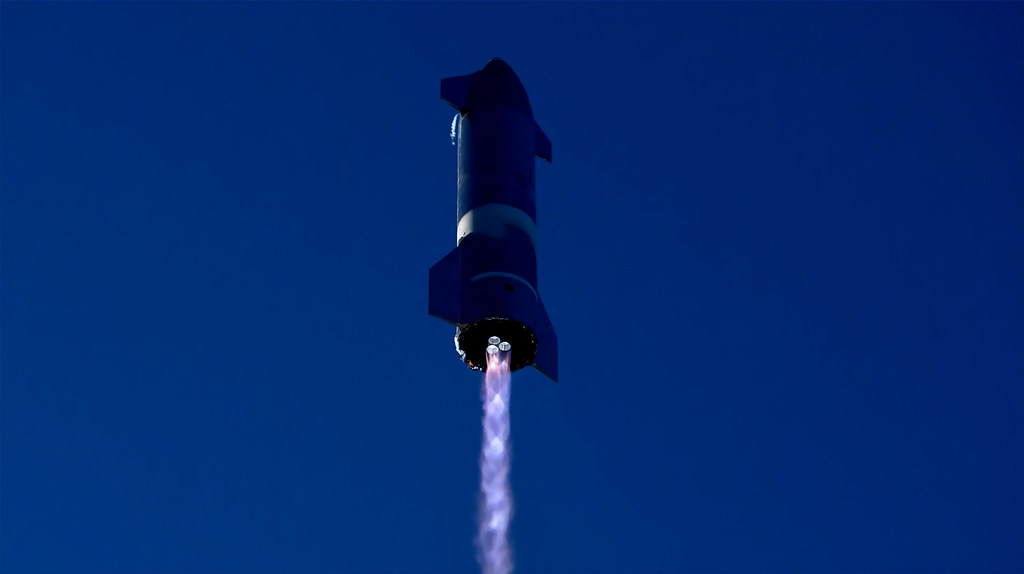
Final Thoughts: Why Starship Flight 12 Matters So Much
Starship Flight 12 is more than a single launch. It represents:
- Continued validation of full-stack reusability
- Progress toward Mars missions
- Confidence in rapid iteration and innovation
- A shared global belief in humanity’s future beyond Earth
Whether Flight 12 launches in late January or slips slightly into February, momentum is undeniable.
As SpaceX pushes forward, NASA regains funding stability, and robotic explorers reveal Mars’ secrets, one truth remains clear:
Curiosity, imagination, and inspiration will always reward those who keep looking up.
Stay tuned — because the next chapter of spaceflight may arrive sooner than we think 🚀
FAQs
1. What is Starship Flight 12?
Starship Flight 12 is the upcoming integrated test flight of SpaceX’s fully reusable Starship launch system, consisting of Booster 19 (B19) and Ship 39 (S39). It is a critical step toward orbital missions and future deep-space exploration.
2. When is Starship Flight 12 expected to launch?
While no official date has been announced, late January is technically possible if testing progresses smoothly. However, any unexpected issue could push the launch into February.
3. Why is Pad 2 so important for Flight 12?
Pad 2 features upgraded ground systems, including the Ship Quick Disconnect (SQD). Its near completion allows SpaceX to fuel, test, and launch Starship more efficiently, reducing turnaround time between missions.
4. What is the SQD system and why does it matter?
The Ship Quick Disconnect (SQD) system transfers cryogenic propellant from ground tanks to Starship. It is essential for fueling operations and is one of the final requirements for Pad 2 to become operational.
5. Are Booster 19 and Ship 39 already built?
Yes. Both B19 and S39 have completed production, making them ready for cryogenic testing, engine installation, and static fire testing.
6. Why haven’t B19 or S39 moved to testing yet?
Starbase is currently in a transitional phase, with SpaceX finalizing ground systems, completing validation tests, and preparing infrastructure to support rapid testing once vehicle movement begins.
7. What is cryogenic testing?
Cryogenic testing involves filling Starship tanks with super-cold liquid propellants to verify structural integrity, leak resistance, and pressure tolerance under flight-like conditions.
8. Which vehicle will likely be tested first, B19 or S39?
Many analysts believe Booster 19 will roll first to reduce schedule risk and allow for a more predictable testing sequence, though SpaceX has not confirmed the order.
9. What is hot staging and why is it important?
Hot staging is when the upper-stage engines ignite before booster separation. It improves performance but creates extreme stresses, making structural validation essential for safe operations.
10. Did SpaceX successfully test hot staging hardware?
While no official statement was released, recent activity at the Massie test site suggests that hot staging stress tests were successful, with no visible damage observed.
11. What are static fire tests?
A static fire test involves firing engines while the vehicle is secured to the ground. These tests validate engine performance, plumbing, and control systems before launch.
12. What engines will be used on Flight 12?
Starship Flight 12 is expected to feature Raptor 3 engines, which offer improved reliability, efficiency, and thrust compared to earlier versions.
13. What is Gigabay and why is it important?
Gigabay is a massive new production facility at Starbase designed for high-volume Starship manufacturing, enabling faster builds and supporting frequent launches.
14. What upgrades are being made to COPVs?
New Composite Overwrapped Pressure Vessels (COPVs) have been redesigned to withstand higher pressures, improving safety and reliability based on lessons from earlier tests.
15. Why is Pad 1 being dismantled?
Pad 1’s tank farm is being cleared to support infrastructure upgrades and resource reuse, with some tanks likely relocated to other SpaceX facilities, including Florida.
16. How does Congress’s NASA budget decision affect SpaceX?
Restored funding supports science missions and exploration programs, indirectly benefiting SpaceX through partnerships, contracts, and a more stable U.S. spaceflight ecosystem.
17. What did Curiosity recently discover on Mars?
NASA’s Curiosity rover released a panoramic image showing the Boxwork Formation, revealing mineral-rich ridges formed by ancient groundwater and offering clues about Mars’ past habitability.
18. Why is Starship Flight 12 so important for the future?
Starship Flight 12 advances full reusability, rapid launch cadence, and deep-space capability, bringing SpaceX closer to missions to the Moon, Mars, and beyond.
Read More:
- Tesla AI Head says future FSD feature has already partially shipped
- Elon Musk’s xAI bets $20B on Mississippi with 2GW AI data center project
- Tesla Model Y Standard Long Range RWD launches in Europe
- Tesla Model 3 becomes Netherlands’ best-selling used EV in 2025
- Elon Musk’s Grokipedia surges to 5.6M articles, almost 79% of English Wikipedia
2 thoughts on “Starship Flight 12 launch Date So Close after Pad-2 almost Completed…Sooner Than We Thought”