
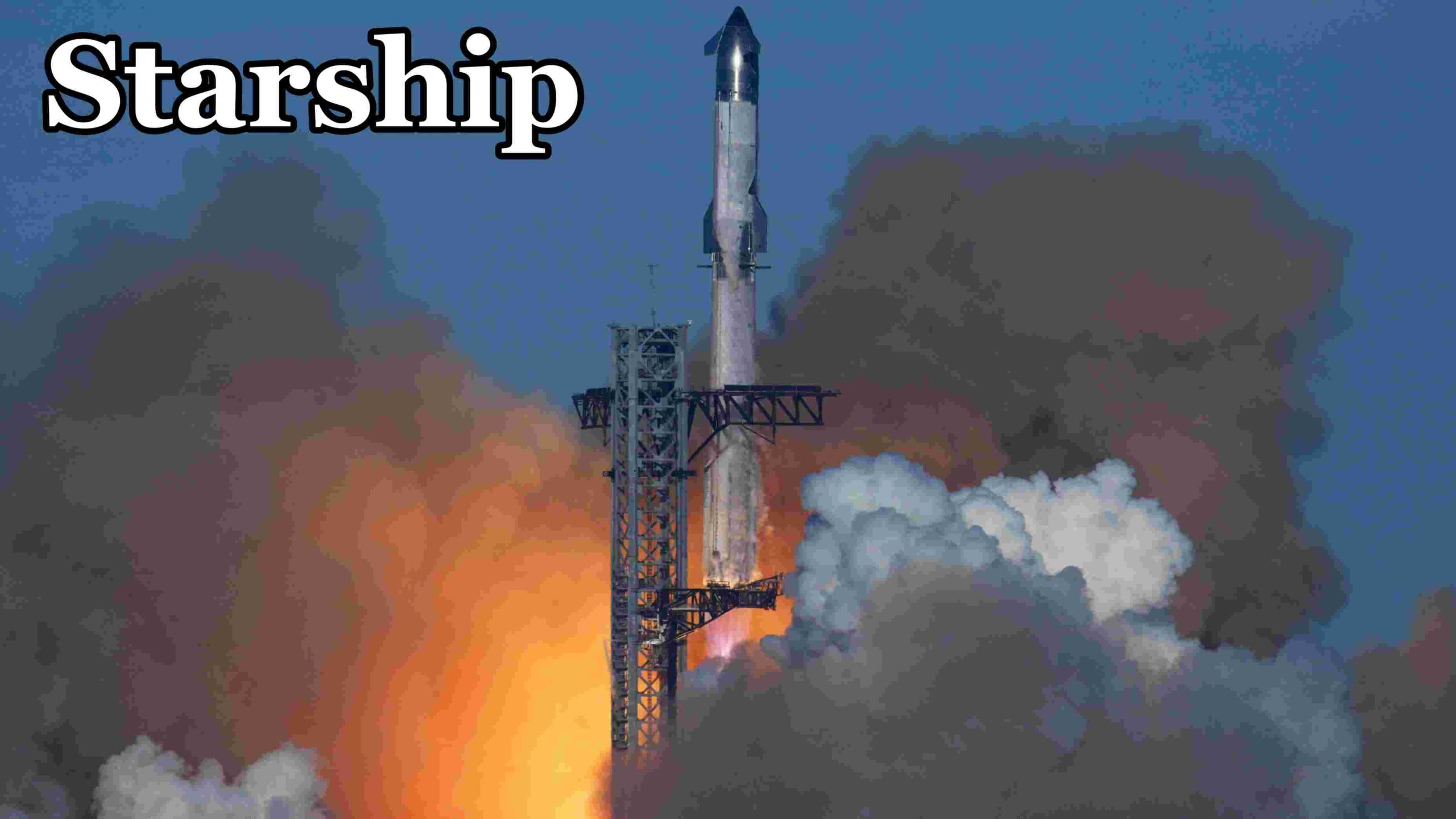
Do you believe that a single successful orbital flight could completely reshape the aerospace industry, the global economy, and even geopolitics? What if that same flight also redefined how humanity expands beyond Earth?
This is not science fiction. This is SpaceX’s Starship, and its first orbital flight may become one of the most important moments in modern human history—on the same level as Sputnik 1.
In this deep dive, we’ll break down why Starship’s first orbital mission matters far more than most people realize, how it could redefine spaceflight economics, shift global power, and bring humanity closer to becoming a multi-planetary species.
From Sputnik to Starship: A Shift in World Power
Launching a payload into orbit has never been easy. Out of roughly 195 countries worldwide, only 13 have ever successfully placed a satellite into orbit.
That exclusive club began in 1957, when the Soviet Union launched Sputnik 1, the first artificial satellite in history.
Why Sputnik Changed Everything
Before Sputnik, the United States believed it was the undisputed technological leader of the world. That confidence vanished overnight.
- Sputnik weighed only 83.6 kilograms
- Yet its launch proved the Soviets had powerful intercontinental rockets
- It triggered the Cold War space race
- It accelerated breakthroughs in computing, materials science, communications, and defense
That single orbital flight reshaped geopolitics for decades.
Today, Starship may be poised to create a similar shockwave, but on a far greater scale.
SpaceX’s Quiet Dominance of Earth Orbit
Fast forward to today, and the legacy of that space race lives on—not through governments, but through a private company.
In 2025 alone, SpaceX conducted:
- 165 Falcon 9 launches
- Over 90% of total global payload mass sent to orbit
- Compared to Russia’s ~1.9% share
No other nation—or company—comes close.
But Falcon 9 is not the endgame. It is merely the stepping stone toward something much bigger.
Starship vs Sputnik: A Difference of Scale
Comparing Sputnik 1 to Starship is like comparing a bicycle to an aircraft carrier.
Sputnik 1
- Weight: 83.6 kg
- Purpose: Simple orbital proof-of-concept
- Impact: Psychological and geopolitical shock
Starship
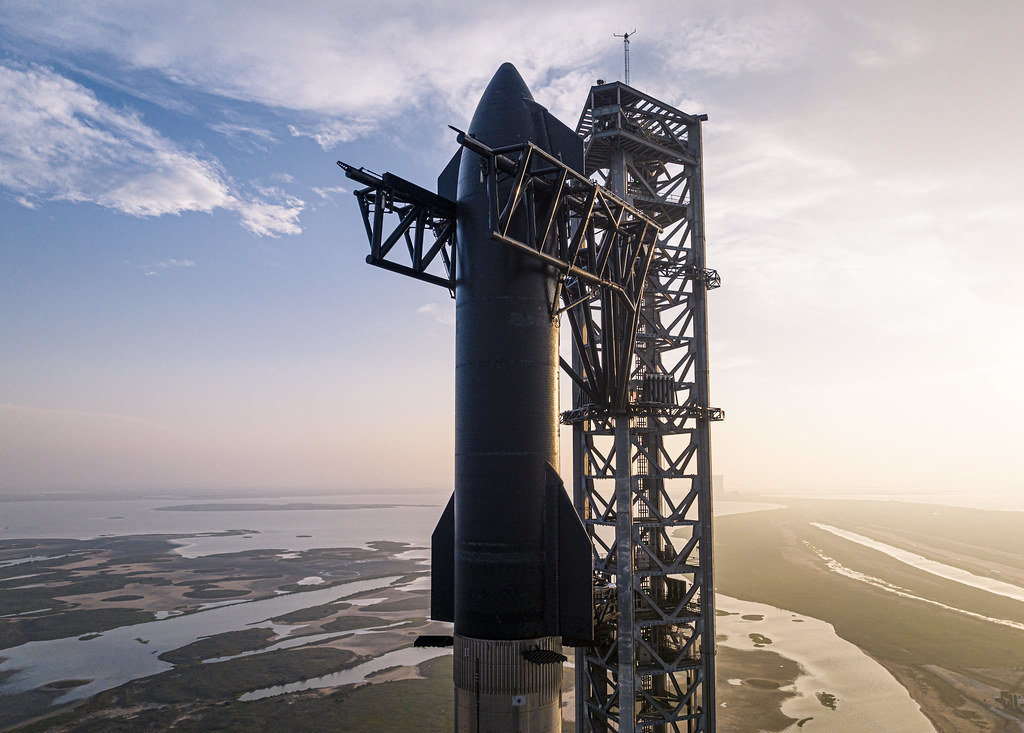
- Height: Over 60 meters
- Diameter: 9 meters
- Fully fueled mass: Over 5,000 tons
- Propellant alone: ~1,500 tons
- Payload capacity: Up to 200 tons (fully reusable)
Starship is not just a rocket—it is a space transportation system, designed to carry:
- Humans
- Mega-scale cargo
- Entire habitats
- Eventually, civilizations beyond Earth
Why Reaching Orbit Is So Difficult
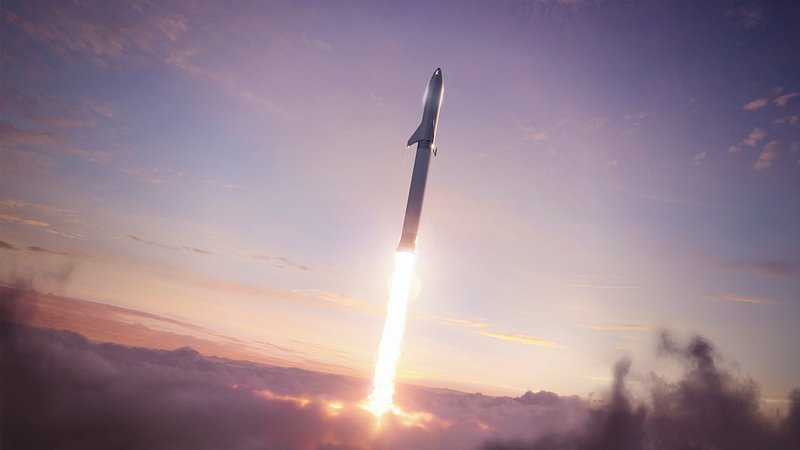
Reaching orbit isn’t about going up—it’s about going sideways incredibly fast.
To achieve low Earth orbit, a spacecraft must reach a delta-v of ~9.3–9.5 km/s.
The Role of Super Heavy
Starship relies on its massive booster, Super Heavy, powered by:
- 33 Raptor 3 engines
- ~9,260 tons of thrust
- Nearly 3x the thrust of Saturn V
This raw power introduces enormous challenges:
- Extreme vibrations
- Fuel line resonance
- Structural stress
- Explosion risks
SpaceX has already suffered multiple test failures, largely due to these forces.
But the hardest part still lies ahead.
The Upper Stage Problem: Reusability at Orbital Velocity
Unlike traditional rockets, Starship’s upper stage must survive orbit, reentry, and landing.
Why This Is So Hard
- Upper stage must generate 5–6 km/s of delta-v on its own
- Must remain fully reusable
- Carries massive extra systems:
- 18,000+ heat shield tiles
- Aerodynamic flaps
- Header tanks
- Structural reinforcement
- Orbital refueling hardware
Despite all this added mass, Starship still maintains a theoretical mass ratio of 10–12, making orbit possible—but barely.
A successful orbital insertion would be a historic engineering triumph.
Eight Years of Relentless Development
Starship didn’t emerge overnight.
Its roots trace back over eight years, starting with crude prototypes:
- Starhopper
- SN1
- Stainless steel tanks held together with optimism and courage
Through rapid iteration, SpaceX transformed these failures into flight-proven designs.
Why No One Else Moves This Fast
- NASA designs requirements but outsources execution
- Traditional aerospace avoids risk
- SpaceX embraces failure-driven development
By the time Starship’s Human Landing System (HLS) regularly flies to the Moon, many may mistakenly believe NASA built it—when the risk and innovation came entirely from SpaceX.
The Payload Giant That Changes Everything
Starship’s real power lies in payload capacity.
Starship Version 3 (Projected)
- Payload to orbit (reusable): ~200 tons
- Payload (expendable): ~400 tons
- Total thrust: ~10,000 tons
- Height increase: 20–30 meters
Elon Musk outlined this configuration years in advance, long before hardware existed.
Starship and the Starlink Revolution
Today:
- Starlink V2 Mini satellites weigh 600–800 kg
- Falcon 9 launches ~24 satellites per mission
With Starship:
- 100+ V2 Mini satellites per launch
- Future Starlink V3 (~2 tons each):
- 50–60 satellites in a single mission
This changes everything.
The Economics That Break the Industry
Current Launch Costs
- Falcon 9: $60–70 million per launch
- Cost per kg: $2,000–$3,000
Starship’s Goal
- Launch cost: Tens of millions—or less
- Cost per kg: ~$100
This is not an incremental improvement.
This is a collapse in launch economics.
When payload capacity increases by orders of magnitude and cost plummets, space-based industries become absurdly powerful:
- Global internet
- Earth observation
- Climate monitoring
- Manufacturing in orbit
- Energy infrastructure
Every launch provider must adapt—or vanish.
Starship vs Nations: A New Geopolitical Reality
SpaceX has already secured over $22 billion in U.S. government contracts.
As Starship matures, concerns grow.
Why Governments Are Nervous
- Potential rapid global transport
- Near-instant intercontinental reach
- Strategic capabilities rivaling—or exceeding—ballistic missiles
From the U.S. perspective, this strengthens:
- National security
- Strategic deterrence
- Technological leadership
For rivals, it’s deeply unsettling.
A New Space Race with China
As Starship moves toward stable orbital operations by 2026, it may:
- Force new international space treaties
- Redefine rules around resource extraction
- Accelerate competition with China
This could ignite a new space race, with SpaceX acting as the tip of the spear for U.S. leadership.
Who Owns Mars? The Political Question No One Can Ignore
Elon Musk’s vision extends far beyond orbit.
His goal:
- A self-sustaining civilization on Mars
- Transporting ~1 million tons of cargo
- Roughly 100x more mass than humanity has ever launched
Starship makes this conceivable.
But it raises uncomfortable questions:
- Who governs another planet?
- Who enforces laws?
- What role does the United Nations play?
Starship isn’t just a spacecraft—it’s a political force.
The Mars Vision: Humanity’s Insurance Policy
Starship’s upper stage has:
- A pressurized volume larger than the ISS
- A structure that dwarfs anything humanity has ever flown
The ISS:
- Took over a decade to assemble
- Cost hundreds of billions of dollars
Starship could deliver similar volume in a single launch.
That alone marks a turning point in human capability.
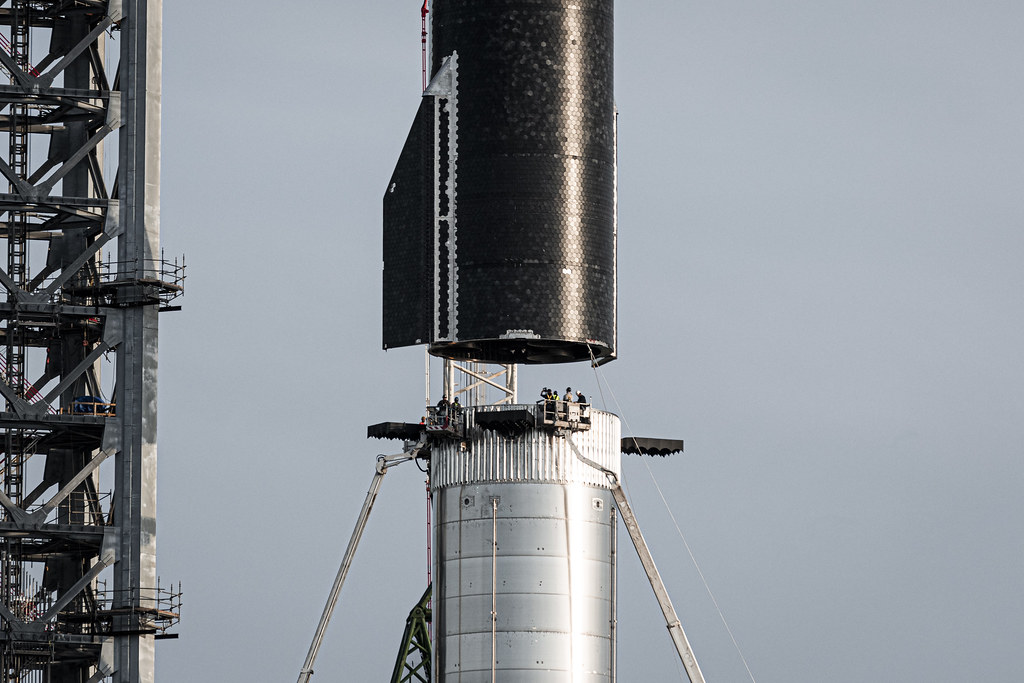
Why Starship’s First Orbital Flight Is a Historical Line in the Sand
Once Starship reaches orbit:
- The economics of space are permanently altered
- Global power dynamics shift
- Humanity gains a realistic path beyond Earth
It forces a fundamental question:
What role will the United States—and humanity—play in space going forward?
There is no exaggeration in saying that Starship should sit at the center of America’s space strategy for the rest of the century.
Final Thoughts: Are You Ready for What Comes Next?
Starship’s first orbital flight is not just another rocket launch.
It is:
- A technological inflection point
- An economic disruptor
- A geopolitical catalyst
- A stepping stone toward becoming a multi-planetary species
So, are you excited for Starship to reach orbit?
Drop a comment and type “Starship to orbit”.
And if you want more deep dives into the future of space, technology, and power—stay tuned. The most exciting era of spaceflight is just beginning. 🚀
FAQs
1. What is Starship’s first orbital flight?
Starship’s first orbital flight is the mission where SpaceX’s fully integrated Starship spacecraft and Super Heavy booster successfully reach orbit around Earth for the first time. It marks a critical milestone toward full reusability and deep-space missions.
2. Why is Starship’s orbital flight so important?
It proves that the largest and most powerful rocket ever built can reach orbit, opening the door to dramatically cheaper launches, massive payloads, and long-term missions to the Moon and Mars.
3. How is Starship different from Falcon 9?
Unlike Falcon 9, Starship is fully reusable, carries up to 200 tons to orbit, and is designed to transport humans and cargo to the Moon, Mars, and beyond, not just satellites.
4. How big is Starship compared to other rockets?
Starship stands over 60 meters tall, is 9 meters wide, and generates more thrust than Saturn V, making it the largest rocket ever built in human history.
5. How much payload can Starship carry to orbit?
Starship is expected to carry:
- ~200 tons in fully reusable mode
- Up to ~400 tons in expendable mode
This is an order of magnitude more than any operational rocket today.
6. Why is reaching orbit so difficult for Starship?
Reaching orbit requires extreme speed (~9.4 km/s delta-v), precise engine performance, structural stability, and survival through intense vibration, heat, and stress, especially for a fully reusable upper stage.
7. What engines power Starship and Super Heavy?
Starship uses Raptor 3 engines, fueled by liquid methane and liquid oxygen. Super Heavy alone uses 33 engines, producing over 9,000 tons of thrust at liftoff.
8. Why does Starship use methane instead of kerosene?
Methane allows:
- Cleaner engine operation
- Easier reuse
- Better performance in space
- Potential fuel production on Mars, supporting Musk’s colonization plans
9. How will Starship reduce launch costs?
With full reusability, SpaceX aims to lower launch costs to tens of millions of dollars or less, potentially reducing the cost per kilogram to orbit to around $100.
10. How does Starship impact Starlink?
Starship can deploy 100+ Starlink satellites per launch, enabling:
- Faster constellation expansion
- Lower costs
- More powerful next-generation satellites like Starlink V3
11. How does Starship affect the global space industry?
Starship forces competitors to completely rethink rocket design and pricing. Companies unable to match its scale and cost efficiency risk becoming uncompetitive.
12. What are the geopolitical implications of Starship?
Starship strengthens U.S. leadership in space, raises concerns about military applications, and could reshape international space law, resource rights, and strategic power balances.
13. Could Starship be used for military purposes?
Some analysts speculate Starship could enable rapid global transport, which raises strategic concerns. However, SpaceX states its primary focus is civilian, commercial, and exploration missions.
14. How does Starship compare to Sputnik 1 historically?
Just as Sputnik 1 triggered the original space race, Starship’s orbital success could spark a new era of competition, innovation, and geopolitical realignment on a much larger scale.
15. Is Starship really designed to go to Mars?
Yes. Mars colonization is Starship’s core design goal. Its size, payload capacity, pressurized volume, and refueling capability are all optimized for long-duration interplanetary travel.
16. When is Starship expected to become fully operational?
SpaceX aims for stable orbital operations around 2026, with lunar missions, orbital refueling, and Mars test flights following as the system matures.
Read More:
- Tesla analyst claims another vehicle, not Model S and X, should be discontinued
- Rumored SpaceX-xAI merger gets apparent confirmation from Elon Musk
- Tesla Giga Texas to feature massive Optimus V4 production line
- Tesla confirms that it finally solved its 4680 battery’s dry cathode process
- Tesla Cybercab spotted with interesting charging solution, stimulating discussion
1 thought on “Why Starship First Orbital Flight Is even more IMPORTANT than You think”