
Humanoid robotics is no longer a distant sci-fi dream — it’s happening right now, and Tesla Optimus Gen 3 is at the center of it. At the World Economic Forum (WEF) Annual Meeting 2026, Elon Musk finally gave the clearest answer yet to the question everyone has been asking:
When will the Tesla humanoid robot go on sale?
What Musk revealed wasn’t just a launch window — it was a full vision of how humanoid robots could reshape factories, homes, caregiving, and even the future of human work itself. Below is a deep, SEO-optimized breakdown of everything Musk said, what it really means, and why the Tesla Bot Gen 3 could become one of the most important technologies of the decade.
Humanoid Robotics Is Advancing Faster Than Expected
Elon Musk opened the discussion by emphasizing how quickly humanoid robotics is evolving. According to him, Tesla already has Optimus robots performing simple tasks inside Tesla factories, and those capabilities are rapidly expanding.
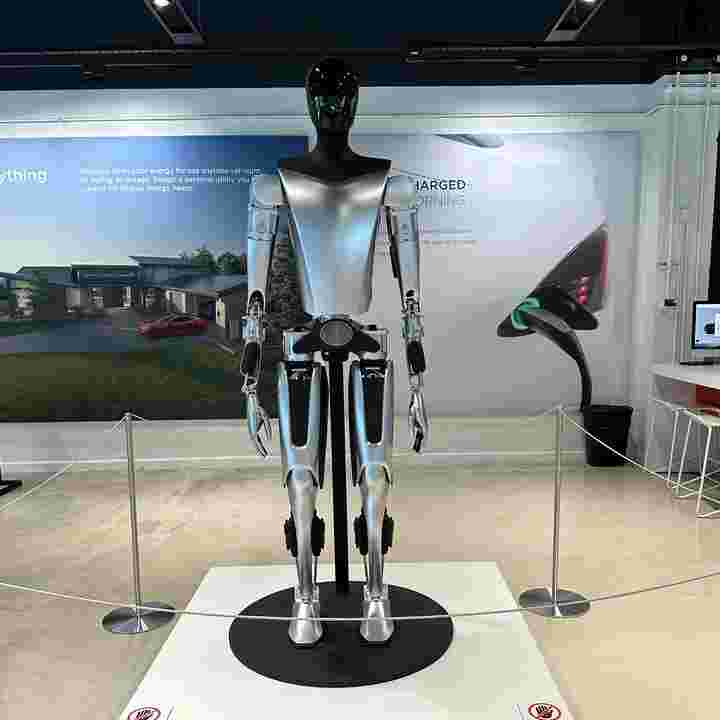
By the end of this year, Musk expects Optimus robots to move beyond basic operations and handle far more complex, real-world tasks. These aren’t lab demos or controlled environments — these are live factory floors, where unpredictability is the norm.
This rapid progress is why Optimus is no longer just a prototype. It’s transitioning into a commercial product, with Gen 3 marking the first serious step toward public availability.
Optimus Gen 3: Tesla’s First Commercial Humanoid Robot
What Is Optimus Gen 3?
Optimus Gen 3 is the first officially commercial version of Tesla’s humanoid robot. Musk confirmed that this generation would debut this quarter, marking a major milestone for Tesla’s robotics ambitions.
However, “commercial” doesn’t automatically mean public sale.
While Optimus Gen 3 is technically ready for real work, Tesla is taking a deliberately cautious approach before placing these robots into homes, hospitals, or public spaces.
When Can You Actually Buy a Tesla Bot?
Elon Musk’s Official Timeline
At WEF 2026, Musk stated:
By the end of next year, I think we’ll be selling humanoid robots to the public.
However, he immediately clarified that this depends on meeting extremely high standards of:
- Safety
- Reliability
- Predictable behavior
- Functional versatility
Despite Gen 3 launching this year, Musk made it clear that wide public availability will not happen until late 2027.
Why the Tesla Bot Launch Is Taking So Long
Robots Are Not Cars
Musk explained that launching a humanoid robot is fundamentally different from launching a car.
Cars:
- Operate in highly regulated environments
- Remain under constant human control
- Follow predictable physical rules
Humanoid robots:
- Move autonomously
- Interact closely with humans
- Must respond safely to unpredictable situations
Because Optimus will eventually work around people, including children and the elderly, Tesla must achieve near-perfect reliability before mass release.
2026: The Year of Real-World Testing
Throughout 2026, Tesla will deploy Optimus Gen 3 exclusively inside its own factories. This phase serves as a massive real-world experiment.
What Tesla Is Testing
Each robot will continuously generate data to improve:
- Movement precision
- Environmental awareness
- Decision-making
- Handling unexpected obstacles
- Human-robot interaction safety
This approach allows Tesla to refine Optimus in real conditions, not idealized lab settings. Musk believes this step is absolutely essential before public deployment.
Manufacturing Complexity Slows the Ramp-Up
Another major factor affecting the launch timeline is manufacturing complexity.
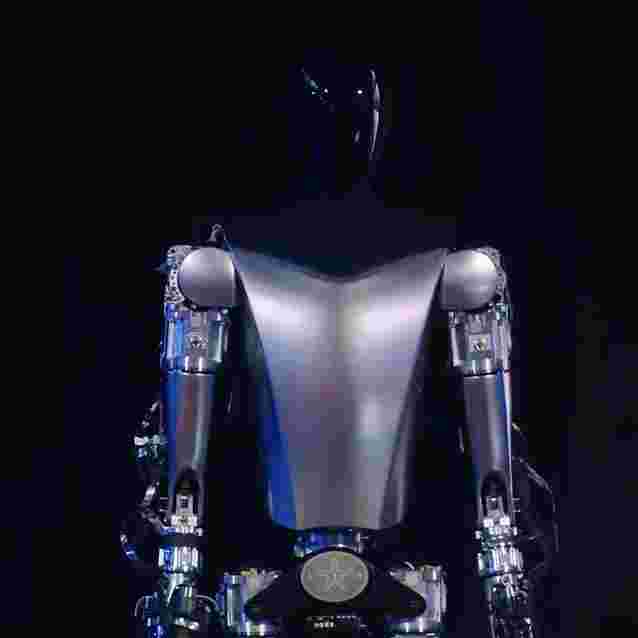
According to Musk, nearly every critical component in Optimus Gen 3 is brand new, including:
- Actuators
- Hands and dexterity systems
- AI5 hardware
- Sensor fusion architecture
Tesla’s past experience shows that products with so many new components often experience a slow initial ramp-up, with quality and stability prioritized over speed.
In other words: Tesla is choosing patience over risk.
Optimus as a Caregiver: A Humanitarian Breakthrough
One of the most powerful moments of the WEF discussion came when Musk talked about caregiving.
Helping the Elderly
Musk described a future where Optimus could:
- Assist with mobility
- Detect falls
- Provide medication reminders
- Monitor health indicators
- Offer companionship
With global populations aging rapidly, elder care has become one of the most urgent challenges of modern society. Costs are rising, caregivers are scarce, and families are stretched thin.
Musk believes a safe, reliable humanoid robot could dramatically improve quality of life for millions of seniors — and reduce emotional and financial strain on families.
Supporting Families and Children
Optimus isn’t meant to replace parents — it’s designed to support them.
Potential home applications include:
- Monitoring children for safety
- Warning parents of dangerous situations
- Assisting during busy schedules
- Providing peace of mind
An always-alert assistant that never gets tired could be invaluable, especially for households with limited help or demanding work lives.
Even Pets Benefit From Humanoid Robots
Musk also highlighted how Optimus could help with pet care, including:
- Feeding pets on schedule
- Taking dogs for walks
- Monitoring health indicators
- Alerting owners to unusual behavior
By automating routine tasks, Optimus could give people more time for meaningful relationships, rather than replacing them.
Safety Comes First: Hardware-Level Control
Musk repeatedly emphasized that home robots must never override human authority.
Key safety principles include:
- Hardware-level safeguards
- No AI self-override of human commands
- Predictable and transparent behavior
- Strict operational boundaries
Only when people fully trust these systems, Musk argues, can robots enter private spaces like homes.
AI Surpassing Human Intelligence: Musk’s Bold Prediction
At WEF, Musk reiterated his belief that:
- By 2026, AI could surpass individual human intelligence
- By 2030–2031, AI could become smarter than all humanity combined
This future, he says, could make human jobs optional and dramatically reduce the importance of money as robots handle most labor.
However, this also raises serious concerns about:
- Energy security
- AI governance
- Existential risk
Not Everyone Believes the Timeline
Despite Musk’s confidence, critics remain skeptical.
Gary Marcus Pushes Back
Gary Marcus, a prominent cognitive scientist and NYU professor emeritus, dismissed Musk’s timelines as overly optimistic.
His argument:
- No company has yet built robots that are safe, affordable, reliable, and scalable
- Musk has a history of missing ambitious deadlines
Even Musk himself has admitted in the past that he tends to be overly optimistic.
Caution From AI’s Loudest Advocate
Interestingly, Elon Musk is both one of AI’s biggest supporters and its loudest warning voices.
He consistently stresses:
- Extreme caution in AI development
- Careful regulation of robotics
- Avoiding uncontrolled autonomy
As Musk put it, we don’t want to wake up one day living in a Terminator-style scenario.
A Hopeful Vision for Humanity
Musk ended the discussion on a philosophical note.
Despite the risks, he chooses to believe in a future where:
- Humanity remains in control
- Technology serves human well-being
- Wisdom grows alongside intelligence
Optimus, in his view, isn’t about replacing people — it’s about enhancing human life.
Final Thoughts: Is the Tesla Bot Worth the Wait?
The Tesla Optimus Gen 3 represents one of the most ambitious technological projects ever attempted. While delays may frustrate eager buyers, the stakes couldn’t be higher.
When humanoid robots enter our homes, factories, and care systems, there is no room for error.
If Tesla succeeds, Optimus could:
- Transform elder care
- Redefine household assistance
- Reshape the global workforce
- Change how humans live and work forever
The countdown has begun — cautiously, deliberately, and with the world watching.
FAQs
1. What is Tesla Optimus Gen 3?
Tesla Optimus Gen 3 is Tesla’s first officially commercial humanoid robot, designed to perform physical tasks autonomously in factories, warehouses, and eventually homes.
2. When did Elon Musk announce the Tesla Bot Gen 3 sales timeline?
Elon Musk revealed the expected sales opening timeline at the World Economic Forum (WEF) Annual Meeting 2026.
3. When will Tesla Optimus Gen 3 go on sale to the public?
According to Elon Musk, public sales are expected to begin by late 2027, once safety, reliability, and functionality meet Tesla’s standards.
4. Is Tesla Optimus Gen 3 already being used?
Yes. Optimus Gen 3 is currently performing basic tasks inside Tesla factories, with more complex tasks expected by the end of the year.
5. Why isn’t Tesla Optimus being sold immediately after launch?
Humanoid robots require far higher safety and reliability standards than cars because they operate autonomously around people in unpredictable environments.
6. Where will Tesla test Optimus Gen 3 before public release?
Throughout 2026, Tesla will deploy Optimus Gen 3 exclusively in its own factories as a large-scale real-world testing phase.
7. What tasks can Tesla Optimus Gen 3 perform?
Optimus is designed to handle tasks such as:
- Factory and warehouse work
- Object handling and movement
- Household assistance (future use)
- Elder care and monitoring
8. Can Tesla Optimus be used for elder care?
Yes. Elon Musk believes Optimus could assist the elderly with mobility, medication reminders, fall detection, and companionship, making it a potential breakthrough in elder care.
9. Will Tesla Optimus take care of children?
Optimus is not meant to replace parents, but it could help monitor safety, warn of danger, and provide additional supervision when adults are busy.
10. Can Tesla Optimus help with pets?
Yes. Future versions of Optimus could help with feeding pets, walking dogs, monitoring health, and maintaining routines.
11. How safe is Tesla Optimus Gen 3?
Safety is Tesla’s top priority. Optimus will include hardware-level safety mechanisms and will never be allowed to override human control.
12. What makes Optimus Gen 3 technologically advanced?
Optimus Gen 3 features:
- Brand-new actuators
- Advanced robotic hands
- AI5 hardware
- Improved environmental awareness and decision-making
13. Why is manufacturing Optimus Gen 3 challenging?
Nearly all of Optimus Gen 3’s core systems are new designs, which naturally slows production to ensure quality, stability, and reliability.
14. Does Elon Musk believe robots will replace human jobs?
Musk believes that as AI and robotics advance, human jobs may become optional, with robots handling much of the physical and repetitive labor.
15. When does Elon Musk think AI will surpass human intelligence?
Musk predicts AI could surpass individual human intelligence by 2026 and potentially exceed all human intelligence combined by 2030–2031.
16. Are experts skeptical about Tesla Optimus timelines?
Yes. Critics like Gary Marcus argue that Musk’s timelines are overly optimistic and that mass adoption of humanoid robots may take longer.
17. Will Tesla Optimus change everyday life?
If successful, Optimus could revolutionize work, caregiving, household tasks, and quality of life, becoming a common presence in homes worldwide.
Read More:
- New Tesla Model 2 Senior Edition ALUMINUM-ION $15-20K! Giga Casting + Unboxed Assembly
- Tesla launches new affordable Model Y configuration in the U.S.
- Tesla’s global fleet surpasses 9 million vehicles worldwide
- Tesla-inspired door handles prohibited under China’s new safety standard
- Elon Musk and xAI donate generators to TN amid historic power outages
- Tesla bull sees odds rising of Tesla merger after Musk confirms SpaceX-xAI deal