
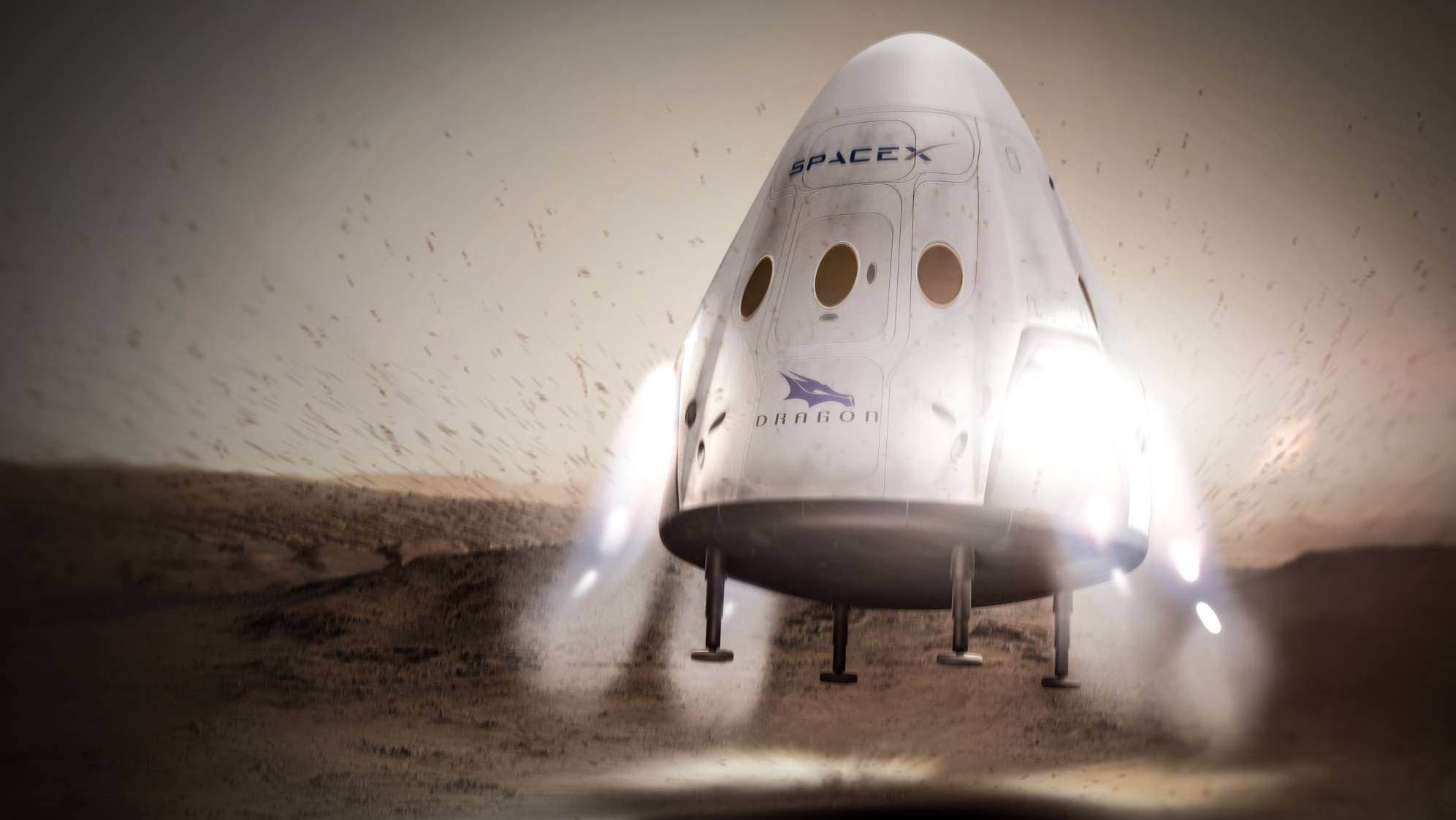
When astronauts who have flown aboard legendary spacecraft like the Space Shuttle, Russia’s Soyuz, and even Boeing’s Boeing Starliner step inside SpaceX’s Crew Dragon, their reaction is almost always the same: shock.
They’re shocked by how comfortable it feels.
Shocked by how modern everything looks.
Shocked by how intuitive the controls are.
Many even say the same phrase afterward: “This feels like the future.”
So what exactly did SpaceX change? Why does Crew Dragon feel generations ahead of its competitors? And what are astronauts really saying after flying it?
Let’s break it down.
Why Astronauts Are Shocked by Crew Dragon
It may seem unfair to compare Crew Dragon to spacecraft designed in the 1960s, 70s, or 80s. But that comparison reveals something important.
The difference isn’t just technology.
It’s philosophy.
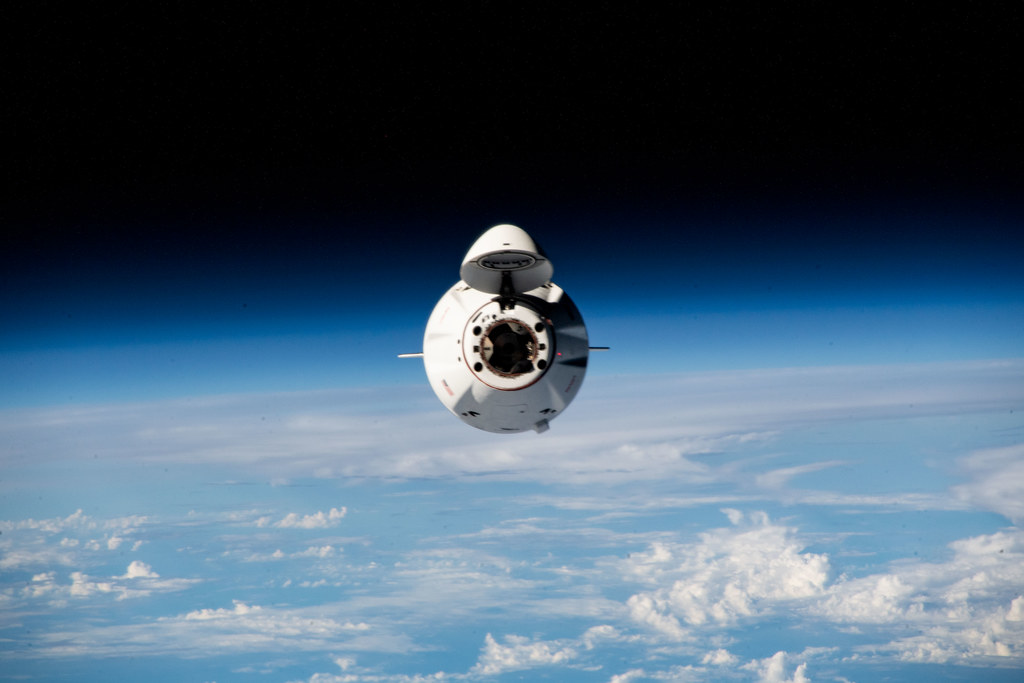
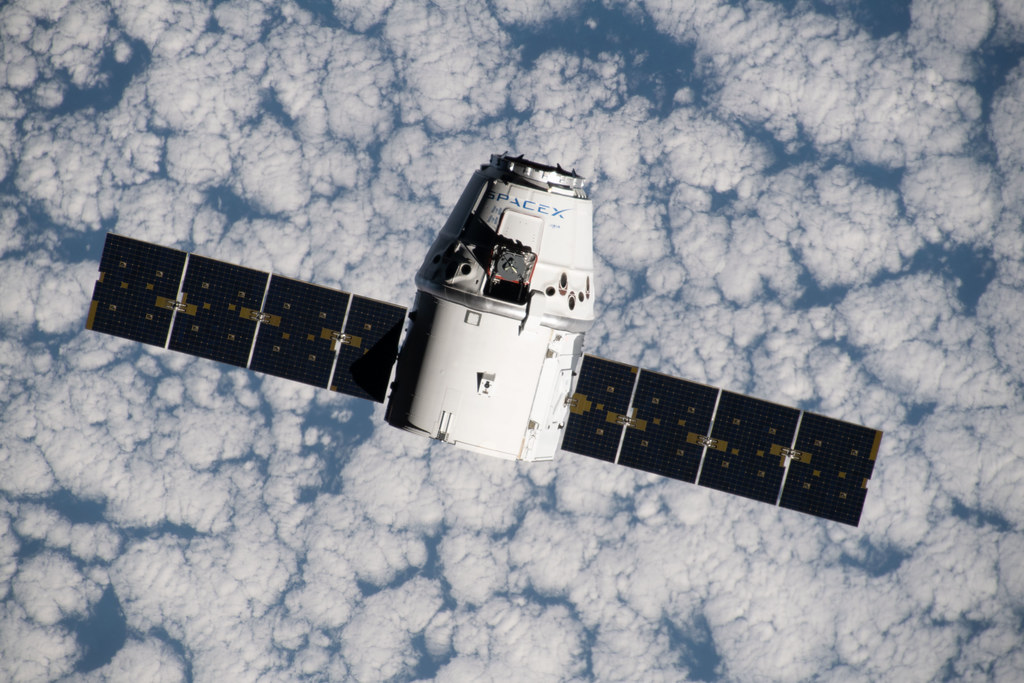
SpaceX didn’t just build a spacecraft that works. They built a spacecraft designed to be lived in.
That shift — from mechanical survival machine to human-centered spacecraft — is what astronauts immediately notice.
During a Crew-11 press conference, Japanese astronaut Kimiya Yui, who previously flew on Soyuz, described Crew Dragon as:
- “Very smooth.”
- “Very comfortable.”
- “Like stepping into the future.”
He praised its sleek touchscreens, clean interface, and even the modern-looking spacesuits. While he respected Soyuz for its reliability, Dragon simply felt more modern and far more pleasant.
And he’s not alone.
Old-School Cockpits vs. The Dragon Revolution
To understand why Crew Dragon feels revolutionary, we need to look back at older spacecraft.
Inside the Space Shuttle Cockpit
The flight deck of the Space Shuttle looked like a flying control room.
It featured:
- Over 2,000 switches and gauges
- Mechanical toggles everywhere
- Dense analog readouts
Astronauts like Doug Hurley and Bob Behnken had to memorize the location of every control. One wrong switch during launch or re-entry could be catastrophic.
That design made sense in the 1970s. Computers weren’t powerful. Reliability meant physical hardware redundancy.
But by today’s standards? It looks ancient.
Soyuz: Reliable But Cramped
The Soyuz is one of the most reliable spacecraft in history. But astronauts often describe it as:
- Cramped
- Mechanical
- Claustrophobic
The commander sometimes uses a long stick to reach certain controls because the seat sits so deep inside the cabin.
Russian cosmonaut Anna Kikina, who flew aboard Crew Dragon during Crew-5 in 2022, openly stated Dragon was far more comfortable — not just because it’s larger, but because the interface is easier and less physically demanding.
That’s a huge difference.
The Touchscreen Transformation
One of Crew Dragon’s most radical changes?
It eliminated nearly all physical buttons.
Instead, SpaceX installed:
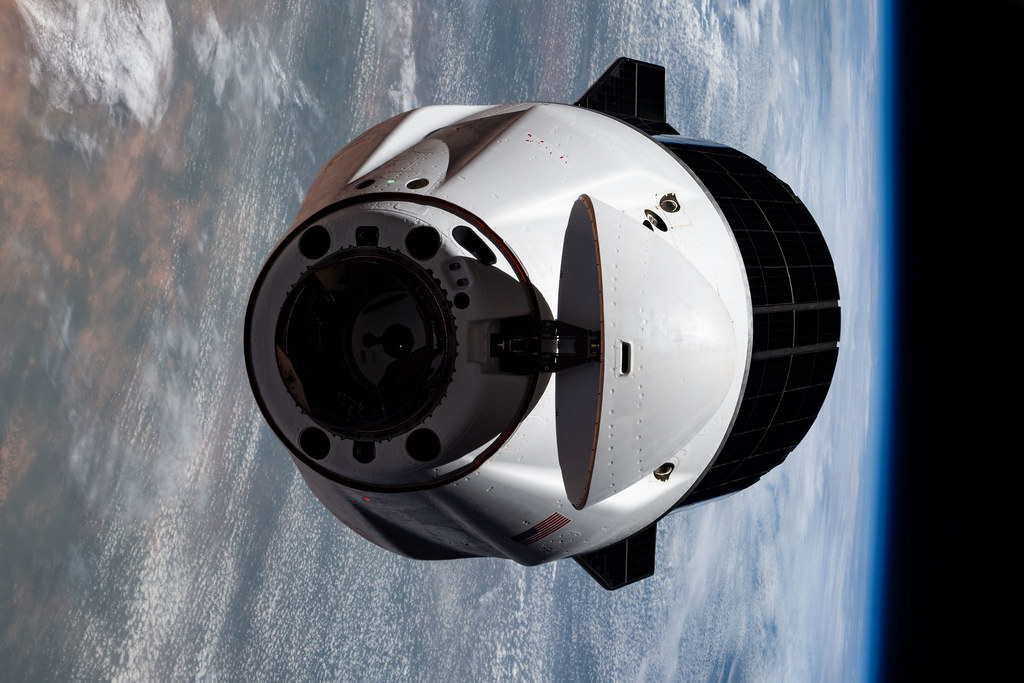
- Three 17-inch touchscreens
- Context-based interface displays
- Dynamic flight phase information
At first, astronauts had to adjust. Doug Hurley noted that touching a screen under vibration isn’t like pushing a mechanical switch.
So SpaceX refined everything:
- Glove-compatible sensitivity
- Conductive fingertips in suits
- Vibration-resistant calibration
Now the interface feels smooth and reliable.
Astronauts no longer “fly” the spacecraft constantly. Instead, they supervise highly automated systems.
Crew Dragon flies:
- Launch to orbit autonomously
- Rendezvous automatically
- Docking without manual control
- Re-entry and splashdown autonomously
Manual controls exist — but they’re backups.
Japanese astronaut Soichi Noguchi, one of the few to fly Shuttle, Soyuz, and Dragon, summed it up perfectly:
“Dragon is the best. That’s the short answer.”
Human-Centered Design: The Real Upgrade
Comfort in space isn’t just luxury. It directly affects performance, safety, and morale.
Crew Dragon’s interior proves that SpaceX understands that.
1. More Usable Space
Crew Dragon offers about 9.3 cubic meters of pressurized volume.
Compared to Soyuz, it feels spacious. Astronauts can move more naturally instead of sitting tightly packed.
Anna Kikina emphasized that the layout — not just size — made her feel freer and more comfortable.
That mental comfort matters on long-duration missions.
2. Custom Carbon Fiber Seats
Crew Dragon’s seats are:
- Made from high-grade carbon fiber
- Covered in soft Alcantara
- Custom-molded to each astronaut
They distribute G-forces more evenly during launch and re-entry (which can exceed 5G).
That means:
- Less fatigue
- Less strain
- Better endurance
Commander Nicole Mann even shared that there’s enough space beneath the seats to rig a hammock using bungee cords — allowing her to sip coffee and watch Earthrise.
Try doing that in Soyuz.
3. Climate Control That Feels Like Earth
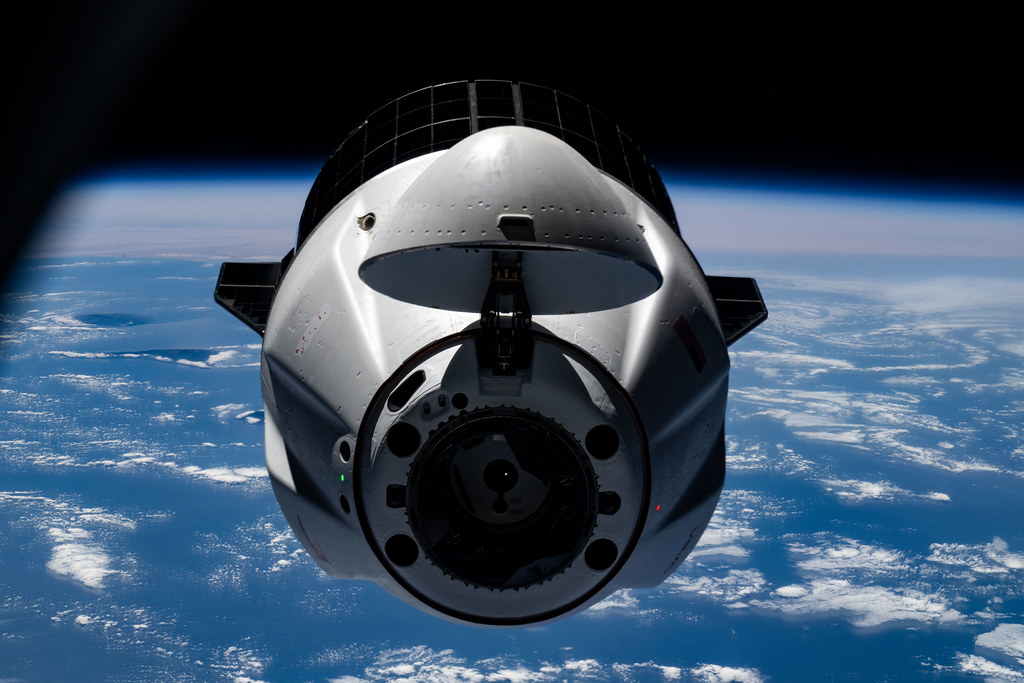
Crew Dragon maintains:
- 18.3–26.7°C temperature range
- 25–75% humidity
- Quiet air circulation
- Efficient CO₂ removal
The result? An environment closer to an office than a spacecraft.
Older vehicles often caused:
- Headaches
- Dry air irritation
- Temperature discomfort
Dragon minimizes those stressors.
4. Yes — Even the Toilet Is Better
It may sound trivial, but in space, privacy matters.
Crew Dragon features:
- A vacuum toilet
- Mounted near the top of the capsule
- With a privacy curtain
ESA astronaut Thomas Pesquet joked that the only advantage is the 360° Earth view while using it.
Meanwhile, Inspiration4 commander Jared Isaacman confirmed that the curtain creates real privacy — something rare in spacecraft.
These small details add up to a huge quality-of-life difference.
Crew Dragon vs. Boeing Starliner: The Real Rivalry
To be fair, Dragon’s true modern competitor isn’t Soyuz.
It’s the Boeing Starliner.
Veteran astronauts Sunita Williams and Barry Wilmore have flown both.
Their insights are fascinating.
Starliner Strengths
Barry Wilmore praised Starliner’s:
- Strong manual handling
- Independent backup systems
- Full manual thruster authority
He described it as extremely capable and said he’d fly it again once issues are resolved.
Starliner emphasizes:
- Manual control
- Redundancy
- Traditional piloting philosophy
Dragon’s Advantage
Sunita Williams highlighted the contrast:
Starliner:
- Clearly defined manual controls
- Hands-on flying capability
Dragon:
- Sleek design
- Minimal physical controls
- Deep automation
- Lower cognitive workload
Dragon tells you what it’s doing. You supervise.
Astronauts even joked about a small detail — Dragon has more Velcro.
In microgravity, that’s huge.
Two Philosophies, One Goal
The competition between Starliner and Crew Dragon represents two approaches to spaceflight:
| Crew Dragon | Boeing Starliner |
|---|---|
| Automation-first | Manual-control priority |
| Minimalist design | Redundant physical systems |
| Human-centered comfort | Traditional aerospace philosophy |
| Touchscreen interface | Hybrid mechanical controls |
Both spacecraft expand NASA’s capabilities. But Dragon clearly prioritizes crew comfort and simplicity.
Why SpaceX Stopped Building New Dragons
Despite Dragon’s success, SpaceX reportedly stopped producing new Crew Dragon capsules around 2025.
Why?
Reusability.
Each Crew Dragon is designed for:
- Up to 15 missions or more
- Refurbishment between flights
- Long-term fleet sustainability
With five Crew Dragons and several Cargo Dragons already operational, SpaceX has enough capacity to support ISS missions through its planned retirement around 2030–2031.
This approach:
- Reduces costs
- Improves efficiency
- Demonstrates sustainable human spaceflight
Why Astronauts Call Dragon “100x Better”
When astronauts say Dragon feels 100x better, they don’t mean it’s literally 100 times more powerful.
They mean it’s:
- 100x more intuitive
- 100x more comfortable
- 100x more modern in design philosophy
It feels like moving from:
- A 1970s analog cockpit
- To a 21st-century smart device
It reduces:
- Physical strain
- Mental workload
- Operational stress
And in space, that can make all the difference.
The Bigger Picture: The Future of Human Spaceflight
Crew Dragon represents more than a spacecraft.
It represents a shift in how we design vehicles for humans in extreme environments.
Instead of asking:
“How do we make it work?”
SpaceX asked:
“How do we make it better for the people inside it?”
That mindset may define the next generation of spacecraft — from lunar missions to Mars voyages.
Final Verdict: Is Crew Dragon Truly Better?
Objectively?
Both Starliner and Dragon are highly capable.
But from the astronauts themselves — the people who strap in and ride these machines into orbit — Crew Dragon consistently earns praise for:
- Comfort
- Simplicity
- Modern interface
- Reduced cognitive load
- Pleasant re-entry splashdown
When veterans of the Shuttle, Soyuz, and Starliner all say Dragon feels like the future, that says something powerful.
Crew Dragon wasn’t just engineered.
It was designed.
FAQs
1. Why do astronauts say Crew Dragon feels more modern than older spacecraft?
Astronauts often compare Crew Dragon to vehicles like the Space Shuttle and Soyuz. The difference comes down to touchscreen controls, automation, cleaner interior design, and a simplified user interface that reduces cognitive workload.
2. What makes SpaceX Crew Dragon more comfortable?
Crew Dragon features custom-molded carbon fiber seats, better climate control, more cabin space (about 9.3 cubic meters), and improved privacy features — all designed with human-centered engineering in mind.
3. How is Crew Dragon different from Boeing Starliner?
The Boeing Starliner prioritizes manual control and redundancy, while SpaceX Crew Dragon emphasizes automation, touchscreen interfaces, and streamlined operations.
4. Does Crew Dragon fly autonomously?
Yes. Crew Dragon can complete launch, orbit insertion, docking with the ISS, and re-entry autonomously. Astronauts monitor systems and can take manual control if needed.
5. How many touchscreens are inside Crew Dragon?
There are three large 17-inch touchscreens that replace most physical buttons and switches found in older spacecraft.
6. Is Crew Dragon safer than Soyuz?
Both spacecraft are highly reliable. However, Crew Dragon incorporates modern abort systems, advanced automation, and updated safety protocols developed under NASA’s Commercial Crew Program.
7. How much space does Crew Dragon have inside?
Crew Dragon provides about 9.3 cubic meters of pressurized cabin volume, offering noticeably more room compared to Soyuz.
8. What do astronauts say about Crew Dragon seats?
Astronauts report that the seats are more comfortable due to custom molding and carbon fiber construction that evenly distributes G-forces during launch and re-entry.
9. Who has flown on Shuttle, Soyuz, and Dragon?
Soichi Noguchi is one of the few astronauts to fly on all three spacecraft types and described Dragon as “the best.”
10. Does Crew Dragon have a bathroom?
Yes. Crew Dragon includes a vacuum toilet mounted near the top of the capsule, complete with privacy curtains — a major upgrade over earlier systems.
11. How does Crew Dragon land?
Crew Dragon performs a controlled re-entry and splashes down in the ocean using parachutes. This provides a softer landing compared to Soyuz, which lands on solid ground.
12. Why did SpaceX remove most physical buttons?
SpaceX replaced mechanical switches with touchscreens to simplify operations, reduce cockpit clutter, and allow dynamic software-based control updates.
13. Can astronauts manually fly Crew Dragon?
Yes. Although it’s highly automated, Crew Dragon allows astronauts to manually control the spacecraft if necessary.
14. What did Anna Kikina say about Crew Dragon?
Anna Kikina described Crew Dragon as very comfortable compared to Soyuz, highlighting its layout and ease of use.
15. How does climate control work inside Dragon?
Crew Dragon maintains temperature between roughly 18–27°C and regulates humidity levels while removing carbon dioxide efficiently to keep astronauts comfortable.
16. Why did SpaceX stop building new Crew Dragons?
SpaceX paused new production around 2025 because each Crew Dragon capsule is reusable for up to 15 missions, and the existing fleet is sufficient for ISS operations through 2030–2031.
17. Who compared Starliner and Dragon after flying both?
Veteran NASA astronauts Sunita Williams and Barry Wilmore shared insights after flying both spacecraft, noting Dragon’s sleek automation and Starliner’s strong manual handling.
18. Is Crew Dragon used only for NASA missions?
No. Crew Dragon has flown NASA astronauts and private astronauts, including missions like Inspiration4 commanded by Jared Isaacman.
19. Why do astronauts call Crew Dragon “100x better”?
They aren’t speaking mathematically — they’re describing the leap in comfort, usability, automation, and modern design compared to older spacecraft generations.
Read More:
- Tesla Full Self-Driving set to get an awesome new feature, Elon Musk says
- $17K Tesla Model 2 With an “Infinite” Battery! Elon Musk Just Broke the Game in 2026
- Starship Version 3 Heat Shield Upgraded to Survive 1,500°C Change Spaceflight Forever
- Elon Musk clarifies Tesla Cybertruck ’10 day’ comment, fans respond
- Tesla Pi Phone $199 Leak + “Lifetime” Starlink Internet + Aluminum-Ion 7-Year Battery + XOS (2026)
1 thought on “Astronauts declared SpaceX’s New Dragon Upgrade 100x BETTER than Competitors”