


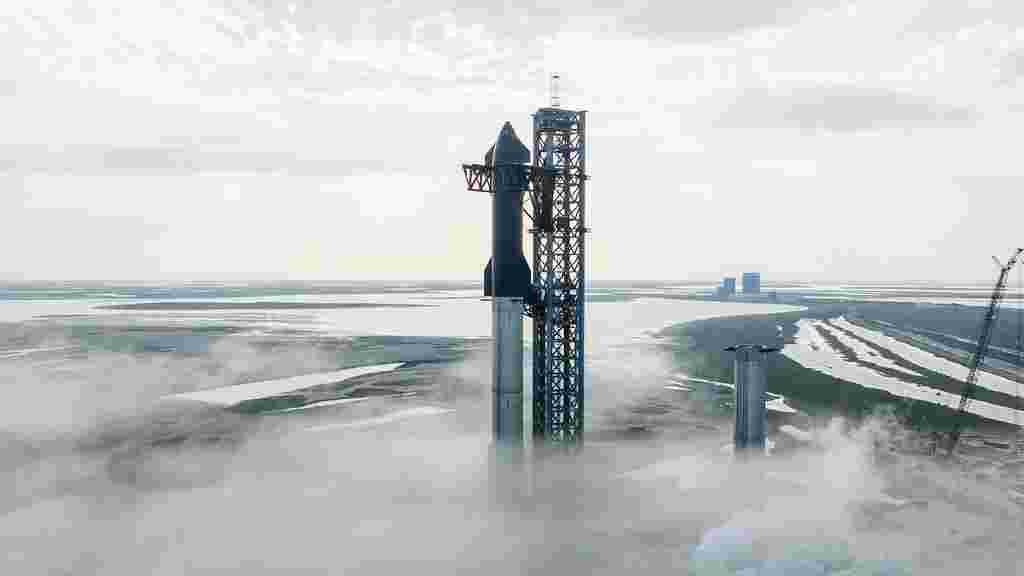
2026 is shaping up to be one of the most important years in modern spaceflight history. For SpaceX’s Starship, this is the moment it must finally evolve from an experimental giant into a fully operational, reusable commercial rocket. But for the first time, Starship will no longer be racing alone.
New challengers are rising fast. Blue Origin’s New Glenn, Rocket Lab’s Neutron, and Relativity Space’s Terran R are all charging toward flight readiness. Each one is targeting the same prize: dominance in the next-generation launch market.
The big question is simple but brutal:
👉 Where does Starship actually stand right now—and can SpaceX deliver a true breakthrough in 2026?
Let’s break it all down.
Starship’s Harsh Reality: Bigger Doesn’t Mean Better—Yet
There’s no denying the headlines:
- Starship is the biggest rocket ever built
- Starship is the most powerful rocket in history
- Starship is designed to take humans to the Moon and Mars
All of that is 100% true.
But here’s the uncomfortable reality many fans overlook:

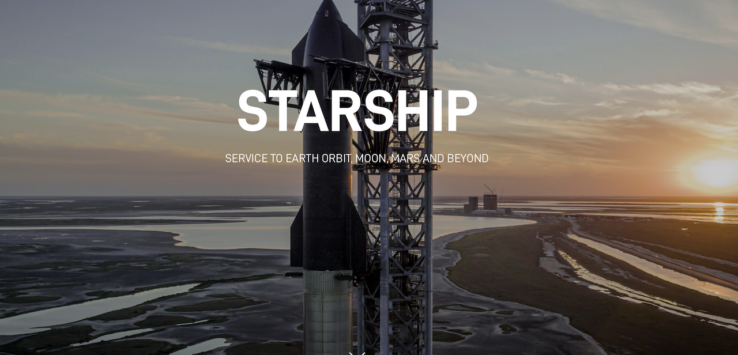
Starship Still Can’t Compete With Falcon 9—Yet
Despite its size and power, Starship today is nowhere near Falcon 9’s operational maturity.
Let’s look at the numbers:
- Over its last two flights, Starship deployed just 16 dummy Starlink satellites over roughly four months
- Falcon 9, by comparison:
- Launches 23–30 real satellites per mission
- Flies once every two days on average
- Has become the most reliable orbital rocket in history
That massive gap exists for one clear reason.
Why Starship Has Been Held Back
Two Years of “Test Flight” Limbo
For nearly two years, SpaceX has been locked into officially classified Starship test flights. These missions weren’t about payloads—they were about survival.
Starship has had to battle:
- Composite overwrapped pressure vessel (COPV) failures
- Methane and oxygen fuel leaks
- Ignition system instability
- Severe heat shield damage
- Re-entry control challenges
Yes, SpaceX fixes problems at a legendary pace. But even now, Starship remains far from where it needs to be.
And that’s exactly why 2026 is the make-or-break year.
Why 2026 Is a Critical Turning Point
By the end of 2026, Starship must achieve one defining goal:
Becoming the World’s First Fully Reusable Commercial Rocket
To get there, SpaceX must conquer three enormous challenges:
- True heat shield reusability
- Reliable tower landings of the Starship upper stage
- Successful orbital refueling
Let’s take them one by one.

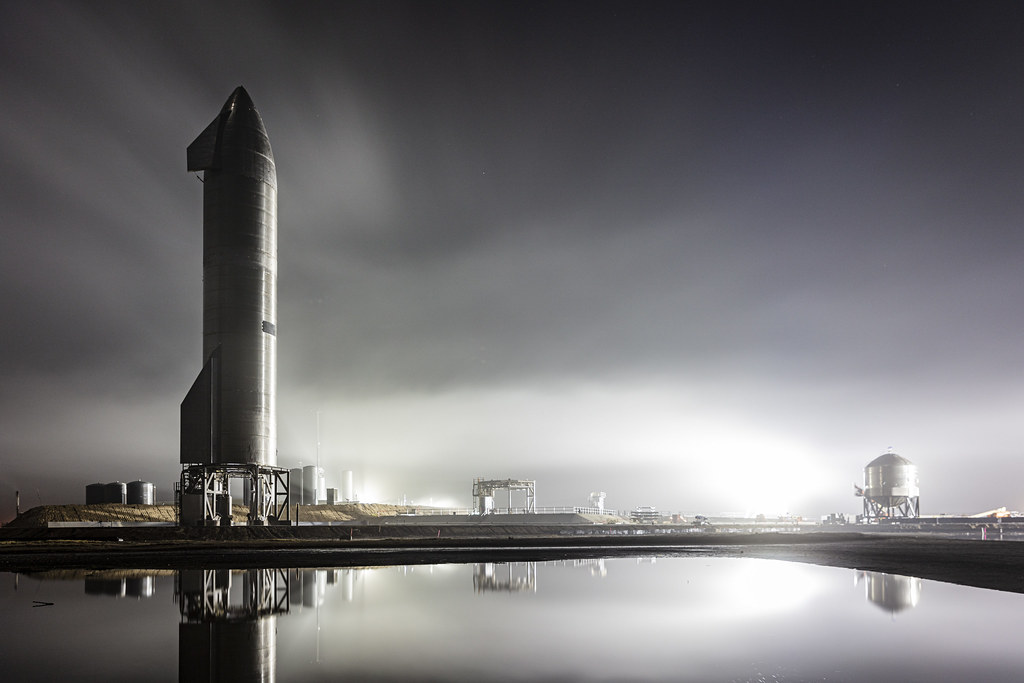
Reusability Roadblock #1: The Heat Shield Nightmare
The Single Biggest Headache for Starship
Elon Musk has said it repeatedly:
👉 The heat shield is Starship’s hardest problem.
Why?
Because it must:
- Survive orbital re-entry temperatures up to 2,000°C
- Withstand plasma-level heating
- Protect the vehicle without excessive tile loss
- Allow rapid reuse, not months of refurbishment
And that’s where things get truly insane.
Starship’s Wild Reuse Vision
SpaceX doesn’t just want reusability. They want aircraft-like operations.
The goal:
- Refuel
- Relaunch
- Fly again within 1–2 hours
This extreme launch cadence is non-negotiable for one reason:
Orbital Refueling Enables the Moon and Mars
Without rapid reuse, Starship HLS cannot support Artemis lunar landings as early as 2027. That means:
- The heat shield must prove true reusability
- Even before high-frequency launches begin
If Starship fails here, everything else collapses.
The $10 Million Launch Dream
Why Starship Must Replace Falcon 9
Starship’s ultimate mission isn’t just exploration—it’s economic domination.
SpaceX’s target:
- ~$10 million per launch
- 6–7× cheaper than Falcon 9
When that happens:
- Starship handles Starlink and lunar missions
- Falcon 9 shifts to crewed flights and third-party payloads
- The global launch market is permanently disrupted
But reusability alone isn’t enough.

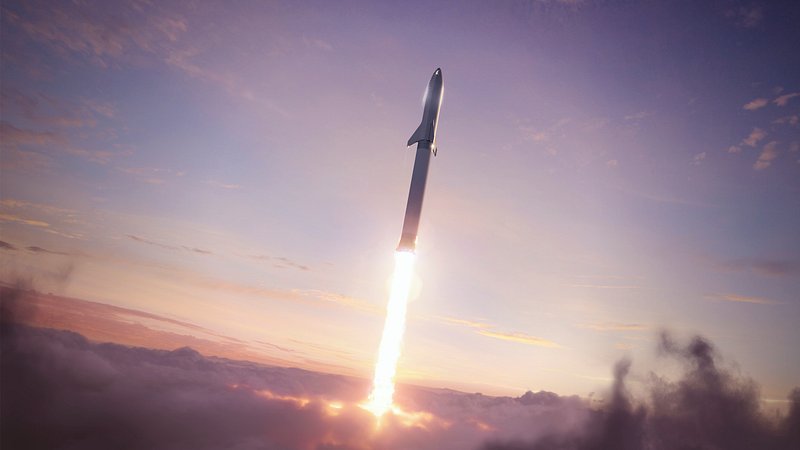
Reusability Roadblock #2: Catching Starship With Mechazilla
Super Heavy: Mission Accomplished
By now, SpaceX has mastered catching the Super Heavy booster using the iconic Mechazilla chopsticks.
These landings are:
- Unmatched anywhere in the world
- A defining moment in rocket engineering
But there’s a missing piece.
The Upper Stage Problem
Starship Has Never Been Caught
So far:
- Zero successful chopstick catches of the Starship upper stage
- All upper stages have splashed down at sea
And honestly? That makes sense.
Across 11 flights, SpaceX focused on one priority:
👉 Survive re-entry first
Only now is landing precision even on the table.
Will Flight 12 or 13 Attempt a Tower Catch?
Here’s where things get interesting.
The Infrastructure Challenge
Right now:
- Only one launch tower is operational
- Catching both Super Heavy and Starship on the same tower is impossible
Why?
- Super Heavy must cool down for ~1 hour
- Starship returns later and needs a separate landing tower
Pad 1 is still under construction, and there’s no guarantee it’s ready by Flight 13.
The Smarter Option
The more realistic scenario:
- Super Heavy splashes down at sea
- Starship attempts a tower catch
That approach saves time—and time matters.
Prediction
Flight 13 is the most likely candidate for:
👉 The first-ever Starship Mechazilla catch
Reusability Roadblock #3: Orbital Refueling
The Milestone That Changes Everything
Orbital refueling isn’t optional. It’s mandatory for:
- Lunar missions
- Mars missions
- Deep space operations
Without it, Starship’s vision collapses.

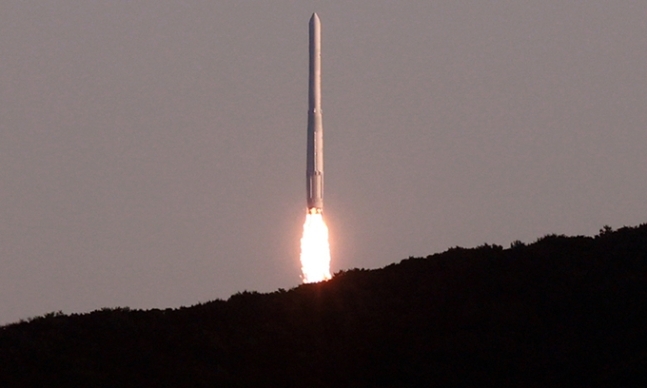
SpaceX’s 2026 Refueling Plan
Elon Musk has confirmed:
- Multiple orbital refueling tests in 2026
- Using Starship V3
While early timelines pointed to June, current expectations suggest July or August.
Real Progress Is Already Visible
- Refueling hardware installed on Ship S39
- Components will be flight-tested this year
- Durability validation is already underway
How Complex Is This? Very.
SpaceX may need:
- Up to four flights
- Two full refueling demo campaigns
Likely sequence:
- Long-duration mission to test fuel storage
- Follow-up mission to transfer propellant
By the end of 2026, Starship won’t just be flying—it will be operating in a completely new class.
The Rising Threat: Relativity Space’s Terran R
A Bold, Almost Reckless Move
While SpaceX pushes refueling, Relativity Space plans something shocking:
👉 Launching Terran R on an interplanetary Mars mission on its very first flight
That payload?
- An Impulse Space probe
- Bound for Mars
- Launching from LC-16, Cape Canaveral
This is more aggressive than New Glenn’s second flight—and it puts serious pressure on Starship’s reputation.
What Is Terran R?
A Falcon 9 Killer on Paper
Terran R is a fully reusable two-stage rocket featuring:
- Height: 86.6 meters
- Diameter: 5.4 meters
- Payload to LEO (reusable): 23,500 kg
- Payload (expendable): 33,500 kg
Yes—it outperforms Falcon 9 on paper.
Methalox Power and Massive Thrust
Like Starship, Terran R uses:
- Liquid methane
- Liquid oxygen
Why methalox?
- Cleaner burn
- Less engine residue
- Easier reusability
Engine Configuration
- First stage: 13 Aeon R engines
- Total thrust: 15.56 meganewtons
- Second stage: Aeon Vac engine for orbital insertion
The Real Secret Weapon: 3D Printing
Stargate Changes Everything
Terran R is largely built using Relativity’s Stargate printers, the largest metal 3D printers on Earth.
Benefits:
- Drastically reduced part count
- Faster manufacturing
- Lower costs
- Rapid iteration
While SpaceX is increasing 3D printing with Raptor 3, Relativity:
👉 Owns the entire printing stack in-house
That’s a massive strategic advantage.
Momentum Is Building Fast
Recent updates reveal:
- Major upgrades to:
- Propellant tanks
- Interstage structures
- Propulsion systems
- Six engines hot-fired in a single day at NASA Stennis
- Launch site shifting from construction to operations planning
These are not early-stage signals.
They’re late-stage readiness indicators.
Ex-SpaceX Talent Is Fueling Relativity’s Rise
Many former SpaceX engineers now work at Relativity Space, including:
- Engineers from Dragon 2 propulsion
- Veterans who understand SpaceX’s execution culture
They didn’t just bring skills.
👉 They brought the SpaceX mindset.
The Bigger Battlefield: 2026 Is Packed
Relativity isn’t alone.
Also targeting 2026:
- Rocket Lab’s Neutron
- Blue Origin’s New Glenn
- Sierra Space’s Dream Chaser
The launch industry is entering its most competitive phase ever.
Final Question: Who Wins 2026?
- Starship could master orbital refueling and redefine spaceflight
- New Glenn could achieve operational maturity faster
- Terran R could shock the world with a Mars debut
- Neutron could disrupt the medium-lift market
One thing is certain:
2026 Will Not Be a Quiet Year
It will be the year rockets stop being prototypes—and start being weapons in a real space race.
FAQs
1. Why is 2026 so important for SpaceX’s Starship?
2026 is critical because Starship must transition from an experimental vehicle to a fully reusable commercial rocket, proving heat shield durability, tower landings, and orbital refueling to stay ahead of competitors.
2. Is Starship currently better than Falcon 9?
No. Falcon 9 is far more operationally mature, flying every few days with real payloads, while Starship is still in the test-flight phase despite its superior size and power.
3. What makes Starship the most powerful rocket ever built?
Starship combined with Super Heavy produces more thrust than any rocket in history, surpassing even NASA’s Saturn V, making it capable of deep-space missions.
4. What is Starship’s biggest technical challenge?
The heat shield. It must survive extreme re-entry temperatures while remaining reusable with minimal refurbishment.
5. Why is Starship’s heat shield so difficult to perfect?
It must endure up to 2,000°C plasma heating, protect the vehicle, and still allow rapid relaunch within hours, which no orbital vehicle has ever achieved.
6. What is Mechazilla and why is it important?
Mechazilla is SpaceX’s launch tower with mechanical arms designed to catch rockets mid-air, enabling rapid reuse without landing legs.
7. Has SpaceX successfully caught Starship with Mechazilla?
Not yet. Only the Super Heavy booster has been caught successfully. The Starship upper stage has not completed a tower catch so far.
8. When could Starship achieve its first successful tower catch?
Many experts believe Flight 13 is the most realistic candidate for Starship’s first Mechazilla catch.
9. Why can’t Starship and Super Heavy land on the same tower?
Super Heavy must cool down after landing, which takes about an hour. Starship returns later and needs a separate tower, requiring multiple launch pads.
10. What is orbital refueling and why does Starship need it?
Orbital refueling allows Starship to refuel in space, enabling missions to the Moon, Mars, and beyond. Without it, deep-space missions are impossible.
11. When will SpaceX test orbital refueling?
SpaceX plans to conduct multiple orbital refueling tests in 2026, likely starting around mid-to-late summer.
12. How many flights are needed to prove orbital refueling?
SpaceX may require up to four flights or two full demonstration campaigns to validate fuel storage and propellant transfer in orbit.
13. How cheap could Starship launches become?
SpaceX aims for around $10 million per launch, potentially making Starship 6–7 times cheaper than Falcon 9.
14. What is Terran R and why is it a threat to SpaceX?
Terran R is Relativity Space’s fully reusable rocket, designed to outperform Falcon 9 and potentially challenge Starship’s dominance in the medium-to-heavy lift market.
15. Why is Terran R’s first mission so risky?
Relativity Space plans to send a Mars-bound probe on Terran R’s debut flight, an extremely bold move that could either make history or risk failure.
16. What role does 3D printing play in Terran R?
Terran R is largely built using Relativity’s Stargate metal 3D printers, reducing part count, cost, and manufacturing time compared to traditional methods.
17. Which rockets will compete with Starship in 2026?
Key competitors include Blue Origin’s New Glenn, Rocket Lab’s Neutron, Relativity Space’s Terran R, and Sierra Space’s Dream Chaser, making 2026 one of the most competitive years in spaceflight history. 🚀
Read More:
- Tesla Sweden uses Megapack battery to bypass unions’ Supercharger blockade
- Tesla Model Y and Model 3 named safest vehicles tested by ANCAP in 2025
- Tesla AI5 chip nears completion, Elon Musk teases 9-month development cadence
- The Tesla Robovan is Actually Real
- Rocket Lab Announced Big Progress on Boldest Rocket to Outpace Blue Origin even SpaceX