
The space industry is once again witnessing a dramatic contrast between two radically different approaches to human spaceflight. On one side, SpaceX fixed a Falcon 9 upper stage issue and returned to flight in less than a week. On the other, NASA’s Artemis II mission is facing yet another delay—this time due to a hydrogen leak that has haunted the Space Launch System (SLS) program for decades.
NASA is currently targeting March for Artemis II, but insiders and historical precedent suggest that timeline could easily slip further—possibly to late 2026. So what’s really happening behind the scenes? When can we realistically expect Artemis II to launch? And are deeper structural issues contributing to these repeated delays?
Let’s take a closer look.
SpaceX Returns to Flight in Record Time
While NASA struggles with another postponement, SpaceX has already cleared Crew-12 for launch after resolving a Falcon 9 upper stage issue that briefly grounded flights.
Just over a week ago, Falcon 9 missions were paused by the FAA following an anomaly. Yet in classic SpaceX fashion, the company:
- Identified the issue
- Implemented corrective measures
- Completed reviews
- Resumed launch operations
Crew-12 has now completed its full rehearsal ahead of its trip to the International Space Station. The new launch target is no earlier than Friday, February 13, following a minor two-day weather delay.
Weather delays are normal in spaceflight. A one-day slip is routine.
But compare that to Artemis II.
Artemis II Faces Another Hydrogen Leak
NASA’s Artemis II mission, four years in preparation, is now dealing with at least a one-month delay—and possibly more.
The culprit? Once again, liquid hydrogen leakage.
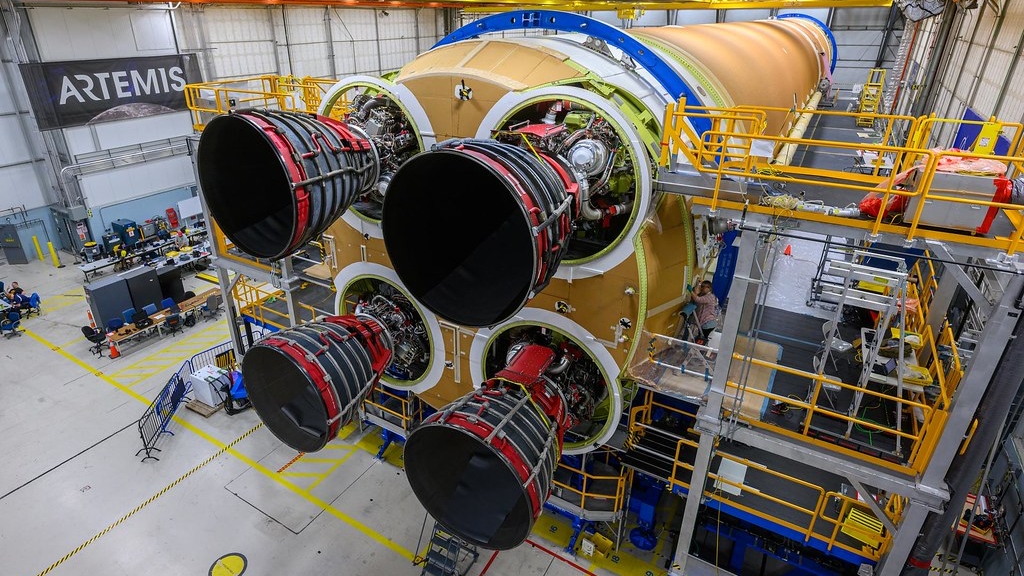
Hydrogen is notoriously difficult to contain. It’s the smallest molecule in existence and can escape through microscopic imperfections. The SLS core stage, which uses liquid hydrogen and liquid oxygen as propellant, has struggled with this issue since its earliest design roots in the Space Shuttle era.
NASA recently confirmed:
- March is still a possible launch window
- A firm date will only be set after a successful Wet Dress Rehearsal (WDR)
- Data must be fully reviewed before committing
In other words, there is currently no official launch date for Artemis II.
Why NASA Isn’t Rolling Back to the VAB
One major shift this time: NASA is not rolling the rocket back to the Vehicle Assembly Building (VAB).
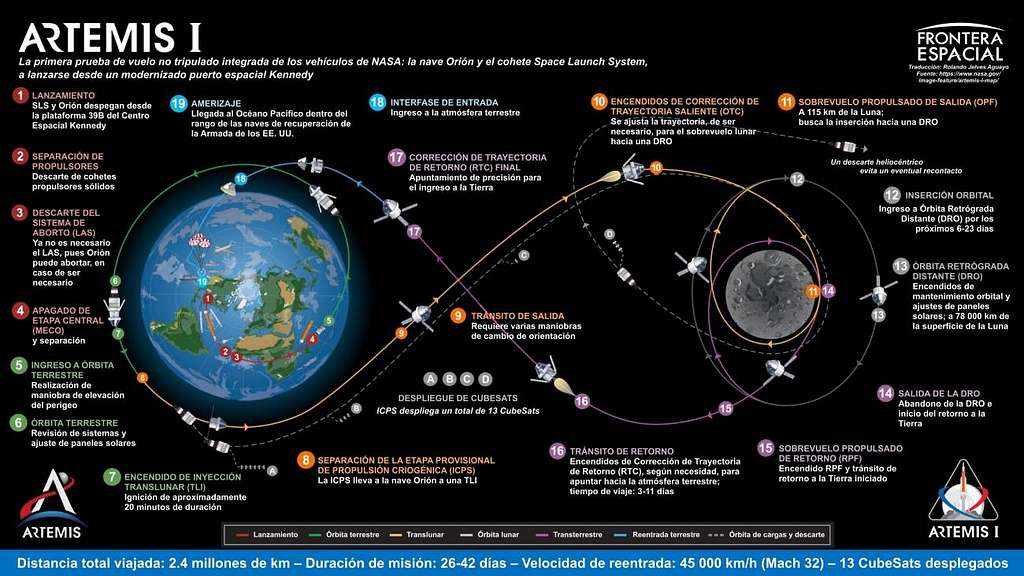
Instead, all repairs will happen directly at Launch Complex 39B.
Why does this matter?
Moving the SLS rocket:
- Requires a massive crawler-transporter
- Introduces significant vibration
- Can worsen seal damage
- Risks creating new leaks
- Affects sensitive systems
During Artemis I, NASA rolled the vehicle back and forth multiple times over eight months. That process likely contributed to wear and stress.
This time, technicians:
- Replaced two hydrogen seals at the leak site
- Sent old seals for root-cause analysis
- Are preparing to reconnect the interface
Fixing the issue at the pad is faster and reduces additional risk. But that doesn’t guarantee success.
When Could Artemis II Realistically Launch?
If everything goes perfectly:
- Wet Dress Rehearsal: Around February 25
- Data review period: ~2 weeks
- Potential launch window: March 9–11
But here’s the critical caveat:
If hydrogen leaks reappear during the next WDR, the launch could slip to April or later.
And history suggests caution.
Artemis I: A Lesson in Delays
Let’s revisit Artemis I.
- Final successful WDR: June 20, 2022
- Actual launch: November 16, 2022
- Time gap: 149 days
Nearly five months separated the rehearsal and liftoff.
NASA declared the WDR campaign complete even though a small hydrogen leak was detected at T-minus 29 seconds.
The lesson?
A successful rehearsal does not guarantee a near-term launch.
When it comes to NASA schedules, predictions are difficult. Unlike SpaceX, where delays are often measured in days or weeks, NASA delays frequently stretch into months.
The Cost-Plus Contract Factor
Beyond technical issues, financial structures play a major role.
The SLS and Orion programs operate under cost-plus contracts. Major contractors include:
- Boeing
- Northrop Grumman
- Lockheed Martin
Under cost-plus agreements:
- Contractors are reimbursed for expenses
- A guaranteed profit margin is added
- More time = more billable hours
This doesn’t mean delays are intentional. But structurally, the system does not penalize slowness.
In fact:
- Extended timelines maintain workforce stability
- Funding streams continue flowing
- Political support across multiple states remains intact
Slow progress becomes embedded in the architecture of the program.
The Human Risk of Artemis II
Artemis II is not a routine mission.
Four astronauts—including Canadian astronaut Jeremy Hansen—will travel beyond Earth’s magnetic field into deep space.
Radiation Exposure
Under normal conditions:
- Radiation dose ≈ a full-body CT scan
During a solar storm:
- Radiation could spike dramatically
- Long-term cancer risks increase
- Acute symptoms like nausea may occur
This is a 10-day deep space mission—far riskier than low Earth orbit operations.
NASA knows the stakes.
The Orion Heat Shield Controversy
After Artemis I, engineers discovered unexpected material flaking on the Orion heat shield during re-entry.
Rather than redesigning the system, NASA opted to:
- Adjust the re-entry trajectory
- Stick with the existing Avcoat heat shield material
- Avoid a complete retest to prevent schedule delays
Critics Are Concerned
Former NASA astronaut Charles Camarda has openly questioned this approach. He argues:
- NASA does not fully understand why the heat shield material flaked
- Adjusting trajectory without full retesting may introduce risk
- History shows dangers of minimizing warning signs
He draws parallels to Columbia in 2003.
Similarly, astrophysicist Casey Handmer has criticized the Artemis architecture as:
- Overly complex
- Fragile
- Politically motivated
- Expensive beyond necessity
Even NASA’s Office of Inspector General acknowledged that re-entry risk remains if heat shield concerns are not fully resolved.
Scientific experts have echoed concerns about continuing with Avcoat material without comprehensive flight revalidation.
These are not fringe voices. They are experienced professionals raising technical questions.
Apollo 8 Parallels and Historical Pressure
NASA has been here before.
In 1968, Apollo 8 launched just one year after the Apollo 1 fire. The agency faced immense pressure but moved forward cautiously.
With Artemis II, NASA faces a similar tightrope:
- Political competition with China
- Budget scrutiny
- Public expectations
- Astronaut safety
If something goes wrong, the consequences would be catastrophic—not just technically, but politically.
Challenger (1986) and Columbia (2003) remain sobering reminders.
The Irony of NASA vs. SpaceX Criticism
There’s another layer to this story.
NASA leadership has publicly criticized SpaceX for delays in developing the Starship Human Landing System (HLS).
But consider the contrast:
SLS/Orion
- Over 15 years in development
- More than $40 billion spent
- Still facing hydrogen leaks
- Heat shield uncertainties
- No crewed flight yet
SpaceX Starship
- Fully reusable design
- Orbital refueling architecture
- Precision lunar landing goals
- Fixed-price contract
- Rapid test-fail-iterate model
SpaceX delays because it is actively testing hardware. Rockets explode. Data is gathered. Improvements are made.
NASA delays often occur before hardware even flies.
One model absorbs risk through iteration.
The other mitigates risk through analysis and review.
Both aim for safety—but they operate fundamentally differently.
So When Will Artemis II Launch?
Let’s break it down realistically:
Best-Case Scenario
- Successful WDR in late February
- Clean data review
- Launch around March 9–11
Moderate Delay Scenario
- Minor hydrogen recurrence
- Additional troubleshooting
- Launch shifts to April or May
Worst-Case Scenario
- Persistent leaks
- Further heat shield scrutiny
- Political hesitation
- Launch slips to late 2026
Given historical precedent, a delay beyond March appears more likely than not.
What’s Really at Stake
Artemis II is more than a mission. It’s a statement.
- America returning astronauts beyond low Earth orbit
- Re-establishing lunar exploration capability
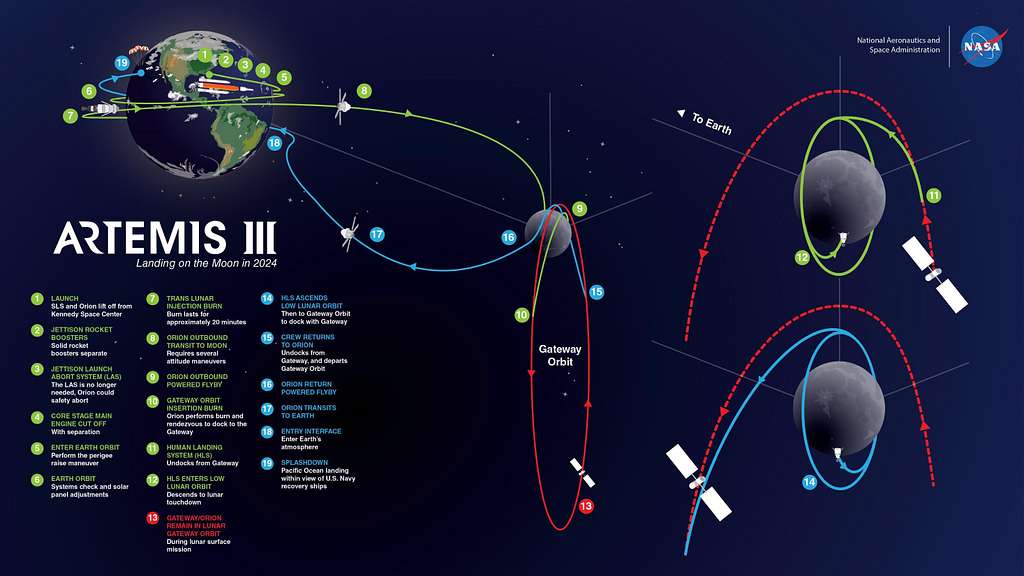
- Setting the stage for Artemis III moon landing
But confidence in the system matters.
If NASA rushes, it risks repeating history.
If NASA delays, it risks losing credibility and momentum.
The balance is delicate.
Final Thoughts: Who Needs to Reevaluate Performance?
The real question may not be whether Artemis II slips again.
The deeper question is this:
After more than 15 years and $40+ billion, how safe and effective has the SLS/Orion system truly proven to be?
SpaceX is flying, testing, and iterating—sometimes failing, but moving forward.
NASA is moving cautiously, methodically—but slowly and expensively.
One approach prioritizes rapid hardware learning.
The other prioritizes procedural risk reduction.
In the end, astronauts’ lives depend on getting this right.
So what do you think?
Will Artemis II fly in March—or are we looking at another multi-month delay?
The coming weeks will reveal whether NASA can finally overcome its hydrogen legacy—or whether the Artemis timeline stretches even further into the future.
FAQs
1. When is the new launch date for NASA’s Artemis II mission?
NASA is currently targeting March as a possible launch window, but no official date has been confirmed. A successful Wet Dress Rehearsal (WDR) and full data review must happen first. If issues persist, the launch could slip to April or later.
2. Why was Artemis II delayed?
The latest delay is due to a liquid hydrogen leak in the SLS core stage. Hydrogen leaks have been a recurring issue in NASA’s heavy-lift rocket program.
3. What is a Wet Dress Rehearsal (WDR)?
A Wet Dress Rehearsal is a full launch countdown simulation where engineers load the rocket with propellant and run through launch procedures without liftoff. It helps identify technical problems before launch day.
4. Could Artemis II be delayed again?
Yes. If hydrogen leaks reappear during the next WDR or additional safety concerns arise, the mission could be delayed by several months.
5. Why didn’t NASA roll the SLS rocket back to the Vehicle Assembly Building (VAB)?
NASA chose to repair the rocket at Launch Pad 39B to avoid vibration stress from moving the massive SLS. Previous rollbacks introduced risks and added delays.
6. What is the hydrogen leak problem with SLS?
Liquid hydrogen is extremely difficult to contain because it is the smallest molecule in existence. Even tiny seal imperfections can cause leaks, which have affected Artemis missions before.
7. Who are the astronauts on Artemis II?
Artemis II will carry four astronauts, including NASA crew members and Canadian astronaut Jeremy Hansen, on a mission beyond Earth’s orbit.
8. How long will the Artemis II mission last?
The Artemis II mission is expected to last approximately 10 days, traveling around the Moon and returning to Earth.
9. Is Artemis II more dangerous than missions to the ISS?
Yes. Unlike International Space Station missions in low Earth orbit, Artemis II will travel beyond Earth’s magnetic field, exposing astronauts to higher levels of cosmic radiation.
10. What are the concerns about Orion’s heat shield?
After Artemis I, engineers observed unexpected material flaking on Orion’s heat shield. Some experts argue that NASA should conduct further testing before sending astronauts aboard.
11. How much has the Artemis program cost so far?
The Space Launch System (SLS) and Orion programs have cost over $40 billion across more than 15 years of development.
12. Why does NASA use cost-plus contracts for Artemis?
NASA’s major contractors operate under cost-plus contracts, meaning they are reimbursed for expenses plus a profit margin. This model can lead to longer development timelines.
13. How does SpaceX handle launch delays differently from NASA?
SpaceX operates under fixed-price contracts and follows a rapid test-and-iterate model. When issues arise, the company typically resolves them quickly and resumes launches within days or weeks.
14. What happens if a solar storm occurs during Artemis II?
A significant solar storm could increase radiation exposure for astronauts, potentially raising long-term health risks. NASA continuously monitors solar activity during deep space missions.
15. Why is Artemis II important for future Moon missions?
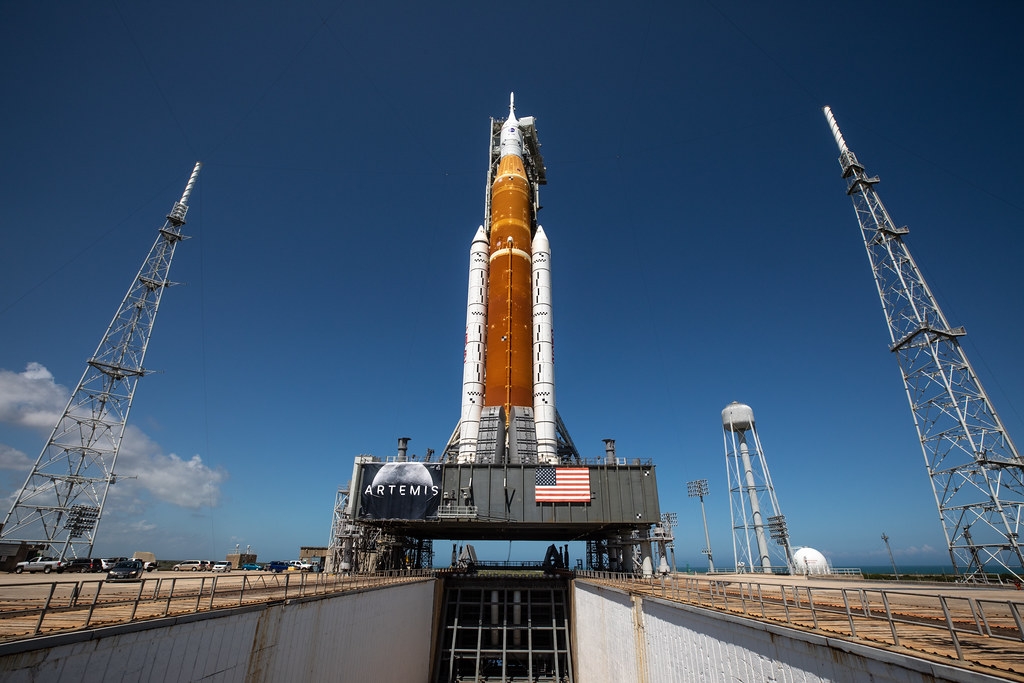
Artemis II is the first crewed mission of the Artemis program and serves as a critical test before Artemis III, which aims to land astronauts on the Moon.
Read More:
- SpaceX blocks unauthorized Starlink terminals used by Russian troops
- Elon Musk’s xAI plants flag in Bellevue AI hotspot
- Tesla accuses IG Metall member of secretly recording Giga Berlin meeting
- SpaceX secures win as US labor board drops oversight case
- Tesla stock gets latest synopsis from Jim Cramer: ‘It’s actually a robotics company’
1 thought on “Disaster! NASA Artemis II New Launch Date will be Longer than what NASA said”