


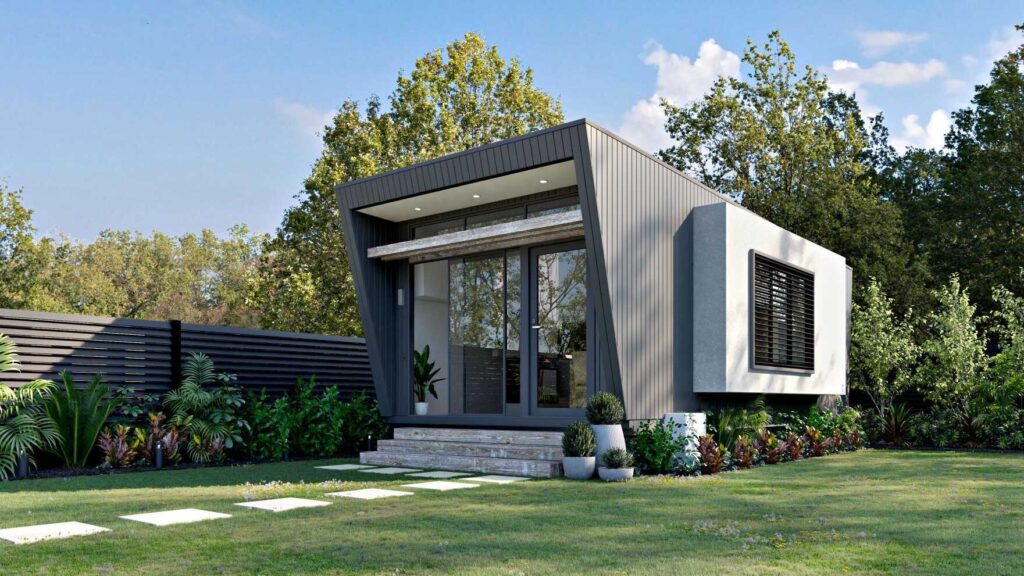
The tiny house movement has captured the imagination of many retirees seeking minimalist, off-grid living. Small homes promise simplicity, independence, and lower costs—but there are hidden physical and safety risks that marketing materials often overlook. Recent studies reveal that a tiny house can reach life-threatening temperatures in less than 90 minutes during a power failure.
While the idea of solar-powered, compact homes is enticing, seniors considering these spaces must understand the unique hazards associated with small-scale living.
I. The 90-Minute Thermal Blackout Risk
One of the most critical dangers in tiny houses is the lack of a thermal buffer. Unlike traditional homes with spacious interiors, tiny homes have very little air volume, meaning that temperatures can rise or fall extremely rapidly.
Exponential Heat Rise
When a cooling system fails, temperature increases linearly for the first 30 minutes. However, once walls, furniture, and floors begin radiating heat back into the room, the rise becomes exponential. In practice, this means that a tiny home can move from comfortable to life-threatening heat conditions in under 90 minutes. Seniors are particularly vulnerable because heat stress can trigger dizziness, fainting, or even cardiac events.
Insulation Standards
Most tiny houses follow R13 insulation standards, suitable for conventional wooden homes but dangerously inadequate for residents over 60. Experts recommend R24 to R28 insulation for walls to extend the reaction time during cooling failures. With this upgrade, a home that would otherwise become unsafe in 90 minutes could provide up to six hours of safe habitation, offering seniors a crucial window to seek help.
Passive Ventilation
Another essential safety measure is ridge venting. Unlike fans or powered exhaust systems that depend on electricity, ridge vents allow hot air to escape naturally through the roof’s highest point. This passive ventilation is a lifesaver during blackouts, helping to regulate indoor temperatures and prevent dangerous heat accumulation.
II. Design for the Aging Body
Many tiny houses are designed with Instagram aesthetics in mind rather than aging-friendly functionality. Seniors have different physiological needs, such as reduced grip strength, slower reflexes, and limited mobility, which are often ignored in conventional tiny home layouts.
Preventing Falls
Falls are the leading cause of accidental death for people over 65 in the U.S. Designing a tiny house for seniors requires proactive measures:
- Zero-Threshold Entrances: Eliminating even small steps (4cm or higher) is essential for residents using walkers or those with reduced balance. A flush, zero-threshold entry prevents trips and falls.
- The Safe Bathroom: Toilets should be at a height of 43–48 cm to minimize strain on hip and knee joints. Grab bars must be anchored directly into wall studs, not just tiles, to prevent dangerous failures under pressure. Bathrooms are tight spaces in tiny homes, so every design detail matters for senior safety.
III. The Hidden Stress of “Off-Grid” Technology
Many tiny houses rely on solar panels, inverters, and battery systems to achieve independence. While this technology provides freedom from the grid, it introduces chronic low-level stress, especially for seniors.
Interface Fatigue
Automatic software updates in mobile apps often change layouts and interfaces, which can be confusing and anxiety-inducing for residents who must check critical battery or energy levels at night. This interface fatigue can lead to stress and sleep disturbances, undermining the very independence these systems are supposed to support.
Electromagnetic Exposure
Tiny homes, by definition, have compact interiors. High-current electrical components like solar inverters are often less than 2 meters from the sleeping area. To minimize long-term exposure, designers should place these systems on the furthest exterior wall, reducing electromagnetic exposure while maintaining system functionality.
IV. Silent Environmental Risks
Tiny homes come with hidden environmental hazards that are often overlooked in marketing campaigns.
Solar Heat Gain
A single west-facing window can raise the local air temperature by 9°F if not treated with low-emissivity (low-E) film. These films block 30–40% of solar heat and are a standard requirement for senior housing. Without them, indoor temperatures can spike dangerously during summer afternoons.
Carbon Dioxide Accumulation
Due to low air volume, CO2 levels in tiny homes rise much faster than in traditional houses. Many low-cost units fail to meet the minimum standard of 0.35 air changes per hour, leading to poor sleep, headaches, and cognitive fog. Proper ventilation design is essential to ensure seniors remain alert and healthy.
V. 2026 vs. 2036: The “Platform” Logic
A truly safe tiny house is not a static product; it is an adaptable platform designed to evolve with its occupant’s needs.
Modular Growth
Future safety considerations should include planned anchor points for ramps and additional modules to house caregivers or medical equipment. Tiny homes that anticipate future modifications allow seniors to age in place without compromising safety.
Future-Proofing
Plumbing and electrical systems must be oversized and pre-configured for potential increases in medical or accessibility needs over the next 10–15 years. Retrofitting after construction is costly and often structurally limited in tiny houses. Early planning ensures long-term safety and comfort.
VI. Additional Senior Hazards to Consider
Beyond thermal risks and off-grid stress, seniors face seven key dangers in tiny houses:
- Rapid Temperature Fluctuations: Small volumes heat and cool quickly, which can trigger heat stroke or hypothermia in seniors.
- Slip and Trip Hazards: Compact layouts and aesthetic-driven furniture placement increase fall risk.
- Limited Emergency Egress: Small windows or single exits can delay escape during fires or natural disasters.
- Inadequate Lighting: Seniors require brighter, evenly distributed light to prevent trips and disorientation.
- Noise Amplification: Thin walls magnify sounds, which can disturb sleep or increase stress levels.
- Low Air Quality: Limited ventilation leads to higher CO2 and VOC concentrations, impacting health and cognition.
- Maintenance Complexity: Off-grid systems require regular technical oversight, which may be difficult for residents with mobility or cognitive limitations.
VII. Making Tiny Houses Safer for Seniors
Designing a tiny home for older adults is more than aesthetics—it’s about physiology, physics, and practical safety. Key strategies include:
- Enhanced Insulation: R24–R28 walls to buffer against extreme heat or cold.
- Passive Ventilation: Ridge vents and operable windows for continuous airflow.
- Aging-Friendly Layouts: Zero-threshold doors, higher toilets, strategically placed grab bars.
- Off-Grid Simplification: Centralized, easy-to-read control panels for solar and battery systems.
- Environmental Controls: Low-E glass, proper shading, and mechanical ventilation to maintain indoor air quality.
- Future Adaptability: Pre-planned expansion points for ramps, lifts, or caregiver modules.
By addressing these factors, seniors can enjoy off-grid independence without sacrificing safety or comfort.
VIII. Conclusion: Balancing Independence and Safety
The tiny house movement offers an exciting vision of minimalistic, off-grid living. However, retirees and seniors must approach these spaces with caution. Thermal hazards, falls, air quality issues, and technology-induced stress are not minor inconveniences—they are life-threatening risks.
Designers and buyers alike must prioritize safety alongside aesthetics, ensuring that tiny homes provide both independence and protection. Future-proofing through modular, adaptable designs will allow seniors to age in place safely, even as their physical and medical needs evolve.
When evaluating a $9,990 Tesla tiny house or similar models, seniors should demand evidence of R24–R28 insulation, passive ventilation, aging-friendly design, and low-E solar protection. Only then can the promise of minimalist, off-grid living be truly realized—without compromising health or safety.
FAQs
1. How quickly can a tiny house become dangerously hot during a power outage?
A tiny house can reach life-threatening temperatures in under 90 minutes without active cooling due to its small air volume and lack of thermal buffering. Upgrading insulation can extend safe conditions up to six hours.
2. What insulation level is recommended for tiny houses for seniors?
Experts recommend R24 to R28 insulation for walls and ceilings in senior-occupied tiny houses, nearly double the standard R13 used in conventional wooden homes.
3. Are tiny houses safe for older adults in terms of fall risk?
Not all tiny houses are fall-safe. Seniors require zero-threshold entrances, higher toilet seats, and properly anchored grab bars to minimize the risk of slips and falls.
4. What is a zero-threshold entrance, and why is it important?
A zero-threshold entrance eliminates small steps or raised door frames, reducing trips and making mobility easier for seniors, walkers, and wheelchair users.
5. How does solar technology affect seniors in tiny homes?
While solar panels and inverters provide independence, they can cause stress from app interface updates and electromagnetic exposure if located too close to sleeping areas. Proper design places electrical systems on exterior walls.
6. What ventilation features are essential in tiny houses for safety?
Passive ridge vents, operable windows, and adequate air changes (minimum 0.35 air changes per hour) are critical to prevent overheating, carbon dioxide buildup, and poor sleep quality.
7. How does window placement affect indoor temperature in tiny homes?
A west-facing window without low-emissivity (low-E) film can raise indoor temperatures by up to 9°F. Low-E film blocks 30–40% of solar heat, helping maintain safe, comfortable indoor conditions.
8. Can tiny homes be modified for future accessibility needs?
Yes, modular designs with anchor points for ramps or additional caregiver modules allow tiny homes to adapt to changing mobility and medical requirements over 10–15 years.
9. Are tiny houses inherently noisy?
Tiny homes can amplify noise due to thin walls and compact layouts. This can disrupt sleep and increase stress, particularly for seniors. Soundproofing or layout adjustments are recommended.
10. How do small air volumes in tiny homes affect CO2 levels?
Tiny houses have less air volume, so CO2 levels rise faster, potentially causing cognitive fog and poor sleep. Proper ventilation is crucial to maintain air quality.
11. What toilet height is recommended for seniors in tiny homes?
To reduce strain on joints, toilets should be set at 43–48 cm in height, providing safer and more comfortable use for seniors with hip or knee issues.
12. Are off-grid systems difficult for seniors to manage?
They can be. Battery management apps, solar inverters, and mobile controls often require monitoring and updates, which may cause anxiety if not simplified for senior use.
13. How can tiny houses prevent thermal shock during sudden temperature changes?
High-quality insulation, passive ventilation, and shading help buffer against rapid heating or cooling, significantly improving safety for seniors.
14. Why is future-proofing plumbing and electrical systems important?
As seniors age, their medical and accessibility needs may increase. Oversized plumbing and electrical cores allow for easier installation of future devices like lifts, medical equipment, or accessibility modifications.
15. Is a tiny house suitable for aging in place?
Yes, if designed with safety, ventilation, insulation, modular adaptability, and ergonomic features in mind. Poorly designed tiny homes can pose significant hazards to seniors, so planning is essential.
Read More:
- New Tesla Model 2 ALUMINUM-ION Battery? 10,000 Cycles, Non-Flammable, -25°C Efficiency (2026)
- Starship S39 with Raptor 3 Installed Ready to Firing! NASA Lunar Moonbase
- Tesla hit by Iranian missile debris in Israel and survives
- SpaceX to launch military missile tracking satellites through new Space Force contract
- Elon Musk reveals date of SpaceX Starship v3’s maiden voyage