


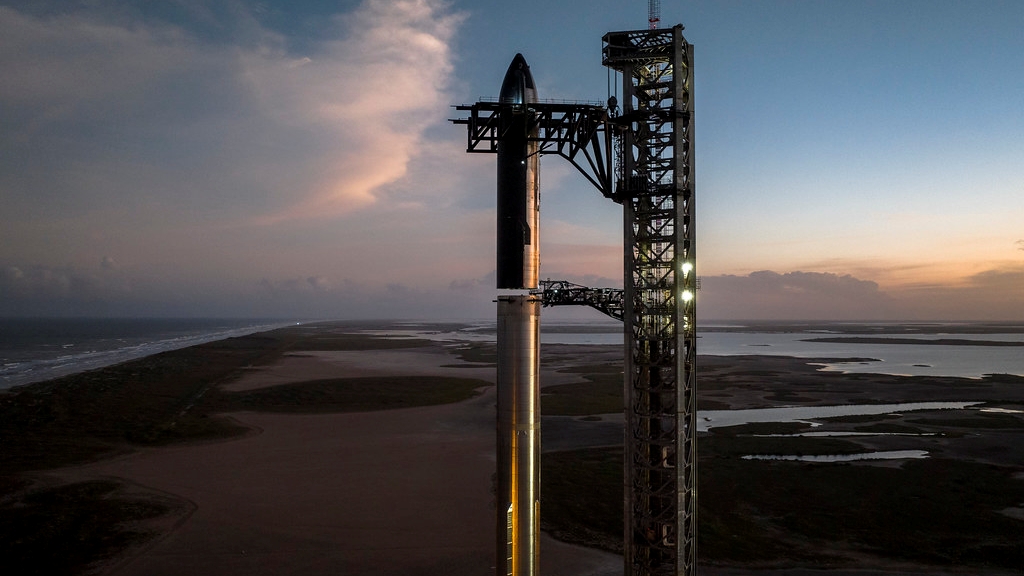
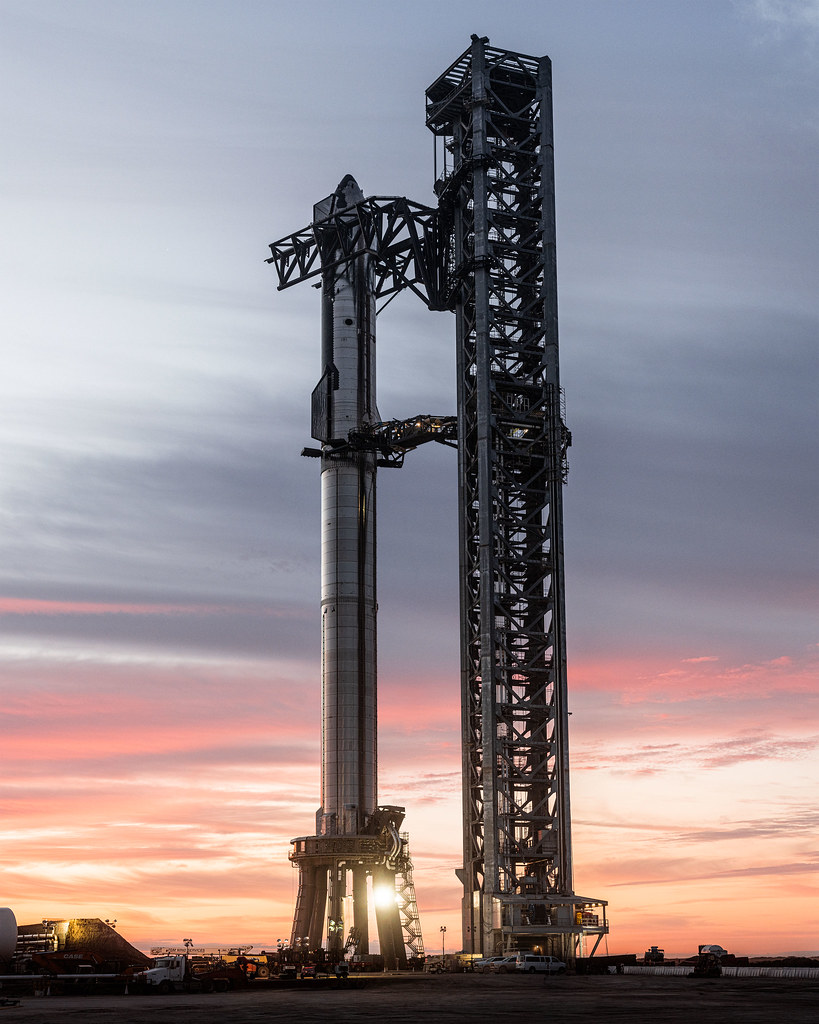
The story of SpaceX is one of bold ambition and rapid iteration. Under the leadership of Elon Musk, the company has transformed the space-launch industry through its reusable-rocket architecture. Now, the next leap is the third major configuration of the Starship system — the so-called Starship V3.
Yet despite the excitement, the timeline that Musk originally laid out—that V3 should be built, tested, and maybe flown by the end of this year—is now looking increasingly unlikely. Based on the latest technical updates and public commentary, significant hurdles remain. The question isn’t whether Starship V3 is coming, but when and under what conditions.
In this blog post we’ll dive into what’s really going on behind the scenes, explore why the maiden launch of V3 seems likely to slip into next year, and outline what SpaceX must do to regain pace.

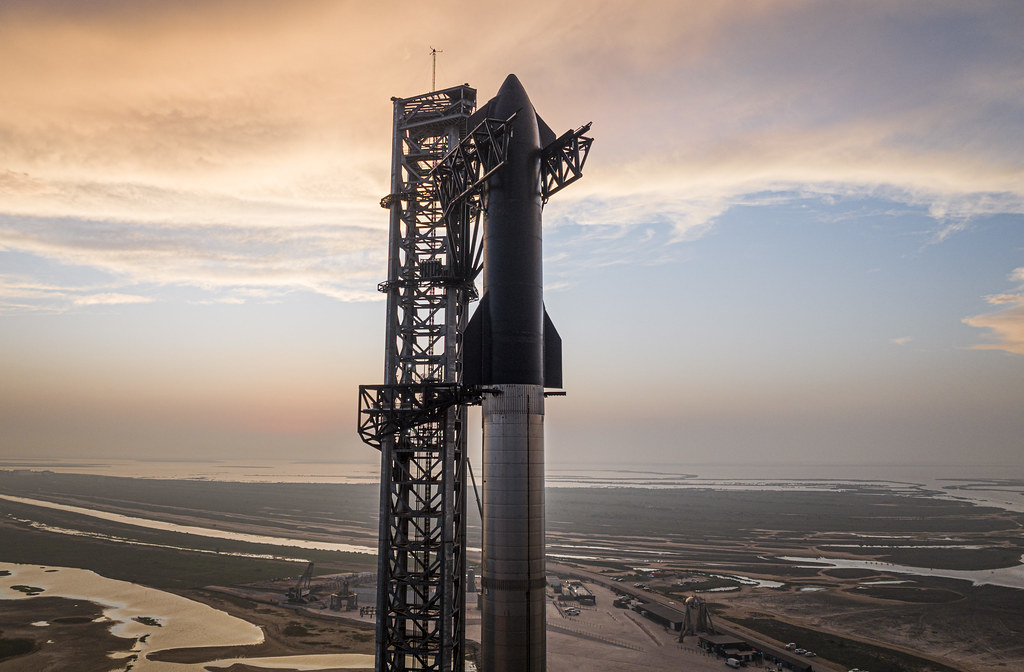
The Vision: Starship V3 and Beyond
Bold Targets, Bigger Ambitions
In late August, Elon Musk offered a roadmap that placed the Starship V3 as the next milestone. According to Musk:
- V3 should be built and tested — maybe flown — by the end of this year. Benzinga+2TeslaNorth.com+2
- The subsequent version, V4, is targeted around 2027, standing at nearly 150 m tall and weighing roughly 7,500 tons. India Today+2NextBigFuture.com+2
These statements confirm that SpaceX has clear ambitions: to escalate size, payload, and ultimately reuse to levels required for missions to the Moon, Mars, and beyond.
What the Upgrades Would Include
The upgrade from V2 to V3 isn’t just about more height or volume; it includes a host of structural, propulsion, and operational upgrades:
- Use of the new-generation Raptor 3 engines, designed for higher performance. Gadgets 360+1
- Structural changes to the vehicle, including modifications to the booster (Super Heavy) and the upper stage. TechCrunch+1
- Targeted capabilities like orbital refueling, docking and tanker-mode missions. NextBigFuture.com+1
All of this makes V3 not simply the next iteration, but a pivot toward operational missions and high-cadence reuse.
Why the Timeline Is Slipping
Despite the ambition, multiple factors combine to slow progress. Let’s break them down.
1. Prototype Build & Integration Delays
One of the critical components is the first prototype of Starship V3 (often referenced as Ship 39) plus its booster (Booster 18). Based on reported build timelines:
- The nose cone of Ship 39 was seen only by mid-September, with just a few tiles attached. Since then, no new publicly-confirmed photos or updates have surfaced.
- Given the scale of modifications from V2 to V3, integration and stacking of major components will likely take longer than typical.
Estimating build times: even if all parts were ready in early October, final assembly might only finish by mid-November at best. Then comes testing, static fire, rollout, launch-pad integration — which easily pushes things into December or later.

2. Engine Production Bottleneck
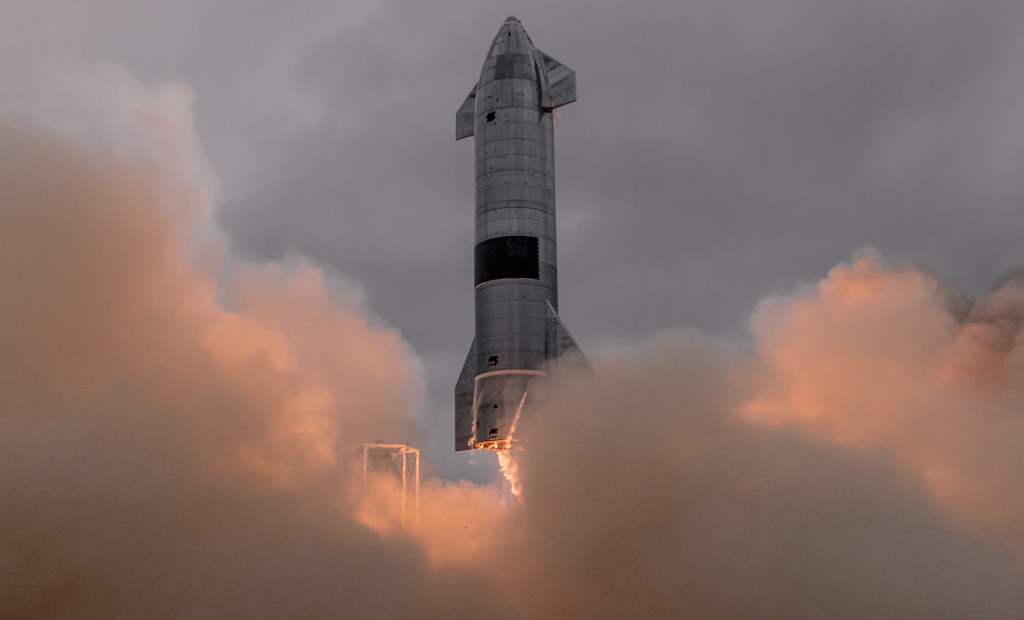
A major “big problem” is engine supply: Raptor 3 production. Publicly reported observations:
- The highest numbered Raptor 3 spotted at the McGregor site is SN29. Vacuum variant highest is SN8.
- Each Starship mission requires 39 engines (33 for the booster + 6 for the upper stage, of which 3 are vacuum-optimized).
This raises doubts whether production has scaled to the needed level for a V3 launch this year. Even though Raptor 3 is designed to be simpler and built with more modern methods, the limited public sightings suggest production is still catching up.
3. Testing Infrastructure & Launch Pad Readiness
Upgraded infrastructure is required for V3:
- The prior explosion of a prototype damaged the launch-site infrastructure (the Massie site). SpaceX has been upgrading to host V3 static-fires. But status of readiness remains unclear.
- The new launch pad (Pad 2) is still under construction. Even when ready, it will require full testing before operational status — which even for Pad 1 took about two years from completion to first flight. TeslaNorth.com
Therefore, even if the rocket is ready, the ground systems may not be.
4. First-of-Kind Risks and Integration Surprises
The first vehicle of a major new version (V3) always brings surprises. Structural modifications, new engines, changed recovery profiles — any of these can surface new issues: tank leaks, vibration problems, software bugs, unusual load paths, etc. While SpaceX thrives on rapid iteration, these “unknown unknowns” introduce schedule risk.
What SpaceX Needs to Do to Accelerate
Despite the challenges, there are clear actions that will help SpaceX regain momentum and keep the V3 timeline realistic.
Prioritise Prototype Assembly & Early Testing
- Accelerate stacking of Ship 39 by ensuring all major sections are moved to Mega Bay 2 immediately.
- Move quickly into cryogenic pressure testing and static-fire sequences as soon as integration completes.
- Stack Booster 18 and get its quick-disconnect system and early tests completed in tandem.
If both ship and booster progress together, that helps compress the campaign.
Ramp Engine Production Significantly
- Increase Raptor 3 output at McGregor and explore establishing a new engine production site in Florida (near Cape Canaveral). This reduces transport time, supports launch cadence, and eases pressure on a single site.
- Target multiple engines per day output for future flights — because high-cadence launches require high engine throughput.
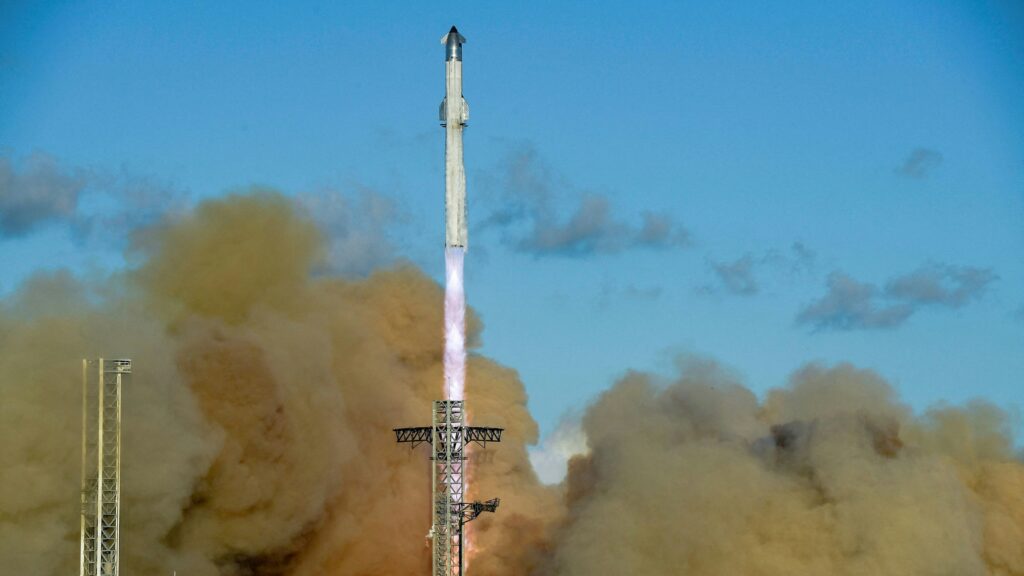
Finalise Ground Infrastructure & Pads
- Ensure the static-fire stand at Massie (or whatever the upgraded facility is) is fully functional, including the flame trench and other upgrades.
- Complete Pad 2 construction and perform system checks, water-deluge tests, and mechanical system validation. Even if V3 launches initially from Pad 1, Pad 2 readiness supports future cadence.
Balance Speed with Reliability
- Maintain a tight schedule but avoid rushing undue shortcuts. The first V3 flight must still meet high reliability standards — problems now will cascade into future delays.
- Use data from V2 flights to quickly iterate but don’t skip critical testing simply to meet a calendar target.
Implications of a Delay
If Starship V3 doesn’t fly this year, what does that mean? The ripple effects are significant.
Impacts on Program Cadence
- A delayed V3 maiden flight means fewer launches this year → less data gathered → slower learning cycles.
- A gap (for example, a 2.5-month lull after Flight 11) would be wasteful for a program targeting high cadence.
Impacts on Future Milestones
- Milestones like orbit insertion, ship recovery/catch, orbital refueling, and crew-capable variants will push out.
- For example, the Artemis III lunar-landing program (with Starship as HLS) and the long-term Mars-mission plan both depend on a timely Starship progression.
Strategic & Competitive Impacts
- Delay gives more room to competitors or causes contract/partnership risk for SpaceX.
- Internally, slips could affect budget forecasts, investor confidence, and production planning.
Current Status: Reality Check
Here’s a snapshot of where things stand:
- V2 era appears to be wrapping up. Flight 11 of Starship used a V2 design; SpaceX says the next phase focuses on V3. Gadgets 360+1
- Musk’s public target for V3 was “built & tested, maybe flown by end of this year.” The inclusion of “maybe” signals some internal doubt. Benzinga+1
- Multiple reports suggest heavy flight activity for V3 is targeting 2026 rather than 2025. TeslaNorth.com+1
- Engine production (Raptor 3) and pad/infrastructure readiness remain key bottlenecks.

Conclusion
The upcoming Starship V3 launch is a pivotal moment for SpaceX. If successful, it would mark a major step toward the company’s larger visions of lunar landings, Mars missions, and high-cadence orbital operations. But ambition alone doesn’t guarantee schedule. The factors identified above — prototype build complexity, engine supply, ground-infrastructure readiness, and integration risk — all present genuine obstacles.
SpaceX is still very much on track to get there, but the timeline is shifting. Flying V3 before the end of this year is increasingly unlikely, and the more realistic target is early 2026. That said, surprises happen in this business, and SpaceX has a history of defying expectations.
One thing remains clear: every month counts. For a program as aggressive as Starship, lost time equates to lost opportunities. The next few months will be critical for SpaceX to demonstrate it can accelerate from prototype to reliable launch system without losing momentum.
If you’re following this story, keep an eye on engine production numbers, ship stacking progress at Starbase, static-fire test announcements, and pad-2 readiness. Those will be the early indicators of whether V3 can still make a late-2025 flight—or whether we’re setting up for a new timeline.
FAQs
1. What is Starship V3?
Starship V3 is the next-generation version of SpaceX’s fully reusable rocket system. It succeeds Starship V2 and introduces major upgrades in structure, engines, and efficiency. The V3 version is designed to handle more payload, enable faster reuse, and bring the company closer to its long-term Mars and Moon mission goals.
2. Why is the first flight of Starship V3 delayed?
The delay is mainly due to slow production of Raptor 3 engines, extended prototype integration time, and launch pad readiness issues. Since V3 features many design upgrades, SpaceX needs extra testing to ensure safety and reliability.
3. What did Elon Musk say about the Starship V3 timeline?
Elon Musk initially said that V3 should be “built and tested, maybe flown by the end of this year.” However, the word “maybe” indicated internal uncertainty. As of now, most analysts expect the maiden V3 launch to occur in early 2026.
4. How does Starship V3 differ from Starship V2?
Starship V3 includes:
- New Raptor 3 engines with simplified design and higher thrust.
- Reinforced structure for greater payload and reusability.
- Improved thermal protection tiles and fuel systems.
- Refined avionics and flight software for better precision during reentry and landing.
5. What is the biggest challenge SpaceX faces with Starship V3?
The biggest challenge is scaling up production of Raptor 3 engines. Each flight requires at least 39 engines, and only around 30 have been publicly confirmed so far. Without a faster production rate, SpaceX can’t maintain its desired launch cadence.
6. What are Raptor 3 engines, and why are they important?
Raptor 3 engines are the third generation of SpaceX’s methane-fueled rocket engines. They’re designed for higher thrust, lower cost, and simplified manufacturing. They’re critical to making Starship reusable and economically viable for long-term deep-space missions.
7. How many Raptor 3 engines does one Starship V3 need?
Each Starship V3 flight uses 39 Raptor 3 engines in total — 33 on the Super Heavy booster and 6 on the Starship upper stage, with 3 optimized for vacuum operations.
8. When could we realistically expect the first Starship V3 flight?
Based on current observations and infrastructure status, the first V3 launch is expected in early 2026. However, if SpaceX accelerates engine production and completes pad upgrades sooner, a late-2025 flight is still possible.
9. What is Ship 39 and Booster 18?
Ship 39 is believed to be the first prototype of Starship V3, while Booster 18 is its matching Super Heavy booster. Together, they’ll form the first full-stack configuration of the V3 system for flight testing.
10. What are the main upgrades in Starship V3 infrastructure?
- A new static-fire stand with a flame trench at the Massie site.
- A new launch pad (Pad 2) with stronger chopsticks and improved deluge systems.
- Upgraded cryogenic tanks and quick-disconnect arms for faster turnaround between launches.
11. What happens if SpaceX doesn’t launch V3 this year?
If the V3 flight slips to 2026, it would create a multi-month testing gap, slowing down data collection and development for future missions like orbital refueling and Starship HLS for NASA’s Artemis program.
12. How does Starship V3 affect NASA’s Artemis program?
NASA’s Artemis III mission, which will land astronauts on the Moon, relies on the Starship Human Landing System (HLS). Delays in V3 testing could push back the timeline for developing and certifying the HLS variant.
13. How tall and heavy will Starship V3 be?
Starship V3 will stand around 120 meters tall, with future versions like V4 expected to reach nearly 150 meters and weigh about 7,500 tons, making them the most powerful rockets ever built.
14. What is SpaceX doing to fix Raptor 3 production issues?
SpaceX is working to expand production capacity, potentially by building a new engine facility in Florida near Cape Canaveral. This would complement McGregor’s output and streamline logistics for East Coast launches.
15. How do Starship delays impact Mars mission plans?
Every delay in Starship testing slows down Musk’s long-term goal of colonizing Mars. The company needs multiple successful Starship flights before even an uncrewed Mars mission can be attempted, so a V3 slip may push that schedule further into the 2030s.
16. When will SpaceX reach full Starship operational capability?
If testing of V3 begins in early 2026 and progresses well, operational missions could start by late 2026 or early 2027, aligning with Musk’s forecast for Starship V4 and sustained launch cadence from both Starbase and Cape Canaveral.
Read More:
- xAI’s Grokipedia goes live, gets praise from Wikipedia co-founder
- Tesla prepares for full-throttle manufacturing of major product
- The truth about Tesla ‘Mad Max’ mode from an actual user
- Tesla board chair reiterates widely unmentioned point of Musk comp plan
- Elon Musk’s Tesla Pi Pad Just Revealed! TRUTHS 7 SHOCKING Features You Need To Know HERE