


SpaceX has done it again. Elon Musk and his team have rolled out a massive upgrade to the Raptor 3 engine, which was already known as the world’s most powerful and stable rocket engine. The industry is stunned—and for good reason.
In this post, we’ll break down the jaw-dropping updates to Raptor 3, explore how SpaceX is preparing for Starship Block 3 launches, and look at how competitors like China and Europe are scrambling to catch up.
Let’s dive in.
Raptor 3: The Evolution of a Titan
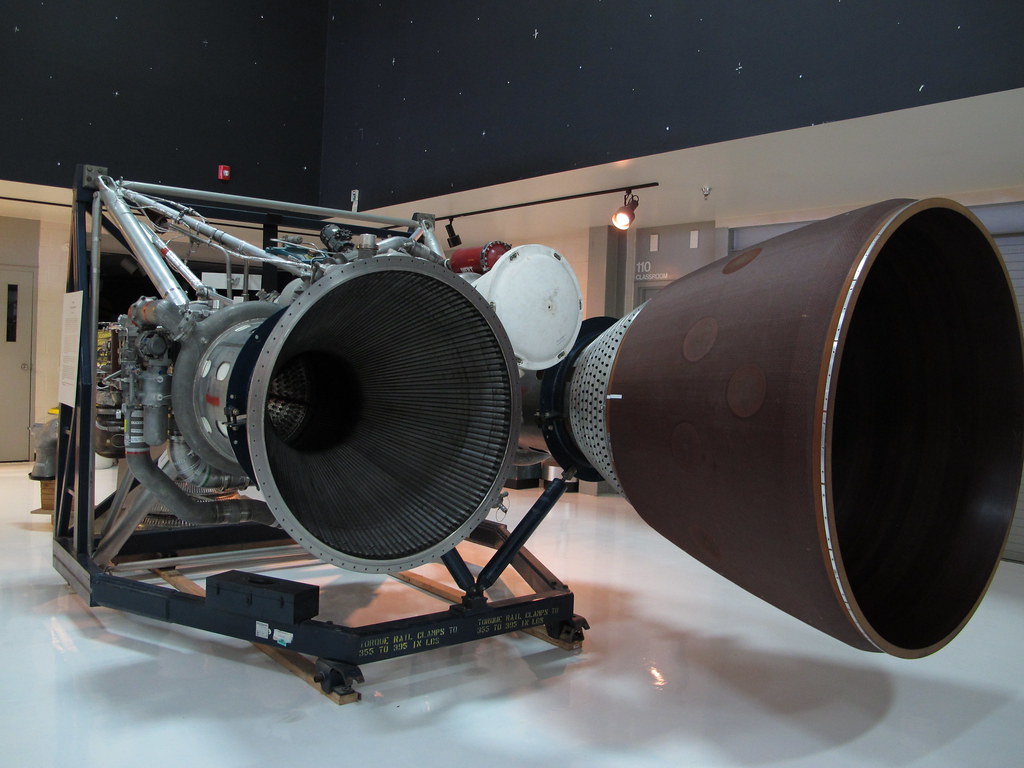
Just a few days ago, a rare photo surfaced from inside SpaceX’s Star Factory. It showed Raptor 1, Raptor 2, and Raptor 3 lined up side-by-side—a clear sign that a new era is beginning. Elon Musk hinted that Raptor 3 will take center stage in Starship’s future.
So, what exactly changed?
Visible Upgrades in Raptor 3 SN20
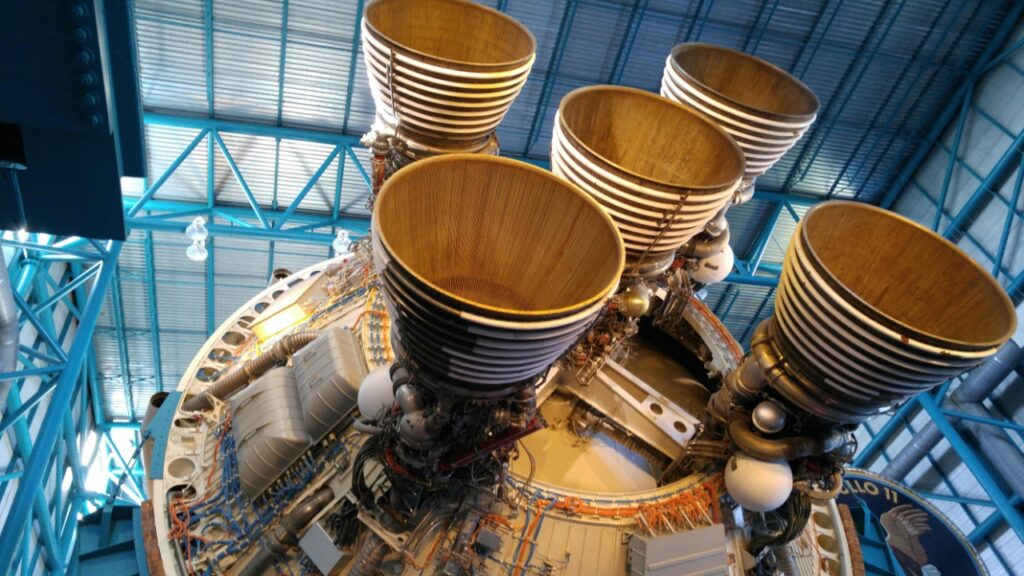
SpaceX engineers have been hard at work, and Raptor SN20 offers a glimpse into three major upgrades:
- Protective Collar on Methylox Feed Line
A gray collar now shields the critical joint from high-frequency vibrations. Considering Raptor 3 generates up to 280 tons of thrust, this is a big deal. - Metal Enclosure for the Turbo Pump
The methane turbo pump area is now enclosed, giving the engine a cleaner and more robust appearance. - Welded Joints Instead of Bolted Flanges
Musk called the old bolted flange “ugly, unreliable, and heavy.” Welding makes the connection stronger, lighter, and leak-proof. However, welding requires high-precision techniques, especially when working with metals like copper alloys and Inconel.
Explosion at McGregor: Catalyst for Change
In May, a Raptor 3 test at SpaceX’s McGregor facility ended in a fiery explosion. Though alarming, this event may have been part of a stress test—pushing the engine toward 300 tons of thrust.
According to insiders, SpaceX ran 24 engine burns in a single week at McGregor in early August. One highlight was a 201-second test burn, the longest for Raptor 3 at the time.
Why Mixing Methane and Oxygen Is Tricky
Elon Musk said it himself:
“Very complex startup sequence. Insane timing precision is needed to avoid blowing up the engine.”
That’s because Raptor 3 uses a full-flow staged combustion cycle, requiring two pre-burners and a perfectly balanced methane-to-oxygen ratio.
What Happens When the Mix Is Off?
- Too much oxygen = Overheating → Meltdown
- Too much methane = Incomplete combustion → Residue or mini explosions
- Pressure oscillations = Violent shaking → Structural failure
- Hard starts = Instant explosion
Despite the risks, SpaceX’s new upgrades make these failures less likely, improving both safety and efficiency.
When Will Raptor 3 Fly?
All signs point to late 2025 as the launch window for the first Raptor 3-equipped Starship, possibly as early as October or November.

Here’s What We Know So Far:
- Ship 39 (first known Block 3 vehicle) has already begun assembly.
- Raptor 3 SN29 was seen at McGregor in August, suggesting around 30 engines are ready.
- A full Starship needs 39 engines: 33 for Superheavy and 6 for the upper stage.
That means we’re on track to see Block 3 fly this year.
European Competition: Meet the Typhoon Engine
Europe is not sitting idle.
The German-led “Exploration Company” has unveiled Typhoon, a rocket engine using the same full-flow staged combustion as Raptor.
Typhoon Engine Specs:
- 250 tons of thrust (20 more than Raptor 2)
- Developed in partnership with DLR and CNES
- Underwent 16 hot fire tests with stable burns up to 85 seconds
- Uses liquid methane and oxygen
While impressive, Typhoon is still in early testing and hasn’t been assigned to any rocket. Its performance also hasn’t surpassed Raptor 3—yet.
China Enters the Game: Mammoth 1 and Glacier 1
China is doing what it does best—copying American innovation.
Mammoth 1: China’s Answer to Raptor 3
The Mammoth 1 engine, built by Chinese startup Arcteryx, looks shockingly similar to Raptor 3:
- Uses full-flow staged combustion
- Fueled by methane and liquid oxygen
- Lightweight at 1.3 tons (vs. Raptor 3’s 1.5 tons)
- Claimed 163 tons of thrust, far less than Raptor 3’s 280
However, it falls short in key areas:
- Lower thrust
- Lower specific impulse (326 sec vs. Raptor’s 350+ sec)
- Incomplete technology replication
It’s clear that Mammoth 1 is a work in progress, and Raptor 3 remains the superior engine—for now.
Glacier 1: A Mini Starship?
The Mammoth 1 will power Glacier 1, a new Chinese rocket with features eerily similar to SpaceX’s Starship:
- Built from stainless steel
- Uses hot staging like Starship V3
- First stage resembles Falcon 9
- Claims to lift 40 tons to orbit
- Features foldable landing legs and grid fins
With a total height of 92 meters, Glacier 1 might seem competitive, but cost per kg to orbit is still higher than Musk’s goal of $100 or less.

SpaceX Just Keeps Winning
While others are racing to catch up, SpaceX is pulling further ahead.
Latest Milestones:
- 33rd cargo delivery to the ISS via Dragon
- Over 5,000 lbs of supplies delivered, including 1,500 tortillas
- This mission marked the 50th Dragon flight to the station
- Included advanced 3D printing experiments in microgravity
ISS Reboost with SpaceX
Even NASA is leaning harder on SpaceX:
- September 3rd, 2025: Cargo Dragon fired thrusters for 5 minutes and 3 seconds, raising the ISS by 16 km
- This is critical as Russia may exit ISS operations by 2028
- Dragon’s propulsion system may take over regular orbital maintenance
Future of Deorbiting: SpaceX Selected for $843M NASA Contract
In a massive vote of confidence, NASA has selected SpaceX to build the U.S. Deorbit Vehicle (USDV) for the ISS.
USDV Specs:
- Based on Dragon capsule
- 46 Draco thrusters (16 for attitude, 30 for maneuvers)
- Will safely deorbit the ISS around 2030
This mission underscores SpaceX’s reliability and technological superiority.
So Can China and Europe Really Compete with SpaceX?
Not yet.
Let’s Compare:
| Feature | Raptor 3 | Typhoon (Europe) | Mammoth 1 (China) |
|---|---|---|---|
| Thrust | 280 tons | 250 tons | 163–177 tons |
| Weight | 1.5 tons | Not specified | 1.3 tons |
| Specific Impulse | ~350 sec | ~330 sec | 326 sec |
| Engine Cycle | Full-Flow | Full-Flow | Full-Flow |
| Launch Ready? | Yes (2025) | No (2026+) | No (2026+) |
SpaceX is flying missions, building version 3 rockets, and already preparing for Mars. Others are still testing prototypes.
Conclusion: Raptor 3 Is a Game-Changer
The upgrades to Raptor 3—from improved vibration damping to stronger welded joints—show that SpaceX is not just iterating, but innovating at a level that’s leaving the rest of the world scrambling to catch up.
With Starship Block 3 expected to fly before year’s end, and China and Europe still in early development, it’s clear:
Elon Musk’s SpaceX has redefined the future of rocketry… again.
FAQs
1. What is Raptor 3?
Raptor 3 is the latest generation of SpaceX’s methane-fueled rocket engine, designed for use on Starship. It features major upgrades over Raptor 2, including increased thrust, improved structural integrity, and greater stability during startup.
2. How much thrust does Raptor 3 produce?
Raptor 3 produces up to 280 tons of thrust, making it the most powerful operational methane-fueled engine in the world.
3. What are the key upgrades in Raptor 3?
Key upgrades include:
- A welded joint replacing the bolted flange
- Protective collars for vibration resistance
- A metal enclosure for the methane turbo pump
- Lighter and stronger structural improvements
4. Why did Raptor 3 explode during testing?
A test at McGregor in May likely involved intentionally pushing the engine to its limits, possibly reaching 300 tons of thrust or using a modified methane-oxygen mix ratio. The explosion helped SpaceX identify weak points and improve engine design.
5. What is a full-flow staged combustion cycle?
It’s an advanced engine design where both fuel and oxidizer are fully gasified in separate pre-burners, then combined in the main chamber. This results in higher efficiency, more power, and lower wear on components.
6. Why does Raptor 3 use liquid methane and oxygen?
Liquid methane is cleaner-burning and easier to store for long-duration space missions like Mars. Combined with liquid oxygen, it enables reusable, high-efficiency propulsion systems.
7. What is the difference between Raptor 2 and Raptor 3?
Raptor 3 features:
- Higher thrust (280 vs. 230 tons)
- Improved welds for leak resistance
- Lower weight (1,525 kg)
- More robust startup reliability
8. When will Raptor 3 be used in flight?
Raptor 3 is expected to fly on Starship Block 3, potentially launching in late 2025 (October or November), following Flight 11 of the Block 2 series.
9. What is Starship Block 3?
Starship Block 3 is the next-generation version of SpaceX’s fully reusable launch system, designed to be powered entirely by Raptor 3 engines, with new upgrades in staging, structure, and performance.
10. How many Raptor 3 engines are needed for a full Starship?
A complete Starship needs 39 Raptor 3 engines:
- 33 on the Super Heavy booster
- 6 on the upper stage (Starship)
11. How many Raptor 3 engines has SpaceX built so far?
As of August 2025, SpaceX has reportedly built and tested about 30 Raptor 3 engines, including SN29.
12. Is any other country building a Raptor-style engine?
Yes. Germany (Typhoon engine) and China (Mammoth 1 engine) are developing similar full-flow staged combustion engines, but both are still in early stages.
13. What is the Typhoon engine?
The Typhoon engine is a German-made full-flow staged combustion engine being developed by the Exploration Company. It aims for 250 tons of thrust and is expected to debut around 2026.
14. What is Mammoth 1?
Mammoth 1 is a Chinese clone of Raptor 3, designed by the startup Arcte. It mimics many design elements but currently falls short in performance, producing only 163 tons of thrust.
15. What rocket will use Mammoth 1?
Mammoth 1 will power Glacier 1, a Chinese rocket that resembles a scaled-down Starship with Falcon 9-like features and stainless-steel construction.
16. How does Glacier 1 compare to Starship?
Glacier 1 is smaller (92 m vs. 120 m) and less powerful, with a payload capacity of 40 tons to orbit versus Starship’s potential 100+ tons. It’s designed to be reusable but is still in development.
17. What is the specific impulse of Raptor 3?
Raptor 3’s specific impulse is approximately 350 seconds, significantly higher than most engines in its class.
18. Will SpaceX’s Raptor 3 be used for missions to Mars?
Yes. Raptor 3 is specifically designed to power Starship, which is central to Elon Musk’s vision of colonizing Mars.
19. What is the USDV (U.S. Deorbit Vehicle)?
The USDV is a future spacecraft designed by SpaceX under an $843 million NASA contract to safely deorbit the International Space Station around 2030.
20. How is SpaceX helping the ISS maintain orbit?
SpaceX’s Dragon cargo ship recently completed a thruster burn to raise the ISS by 16 km, demonstrating its ability to help maintain orbits in the future.
Read More:
- Tesla gets another NHTSA probe, this time related to door handles
- Tesla rolls out new life-saving feature for kids in Europe
- Tesla launches Cybertruck orders in a new market with a catch
- Elon Musk confirms cryptic X post was related to SpaceX, not TSLA stock
- Elon Musk affirms Tesla commitment and grueling work schedule: “Daddy is very much home”