


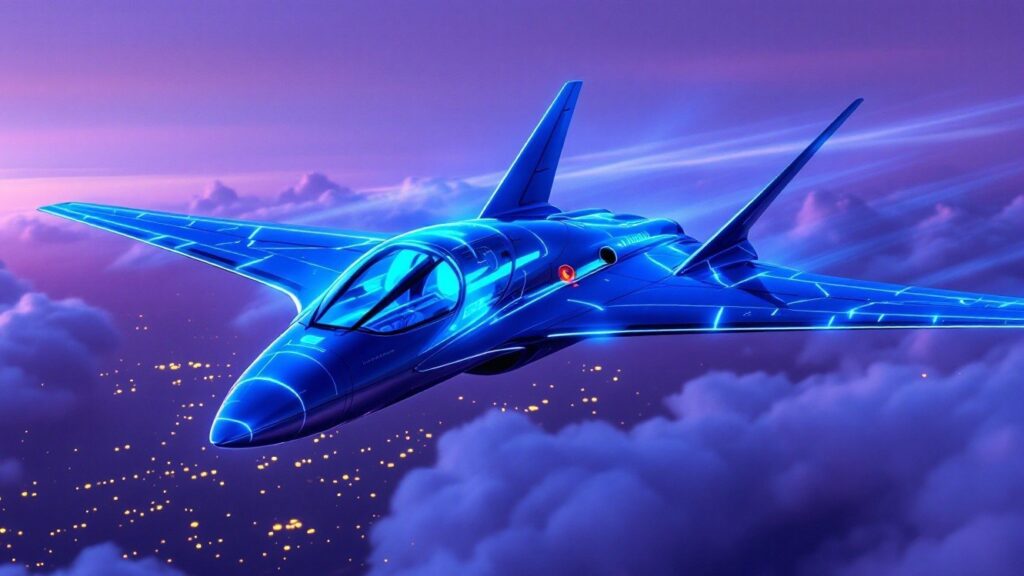
Get ready, because Elon Musk just shook the aviation world with seven shattering words:
“I’d actually love to make airplanes especially.”
But here’s the real bombshell—he didn’t stop there.
“I’ve actually thought about aircraft designs for a long time. Um, and I think there’s an interesting opportunity to make like an electric supersonic VTOL jet.”
And now, that once-theoretical vision has become a reality. The Tesla Super Electric Plane has officially landed—with an eyepopping starting price of just $79,597.
After years of legal red tape, finally cut through during the Trump administration, and growing public demand for sustainable air travel, Tesla has done the unthinkable. But this raises the big questions:
- How did Tesla solve the weight issue haunting electric planes for decades?
- How is this FAA-certified and ready for real skies?
- What’s the tech behind this game-changing $79K aircraft?
Let’s break it all down.

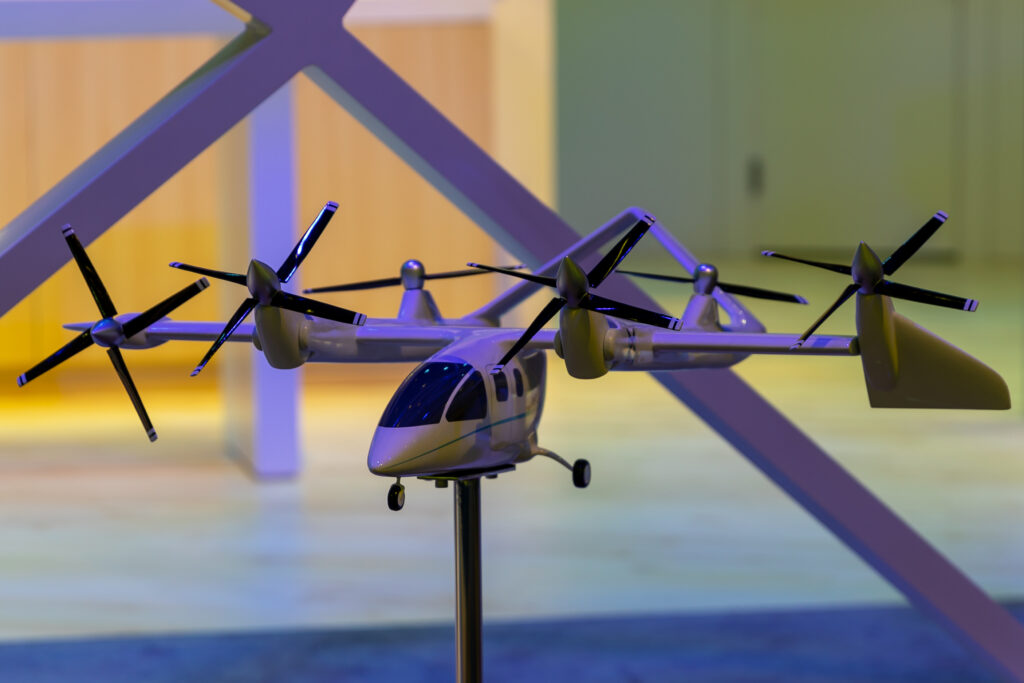
How Did Tesla Make This Plane So Affordable?
A Plane for Less Than a Luxury SUV?
You’re not dreaming. The 2026 Tesla Super Electric Plane costs just $79,597, which is cheaper than a loaded Ford F-150.
So, how did Tesla manage to do what Boeing and Airbus only dream of?
1. Gigafactory Expansion: Giga Airplant
Tesla expanded its Gigafactory model with the launch of the Nevada Giga Airplant, a production facility designed specifically for aircraft.
- Production capacity: 12,000 electric planes annually by 2027
- Giga Presses: Create entire fuselages in one go
- Assembly time reduced by: 65%
- Production costs cut by: 55%
This is the same tech that made the Tesla Model 2 a $25K phenomenon.
2. Next-Gen Aluminum Ion Batteries
Tesla’s breakthrough aluminum-ion battery—developed at the Gigafont facility—powers the aircraft:
- Cost per kWh: Just $45 vs. industry avg of $110
- 100 kWh pack savings: $6,500 per plane
- Range: 1,300 miles on a single charge
- Recyclability: 85% of battery materials reused
- Lithium cost reduction: 35%
These batteries are not only cheaper but also more powerful.
3. Skyshare Ownership Model
Tesla’s Skyshare system works like Airbnb for aircraft:
- Monthly cost: $4,500
- Shared ownership: Flight schools, businesses, adventurers
- Predicted market share: 22% of $15B US EVTOL market by 2030
This model drastically lowers the barrier to entry for electric aviation.
4. Dojo Supercomputer Optimization
Tesla’s Dojo AI, developed in Palo Alto, is optimizing:
- Material waste: Reduced by 75%
- Cost savings per plane: $18,000
- Market demand prediction: Enables Tesla to bulk-buy materials at low prices
- Further savings: 12%
All of this translates to a flying machine built with the precision of a Swiss watch—at a mass-market price.

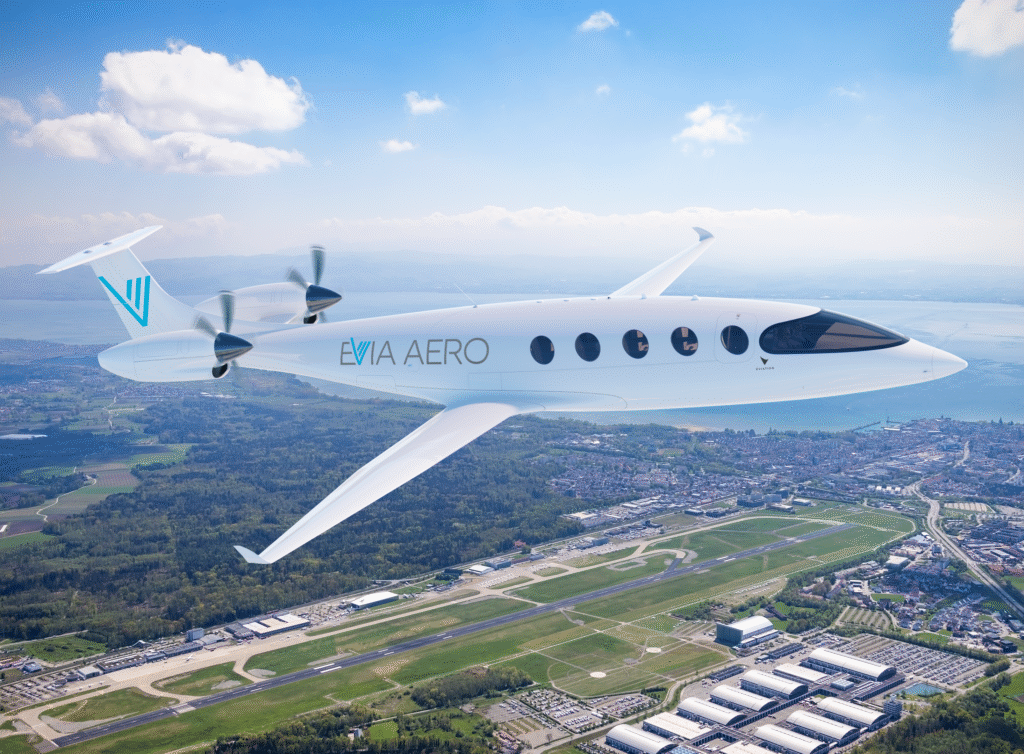
How Has Tesla Addressed the Weight & Structural Challenges of Electric Flight?
The Age-Old Problem: Battery Weight
Traditional electric planes are burdened by heavy batteries that don’t get lighter mid-flight like fuel-burning engines. Tesla tackled this with the Starvolt aluminum-ion battery, a marvel of modern engineering.
1. Starvolt Battery Specs
- Energy Density: 0.18 kWh/lb (60% more than lithium-ion)
- Battery Weight for 1,300 miles: Just 1,984 lbs
- Compared to others: 3,968 lbs – 50% weight cut
- Charge cycles: 2,500 full cycles
- Charge speed: 5x faster than standard EV batteries
2. Aerospace-Grade Lightweight Frame
With help from SpaceX’s Nevada team, Tesla built a carbon fiber airframe:
- Weight savings: 25% lighter than aluminum
- Chassis design: Inspired by Cybertruck’s exoskeleton
- Landing gear stress: Reduced by 30%
- Landing impact: Slashed by over 1,200 lbs
- Motors: Compact, high-output electric motors shave 331 lbs
3. Energy Recovery Tech
- During descent: Recaptures 18% of energy
- Battery weight reduction: ~220 lbs effective drop per landing
- Thermal system: Starvolt doesn’t need heavy cooling—saves another 265 lbs
4. AI-Driven Aerodynamics
Tesla’s AI controls:
- Wing flaps & motor output in real-time
- Lift boosted, drag reduced
- Structural strain down by 20%
This is flight technology designed to be smarter, lighter, and stronger than anything else in the skies.
How Has Tesla Tackled FAA Safety Regulations & Certification?
Meeting the Toughest Standards in the Sky
Tesla’s electric aircraft had to meet the FAA’s Part 23 certification—a notoriously rigorous process. And guess what? They’re not just meeting expectations—they’re exceeding them.
1. Starvolt Battery Safety
- Tested in extreme conditions:
- -58°F to 176°F
- Withstood 12 G-forces
- Passed without failure
- Non-flammable: 99.8% fire-resistant aluminum-ion chemistry
2. Redundancy & Emergency Systems
- Dual Starvolt battery packs: 1,984 lbs each
- Quadruple-redundant flight controls: Operates safely even with two system failures
- Dojo AI co-pilot:
- Predicts turbulence & collisions
- 85% better accuracy than human pilots
3. Safety Engineering Built-In
- Tesla Glass cockpit shield: Withstands 5x the plane’s weight
- Kevlar-reinforced battery casing: Absorbs 50% more crash impact
- FAA certification target: Q3 2026
- Investment: $15B into U.S.-based safety and testing centers
- Jobs created: 5,000+
If you’re wondering if it’s safe — Tesla’s tech screams yes.

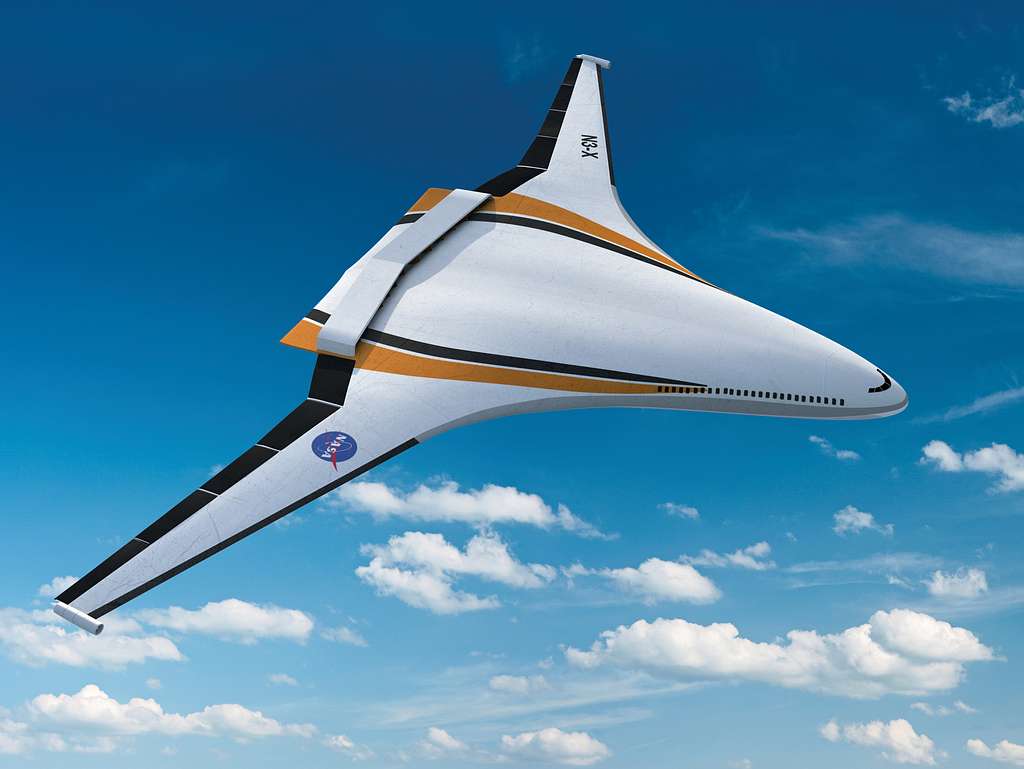
How Does Tesla Tackle Real-World Operational Challenges Like Oxygen Supply and Flight Practicality?
Oxygen at 30,000 Feet? Covered.
Electric planes have to do a lot more than fly. They have to keep passengers alive, comfortable, and connected.
1. Cabin Pressure & Oxygen Supply
- Cabin pressure: Maintained at 8.5 PSI (10% higher than most commercial planes)
- Oxygen backup:
- Triple redundant oxygen generators
- Backed by Starvolt fast-discharge cells
- Emergency supply: 40 minutes (FAA only requires 15)
2. Satellite-Connected Cockpit
- Starlink integration:
- Real-time weather updates
- Navigation precision
- Flight delay reduction: 25%
3. Charging & Flight Range
- Tesla Mega Chargers:
- Adapted from Tesla Semi
- 80% recharge in 30 minutes
- Flights per day: 4 to 5
- Range: 1,300 miles—covers 97% of all U.S. domestic routes
4. Urban Mobility with VTOL
- Vertical Takeoff and Landing:
- Land in helipads or rooftops
- Cut travel time by 60%
- Bypass airports completely
This isn’t just a plane—it’s an electric, AI-powered personal air system that fits in your urban life.
Final Thoughts: The Revolution Is Ready for Takeoff
Tesla’s 2026 Super Electric Plane isn’t just a prototype. It’s a fully-engineered, safety-certified, economically-viable aircraft ready to reshape aviation.
Let’s recap what makes it special:
✅ Price: $79,597—cheaper than a high-end SUV
✅ Range: 1,300 miles on a charge
✅ Batteries: Non-flammable, fast-charging Starvolt aluminum-ion
✅ Manufacturing: USA-based Giga Airplant + SpaceX expertise
✅ FAA Certification: On track for 2026
✅ Ownership: Skyshare model democratizes flying
✅ Sustainability: 85% battery recycling + AI waste reduction
✅ Urban Access: VTOL capability for helipads and rooftop landings
This isn’t a dream—it’s a revolution that’s been built, tested, and priced for the masses.

💬 Want to Join the Future of Flight?
Drop a comment below with the keyword: $79,597 if this blew your mind.
Or type Starvolt if you believe Tesla just changed aviation forever.
Or better yet, type Tesla did it if you’re ready to fly electric by 2026.
FAQs
1. What is the Tesla Super Electric Plane?
The Tesla Super Electric Plane is Elon Musk’s latest innovation—a vertical takeoff and landing (VTOL) electric aircraft powered by next-gen Starvolt aluminum-ion batteries. It’s designed for affordable, sustainable, and high-performance air travel.
2. How much does the Tesla electric plane cost?
The starting price is $79,597, making it cheaper than most luxury SUVs. This revolutionary pricing puts electric flight within reach for individuals, businesses, and flight schools.
3. What is the range of Tesla’s electric plane?
The plane can fly up to 1,300 miles on a single charge. That covers 97% of all U.S. domestic routes, including major city-to-city flights like Los Angeles to New York.
4. What type of battery does the Tesla plane use?
Tesla’s plane uses the Starvolt aluminum-ion battery, which is:
- 60% lighter than lithium-ion alternatives
- 99.8% non-flammable
- Capable of 2500 full charge cycles
- Charges 5x faster than current EV batteries
5. How is the plane so affordable compared to traditional aircraft?
Tesla cut costs through:
- Giga Press manufacturing at the Nevada Giga Airplant
- Aluminum-ion batteries costing just $45 per kWh
- Dojo AI optimization to reduce waste
- Skyshare ownership model for shared usage
6. What is the Skyshare ownership model?
Skyshare is Tesla’s shared aircraft ownership system, allowing users to co-own and access the plane for just $4,500/month, splitting costs with others—like Airbnb, but for planes.
7. Does the Tesla plane support vertical takeoff and landing (VTOL)?
Yes, it’s a fully VTOL-capable jet, which means it can take off and land vertically, making it ideal for urban environments, rooftops, and helipads.
8. How fast can the plane recharge?
Using Tesla’s Mega Charger technology:
- The aircraft can recharge to 80% in just 30 minutes
- Enables 4–5 flights per day
9. Is the plane FAA certified?
Tesla is targeting FAA Part 23 certification by Q3 2026. The aircraft already passed early stress and fire safety tests, thanks to its non-flammable Starvolt batteries and quadruple-redundant systems.
10. How safe is Tesla’s electric plane?
Extremely safe. Key features include:
- Dual battery packs
- Quadruple-redundant flight controls
- Kevlar-reinforced battery casings
- Tesla Glass cockpit shield
- Advanced AI co-pilot system (Dojo)
11. Where is the Tesla plane manufactured?
The plane is built at the Nevada Giga Airplant, with parts and materials sourced across the USA, including:
- Texas (Tesla Glass, Mega Chargers)
- Nevada (Starvolt batteries, carbon airframes)
- Palo Alto (Dojo AI systems)
12. Can it replace regional flights and jets?
Yes. Its 1,300-mile range, low maintenance, and affordable pricing make it a strong competitor for regional jets, especially on U.S. domestic routes.
13. How does the plane handle oxygen supply and cabin pressure?
Tesla integrated electric compressors powered by Starvolt to maintain a cabin pressure of 8.5 PSI, which is 10% higher than traditional jets, offering a more comfortable ride. It also includes triple redundant oxygen systems.
14. Will the plane have Wi-Fi and navigation?
Yes. The aircraft is integrated with Starlink satellite internet, delivering:
- Real-time weather updates
- Advanced GPS navigation
- High-speed Wi-Fi during flights
15. When will the Tesla plane be available to the public?
Tesla plans to start deliveries in 2026, pending FAA certification. Production will scale to 12,000 units/year by 2027, prioritizing Skyshare members and early reservations.
16. How can I reserve or buy the Tesla Super Electric Plane?
While Tesla hasn’t opened public orders yet, you can sign up for updates on Tesla’s official website or join the Skyshare waitlist to be among the first to access the aircraft.
Read More:
- Elon Musk just Revealed Major Plan Change on Starship Catching…Here’s What Going On
- Tesla is making preparations to bring FSD to Japan and Thailand
- A Tesla Model Y L Robotaxi is a legitimate $47k Waymo killer
- More Tesla Cybercab equipment are arriving in Giga Texas
- Tesla Model Y Performance zips around Nurburgring with new features