


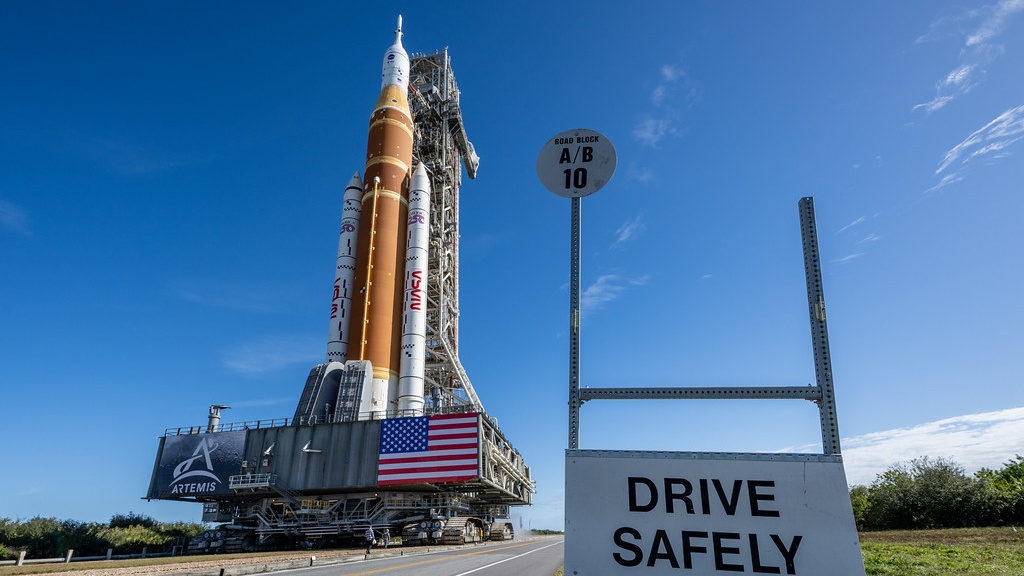
For decades, humanity looked up at the Moon as a distant, silent companion—visited briefly, then abandoned. The Apollo missions proved we could reach it, but not stay. What remained were footprints, flags, and unanswered questions. Today, that story is being rewritten in dramatic fashion. The vision has evolved from temporary exploration to permanent habitation. The goal is no longer to visit the Moon—it is to build a thriving, self-sustaining presence on it.
With the momentum generated by NASA’s Artemis program and the rapid advancements in reusable rocket technology, a new chapter in space exploration has begun. At the center of this transformation is Elon Musk, whose ambitious blueprint for a lunar city could redefine humanity’s future in space. This is not just about exploration—it is about expansion, industry, and survival beyond Earth.
The New Space Race: Scale vs. Speed
The space race of the 20th century was driven by political rivalry. It was about proving technological superiority and being the first to plant a flag. Today’s race is fundamentally different. It is not about who gets there first—it is about who can build and sustain the largest presence.

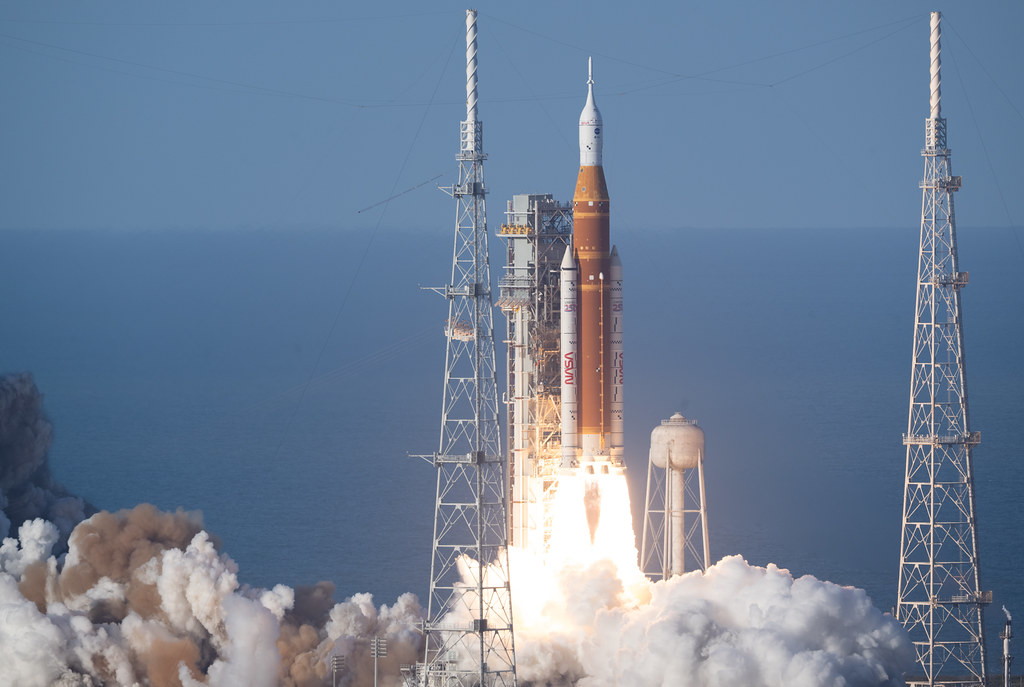
Three major players dominate this new competition: NASA, China, and SpaceX.
China is aggressively advancing its lunar ambitions with the Chang’e 7 mission, expected to launch around 2026. This mission includes an orbiter, lander, rover, and even a flying probe designed to explore the Moon’s surface and analyze its resources. It is not just exploration—it is preparation for a long-term base.
NASA, on the other hand, is focusing on a structured and collaborative approach through its Artemis program. By working with international and private partners, NASA aims to establish a sustainable human presence on the Moon.
But SpaceX is taking a radically different approach—one centered on scale and speed. Elon Musk’s vision is simple yet revolutionary: transport massive amounts of cargo to the Moon at unprecedented frequency. Instead of building slowly over decades, he proposes rapid expansion through repeated launches and reusable systems.
According to Musk, a self-growing lunar city could emerge in less than a decade. This timeline is significantly shorter than Mars colonization, which he estimates could take 20 years or more. The Moon, therefore, becomes the perfect testing ground—a stepping stone to deeper space exploration.
The Economics of the Moon: Breaking the Cost Barrier
The biggest obstacle to space colonization has always been cost. Traditional space missions are extraordinarily expensive, limiting how often and how much we can send beyond Earth.
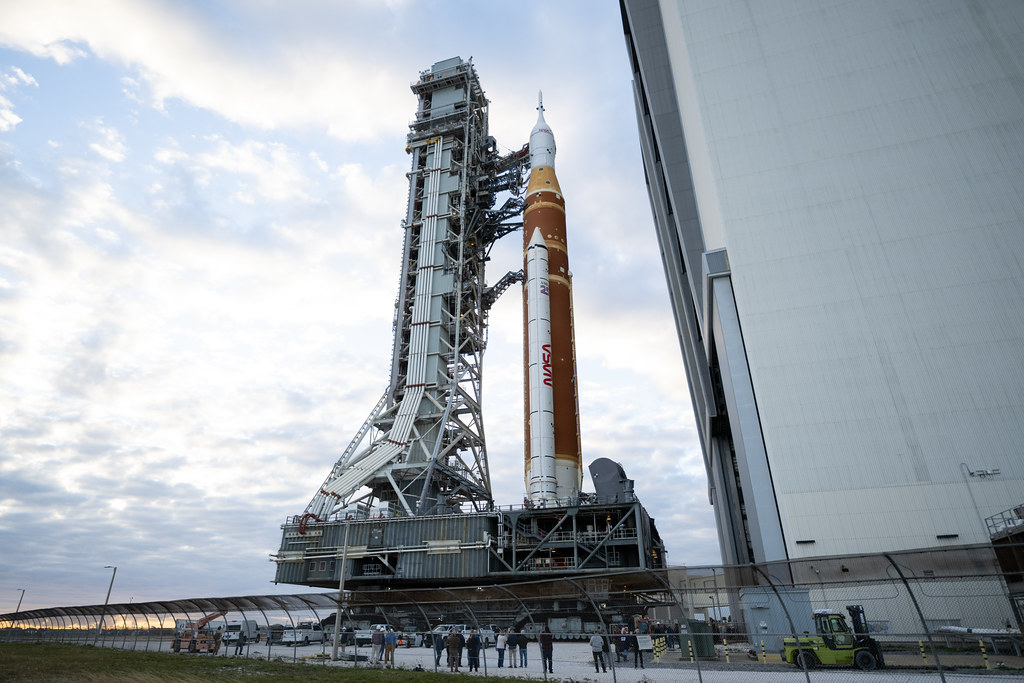
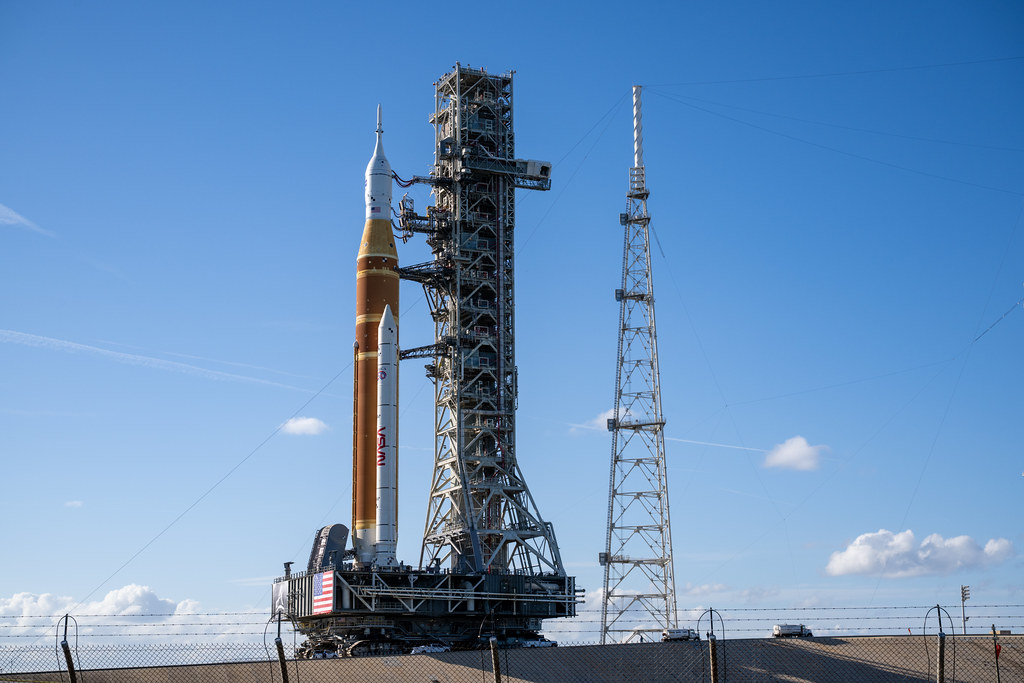
NASA’s Artemis program alone has reportedly cost tens of billions of dollars. The Space Launch System (SLS), while powerful, is not reusable and costs billions per launch. This makes frequent missions economically unsustainable.
The Starship Advantage
SpaceX aims to disrupt this model entirely with its Starship system—a fully reusable spacecraft designed to drastically reduce the cost of space travel.
- Ultra-Low Launch Costs: Musk has suggested that a fully reusable Starship launch could cost as little as $2 million.
- Massive Payload Capacity: Each flight can carry up to 100 tons of cargo.
- Dramatically Reduced Cost per Kilogram: This could bring transportation costs down to approximately $20 per kilogram.

This is a game-changer. For the first time in history, sending large quantities of material to space becomes economically viable.
Even more innovative is the concept of recyclable infrastructure. Instead of discarding spacecraft after use, SpaceX plans to convert landed Starships into functional habitats. This eliminates the need to send separate construction materials, saving both cost and time.
Imagine landing a spacecraft and turning it into a fully operational living module. This is not science fiction—it is a core part of the plan.
From Starship to City: The Construction Blueprint
Building a city on the Moon requires careful planning and execution. SpaceX’s strategy is divided into multiple phases, each designed to build upon the previous one.
Phase I: Uncrewed Validation
Before humans set foot on the lunar surface under this new program, a series of uncrewed missions will test critical technologies.
These missions will focus on:
- Autonomous landing in the Moon’s harsh environment
- Performance of landing systems in vacuum conditions
- Testing elevator systems for cargo and crew transfer
- Measuring the effects of radiation and extreme temperature variations
This phase is essential for ensuring safety and reliability before human arrival.
Phase II: Habitat Conversion
Once astronauts arrive, the focus shifts to creating livable environments.
Starships already on the Moon will be repurposed into habitats. A large portion of each spacecraft consists of propellant tanks, which can be converted into spacious living areas. These tanks will be modified with insulation, partitions, and life-support systems.
The result is a ready-made habitat that requires minimal additional construction.
This approach dramatically accelerates the process of establishing a human presence. Instead of building from scratch, astronauts will adapt existing structures for daily life.
Phase III: Infrastructure Expansion
After initial habitats are established, the next step is building permanent infrastructure.
This includes:
- Landing pads
- Roads
- Storage facilities
- Power systems
Transporting construction materials from Earth would be impractical, so the plan relies heavily on In-Situ Resource Utilization (ISRU)—using materials already available on the Moon.
Lunar Regolith as a строитель Material
The Moon’s surface is covered in a fine layer of dust and rock known as regolith. Scientists are developing techniques to transform this material into solid structures.
Using microwave or laser sintering, regolith can be melted and reshaped into bricks or panels. These materials can then be used to build roads, landing pads, and protective structures.
3D Printing on the Moon
Advanced 3D printing technologies will play a major role in construction. Robotic systems can print structures layer by layer using lunar materials, creating durable buildings without human intervention.
This method allows continuous construction, even in the harsh lunar environment.
Why the Moon Matters: Strategic Importance
A lunar base is not just about survival—it is about unlocking opportunities in science, industry, and economics.
The Science of Origins
The Moon is a geological time capsule. Unlike Earth, it has no atmosphere or active plate tectonics. This means its surface has remained largely unchanged for billions of years.
Studying lunar samples can provide insights into:
- The formation of the solar system
- The origin of Earth’s water
- The conditions that led to life
This makes the Moon an invaluable site for scientific research.
The Radio Silence Advantage
The far side of the Moon is completely shielded from Earth’s radio signals. This creates a unique environment for astronomical observations.
Radio telescopes placed on the far side could detect signals that are impossible to observe from Earth, including:
- Cosmic background radiation
- Signals from distant galaxies
- Potential signs of extraterrestrial activity
This could revolutionize our understanding of the universe.
A Resource Goldmine
The Moon is not just a scientific treasure—it is also rich in valuable resources.
Water Ice
Water ice has been discovered in permanently shadowed regions near the lunar poles. This resource is critical for sustaining human life.
Water can be split into:
- Oxygen for breathing
- Hydrogen for rocket fuel
This makes the Moon a potential refueling station for deep space missions.
Helium-3: The Energy of the Future
Helium-3 is a rare isotope found in abundance on the Moon. It is considered a potential fuel for nuclear fusion—a clean and highly efficient energy source.
Just one kilogram of Helium-3 could produce enormous amounts of energy, making it incredibly valuable. If fusion technology becomes viable, the Moon could become a key supplier of energy for Earth.

The Timeline: 2026–2030
The roadmap for building a lunar city is ambitious but surprisingly near-term.
- Mid-2027: First uncrewed Starship landing on the Moon
- Late-2028: First crewed mission under the new system
- 2028 and Beyond: Rapid expansion as launch frequency increases
As orbital refueling technology improves, the number of missions will grow, accelerating construction and development.
Challenges That Cannot Be Ignored
Despite the optimism, significant challenges remain.
Orbital Refueling
One of the most critical technologies required for this plan is orbital refueling. This involves transferring fuel between spacecraft in space—a process that has never been done at this scale.
Without it, long-duration missions and heavy cargo transport would not be possible.
Harsh Lunar Environment
The Moon presents extreme conditions:
- Temperatures ranging from extremely hot to extremely cold
- High levels of radiation
- Micrometeorite impacts
Protecting both humans and equipment will require advanced engineering solutions.
Financial and Political Factors
Government funding and policy decisions will play a crucial role. Budget constraints could slow progress, making partnerships between public and private organizations essential.
The Birth of a Cislunar Economy
What makes this vision truly transformative is its economic potential.
The Moon could become:
- A hub for space manufacturing
- A refueling station for interplanetary missions
- A center for scientific research
- A source of valuable resources
This emerging cislunar economy—the economic activity between Earth and the Moon—could redefine global industries.
Conclusion: From Dream to Reality
Elon Musk’s vision for the Moon is bold, disruptive, and unlike anything attempted before. It shifts the narrative from exploration to expansion, from temporary missions to permanent settlement.
By leveraging reusable technology, local resources, and rapid deployment strategies, SpaceX and its partners are laying the groundwork for a future where humanity is no longer confined to Earth.
If current timelines hold, the next decade could witness one of the most significant transformations in human history—the rise of a lunar city.
What was once a distant light in the night sky may soon become a bustling center of science, industry, and human life.
The age of living on the Moon is no longer a fantasy. It is approaching faster than anyone imagined.
FAQs
1. What is Elon Musk’s Moon base plan?
Elon Musk’s Moon base plan focuses on building a self-sustaining lunar city using reusable spacecraft, local resources, and robotic systems. Instead of short visits, the goal is to create a permanent human settlement on the Moon.
2. How will humans live on the Moon?
Humans will initially live inside converted Starship habitats. These spacecraft will be modified into livable spaces with insulation, oxygen systems, and compartments for daily activities.
3. What is Starship and why is it important?
Starship is SpaceX’s fully reusable rocket system designed to carry both cargo and humans. Its low cost and high payload capacity make it essential for building a Moon base quickly and efficiently.
4. How much will it cost to build a Moon base?
Traditional missions cost billions per launch, but Starship could reduce costs to around $2 million per launch, making large-scale lunar construction economically feasible.
5. When will the first Moon base be built?
Current projections suggest:
- 2027: First uncrewed missions
- 2028: First crewed missions
- Late 2020s: Early stages of a lunar base
6. Why is the Moon’s South Pole important?
The Moon’s South Pole contains water ice in permanently shadowed regions, which is crucial for drinking water, oxygen production, and rocket fuel.
7. What is ISRU and why does it matter?
ISRU (In-Situ Resource Utilization) means using materials already on the Moon. This reduces the need to transport resources from Earth, making the base more sustainable and cost-effective.
8. Can food be grown on the Moon?
Yes, food can be grown in controlled greenhouses using hydroponics or other advanced farming techniques. This is key for long-term survival.
9. What resources can be mined on the Moon?
The Moon contains valuable resources like:
- Water ice
- Helium-3 (for future nuclear fusion)
- Lunar regolith (for construction)
10. What is Helium-3 and why is it valuable?
Helium-3 is a rare isotope that could be used for clean nuclear fusion energy. It is extremely valuable and could revolutionize global energy production.
11. How will construction happen on the Moon?
Construction will rely on:
- 3D printing using lunar dust (regolith)
- Robotic builders
- Repurposed spacecraft as structures
12. What are the biggest challenges of living on the Moon?
Major challenges include:
- Extreme temperatures
- Radiation exposure
- Low gravity
- Micrometeorite impacts
13. How will astronauts deal with radiation?
Habitats will be protected using thick insulation and layers of lunar regolith, which act as natural radiation shields.
14. Why not go directly to Mars instead of the Moon?
The Moon is closer and easier to reach, making it an ideal testing ground for technologies needed for Mars colonization.
15. What is the future of the Moon base?
The Moon base could evolve into a major space hub, supporting:
- Deep space missions
- Scientific research
- Space industry
- A growing cislunar economy
Read More:
- Tesla’s golden era is no longer a tagline
- Tesla preps new Model Y trim for India, a once-elusive market
- Tesla just tipped its hand on a major Cybercab feature as production hits Plaid Mode
- Elon Musk Reveals Starship V3 for Artemis 3
- Elon Musk “Tesla Bot Gen 3 Will Become Waiter”, Optimus Complex Tasks Ready?