


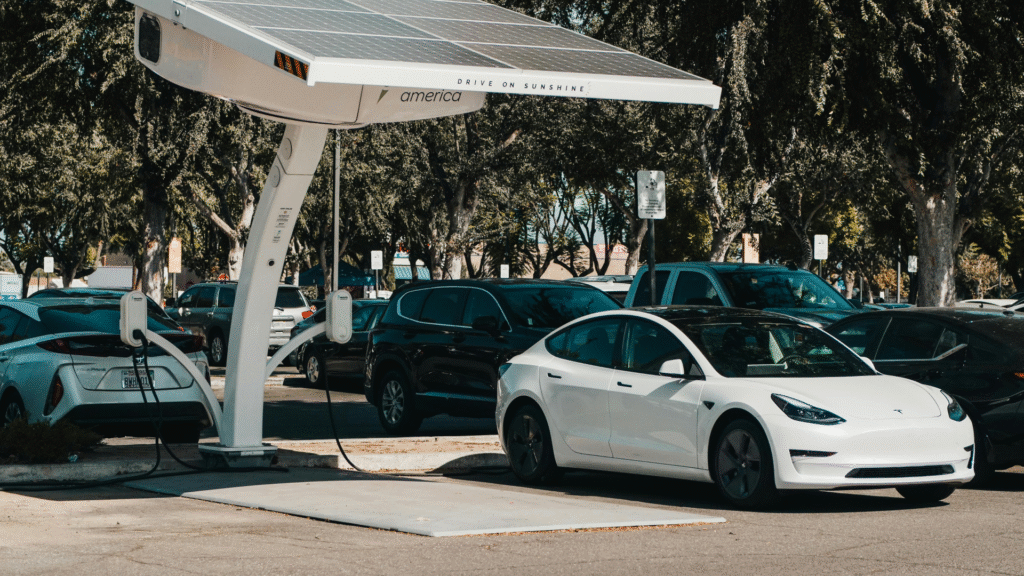
Electric vehicles (EVs) are revolutionizing the automotive world, but there’s one major hurdle holding millions back: the ticking battery bomb. Imagine spending $40,000 on an EV, only to face the grim prospect of dropping another $20,000 two or three years later to replace a failing, potentially hazardous battery. This is the harsh reality for many EV owners today, and it’s exactly the challenge Tesla is boldly addressing with the upcoming 2026 Model 2.
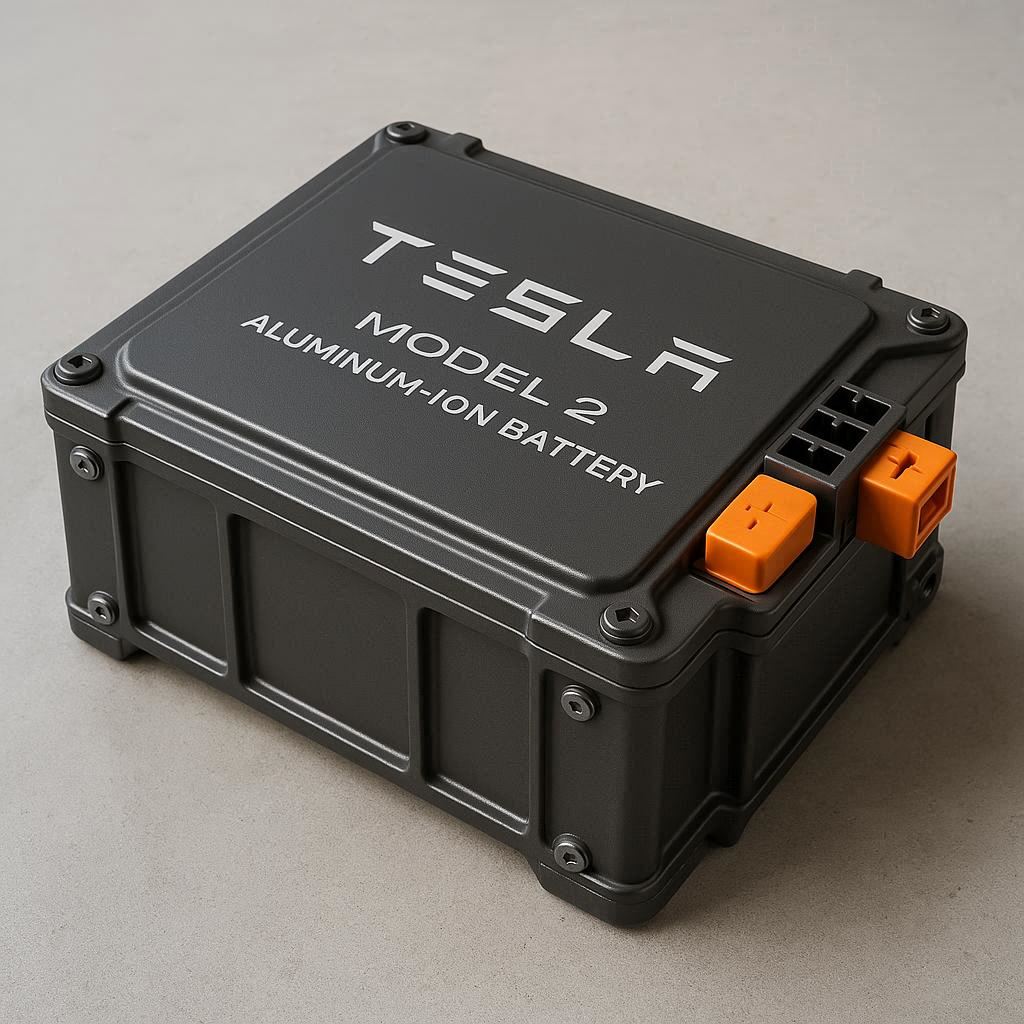
In this post, we’ll dive deep into how Tesla’s aluminum-ion battery technology is not just an upgrade but a complete game-changer that could signal the end of lithium dominance and China’s grip on the global battery supply chain. From safer chemistry to smarter energy management and groundbreaking manufacturing scale, here’s everything Elon Musk and Tesla didn’t explicitly tell you—until now.
Why Millions Are Hesitant to Go Electric: The Lithium Battery Problem
Would you risk your money on a car with a battery that could overheat, degrade quickly, and cost a fortune to replace? This dilemma is the bitter truth for many potential EV buyers.

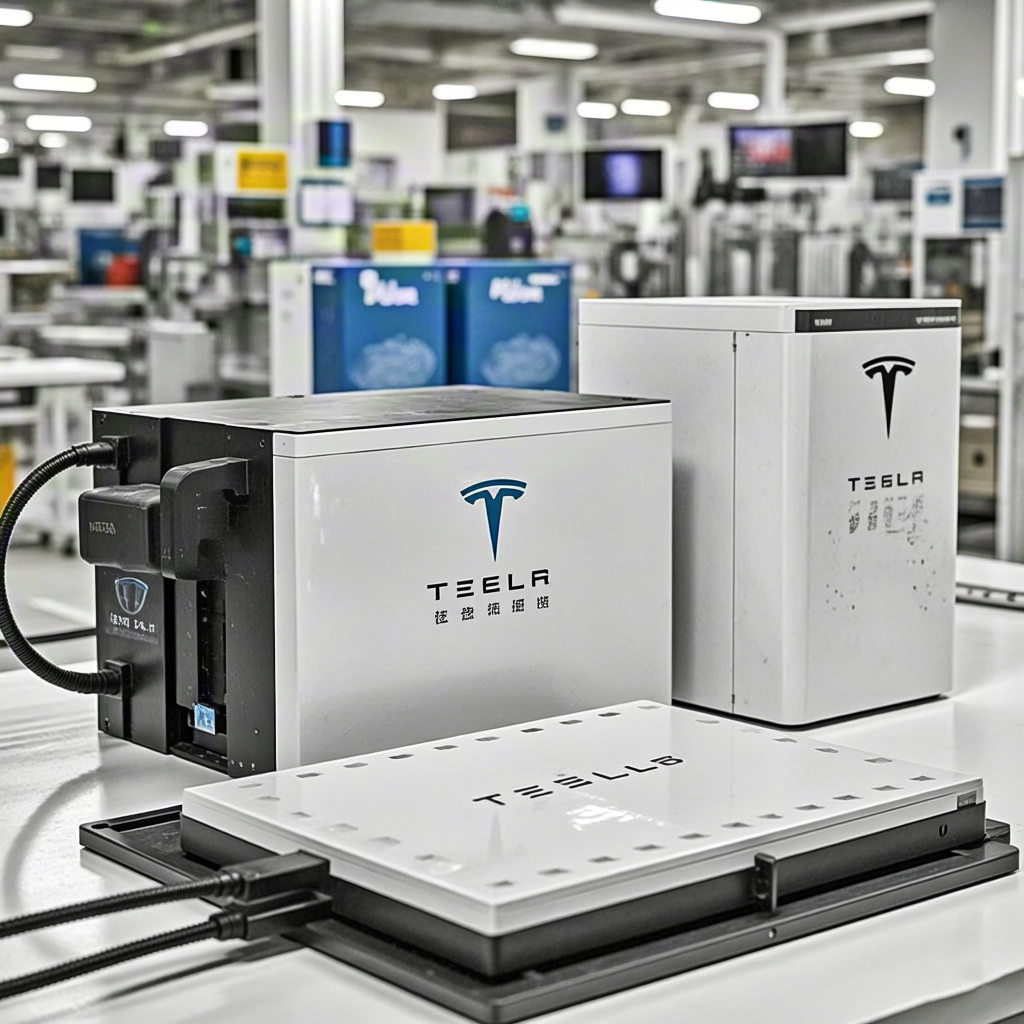
The Lithium Battery Limitations
- Scarce materials: Lithium and cobalt, essential to traditional lithium-ion batteries, are finite and extracted under environmentally damaging and ethically questionable conditions.
- Soaring demand: The International Energy Agency forecasts lithium demand will explode by 40 times by 2040, pushing costs and geopolitical competition sky-high.
- Battery degradation: Lithium-ion batteries start losing capacity after just 1,000 to 1,500 charge cycles, translating to 3–5 years for most drivers before replacement is needed.
- Safety concerns: Thermal runaway—a failure inside the battery’s liquid electrolyte—can lead to overheating and even fires, resulting in high-profile recalls and safety scares.
The Tesla Model 2 Aluminum-Ion Battery: Not Just an Alternative, But a Revolution
What Makes Aluminum-Ion Batteries Different?
Aluminum, the third most abundant element on Earth, is cheap, fully recyclable, and sourced from politically stable regions like Canada and the USA. This alone solves major supply chain headaches.
- Abundance: Aluminum is over 1,000 times more common than lithium in Earth’s crust.
- Battery safety: Unlike lithium-ion batteries, aluminum-ion batteries don’t develop dangerous dendrites—needle-like lithium deposits causing short circuits and fires.
- Thermal stability: Aluminum-ion batteries remain stable even under extreme heat, eliminating fire risks completely.
- Longer lifespan: Laboratory tests show over 10,000 full charge cycles with less than 10% capacity loss—potentially lasting 30 years in real-world conditions.
- Faster charging: Aluminum ions carry three positive charges compared to lithium’s one, enabling charging speeds up to three times faster.
The Tesla Model 2’s Smarter Battery Management
Tesla isn’t stopping at better chemistry. The Model 2’s aluminum-ion battery integrates AI-powered neural battery management systems that:
- Monitor temperature, voltage, ion flow, charge level, and wear in real-time.
- Adapt charging strategies based on your driving habits and environmental conditions.
- Optimize battery health to prevent degradation and improve safety without bulky cooling systems.
Why Tesla’s Aluminum-Ion Battery Could End China’s Battery Monopoly
China currently dominates lithium battery production and raw material supply, creating global vulnerabilities. Tesla’s pivot to aluminum-ion batteries offers a new path.
Localized, Sustainable Supply Chain
- Tesla is sourcing raw aluminum from mines in Quebec and Kentucky.
- Using hydroelectric power for smelting reduces carbon emissions by up to 58% compared to lithium battery supply chains.
- A fully integrated production line at Giga Texas will produce aluminum-ion cells at unprecedented speed and scale.
Manufacturing Breakthroughs
- Tesla’s roll-to-stack press lines consolidate multiple battery manufacturing steps into one, reducing production time to under 90 seconds per cell.
- This approach cuts manufacturing costs by around 42% and increases throughput by more than tenfold.
- The entire supply chain is built in North America, reducing risks from geopolitical tensions, tariffs, and shipping disruptions.
Tesla Model 2 Battery Powers More Than Just Your Drive
The aluminum-ion battery transforms the Model 2 into a mobile financial and energy asset, not just a car.
Peer-to-Peer Energy Sharing
- The Model 2 can deliver roadside charging to other EVs with over 3,000 watts of sustained power output.
- Tesla plans to integrate a blockchain-based credit system enabling owners to negotiate, detect, and deliver energy to nearby vehicles.
- Drivers could earn between $450 to $900 monthly by offering just a few microcharges daily.
Home Backup Power and Savings
- The Model 2’s 90 kWh battery can power a typical US home for 3 to 4 days during outages—quietly and without fuel.
- Using the car as a home energy source can save $600 to $1,200 annually on electricity bills.
- Compared to a Tesla Powerwall costing up to $14,000 installed, the Model 2 offers this benefit without additional hardware.
Lower Insurance and Maintenance Costs
- Aluminum-ion’s superior safety dramatically reduces fire risks, potentially lowering insurance premiums.
- Experts predict annual insurance premiums below $500, a massive discount from the US average of $1,600.
- Battery longevity eliminates costly replacements, saving $5,000 to $8,000 over the vehicle’s lifetime.
How Tesla Is Scaling Aluminum-Ion Battery Production to Power a Clean Energy Future
Tesla’s aluminum-ion battery isn’t just an innovation in chemistry—it’s a strategic move to reshape the energy industry and manufacturing landscape.
Giga Texas Pilot and Vertical Integration
- Tesla is launching a 3 GWh pilot facility focused on aluminum-ion cells.
- Their full stack vertical automation processes aluminum foil, solid-state electrolyte, and graphene cathodes in a continuous loop.
- This allows for under 90 seconds production time per cell, enabling mass production at a scale unmatched by competitors.
Expanding to Stationary Storage
- Tesla plans to integrate aluminum-ion technology into Powerwall and Megapack systems by 2027.
- These batteries require no liquid cooling loops, ideal for off-grid and extreme climate applications.
- This unifies vehicle and home energy storage on a single platform, enabling seamless vehicle-to-grid and vehicle-to-home energy transfer.
Conclusion: The Model 2 Isn’t Just a Car—It’s a Clean Energy Revolution
Tesla’s 2026 Model 2 is more than just an affordable electric vehicle—it’s a radical reinvention of what a car battery can be. By replacing lithium with abundant, recyclable aluminum, Tesla is:
- Slashing costs and long-term maintenance expenses.
- Eliminating the risk of battery fires.
- Offering unprecedented battery longevity.
- Creating new income opportunities for owners through energy sharing.
- Establishing a North American supply chain that frees the EV industry from geopolitical risk.
This is not a distant dream. The aluminum-ion battery revolution is already underway.
Are You Ready to Drive the Future?
Would you trust a battery that lasts 30 years and never needs replacement? How about a car that pays you to share its power and can keep your home running during blackouts?
If this sounds like the future you want, comment “aluminum ion” below.
And if you believe Tesla’s bold strategy to build battery supremacy on American soil is a winning move, comment “Tesla wins”.
FAQs
- What is the Tesla Model 2?
The Tesla Model 2 is Tesla’s upcoming affordable electric vehicle launching in 2026, featuring breakthrough aluminum-ion battery technology. - How is the aluminum-ion battery different from lithium-ion batteries?
Aluminum-ion batteries use abundant aluminum instead of lithium, offering longer lifespan, faster charging, enhanced safety, and lower environmental impact. - Why is lithium battery technology considered problematic?
Lithium batteries rely on scarce materials, degrade after a few years, can overheat or catch fire, and have costly replacements. - How long does the aluminum-ion battery last compared to lithium-ion?
Aluminum-ion batteries can last over 10,000 charge cycles, roughly 30 years, compared to 3–5 years for lithium-ion batteries. - Is the aluminum-ion battery safer than lithium-ion?
Yes. Aluminum-ion batteries avoid dendrite formation and remain stable even under overheating, reducing fire and explosion risks. - Can the Model 2’s battery charge faster than current EV batteries?
Yes. Aluminum-ion batteries can charge up to three times faster due to their unique ion charge properties. - What is Tesla’s neural battery management system?
It’s an AI-driven system that monitors and optimizes battery health in real-time based on driving, charging habits, and environmental factors. - How does Tesla’s aluminum-ion battery impact the environment?
It uses recyclable materials and sources aluminum from clean hydroelectric-powered mines, reducing carbon emissions significantly. - Will the Model 2’s battery need replacement?
Most drivers won’t need to replace the battery within the car’s lifetime thanks to its long lifespan and AI-managed durability. - How does the aluminum-ion battery affect EV safety?
The battery’s design prevents overheating and fires, potentially eliminating costly recalls and insurance issues. - Can the Model 2’s battery be used for home energy storage?
Yes. It can power a typical home for 3-4 days during outages, acting as a backup power source without additional hardware. - How can Model 2 owners earn money using their car’s battery?
Owners can sell electricity to nearby EVs via Tesla’s planned peer-to-peer energy sharing system, potentially earning up to $900 monthly. - What manufacturing advantages does Tesla have with aluminum-ion batteries?
Tesla’s integrated, high-speed production lines reduce costs by 42% and boost manufacturing throughput by over ten times. - Will Tesla’s aluminum-ion battery reduce reliance on China?
Yes. Sourcing aluminum domestically in North America reduces dependence on China’s lithium supply chain. - How does aluminum-ion battery production reduce costs?
Simplified manufacturing with fewer steps and faster production cuts material, labor, and logistics costs. - Can the aluminum-ion battery withstand extreme weather?
Yes. Its thermal stability and design make it ideal for harsh climates without complex cooling systems. - How does Tesla’s battery tech affect EV insurance costs?
Safer batteries lower fire risk, enabling Tesla to offer usage-based insurance plans with premiums below $500 annually. - Will aluminum-ion batteries be used in other Tesla products?
Yes. Tesla plans to integrate this technology into Powerwalls and Megapacks for home and grid energy storage. - When will the Tesla Model 2 be available?
Production is planned to start in 2026, with availability dependent on regional market rollouts and demand.
Read More:
- Ukraine completes first Starlink direct-to-cell test in Eastern Europe
- Mysterious covered Tesla Model Y fleet spotted in Giga Berlin
- Tesla Model 3 hits quarter million miles with original battery and motor
- Tesla bear Guggenheim sees nearly 50% drop off in stock price in new note
- Tesla investors may be in for a big surprise