
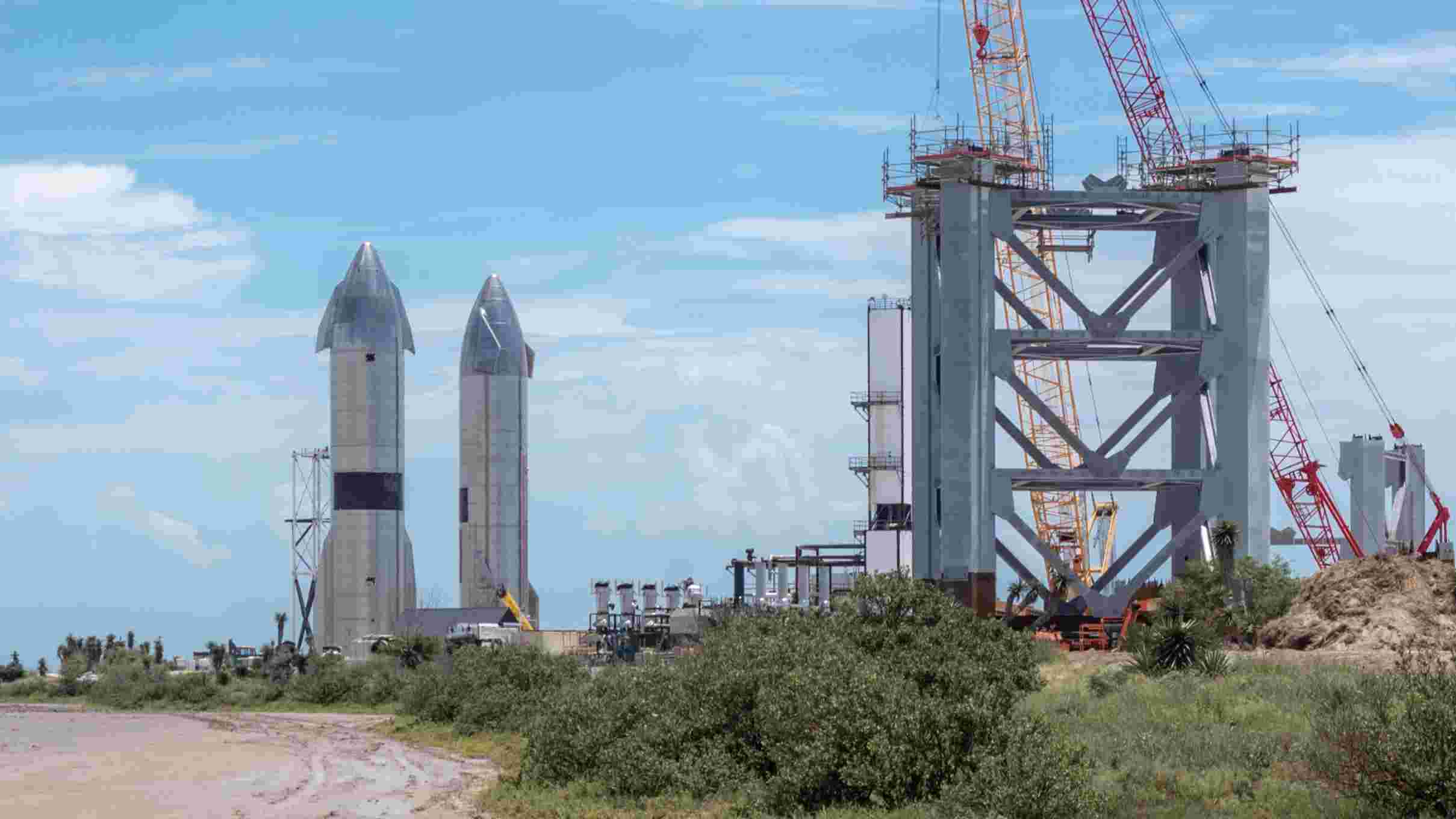
The space industry is buzzing with debates over the future of lunar exploration, the Artemis program, and the role of private companies like SpaceX. Former NASA officials are raising serious concerns about current mission architectures, particularly regarding SpaceX’s Starship Human Landing System (HLS) and the complexity of its orbital refueling system. At the same time, NASA faces delays with the Orion Artemis 2 rehearsal, and SpaceX continues to achieve record-breaking milestones in its launch cadence.
In this blog post, we’ll explore the controversy surrounding Artemis, the critiques by former NASA administrator Mike Griffin, the feasibility of a dual SLS approach, and why Starship remains central to the United States’ long-term lunar ambitions.
The Artemis Controversy and Lunar Return Debate
The moon has become one of the most debated subjects in the space industry today. NASA is preparing to transition to a new administrator, and the Artemis program’s direction is under intense scrutiny. Much of the debate revolves around which architecture the U.S. should rely on for returning humans to the lunar surface.
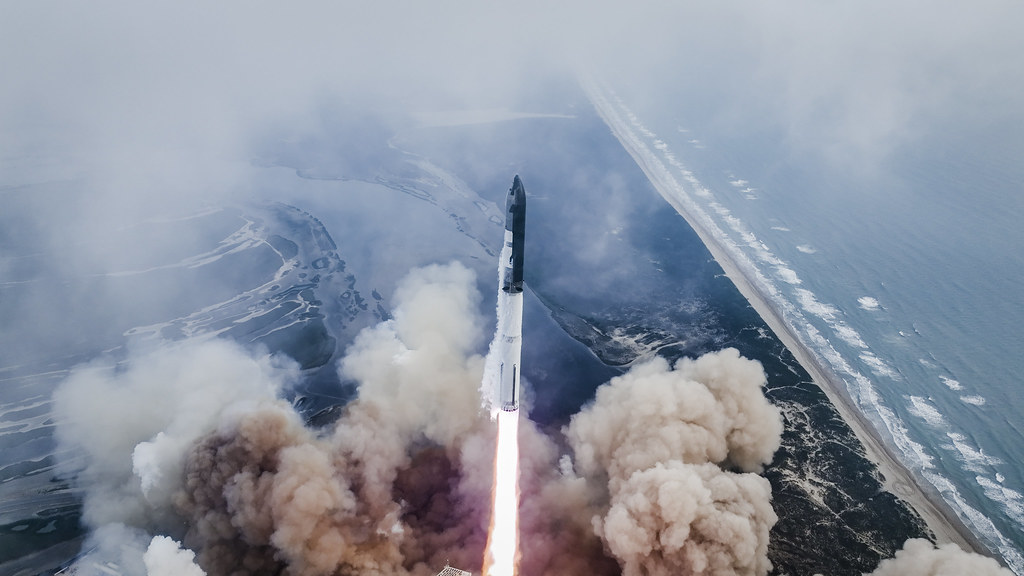
Former NASA leaders, particularly Mike Griffin, have voiced strong criticisms, warning that without significant changes, the U.S. could fall behind China in both crude lunar missions and long-term exploration capabilities.
Griffin’s primary concern is SpaceX’s Starship HLS, which relies on multiple orbital refueling missions to function. He argues that the complexity of the system introduces too many potential points of failure, making the plan unlikely to succeed in its current form.
Why Griffin Criticizes Starship HLS
Griffin’s criticism isn’t just about SpaceX—it’s about the fundamental architecture of the Artemis lunar missions. He points out that:
- Starship requires multiple refueling flights in orbit.
- Precise docking operations must occur for fuel transfers.
- The scale of propellant transfer in space is unprecedented.
According to Griffin, this complexity could cause mission failures at several stages. His strong statements have led some to question whether Starship can reliably serve as the lunar lander for Artemis missions.
Admiration for China’s Lunar Progress
While critical of the U.S. approach, Griffin and other former officials acknowledge China’s progress in lunar exploration. China is following a straightforward Apollo-style architecture, which has already proven capable of landing humans on the moon.
- Griffin argues that a simpler, proven system is less risky than the multi-step Starship refueling design.
- This comparison leads him to propose abandoning the current Artemis plan in favor of a dual SLS approach.
The Dual SLS Proposal
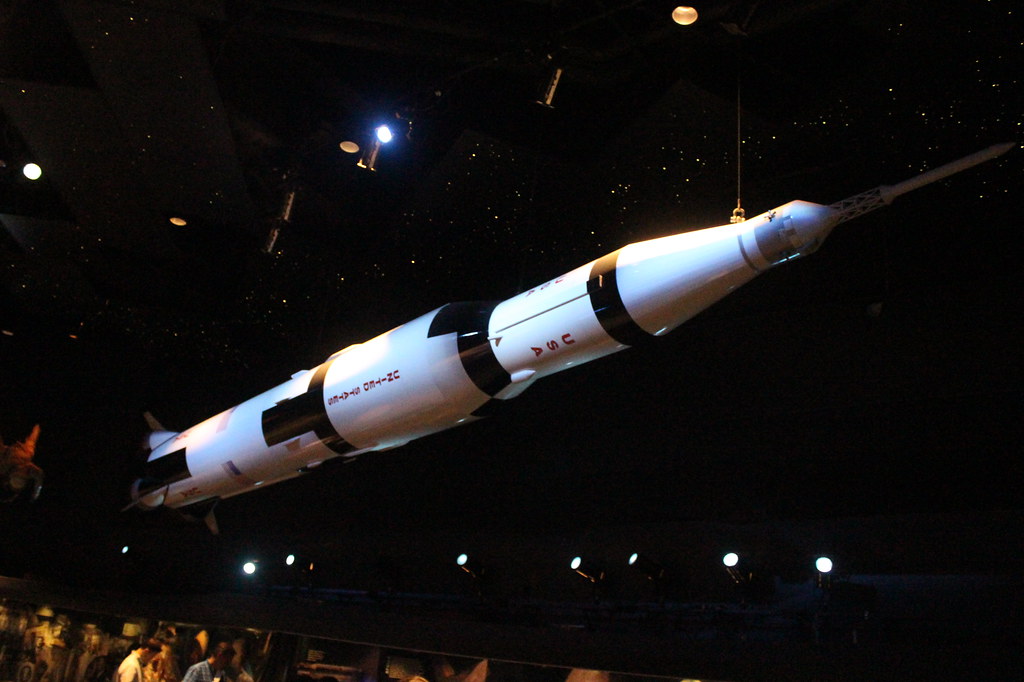
Griffin’s alternative calls for a dual SLS system, an idea he has supported for nearly 20 years. Here’s how it works:
- One SLS rocket would carry the lunar lander.
- A second SLS rocket would carry the spacecraft (Orion capsule).
- Both vehicles would meet in lunar orbit.
- The crew would transfer to the lander, descend to the moon, complete the mission, and return to the spacecraft for the journey home.
The dual SLS approach is appealing because it relies entirely on NASA-controlled systems, reminiscent of the Apollo program. However, this plan comes with significant cost and scheduling challenges.
Cost Challenges of Dual SLS Architecture
The main reason Griffin’s original proposal was abandoned was cost, not technical feasibility. Consider:
- One SLS rocket costs tens of billions of dollars to develop and maintain.
- Doubling the rockets for a dual system would exponentially increase costs.
- Both rockets require separate mobile launchers, adding further expense.
In addition, developing a lunar lander compatible with SLS—rather than using private sector options like Blue Moon from Blue Origin—would require redesign or a completely new program, resulting in years of delays and additional billions in funding.
Timeline Challenges
Artemis 3 is scheduled for 2027. Rebuilding the lunar architecture now would almost certainly delay the first lunar landing, because:
- Two operational SLS rockets would need production.
- Two mobile launchers would need construction.
- A new lander and lunar spacecraft would need to be ready for missions.
The timeline makes Griffin’s plan practically unfeasible if the goal is to land astronauts on the moon by 2027.
Starship’s Role in Sustainable Lunar Exploration
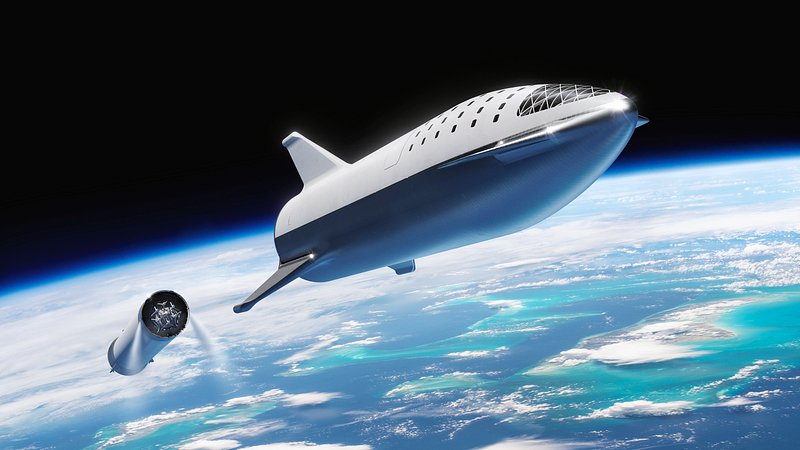
Despite Griffin’s critiques, SpaceX’s Starship remains central to the U.S. lunar strategy. The Starship HLS offers capabilities that traditional landers simply cannot match:
- Large cargo capacity to transport habitats, rovers, and scientific equipment.
- Large internal volume to support crew and infrastructure for extended missions.
- Potential to become part of lunar base infrastructure, reducing construction time and materials.
The key to unlocking these capabilities is the orbital refueling system, which Griffin criticizes but many industry leaders, including Jared Isikman, support.
Orbital Refueling as a Game-Changer
Orbital refueling enables:
- Scalable missions beyond the moon.
- Sustainable human presence in deep space.
- Reduced cost burden on taxpayers by leveraging private sector investment.
Isikman emphasizes that dismissing orbital refueling limits the U.S.’s ability to compete with China and advance beyond simple lunar landings.
Long-Term Vision vs. Short-Term Apollo Goals
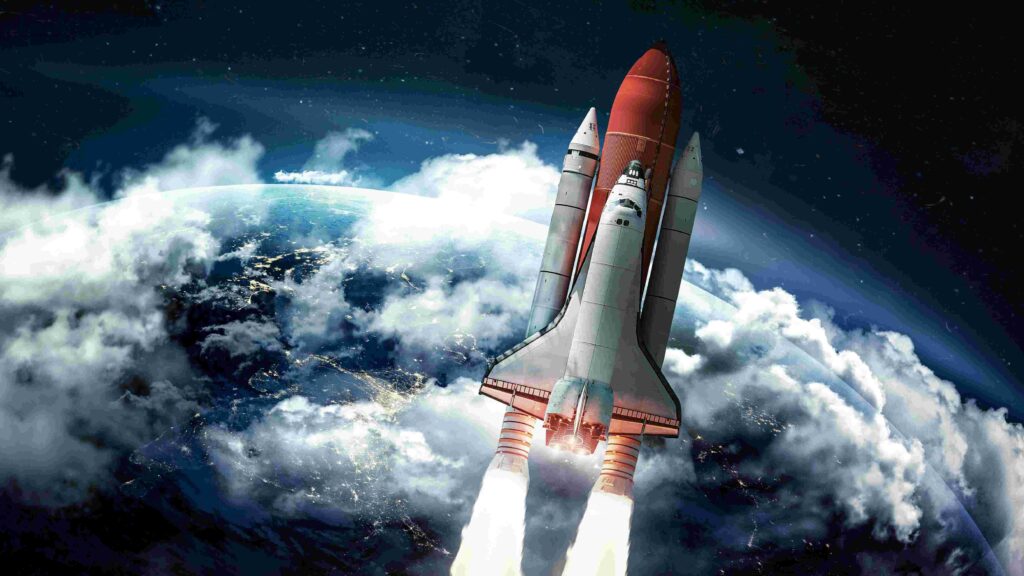
The debate is not just about landing on the moon—it’s about creating sustainable exploration capabilities. Questions raised include:
- Are we trying to replicate Apollo, or develop technologies for long-term solar system exploration?
- Can NASA rely solely on internal systems, or should it leverage private sector innovations like Starship?
The answer, according to many experts, is that a modern lunar program requires reusable, scalable, and robust systems—exactly what Starship aims to provide.
NASA Artemis 2 Rehearsal Delays
While debates rage over architecture, NASA faces real-world technical challenges. The Orion Artemis 2 crew module experienced a delay in its launch day rehearsal, demonstrating the delicacy of the Artemis infrastructure.
- A stain on Orion’s thermal barrier prevented the hatch from closing.
- Repairs were completed, and the closeout demonstration succeeded on November 19th.
- NASA has stated the overall mission timeline remains unaffected, but recurring technical issues highlight the complexity and risk of relying solely on NASA hardware.
Implications of Delays
Delays like these emphasize:
- How challenging it is to maintain strict schedules in lunar missions.
- The importance of robust, flexible architectures that can accommodate setbacks.
- The potential advantage of integrating private sector technologies, which often accelerate development timelines.
SpaceX Achieves Major Launch Milestones
While NASA faces delays, SpaceX continues to break records. A recent Falcon 9 launch delivered 28 Starlink satellites into orbit, marking:
- The 156th Falcon 9 mission of the year.
- The 573rd Falcon 9 flight overall.
- A total of over 600 launches including Falcon Heavy, Starship, and Falcon 1 missions.
These milestones highlight SpaceX’s unmatched pace and capability in modern spaceflight.
Implications for Lunar Missions
With Starship development continuing:
- Starship’s operational cadence could surpass Falcon 9 flights, providing frequent and cost-effective lunar missions.
- Regular Starship flights will help deliver habitats, rovers, and infrastructure, accelerating the U.S.’s lunar strategy.
- SpaceX’s record demonstrates private sector efficiency, which NASA can leverage to meet Artemis milestones.
Cost, Strategy, and the Future of Artemis
Comparing Griffin’s dual SLS proposal with the current Artemis plan reveals:
- Cost of dual SLS is unsustainable.
- Timeline for dual SLS would delay Artemis 3.
- Starship’s complexity is high but manageable with proper oversight and development support.
In summary:
- Abandoning Starship now would increase costs and delay lunar return.
- Supporting Starship development allows the U.S. to compete with China and build a sustainable lunar presence.
- NASA should focus on progress monitoring, regulatory efficiency, and private sector partnerships to ensure Starship’s success.
Key Takeaways
- Starship is essential for long-term lunar exploration.
- Dual SLS architecture, while simpler in concept, is financially and logistically prohibitive.
- Orbital refueling, despite criticism, is a game-changing technology for deep space missions.
- NASA-private sector collaboration is critical for achieving Artemis goals on time.
Conclusion: The Path Forward
The Artemis program stands at a crossroads. Former NASA leaders raise legitimate concerns, but Griffin’s proposed dual SLS solution is unlikely to succeed due to cost and schedule constraints. Starship, with its challenges, offers a scalable and sustainable approach to lunar exploration.
Meanwhile, NASA continues to refine Orion and Artemis mission plans, and SpaceX is pushing the boundaries of spaceflight with record-breaking launches. The future of lunar exploration depends on careful balance between ambition, cost, and innovation.
By supporting Starship, fostering private sector collaboration, and investing in technologies like orbital refueling, the U.S. has a real chance to return to the moon sustainably, compete with China, and eventually explore beyond the moon.
Curiosity, imagination, and persistence will define this next era of space exploration—and it all starts with looking up and daring to reach farther than ever before.
FAQs
1. What is the Artemis program?
The Artemis program is NASA’s initiative to return humans to the Moon and establish sustainable lunar exploration, including long-term scientific research and preparation for future missions to Mars.
2. Who is Mike Griffin, and why is he critical of Artemis?
Mike Griffin is a former NASA administrator who criticizes the Artemis program, particularly SpaceX’s Starship Human Landing System (HLS), due to its complexity and reliance on orbital refueling.
3. What is the main concern with Starship HLS?
The Starship HLS requires multiple orbital refueling missions, precise docking operations, and large-scale propellant transfers, which introduce many potential points of failure.
4. Why do some former NASA officials admire China’s lunar approach?
China uses a simpler, Apollo-style lunar mission architecture, which is proven and less risky compared to the multi-step Starship refueling design.
5. What is the dual SLS proposal?
The dual SLS proposal involves launching two separate SLS rockets—one carrying the lunar lander and the other carrying the Orion spacecraft—meeting in lunar orbit for the crew to descend to the Moon.
6. Why was the dual SLS proposal abandoned?
Primarily because of cost. Each SLS rocket costs tens of billions, and adding a second rocket, mobile launchers, and a compatible lunar lander would significantly increase expenses and cause delays.
7. Can the dual SLS architecture meet the 2027 Artemis 3 lunar landing timeline?
No, producing two SLS rockets, building two mobile launchers, and preparing a new lander would likely delay Artemis 3 beyond 2027.
8. What advantages does Starship offer for lunar exploration?
Starship provides large cargo capacity, internal volume for crew and infrastructure, and potential to support sustainable lunar bases.
9. Why is orbital refueling considered important?
Orbital refueling enables scalable and sustainable deep space missions, reduces cost burden, and allows larger payloads and extended lunar operations.
10. What are the risks associated with Starship’s orbital refueling?
The risks include multiple critical docking operations, unprecedented propellant transfers in space, and higher technical complexity compared to traditional landers.
11. What technical issues has NASA faced with Artemis 2?
The Orion crew module experienced a delay in its launch day rehearsal due to a thermal barrier stain preventing the hatch from closing. Repairs were completed successfully.
12. Do these Orion delays affect the Artemis 3 schedule?
NASA states that the overall Artemis 3 mission timeline remains unaffected, though such delays highlight the challenges of relying solely on NASA hardware.
13. How is SpaceX performing compared to NASA?
SpaceX has set records, including launching 28 Starlink satellites in a single Falcon 9 mission, demonstrating high cadence and operational efficiency.
14. Why is private sector collaboration important for Artemis?
Private companies like SpaceX accelerate development, provide cost-effective solutions, and help NASA meet lunar exploration milestones more reliably.
15. What is the main debate between short-term Apollo-style goals and long-term lunar vision?
The debate centers on whether the U.S. should focus on a simple Moon landing like Apollo or invest in scalable, reusable systems for sustainable lunar and deep space exploration.
16. How does Starship support sustainable lunar presence?
Starship’s large cargo and internal space allow transportation of habitats, rovers, and infrastructure, enabling longer missions and supporting future lunar bases.
17. What are the cost implications of abandoning Starship?
Abandoning Starship would likely increase costs and delay the U.S. return to the Moon, as dual SLS or other NASA-only architectures are far more expensive.
18. How does Starship help the U.S. compete with China?
Starship enables frequent, cost-effective lunar missions with large payloads, giving the U.S. the capability to build sustainable lunar infrastructure faster than China.
19. What are the key takeaways about the future of Artemis?
- Starship is essential for long-term lunar exploration.
- Dual SLS is financially and logistically challenging.
- Orbital refueling is a critical technology.
- NASA-private sector collaboration is vital for success.
20. What defines the next era of space exploration according to experts?
Curiosity, imagination, persistence, and leveraging both government and private sector innovation will define sustainable lunar exploration and prepare humanity for deeper space missions.
Read More:
- Tesla supplier Samsung preps for AI5 production with latest move
- Tesla CEO Elon Musk shades Waymo: ‘Never really had a chance’
- Tesla adds new feature that will be great for crowded parking situations
- Elon Musk’s $179 Tesla Wheelchair: Features, Specs, and Everything You Need to Know
- Elon Musk Announces 2026 Tesla Model 2: 7 SHOCKING FREE Exterior Updates
1 thought on “Ex-NASA seriously Warning SpaceX Starship Refueling Problem, DUAL SLS System to Replace”