
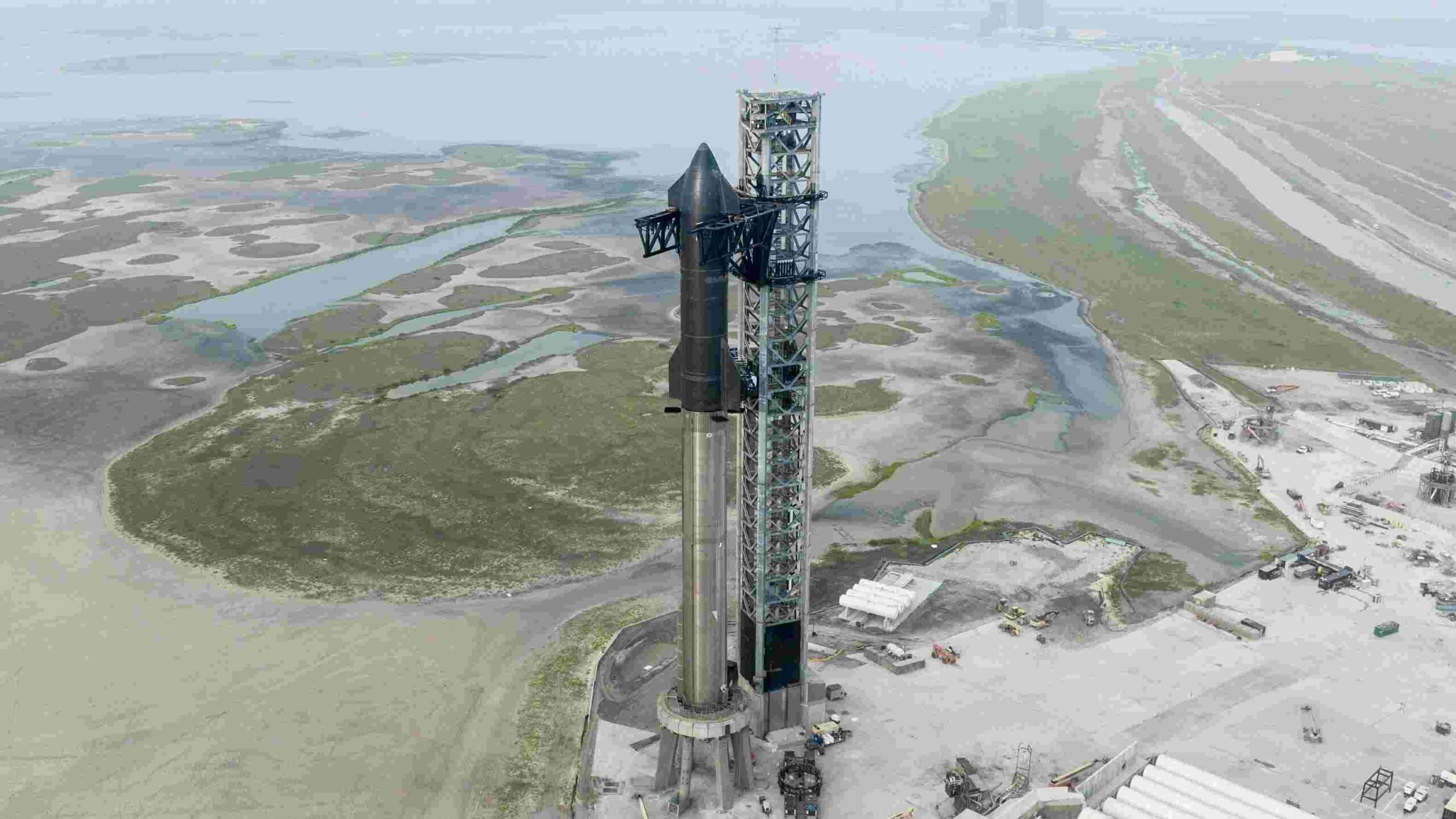
Starship Flight 12 is shaping up to be one of the most important missions in SpaceX history. After nearly two years of testing, iteration, failures, and breakthroughs, SpaceX is now preparing a launch that doesn’t just test hardware—it validates an entirely new era of spaceflight.
This mission represents the culmination of 11 previous Starship test flights, hundreds of engineering upgrades, and a bold roadmap aimed squarely at 2026 and beyond. From the rocket itself to the engines, from the booster to the launchpad, and even the ground infrastructure—everything has been redesigned with one goal in mind: achieving 100% of SpaceX’s ambitious objectives.
In this in-depth, we’ll explore why Starship Flight 12 is so special, what upgrades make it revolutionary, and how it could permanently change the future of space exploration.
Starship Flight 12: Why This Mission Changes Everything
Starship Flight 12 is not just another test. It is a proof-of-concept mission for SpaceX’s Block 3 architecture, the version of Starship designed for routine orbital operations, lunar missions, and Mars exploration.
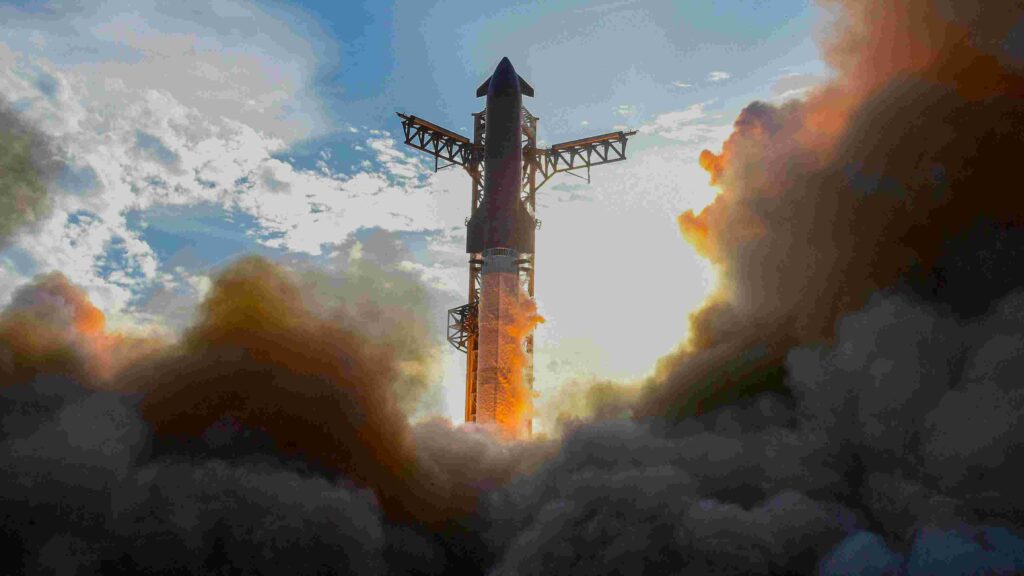
After years of iterative development, SpaceX is no longer just experimenting. They are validating a system designed for mass production and rapid reuse.
A recent road closure update sparked excitement across the space community. These late-night closures—running from midnight to 4:00 a.m.—are usually reserved for transporting massive Starship hardware. While many expected Booster 19 or Ship 39, SpaceX instead rolled out a critical test section—a two-ring barrel with a can-crusher interface—destined for Block 3 booster testing.
This confirms one thing: Flight 12 preparations are accelerating fast.
Late January Launch? Momentum Is Building
If testing continues on schedule, Starship Flight 12 could launch as early as late January. That timing matters, because it will be the first full demonstration of SpaceX’s quiet but massive upgrades rolled out over the past year.
Each test tank, barrel section, and ground test directly informs how the real flight vehicles will behave under extreme conditions. SpaceX is now focused on predictability, durability, and operational speed—the foundations of high-frequency launches.
Starship V3: A Rocket Built for the Moon and Mars
At the heart of Flight 12 is Starship Version 3 (V3)—a vehicle designed not just to reach orbit, but to transport massive payloads, conduct orbital refueling, and support human missions to the Moon and Mars.
To make that possible, SpaceX has prioritized structural stability and reliability over flashy changes.
Revolutionary Welding: A Simple Change With Massive Impact
One of the most important upgrades in Starship V3 comes down to welding technique.
Starship V2 Welding Issues
- Nose cones built from multiple small steel gores
- Numerous horizontal circumferential welds
- Welds positioned perpendicular to stress forces
- Increased vulnerability during re-entry heating and aerodynamic stress
Starship V3 Welding Solution
- Nose cone formed using long, straight steel panels
- Predominantly vertical welds
- Welds aligned parallel to stress paths
- Smoother surface and even load distribution
This change dramatically improves structural integrity, especially in one of the most stressed parts of the vehicle. It’s subtle—but it could be the difference between failure and orbital success.
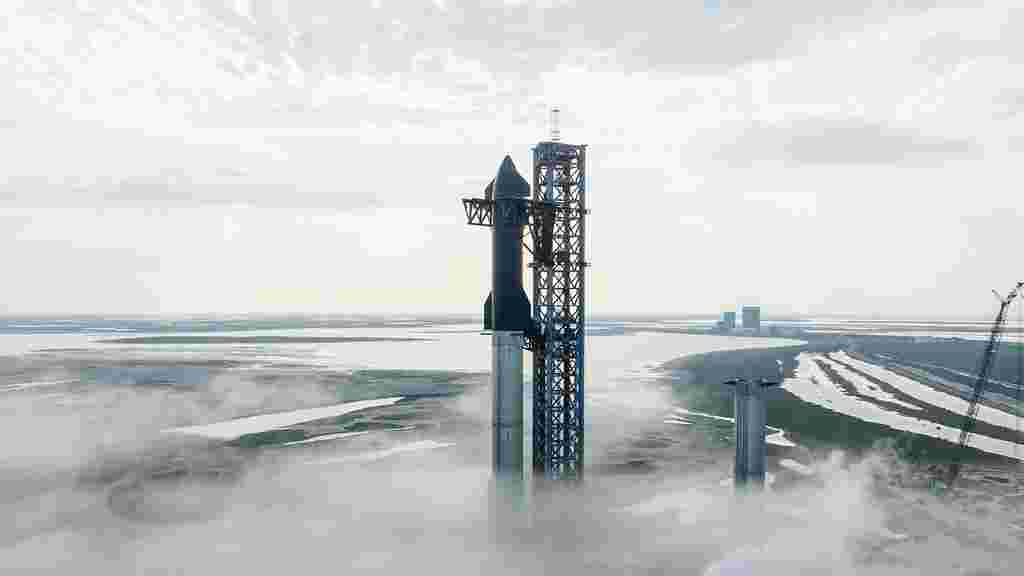
Ship 39: The Starship That Could Reach Orbit
Ship 39 is the first Starship built with the new V3 structure, and it has a real chance to reach orbit for the first time during Flight 12.
But structure is only half the story.
Raptor 3 Engines: The Most Powerful Rocket Engines Ever Built
Ship 39 will also be the first Starship equipped with six Raptor 3 engines, making this flight a true engine debut.
Why Raptor 3 Is a Game Changer
- 280 tons of thrust per engine
- 25% lighter than Raptor V2
- Optimized for bare-bones simplicity
- Specific impulse near 350 seconds
- Improved reliability and reduced leak risks
- Better vacuum relight performance
Raptor 3 is currently the most powerful full-flow staged combustion engine in the world. But more importantly, it’s designed for scalability and safety.
Orbital Refueling: The Key to Mars
Orbital refueling is the single most important technology needed for Mars missions—and Raptor 3 makes it practical.
Why This Matters
- Tanker missions with V2 required 10–15 launches
- V3 could reduce that to just 4–6 launches
- More propellant delivered per flight
- Safer docking and fuel transfer operations
- Fewer launches = lower risk and cost
Starship HLS, NASA’s lunar lander variant, will rely on this exact configuration. Flight 12 is where the data that enables lunar landings is born.
Super Heavy V3 and Booster 19
None of this works without the booster.
Booster 19 is the first Super Heavy V3, and it introduces major aerodynamic and recovery upgrades.
Three Grid Fins Instead of Four
At first glance, reducing grid fins sounds risky—but SpaceX redesigned them entirely.
New Grid Fin Design
- Only three fins
- Each fin 50% larger
- Weighs about 3 tons each
- Mounted lower on the methane tank
- Actuation systems protected inside the tank
The new layout improves control during steeper, hotter re-entry profiles. However, SpaceX needs real flight data before attempting a tower catch.
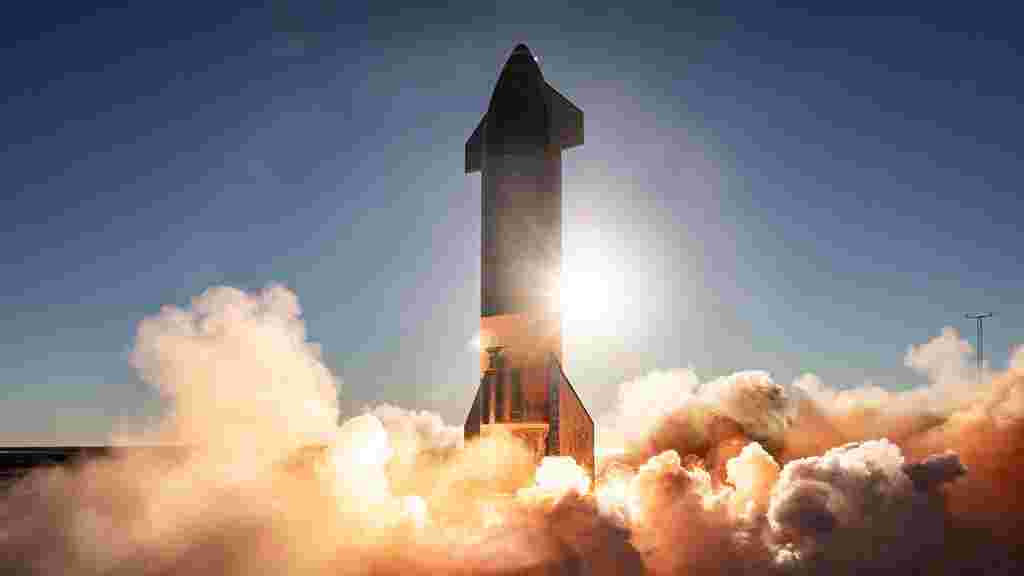
No Catch on Flight 12 (Most Likely)
Flight 12 will probably end with a controlled splashdown, not a Mechazilla catch. The priority is validation, not risk.
Hot Staging Ring: Permanently Attached
Another key upgrade is the permanent hot staging ring.
Why This Matters
- No recovery required
- No reinstallation needed
- Saves 1–2 hours per flight
- Enables higher launch cadence
When you’re planning dozens of lunar launches, every hour matters.
Launchpad 2: Built for the Future
Starship Flight 12 will also be the first launch from the all-new Launchpad 2, designed specifically for Starship V3 operations.
Flame Trench and Water-Cooled Diverter
The new flame trench uses a water-cooled diverter, capable of handling repeated launches without catastrophic damage.
Those dramatic water blasts you’ve seen? They’re stress tests for Flight 12.
Next-Generation OLM Deck
- Thicker, water-cooled steel deck
- Designed for higher loads
- Improved durability
- Faster turnaround between launches
Faster Propellant Loading
Smaller quick-disconnects, tighter hoods, and improved sealing all work together to reduce fueling time—a critical factor for rapid launch cadence.
Smarter, Faster Chopsticks
The Pad 2 launch tower features shorter robotic arms—and that’s no accident.
Why Shorter Chopsticks Are Better
- Lower inertia
- Faster movement
- Less aerodynamic drag
- Improved precision during catches
SpaceX has also installed more powerful actuators, essential for safely catching Starship after orbital re-entry.
Why Catch Precision Matters
When Starship returns from orbit, it performs a belly-flop descent, followed by a dramatic flip maneuver.
The aft flaps pass through a narrow gap between the chopsticks before the ship can be secured. Timing is everything.
If the arms are late—even by seconds—the risk of collision or missed capture skyrockets.
Pad 2 is built to eliminate that margin of error.
Massie’s Test Site Upgrades After Ship 36
Following the Ship 36 explosion in June 2025, SpaceX rapidly upgraded the Massie test site.
New Truss Structure
- Massive steel framework around the static fire stand
- Built-in platforms and walkways
- Integrated quick disconnects
- Reduced reliance on cranes
- Faster inspections and maintenance
This upgrade dramatically improves test cadence and safety, especially as SpaceX ramps up Block 3 vehicle testing.
Why Starship Flight 12 Truly Makes History
Starship Flight 12 isn’t about spectacle—it’s about validation.
It tests:
- Starship V3 structural integrity
- Raptor 3 engines in real flight
- Super Heavy V3 aerodynamics
- Launchpad 2 durability
- Ground operations scalability
This mission represents the moment when Starship transitions from experimental prototype to operational launch system.
Final Thoughts: The Future Starts With Flight 12
If Starship Flight 12 succeeds, it will mark a turning point—not just for SpaceX, but for human spaceflight as a whole.
It brings us closer to:
- Reusable super-heavy rockets
- Affordable lunar missions
- Sustainable Mars exploration
- A truly multiplanetary civilization
Flight 12 isn’t just history in the making.
FAQs
1. Why is Starship Flight 12 considered historic?
Starship Flight 12 is historic because it is the first mission designed to validate Starship Version 3, Raptor 3 engines, Super Heavy V3, and Launchpad 2 all in a single flight, marking SpaceX’s transition from testing to operational readiness.
2. What makes Starship V3 different from earlier versions?
Starship V3 features major structural improvements, including vertical welding techniques, enhanced stability, reduced weak points, and design changes optimized for orbital refueling, lunar missions, and Mars travel.
3. What is Ship 39, and why is it important?
Ship 39 is the first Starship built with the V3 architecture and equipped with six Raptor 3 engines, making it the most advanced Starship ever flown.
4. What are Raptor 3 engines, and why do they matter?
Raptor 3 is the most powerful full-flow staged combustion rocket engine ever built, offering higher thrust, lower weight, improved reliability, and better efficiency, which are critical for deep-space missions.
5. How much more powerful is Raptor 3 compared to Raptor V2?
Raptor 3 produces about 280 tons of thrust per engine, is roughly 25% lighter, and delivers a significantly higher specific impulse, making it far more efficient than Raptor V2.
6. Will Starship Flight 12 reach orbit?
While not officially confirmed, Ship 39 has a strong chance of reaching orbit, making Flight 12 potentially the first fully successful orbital Starship mission.
7. What role does orbital refueling play in Starship’s future?
Orbital refueling enables Starship to carry enough fuel for Moon and Mars missions, and Raptor 3 engines drastically reduce the number of tanker launches needed.
8. What is Super Heavy V3, and what’s new about it?
Super Heavy V3 introduces a redesigned structure, a three-grid-fin configuration, improved heat protection, and a permanently attached hot staging ring to support faster reuse.
9. Why does Super Heavy V3 use only three grid fins?
The three grid fins are larger, stronger, and better positioned, providing equal or better control during re-entry while reducing complexity and improving durability.
10. Will the booster be caught by Mechazilla on Flight 12?
A tower catch is unlikely on Flight 12. SpaceX is expected to prioritize a controlled splashdown to gather critical flight data before attempting a catch.
11. What is Launchpad 2, and why is it important?
Launchpad 2 is a next-generation Starship launch site featuring a water-cooled flame trench, reinforced OLM deck, faster fueling systems, and upgraded chopsticks for higher launch cadence.
12. How are the new chopsticks different from earlier versions?
The Pad 2 chopsticks are shorter, lighter, and faster, with more powerful actuators to ensure precise and safe booster and ship catches in the future.
13. Why won’t Starship be caught on Flight 12?
Flight 12 focuses on system validation, not high-risk maneuvers. Catch attempts will come only after SpaceX confirms all upgrades perform reliably.
14. What upgrades were made at the Massie test site?
SpaceX installed a large steel truss structure around the static fire stand, improving access, safety, and efficiency for Starship engine testing after earlier incidents.
15. How does Starship Flight 12 impact future Moon and Mars missions?
Flight 12 provides critical data for Starship HLS lunar landings, orbital refueling, and long-duration missions, bringing SpaceX significantly closer to sustained human presence beyond Earth.
Read More:
- SpaceX Achieved What NASA and China Couldn’t for Decades! 2026 even Crazier
- Tesla revamped Semi spotted, insane 1.2 MW charging video releases
- Tesla targets production increase at Giga Berlin in 2026
- Tesla Supercharger network delivers record 6.7 TWh in 2025
- Tesla Giga Nevada celebrates production of 6 millionth drive unit
2 thoughts on “It’s mind blowing! Elon Musk declared Starship Flight 12 will Make History, Never Seen Before”