
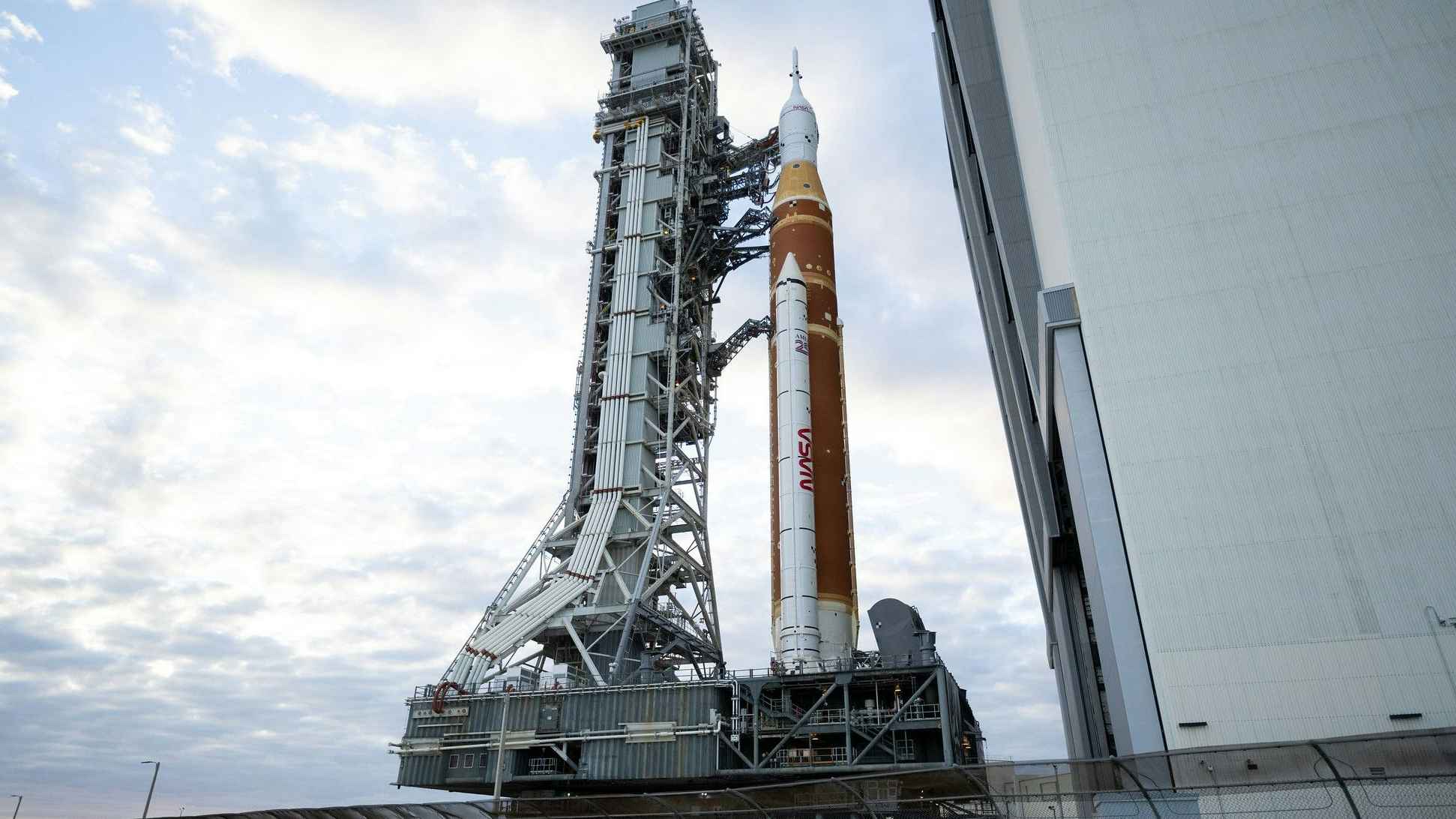
Test failure is never the headline anyone hopes to see, especially when it comes to NASA’s Artemis 2 mission, the first crewed trip around the moon in over 50 years. However, setbacks are part of the journey, and recent challenges during NASA’s Wet Dress Rehearsal (WDR) for Artemis 2 underscore the complexity of sending humans back to deep space.
In this article, we will break down what went wrong during the initial rehearsal, how NASA addressed the issues, and what remains before the mission can move forward. We’ll also provide updates on related spaceflight activities and explain why Artemis 2 is a critical step toward a sustained human presence on the moon.
What Happened During Artemis 2’s First Wet Dress Rehearsal?
The Artemis 2 WDR test is a full-scale simulation designed to validate fueling procedures, countdown operations, and ground system interactions before an actual launch. It’s a crucial step that helps NASA identify technical issues without risking crew safety.
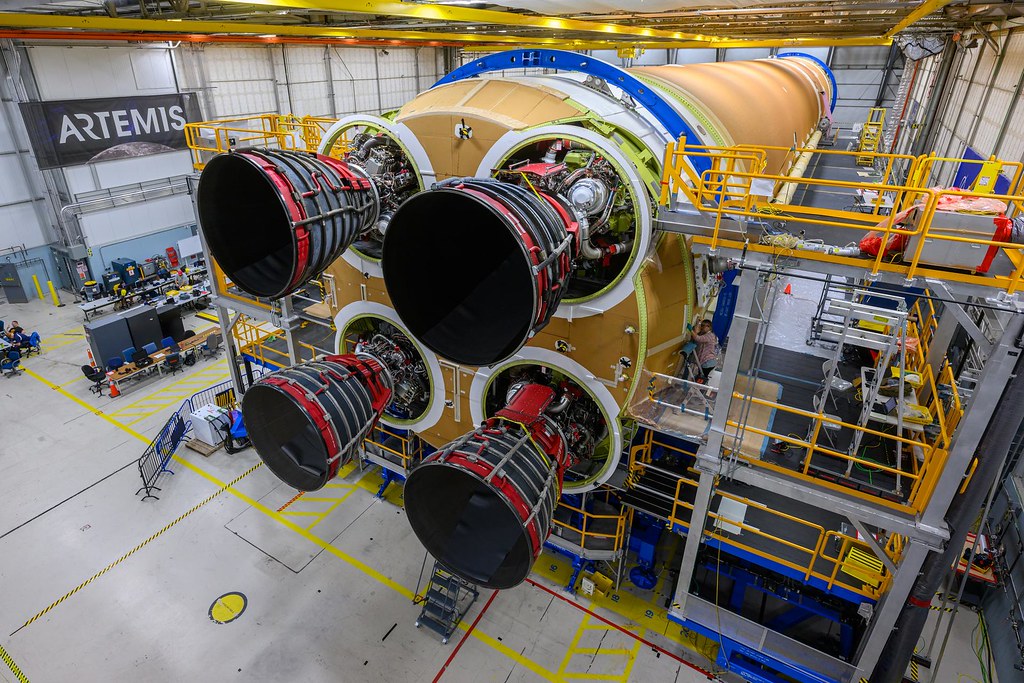
During the first rehearsal attempt, two significant problems emerged:
- Hydrogen Leak in the Space Launch System (SLS)
- Orion spacecraft hatch issue
Both problems raised serious safety concerns, particularly because Artemis 2 will carry four astronauts. While the hatch issue was problematic, the hydrogen leak posed the more significant challenge.
Understanding the Hydrogen Leak Problem
Hydrogen is extremely small and volatile, capable of escaping through tiny imperfections. It ignites easily under the wrong conditions, making leaks particularly dangerous. NASA has dealt with hydrogen leak issues before, most notably during Artemis 1, highlighting how persistent and difficult to solve these problems can be.
Even minor leaks can force delays, inspections, and repairs, because NASA’s safety margins cannot be compromised. With the next milestone approaching, the agency faced pressure to fix these issues without rushing—a delicate balance when human lives are at stake.
The Orion Hatch Challenge
The second issue involved the Orion spacecraft hatch, which is critical for crew safety and mission operations. While this problem was easier to address than the hydrogen leak, it still required careful attention to ensure astronaut safety during Artemis 2.
NASA’s Response: Fixes and Preparations
NASA has moved quickly to resolve the issues identified during the first WDR. Here’s what has been done:
- Replacement of two seals in areas where hydrogen levels exceeded safety limits.
- Analysis of removed seals to determine root causes and prevent future leaks.
- Accessing the tail service mast umbilical area, where the largest leak was detected.
The Tail Service Mast and Its Importance
Each tail service mast stands approximately three stories tall and provides cryogenic fuel lines and electrical connections to the SLS core stage.
Before launch, these masts tilt backward, and during liftoff, they disconnect quickly to separate the rocket from the ground systems. Any failure in this mechanism could have catastrophic consequences, making repair and inspection absolutely critical.
Technicians have removed both the rocket-side and ground-side interface plates to inspect areas with elevated hydrogen readings. The plan is to replace seals around the two fuel lines and reconnect the interfaces by February 9th, according to NASA updates.
Steps Ahead Before the Next WDR
After the repairs, NASA will conduct additional testing at the Stennis Space Center in Bay St. Louis, Mississippi. Engineers will examine interface plate dynamics to confirm that the fixes are effective.
Operational procedures are also being adjusted to reduce risk and allow more time for troubleshooting. For example:
- Extended countdown holds by 30 minutes each before and after propellant loading.
- Orion hatch operations removed from the rehearsal timeline, allowing focus on refueling and leak verification.
- Crew access arm remains detached, as its previous testing confirmed operational reliability.
These changes reflect NASA’s priority to validate core systems without overextending the rehearsal scope.
Artemis 2 Crew Preparations
The four astronauts of Artemis 2—Jessica Mir, Jack Hathaway, European Space Agency astronaut Sophie Adeno, and Roscosmos Cosmonaut Andre Fedv—have returned to training after completing quarantine.
They are reviewing:
- Orion system knowledge
- Mission timelines
- Launch day procedures
NASA continues to target a March launch, though no official date has been set. Launch opportunities include March 3, 6, 7, 8, 9, and 11. Once a date is confirmed, the crew will reenter quarantine.
Why Artemis 2 is Critical
Critics have argued that Artemis 2 lacks a “moon landing” goal, but this view misses the mission’s true importance. Artemis 2 will:
- Return humans beyond low Earth orbit
- Test life support, navigation, and communications systems
- Provide vital operational data for future lunar landings
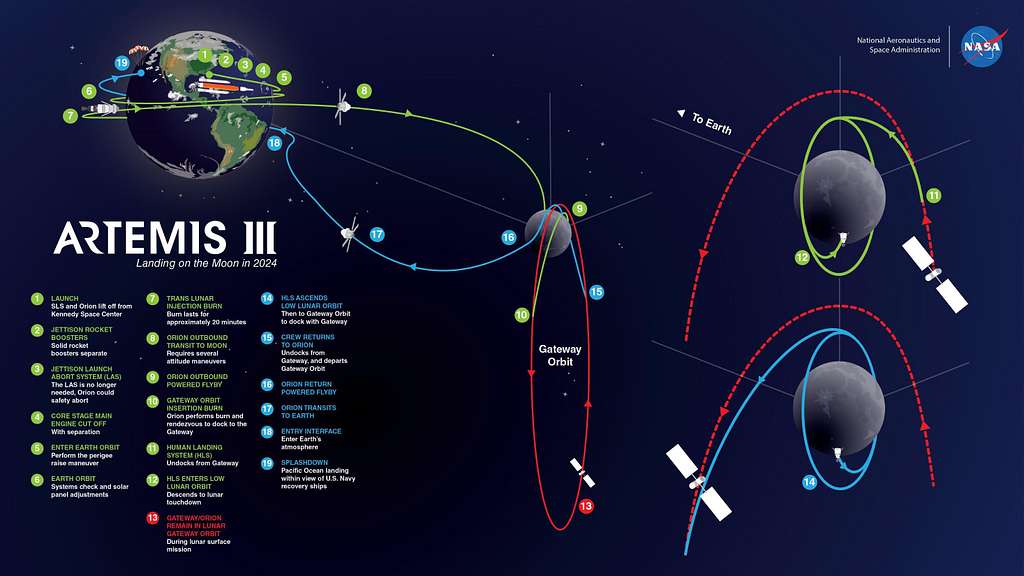
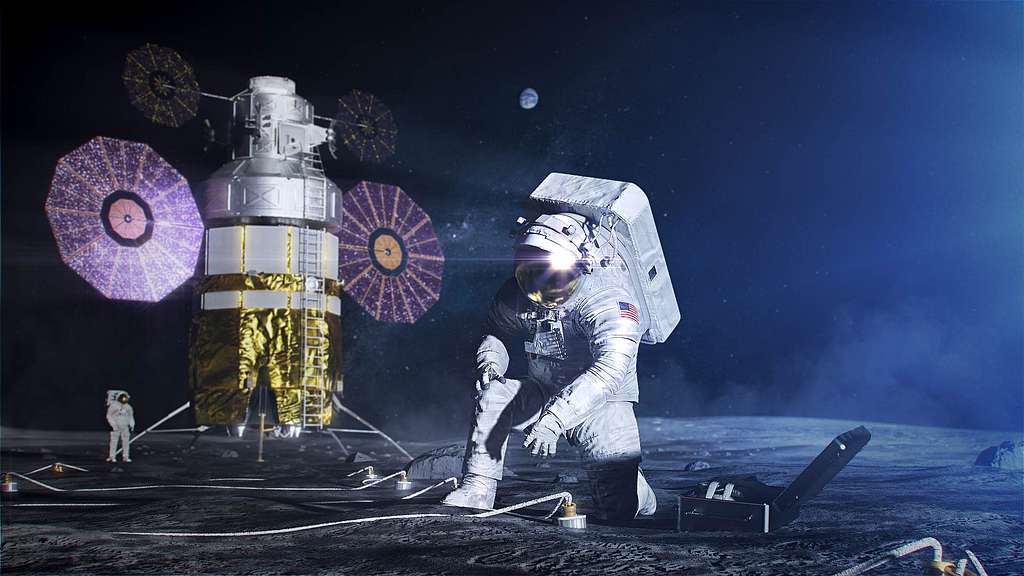
Every successful test step, including the WDR, contributes to the safety and success of future missions, such as Artemis 3, which will land astronauts on the moon.
Industry Collaboration and Lunar Goals
NASA’s lunar ambitions are now closely aligned with private partners:
- SpaceX is focusing on Starship development for lunar infrastructure.
- Blue Origin has paused new New Shepard flights to prioritize lunar lander development.
Together, these efforts signal a rare period of alignment in the U.S. lunar program, emphasizing the importance of Artemis 2 as a pivotal step in a broader goal of sustained human presence on the moon.
Contractor Pressure and Future Missions
Contractors face increasing expectations:
- Blue Origin must demonstrate progress on Blue Moon lunar lander
- SpaceX must continue Starship development, including orbit, refueling, and full reusability
Artemis 2 is not just a test flight; it is a crucial precursor to establishing a permanent human presence on the moon, requiring flawless execution from all parties involved.
Updates on Crew 12 Mission and Space Coast Activity
Alongside Artemis 2 preparations, NASA and SpaceX finalized plans for Crew 12 after a minor schedule adjustment. The launch, originally scheduled for February 11th, moved to February 12th at 5:38 a.m. Eastern, due to unfavorable weather conditions.
Safety First: Weather and Abort Considerations
Mission managers emphasized:
- High winds along the ascent corridor (24–28 knots) influenced the decision.
- Abort scenarios reviewed for safe splashdowns along the eastern seaboard if necessary.
- Static fire tests and dry dress rehearsals completed, ensuring vehicle readiness.
Crew 12 will restore the International Space Station to seven crew members, following the early departure of Crew 11 due to medical evacuation.
Space Coast Congestion and Coordination
Florida’s space coast is exceptionally busy:
- LC39B – NASA working on Artemis 2 WDR
- LC39A – SpaceX preparing Falcon Heavy and Starship launches
- SLC 41 – ULA preparing Vulcan rocket for Space Force mission
Despite this congestion, safety and mission success remain the priority for NASA, SpaceX, and other partners.
Conclusion: The Countdown Continues
The Artemis 2 WDR represents a critical milestone in returning humans to deep space. While initial setbacks reminded everyone of the challenges, NASA has taken decisive steps to fix hydrogen leaks, refine procedures, and ensure astronaut safety.
Key takeaways:
- Hydrogen leak fixed, seals replaced, and interfaces reconnected
- Orion hatch issue addressed, reducing risk to astronauts
- Crew preparations ongoing, with March launch opportunities approaching
- Industry partners aligned on lunar objectives, amplifying the importance of mission success
Artemis 2 is more than a flyby—it is a gateway to sustainable human exploration of the moon. Every adjustment, rehearsal, and test brings us closer to a new era of lunar exploration.
Stay tuned as NASA completes the second Wet Dress Rehearsal, and humanity moves one step closer to returning to the moon.
FAQs
1. What is NASA Artemis 2?
Artemis 2 is NASA’s first crewed mission around the moon in over 50 years. It will test life support, navigation, and deep space operations, preparing for future lunar landings.
2. What is a Wet Dress Rehearsal (WDR) test?
A WDR is a full-scale simulation of rocket launch procedures, including fueling, countdown operations, and ground system checks, conducted before the actual launch.
3. Why did the first Artemis 2 WDR fail?
The initial WDR experienced two major issues: a hydrogen leak in the Space Launch System (SLS) and a problem with the Orion spacecraft hatch.
4. How dangerous is a hydrogen leak?
Hydrogen is highly volatile and can ignite easily. Even small leaks require inspections and repairs to maintain strict safety standards for astronauts.
5. How did NASA fix the hydrogen leak?
Technicians replaced faulty seals in the tail service mast umbilical area and reconnected interface plates, followed by thorough testing to ensure the leak is resolved.
6. What is the Orion spacecraft hatch issue?
The hatch issue involved mechanical problems that could affect crew ingress and egress. NASA addressed it by removing hatch operations from the rehearsal and ensuring safety in future tests.
7. When is the next Artemis 2 Wet Dress Rehearsal scheduled?
While no official date is confirmed, NASA expects the second WDR to occur soon after the repairs, likely in early February or shortly thereafter.
8. Who are the astronauts on Artemis 2?
The Artemis 2 crew includes Jessica Mir, Jack Hathaway, European Space Agency astronaut Sophie Adeno, and Roscosmos Cosmonaut Andre Fedv.
9. What is the goal of Artemis 2 if it does not land on the moon?
Artemis 2 will test critical systems beyond low Earth orbit, gather operational data, and prepare NASA for future lunar landings, making it a key step for sustainable moon missions.
10. How does Artemis 2 relate to Artemis 3?
Artemis 3 will attempt the first lunar landing in the Artemis program. Data and experience from Artemis 2 will ensure a safer and more reliable lunar landing mission.
11. How is NASA collaborating with private companies?
NASA works with SpaceX, Blue Origin, and other contractors. SpaceX develops Starship for lunar infrastructure, while Blue Origin focuses on the Blue Moon lunar lander.
12. What are tail service masts, and why are they important?
Tail service masts provide cryogenic fuel lines and electrical connections to the rocket. They tilt backward and disconnect safely during launch to prevent damage and ensure mission safety.
13. Will Artemis 2 launch in March 2026?
NASA is targeting a March launch window, but the exact date depends on WDR results, repairs, and final crew readiness.
14. What is the significance of Crew 12 in relation to Artemis 2?
Crew 12 is a separate mission to the International Space Station. Its launch activities occur near the same time as Artemis 2 rehearsals, showing how busy the Florida space coast is with simultaneous missions.
15. How can the public follow Artemis 2 updates?
NASA shares updates on its official website, social media channels, and live streams of major milestones, including WDR tests and launch events.
Read More:
- Tesla Cyberbeast price drops to less than $100k but loses Luxe package with FSD
- Tesla Cybertruck owner credits FSD for saving life after freeway medical emergency
- Tesla Supercharger vandalized with frozen cables and anti-Musk imagery amid Sweden union dispute
- Elon Musk’s Neuralink sparks BCI race in China
- Tesla Cybertruck’s newest trim will undergo massive change in ten days, Musk says
2 thoughts on “NASA announced Artemis 2 Rocket Problem Fixed for 2nd WDR Test! The Countdown Begins”