
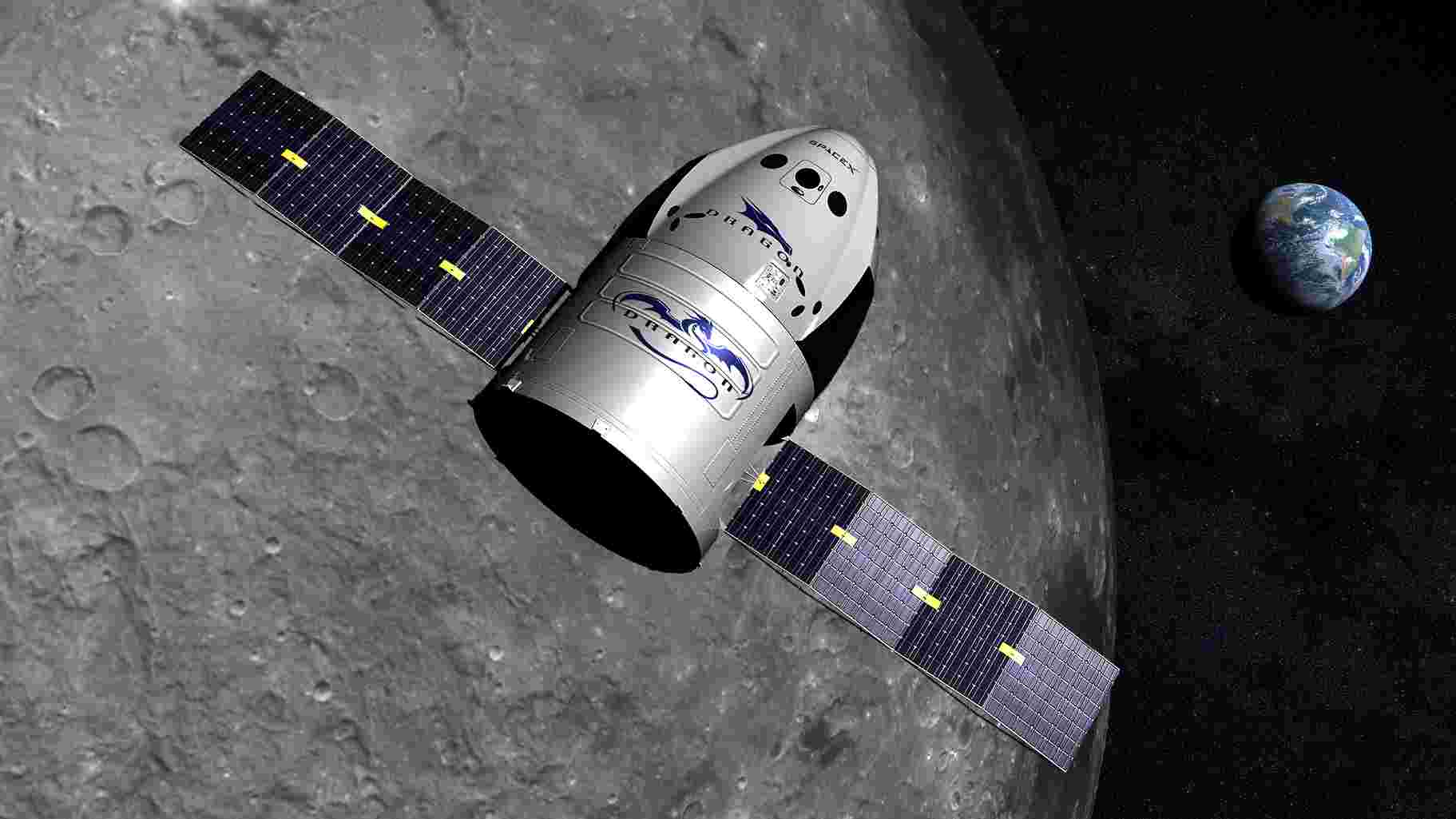
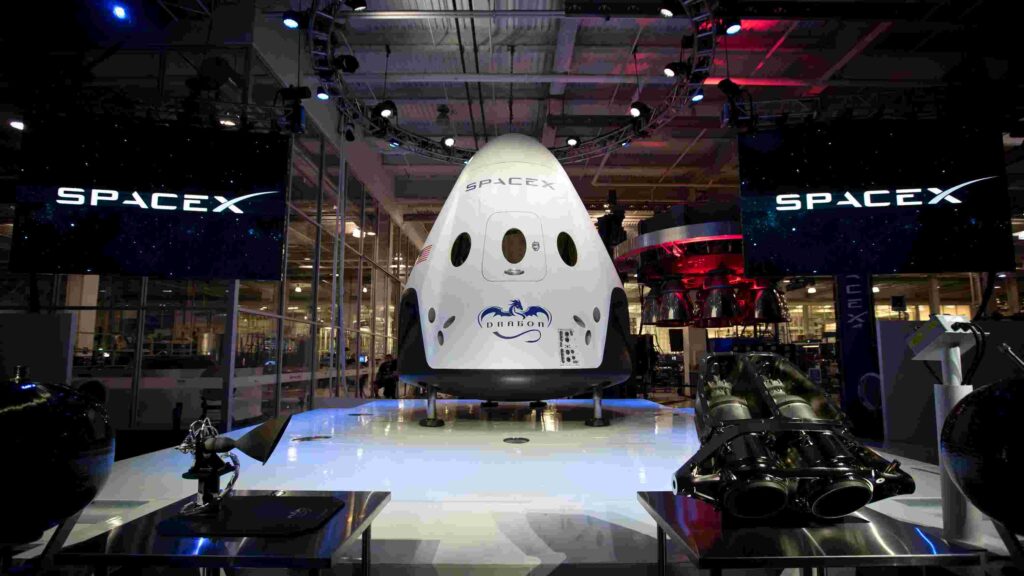
The global space industry is witnessing one of its most dramatic power shifts in decades. Once the undisputed backbone of human spaceflight, Russia’s Soyuz program is now facing unprecedented challenges. With aging infrastructure, political tension, and unexpected operational failures piling up, Roscosmos has quietly turned to NASA for help. And NASA, in turn, has leaned heavily on SpaceX’s Dragon spacecraft—currently the most reliable option available.
But the situation isn’t as simple as one agency helping another. A recent espionage-like scandal, damaged launch infrastructure, and lingering geopolitical tension have made this rescue effort far more complicated than it appears. Let’s break down what’s really happening, why SpaceX holds the upper hand, and what this means for the future of the International Space Station (ISS) and global space cooperation.
A Crippled Launchpad Exposes Roscosmos’ Weakness
The crisis began quietly but escalated fast.
During the Progress MS-28 mission, Roscosmos suffered severe damage to Launch Site 31-6 at Baikonur Cosmodrome. This wasn’t just any launchpad—it was the only remaining pad capable of launching both Soyuz crewed spacecraft and Progress cargo ships to the ISS.
At first, Roscosmos attempted to calm concerns by assuring media outlets that repairs would be completed quickly. But after a deeper technical assessment, officials delivered troubling news to NASA:
The repair would take at least four months—and possibly up to a year.
Why such a long delay?
A Launchpad Frozen in the 1960s
Launch Site 31-6 is built on technology more than 60 years old. Much of the infrastructure relies on Soviet-era components, many of which are no longer manufactured.
To fix the pad, engineers must:
- Rebuild large sections from original blueprints
- Source or recreate obsolete parts
- Conduct extensive safety and stress testing
In reality, this isn’t a repair—it’s a partial reconstruction.
Immediate Fallout: Delayed Progress Missions
The consequences became visible almost instantly.
The Progress MS-33 cargo mission, originally scheduled for December 20, was postponed indefinitely. While the ISS currently has enough supplies to sustain the crew for several months, repeated delays could quickly turn into a life-threatening logistics crisis.
That’s when Roscosmos reached out to NASA—not exactly begging, but requesting urgent assistance.
NASA Turns to SpaceX to Fill the Gap
NASA responded decisively.
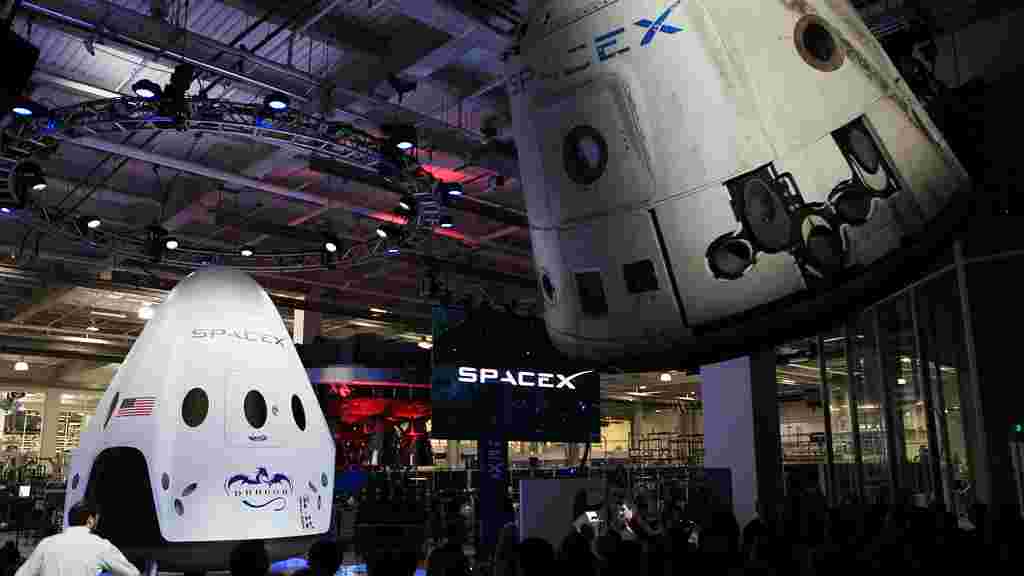
Rather than waiting for Roscosmos to recover, the agency reshuffled its Commercial Resupply Services (CRS) schedule, accelerating several SpaceX Cargo Dragon missions.
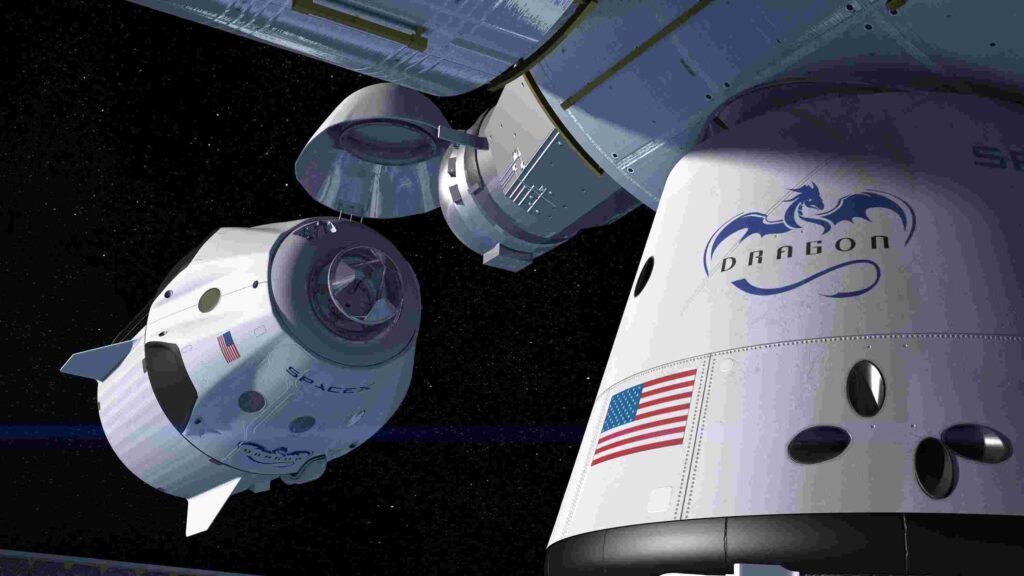
Key Schedule Changes
- CRS-34 moved up by one full month (June → May 2026)
- CRS-35 advanced by three months (November → August 2026)
These adjustments ensure the ISS remains fully supplied—even if Russian Progress flights remain grounded.
But this move came at an awkward time.
The SpaceX–Roscosmos Espionage Scandal
Just days before NASA adjusted the CRS schedule, SpaceX was dealing with a major security incident involving a Russian cosmonaut.
Who Is Oleg Artemyev?
Oleg Artemyev is no rookie:
- 560 days in space
- Veteran Roscosmos cosmonaut
- Selected as the only Russian crew member for SpaceX’s Crew-12 mission, scheduled for February 2026
As part of the cross-flight program, Artemyev trained at SpaceX’s Hawthorne, California facility.
What Went Wrong
During a late-November training session, Artemyev was accused of:
- Photographing restricted SpaceX documents
- Capturing images of engine components and internal systems
- Removing the phone—and data—from the facility
This act constitutes a serious violation of U.S. export control laws, specifically ITAR (International Traffic in Arms Regulations).
Swift Consequences
- Training halted immediately
- Artemyev expelled from the United States
- Joint investigation launched involving NASA, SpaceX, and U.S. security agencies
Roscosmos quickly replaced him with Andrey Fedyaev, a Crew-6 veteran already familiar with Dragon systems.
Whether this was deliberate espionage or a catastrophic lapse in judgment remains unproven. But the damage—to trust—was real.
So Why Would SpaceX Still Help Roscosmos?
With tensions rising, many wondered:
Would SpaceX even agree to help Russia after this incident?
The answer lies in one word: contracts.
NASA Pays, SpaceX Delivers
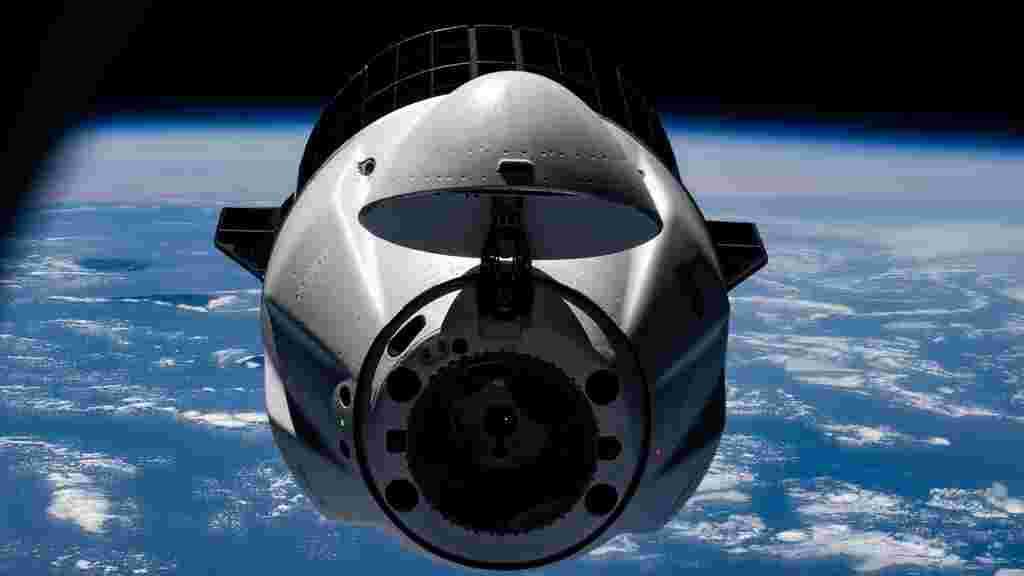
Roscosmos is not paying SpaceX for these missions. NASA is.
The CRS program is a formal, binding contract:
- NASA determines cargo requirements
- NASA controls launch schedules
- SpaceX is obligated to comply if changes are technically feasible and safe
Refusing could result in:
- Financial penalties
- Loss of future task orders
- Long-term damage to SpaceX’s relationship with NASA
And SpaceX values that relationship deeply.
Elon Musk’s Track Record Says It All
Elon Musk is no stranger to rivalry—or pragmatism.
Despite years of competition with Jeff Bezos, SpaceX still agreed to launch Amazon’s Project Kuiper satellites. In 2025 alone:
- Three Falcon 9 missions
- 72 Kuiper satellites deployed
Why?
Business is business.
The same logic applies here. If NASA asks and NASA pays, SpaceX delivers.
Why Dragon Beats Every Alternative
NASA does have other cargo options—but none match Dragon’s combination of cost, capacity, and reliability.
Northrop Grumman Cygnus
- Cost: $250–$400 million per mission
- Launch vehicle issues after Antares retirement
- Ironically launching on Falcon 9 due to Russian engine supply problems
Japan’s HTV-X
- Not a commercial service
- Limited availability
- Part of Japan’s ISS contribution, not NASA’s logistics backbone
SpaceX Dragon
- Lower cost per kilogram
- Reusable spacecraft
- Proven reliability
- Faster launch turnaround
In short, all roads lead back to Dragon.
Why NASA Still Needs Russia (Despite the Politics)
Russia publicly threatened to leave the ISS after 2028—but reality is more complex.
The ISS Is Interdependent
- Russian Segment: Propulsion, reboost, debris avoidance
- U.S. Segment: Power, cooling, research, living space
Neither side can operate the ISS alone.
If Russian cargo deliveries fail:
- Propellant levels drop
- Orbital safety is compromised
- American astronauts are at risk
That’s why the cross-flight program continues:
- Americans fly on Soyuz
- Russians fly on Dragon
Redundancy equals survival.
The Russian Orbital Service Station (ROS): The Bigger Picture
Russia’s threats weren’t empty.
ROS Is Already Underway
- Preliminary design approved in 2024
- Official development schedule signed in July 2025
- First module planned for launch around 2028 using Angara A5M
Russia aims to avoid a gap in human spaceflight once the ISS retires—especially since most next-generation stations (Axiom, Orbital Reef, Haven-1) are U.S.-led.
Long-Term Vision
- 4 modules by 2030
- Potential expansion to 6–7 modules
- Industrial, commercial, and tourist capabilities
- Replaceable modules for indefinite operation
Russia isn’t retreating from space—they’re restructuring.
The Real Bottleneck: Launchpad 31-6
None of these ambitions matter if Soyuz can’t fly.
Repair timelines vary wildly:
- Best case: 4–6 months
- Likely: 1–2 years
- Worst case: 3 years if parts must be recreated from Soviet-era stock
Russia has no plans to build a new pad at Baikonur, as it seeks to reduce dependence on Kazakhstan.
Until repairs are complete, NASA and SpaceX are the lifeline.
Final Thoughts: A New Space Order
This situation highlights a stark reality:
- SpaceX is now indispensable
- NASA is the central stabilizer
- Roscosmos is no longer self-sufficient
Despite scandals, politics, and bruised egos, cooperation continues—not out of goodwill, but necessity.
As long as the ISS remains in orbit, Dragon will keep flying, Falcon 9 will keep launching, and space will remain one of the last domains where rivals must work together.
And for now, when Russia stumbles, SpaceX is the one holding the ladder.
FAQs
1. Why is the Russian Soyuz program in trouble right now?
The Russian Soyuz program is facing serious issues due to damage at Launch Site 31-6, the only remaining pad capable of launching Soyuz and Progress missions to the ISS. Repairs involve outdated Soviet-era technology, causing long delays and disrupting cargo and crew schedules.
2. What happened to the Soyuz launchpad at Baikonur?
The launchpad was damaged during the Progress MS-28 mission. Because it was built over 60 years ago, repairing it requires rebuilding major components from original designs, significantly extending the repair timeline.
3. How long will it take Roscosmos to repair the launchpad?
Roscosmos estimates a minimum of four months, but realistic projections suggest one to two years, and possibly longer if replacement parts must be recreated from old Soviet inventories.
4. Why did Roscosmos ask NASA for help?
With Progress cargo missions delayed, Roscosmos risked supply shortages aboard the ISS. To prevent a crisis, they requested NASA’s assistance to help maintain cargo deliveries during the repair period.
5. How did NASA respond to Russia’s request?
NASA adjusted its Commercial Resupply Services (CRS) schedule, moving several SpaceX Dragon cargo missions earlier to compensate for the missing Russian Progress flights.
6. Why did NASA choose SpaceX Dragon instead of other cargo spacecraft?
SpaceX Dragon offers the best combination of reliability, cargo capacity, speed, and cost efficiency. No other active spacecraft can match Dragon’s performance and availability.
7. Is Roscosmos paying SpaceX for these rescue missions?
No. NASA is paying SpaceX, not Roscosmos. The missions are part of NASA’s existing CRS contract with SpaceX.
8. Does SpaceX have the right to refuse helping Russia?
Under the CRS contract, SpaceX must comply with NASA’s requests as long as they are technically feasible and safe. Refusal could result in penalties or loss of future NASA contracts.
9. What was the SpaceX espionage scandal involving a Russian cosmonaut?
A Russian cosmonaut training at SpaceX was accused of photographing sensitive documents and hardware, then removing the data from the facility—an alleged violation of U.S. export control laws.
10. Who was involved in the SpaceX security incident?
The incident involved Oleg Artemyev, a veteran Russian cosmonaut selected for SpaceX’s Crew-12 mission. He was later replaced by Andrey Fedyaev.
11. Did this scandal affect NASA–SpaceX cooperation with Russia?
While it increased tension, it did not stop cooperation. ISS safety and contractual obligations outweigh political and security concerns.
12. Why does NASA still work with Russia despite political tensions?
The ISS is interdependent. Russia provides propulsion and orbital control, while the U.S. provides power and living space. Neither side can operate the station alone.
13. What is the cross-flight program and why is it important?
The cross-flight program allows Americans to fly on Soyuz and Russians on Dragon, ensuring each side always has trained personnel aboard to operate all station systems.
14. Are there alternatives to SpaceX Dragon for ISS resupply?
Yes, but they are limited. Northrop Grumman’s Cygnus is more expensive and currently launches on Falcon 9, while Japan’s HTV-X cannot fully cover NASA’s cargo needs.
15. What is Russia’s Orbital Service Station (ROS)?
ROS is Russia’s planned post-ISS space station, with the first module targeted for launch around 2028 using the Angara A5M rocket.
16. Is Russia planning to leave the ISS permanently?
Russia has agreed to remain on the ISS until at least 2028, and possibly 2030, depending on the progress of ROS and ISS operational needs.
17. What does this situation mean for the future of spaceflight?
It highlights a major shift in space power: SpaceX has become indispensable, NASA remains the stabilizing force, and global space cooperation now depends more on commercial providers than national agencies.
Read More:
- Tesla stock closes at all-time high on heels of Robotaxi progress
- Tesla enters interesting situation with Full Self-Driving in California
- Tesla Cybertruck gets small change that makes a big difference
- Elon Musk takes latest barb at Bill Gates over Tesla short position
- New EV tax credit rule could impact many EV buyers
1 thought on “Russian Soyuz is in Big Trouble, NASA Orders SpaceX Dragon To Rescue”