


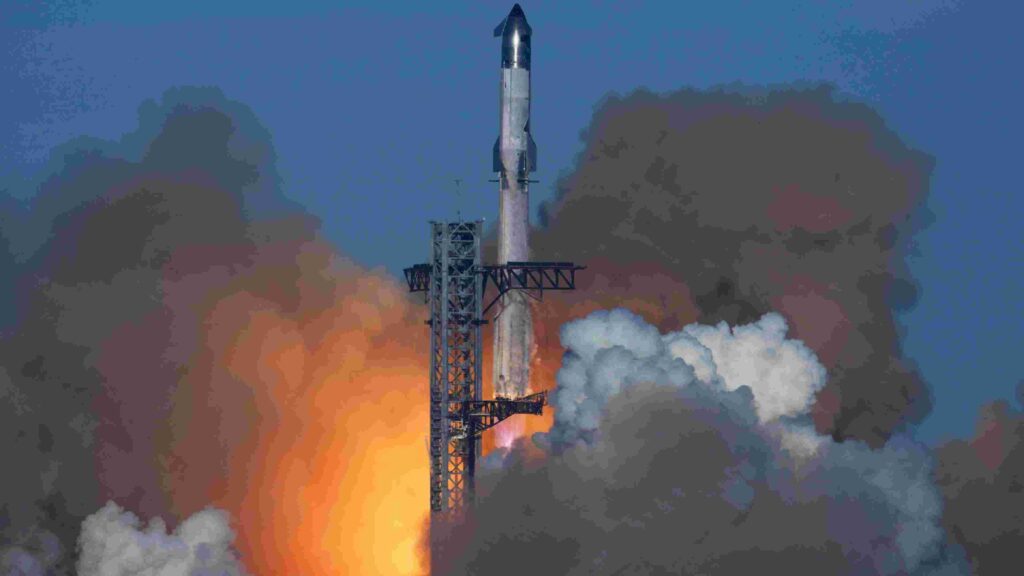
The idea of catching a rocket in mid-air once sounded like pure science fiction. Today, it is quickly becoming reality. As we reach the final days of 2025, SpaceX is closer than ever to achieving one of the most ambitious engineering feats in human history: catching both the Super Heavy booster and the Starship upper stage using Mechazilla’s giant chopsticks.
This milestone is far more than a flashy stunt. It represents the final puzzle piece needed for full and rapid reusability, a requirement for orbital refueling, lunar missions, and ultimately human settlement on Mars. With Flight 13 on the horizon, the aerospace world is holding its breath.
In this in-depth, we’ll explore why SpaceX hasn’t caught Starship yet, why 2026 changes everything, and how Flight 13 could become one of the most important launches ever attempted.
Why Catching Starship Matters So Much
Catching the Starship upper stage with Mechazilla isn’t just about saving hardware. It’s about unlocking a new era of spaceflight.
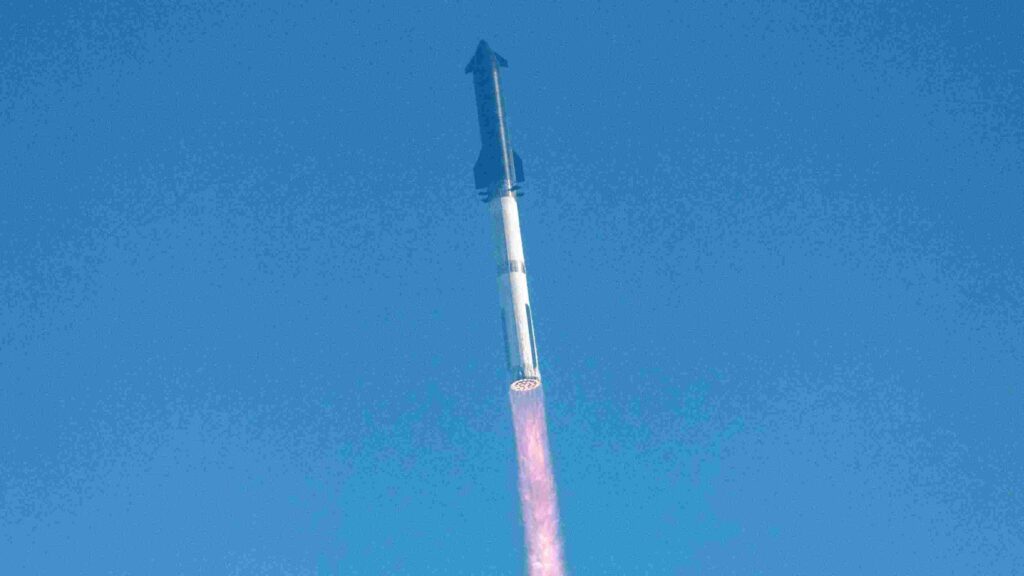
Full Reusability Is the End Goal
SpaceX’s vision has always gone beyond partial reusability. Falcon 9 proved that boosters could be reused, slashing launch costs dramatically. Starship takes this concept further by aiming for:
- 100% reusability
- Rapid turnaround times
- Minimal refurbishment
- Massive payload capacity
Without catching Starship, these goals remain incomplete.
Orbital Refueling Depends on It
Orbital refueling is essential for:
- Starship HLS lunar missions
- Deep space exploration
- Mars transport architecture
To refuel ships in orbit efficiently, SpaceX must be able to launch, recover, and relaunch Starships at an unprecedented cadence. Ocean splashdowns simply aren’t fast enough.
2025: A Huge Year for Starship—But With Limits
Although SpaceX flew only five Starship missions in 2025, the progress made was extraordinary.
Major Achievements in 2025
- Two successful Super Heavy booster catches
- Multiple dummy Starlink payload deployments
- Validated hot-staging procedures
- Improved Raptor engine reliability
Despite this, nearly all progress centered on Super Heavy, not Starship itself.
Why Starship Hasn’t Been Caught Yet
The answer is simple: stability and survivability.
From Flight 7 through Flight 9, SpaceX experienced three consecutive Starship failures, with vehicles breaking apart mid-flight. Even the last two successful missions returned with:
- Severely damaged heat shields
- Structural weakening
- High re-entry stress
Attempting a tower catch under those conditions would have been reckless.

Why 2026 Changes Everything
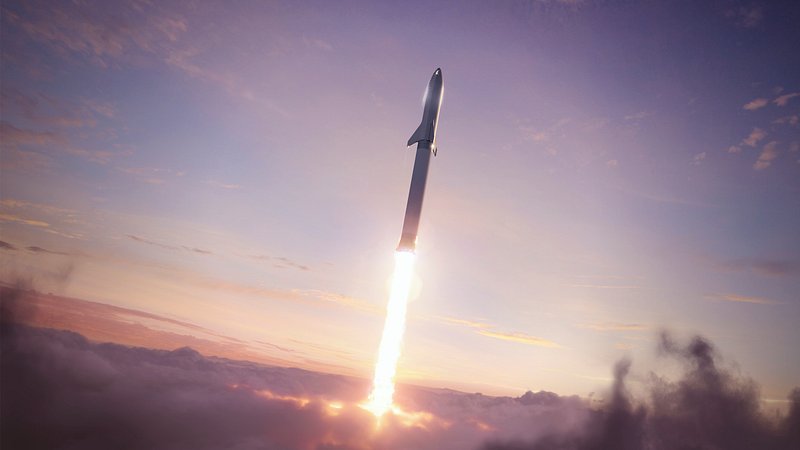
The transition to Starship Version 3 (V3) is the turning point.
What Makes Starship V3 Different
Starship V3 introduces:
- Stronger stainless-steel structures
- Improved thermal protection systems
- Optimized aerodynamics
- Better control authority during re-entry
These upgrades directly address the weaknesses that prevented earlier catch attempts.
Elon Musk’s Timeline Hint
Back in October, Elon Musk hinted that a Starship catch would likely occur between Flight 13 and Flight 15, depending on how V3 performs.
This makes one thing clear:
- Flight 12 will not attempt a Starship catch
- Flight 13 is the real contender
Why Flight 12 Is a Critical Stepping Stone
Before attempting something as risky as a tower catch, SpaceX needs data.
Flight 12’s Primary Objectives
- Test new V3 hardware
- Validate updated flight software
- Push Starship closer to true orbital performance
- Identify remaining weak points
Starship hasn’t even reached a fully operational orbit yet, so Flight 12 will likely push limits rather than play it safe.
A successful re-entry and clean ocean splashdown on Flight 12 would set the stage for something historic.
Flight 13: The Mission That Could Change Everything
If timelines hold, Flight 13 could launch in late March or early April, using Booster 20 and Ship 40.
Why This Timeline Is Realistic
Booster 19 was completed in just 28 days, proving SpaceX’s manufacturing speed is accelerating rapidly.
Assuming similar progress:
- Booster 20 and Ship 40 could be ready on schedule
- Pad B infrastructure will be fully operational
How Flight 13 Could Unfold
Liftoff and Ascent
Flight 13 would lift off from Pad B, powered by:
- 33 Raptor 3 engines
- Nearly 9,300 tons of thrust
- Improved thrust-to-weight ratio
At around T+2 minutes 39 seconds, hot staging would occur.
Super Heavy Booster Catch Sequence
After separation, Booster 20 would:
- Execute a boost-back burn
- Return to the launch site
- Perform a landing burn using ~13 engines, throttling down to 3
The Catch
- Mechazilla’s chopsticks guide the booster
- A clean mid-air catch at Pad B
- Booster remains on the tower for cooling
- Transported to Mega Bay for refurbishment
This alone would be impressive—but the real magic happens next.
Starship’s Historic Return
Ship 40 would continue into full orbit, carrying:
- Up to 30 dummy Starlink payloads
- Thanks to Raptor 3’s increased performance
In-Space Demonstrations
- Multiple engine relights
- Orbital maneuvering tests
- Fuel management validation
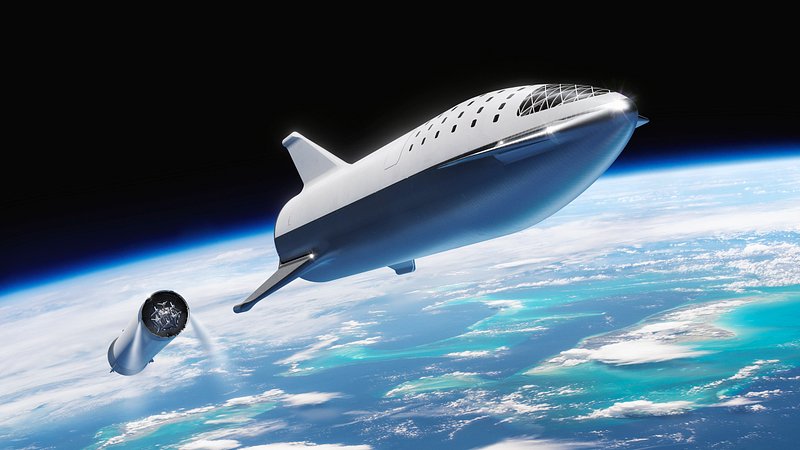
The First Ever Starship Catch
At around T+1 hour 6–8 minutes, Starship would:
- Begin re-entry
- Perform its flip maneuver
- Ignite engines for landing burn
- Slow to just a few meters per second
Instead of splashing down in the Indian Ocean, Starship would be caught mid-air by Mechazilla.
This would mark:
- The first fully reusable orbital rocket system
- A defining moment in aerospace history
Why This Shakes the Entire Industry
We’ve seen this story before.
Falcon 9 Changed Everything
Before Falcon 9:
- Launches cost hundreds of millions
After: - Costs dropped to around $67 million
Competitors rushed to adapt:
- Rocket Lab’s Neutron
- Blue Origin’s New Glenn
- New Shepard

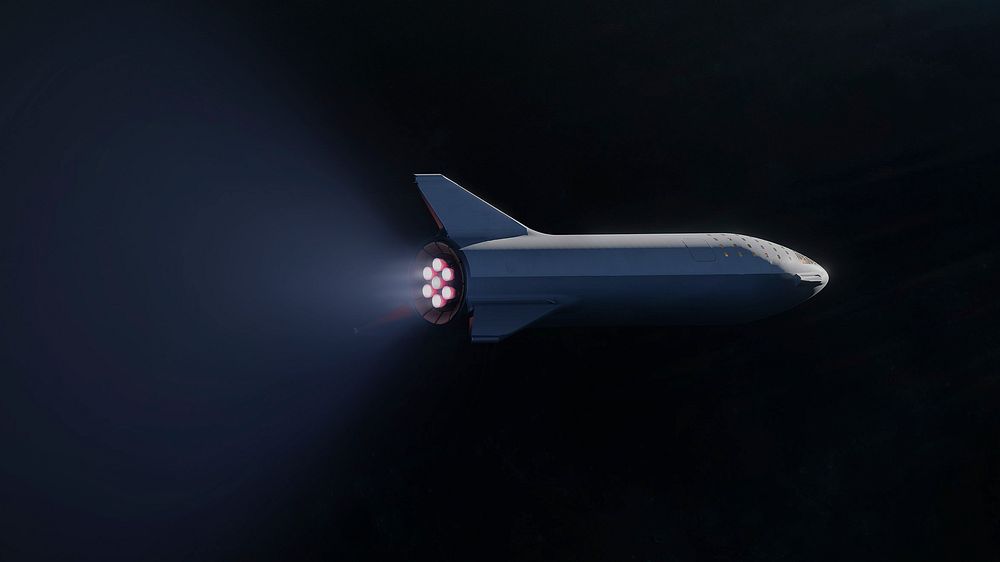
Starship Will Do It Again—But Bigger
Fully reusable Starship could:
- Drop launch costs below $10 million
- Deliver up to 150 tons to LEO
- Eliminate heavy landing legs
- Enable ultra-fast turnaround
Catching vehicles at the launch site removes days—or weeks—of recovery time.
Why Speed Is Everything
Building a Moon base or Mars base requires:
- Dozens or hundreds of launches
- Extremely high cadence
- Minimal downtime
With ocean landings:
- Boosters take 3–7 days to return
- Refurbishment is slower
- Cadence collapses
With tower catches:
- Turnaround could happen in hours or days
- Missions scale exponentially
The Serious Risks of Mechazilla
Despite its promise, tower catching has major drawbacks.
Infrastructure Dependency
- No safe alternate landing zone nearby
- Bad weather or technical issues force ocean splashdowns
Corrosion Dangers
- Seawater causes rapid corrosion
- Booster 11 became unusable within days
- Booster 13 suffered permanent Raptor damage
The Chopstick Risk
A guidance error of 1–2 meters could:
- Slam a vehicle into the tower
- Destroy the launch pad
- Cause $50–100 million in damage
- Delay missions by months
The Ship 36 explosion in June 2025 already proved how destructive padside failures can be.
Why SpaceX Needs Backup Options
SpaceX is moving toward:
- Multiple launch towers
- Redundant infrastructure
- Higher resilience
Still, flexibility is critical.
Should SpaceX Use Drone Ships Instead?
Drone ship landings are:
- Proven
- Reliable
- Visually stunning
But they:
- Require landing legs
- Increase vehicle mass
- Slow down turnaround
For high-tempo missions, they simply don’t scale.
The Case for Landing Legs—Beyond Earth
Landing legs are essential for:
- Moon missions
- Mars landings
- Uneven terrain
- Loose regolith
Elon Musk emphasized this in 2023, stating:
“And that’s how we’ll land on Mars.”
Starship HLS and Planetary Landings
For the Moon:
- Folding and fixed landing leg designs
- Optimized for low gravity and dust
For Mars:
- Higher gravity
- Rougher terrain
- Far more demanding conditions
Details remain secret, but expectations are high.
The Third Option: Expendable Landings
As a last resort, SpaceX can:
- Dispose of vehicles in designated ocean zones
- Avoid infrastructure risk
- Preserve mission timelines
It contradicts SpaceX’s philosophy—but provides critical resilience.
Final Thoughts: Why Flight 13 Truly Matters
If Flight 13 succeeds, it won’t just be another launch.
It will represent:
- Full reusability achieved
- Launch costs slashed again
- The foundation for lunar and Mars bases
- A new industrial revolution in space
History shows that when SpaceX proves something works, the entire industry follows.
Flight 13 could be that moment—again.
FAQs
1. What does it mean to catch Starship with Mechazilla?
Catching Starship means using the launch tower’s mechanical arms, known as Mechazilla’s chopsticks, to grab the vehicle mid-air instead of letting it land in the ocean. This enables rapid reuse and eliminates the need for heavy landing legs.
2. Why is SpaceX trying to catch rockets instead of landing them normally?
Tower catches allow SpaceX to:
- Reduce vehicle mass
- Speed up refurbishment
- Increase launch cadence
- Lower overall mission costs
This approach is essential for high-frequency missions to the Moon and Mars.
3. Has SpaceX already caught a Super Heavy booster?
Yes. In 2025, SpaceX successfully caught two Super Heavy boosters using Mechazilla, proving the concept works for the first stage.
4. Why hasn’t Starship been caught yet?
Starship has faced stability and heat shield issues. Earlier flights suffered mid-air failures or returned in weakened condition, making a tower catch too risky until newer designs were ready.
5. What is different about Starship Version 3 (V3)?
Starship V3 features:
- Stronger structural design
- Improved heat shield durability
- Better re-entry control
- Enhanced Raptor engine integration
These upgrades make tower catches far more realistic.
6. Will Flight 12 attempt to catch Starship?
No. Flight 12 is expected to be a test flight focused on validating new hardware and software, likely ending with an ocean splashdown.
7. Why is Flight 13 so important?
Flight 13 could be the first mission where both Super Heavy and Starship are caught at the launch site, completing SpaceX’s vision of a fully reusable orbital rocket system.
8. When is Flight 13 expected to launch?
If production timelines hold, Flight 13 could launch in late March or early April, depending on vehicle readiness and test results.
9. What engines power Flight 13?
Flight 13 is expected to use Raptor 3 engines, which offer higher thrust, improved efficiency, and greater reliability compared to earlier versions.
10. How much payload can Starship carry with full reusability?
Starship could eventually deliver up to 150 tons to low Earth orbit, making it the most powerful operational rocket ever built.
11. Why is orbital refueling so important?
Orbital refueling allows Starship to:
- Travel beyond Earth orbit
- Support lunar missions
- Enable Mars exploration
Without rapid reuse and refueling, deep-space missions become impractical.
12. What are the risks of catching Starship with Mechazilla?
Major risks include:
- Precision errors during guidance
- Potential collision with the launch tower
- Damage to critical infrastructure
Even small miscalculations could cause costly delays.
13. Why not just use drone ship landings like Falcon 9?
Drone ships require:
- Landing legs
- Long recovery times
- Slower refurbishment
They work well for satellites but don’t support the high launch cadence SpaceX needs for Moon and Mars missions.
14. Does seawater really damage rockets that badly?
Yes. Seawater causes rapid corrosion. Past boosters recovered from the ocean suffered severe damage to engines, electronics, and structural components within days.
15. Will Starship have landing legs for the Moon and Mars?
Yes. While Earth-based Starships rely on tower catches, lunar and Mars variants will use specialized landing legs designed for uneven terrain and different gravity conditions.
16. What happens if a tower catch fails?
SpaceX has backup options, including:
- Ocean splashdowns
- Expendable landings in designated zones
These options help protect launch schedules during emergencies.
17. Why is full reusability such a big deal for spaceflight?
Full reusability could:
- Reduce launch costs below $10 million
- Enable rapid mission turnaround
- Make Moon bases and Mars settlements realistic
It represents a fundamental shift in how humanity accesses space.
Read More:
- Tesla analyst breaks down delivery report: ‘A step in the right direction’
- Tesla Q4 delivery numbers are better than they initially look: analyst
- Tesla CEO Elon Musk drops massive bomb about Cybercab
- Elon Musk’s $99,999 Electric Plane 2026: The Future of Aviation Is Here
- BOXABL! New Tiny House 2026 Inside Too Amazing! $0 Tax & Tesla Rumors Producing