
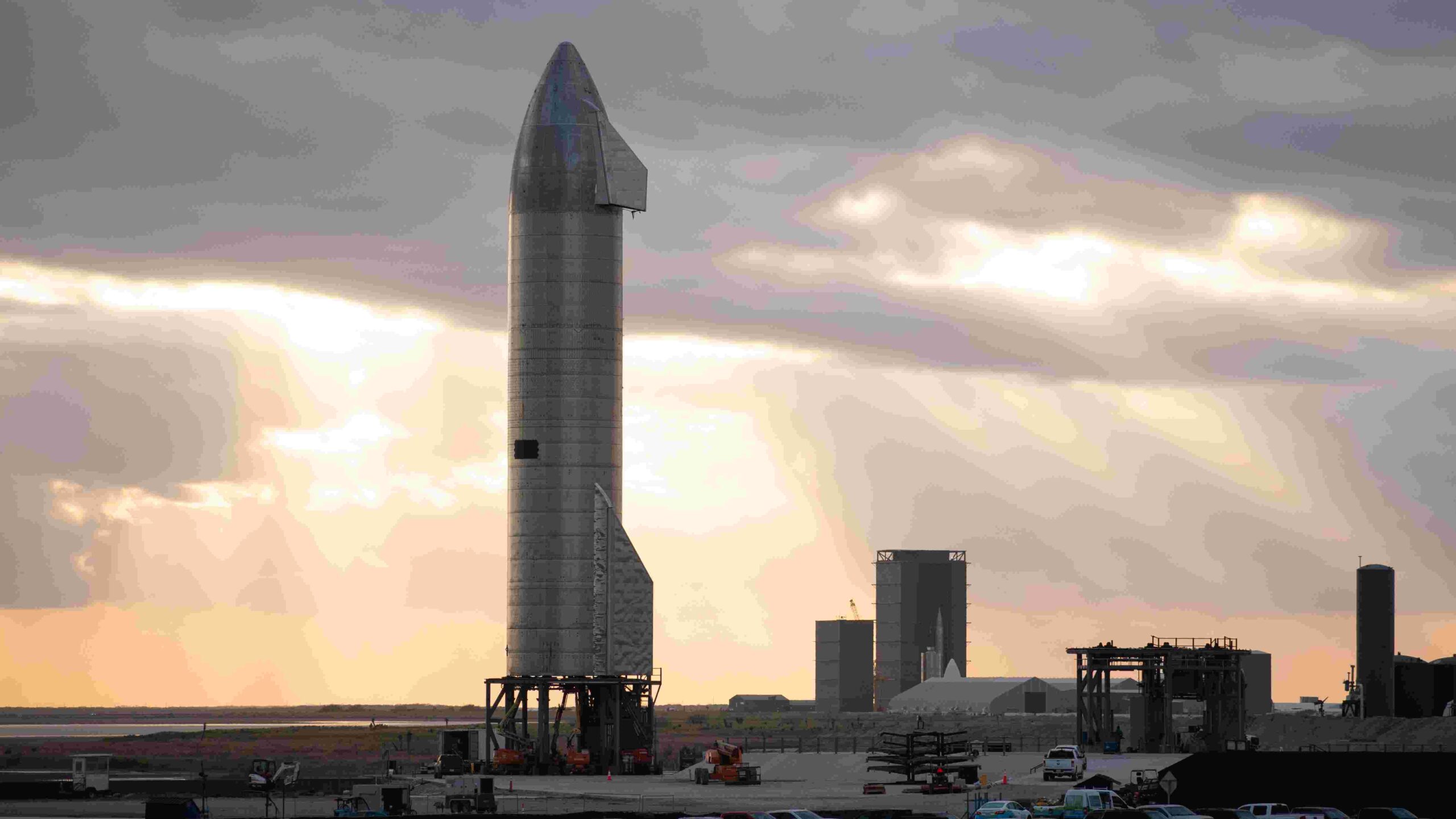
SpaceX has been making remarkable progress with Ship 39 and Booster 18, the duo set to fly on Starship Flight 12. Space enthusiasts have debated whether this launch could happen before the end of 2025 or if it will slip into the next year.
Recently, SpaceX’s Vice President of Launch, Kiko Donv, provided clarity at a major space event, officially confirming the timeline. In this blog, we’ll break down everything you need to know about the Starship V3 program, the key personnel behind SpaceX’s success, and what this means for the future of space exploration.
SpaceX’s Leadership: The Secret Behind Its Success
While Elon Musk often gets the spotlight, SpaceX’s progress depends heavily on its team. Among the key figures driving innovation:
Gwynne Shotwell: The Powerhouse Executive
Gwynne Shotwell is a phenomenal leader who practically carries the workload of three executives. She has been instrumental in securing multi-billion-dollar contracts with NASA and the US Department of Defense. Shotwell’s influence ensures that SpaceX not only innovates in technology but also maintains a robust business model, providing stability for ambitious projects like Starship.
Kiko Donv: The Launch Maestro
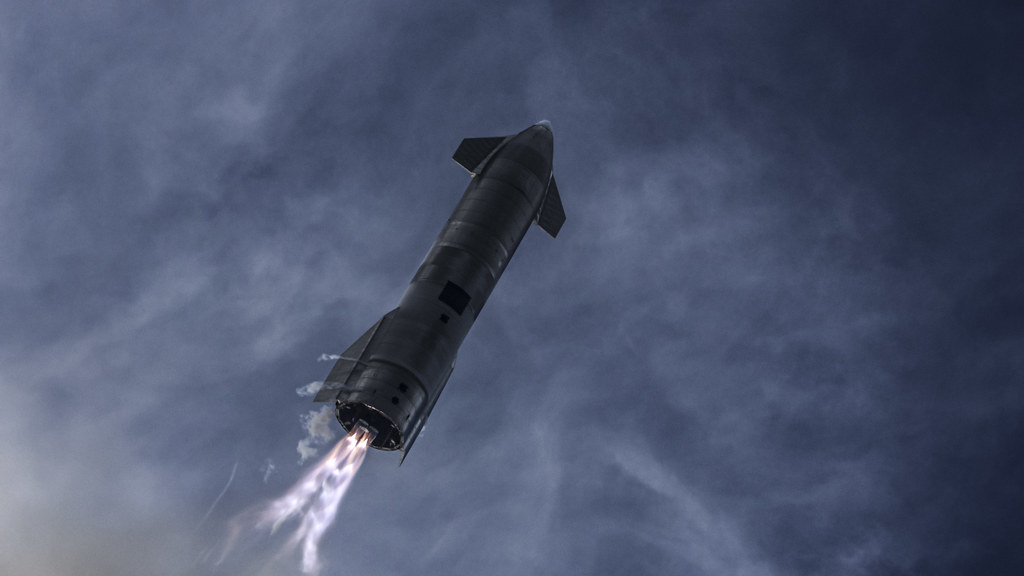
Another key figure is Kiko Donv, SpaceX’s Vice President of Launch. Joining the company in May 2010, Donv initially led the development of lithium-ion batteries for the Dragon spacecraft and Falcon 9 rocket. His contributions have helped make hundreds of Falcon 9 launches per year possible, a feat once thought impossible. Over the years, Donv has risen to oversee all launch operations across every SpaceX vehicle, ensuring seamless integration of spacecraft and booster technologies.
At the Space Economy Summit 2025 in London on November 5th, Donv officially confirmed that Starship Flight 12 is expected to launch as early as January 2026, officially closing the door on any Starship flights occurring in 2025.
Starship V3: What This Means for SpaceX
This timeline signifies a major milestone in the evolution of Starship. While 2025 has focused on Starship V2, 2026 will usher in Starship V3, marking an annual upgrade to the program. This methodical progression reflects SpaceX’s approach to iterative development—learning from past prototypes to improve reliability and operational efficiency.
Some SpaceX fans speculate that the launch could take place around mid-January, possibly even January 16th, 2026, mirroring the historic Starship Flight 7, the first mission of the VO2 era. If this symbolic timing holds true, it would provide a compelling media narrative, further cementing SpaceX’s reputation in the space industry.
Preparing for Starship Flight 12: Key Components
For the upcoming launch, SpaceX has four critical elements to prepare: Ship 39, Booster 18, Launchpad 2, and the Massie Test Site. Let’s examine each component in detail.
Ship 39: The Starship Vehicle
Ship 39 has already been fully stacked with all four sections and now stands inside Mega Bay 2. Recent updates show the vehicle lifted over the transfer tube installed jig, a critical milestone. The remaining tasks include:
- Installing aft and forward flaps
- Attaching heat shield tiles
- Running a cryo test to verify the fuel tanks can withstand extreme pressures
If everything stays on track, Ship 39 could complete its cryogenic test by mid-December 2025, followed by payload mounting and installation of the Flight Termination System (FTS). The vehicle is expected to reach fully flight-ready status by January 10th, 2026, about a week before launch.
Booster 18: The Superheavy Stage
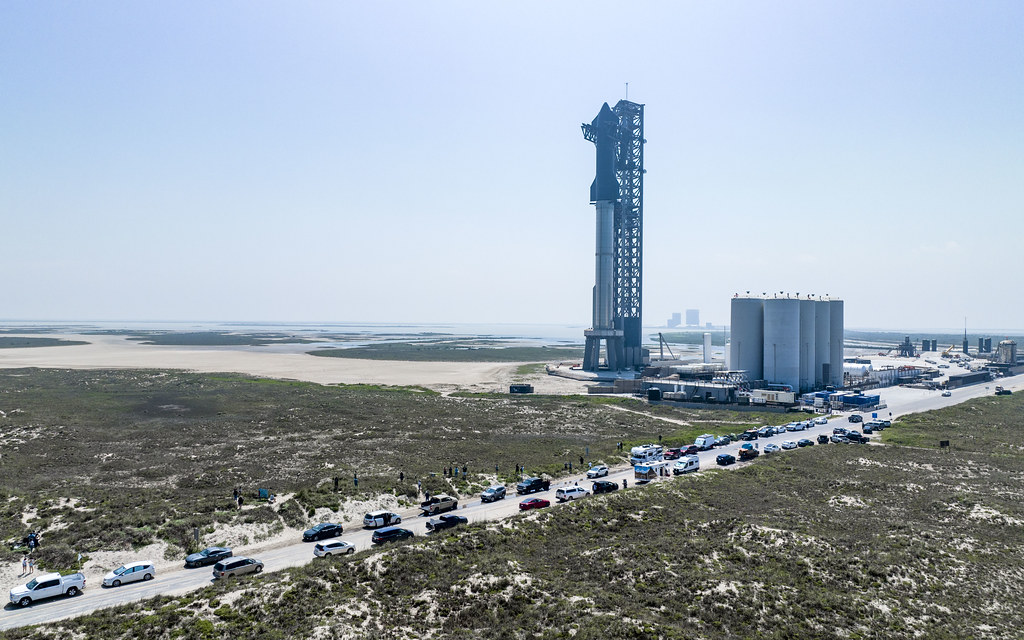
Booster 18 (B18), the superheavy rocket stage, is still preparing for its tests. Its forward section now features an upgraded hot staging ring, but the booster hasn’t yet rolled out to the launch site. Donv indicates that this rollout will occur within the next few days or weeks.
Once at the launch site, B18 will undergo:
- Cryogenic testing at the Massie Test Site, featuring a fully installed Booster Quick Disconnect system
- Engine installation toward the end of November
- Static fire test on Launchpad 2, igniting all engines simultaneously for the first time
This process ensures that the booster is fully tested and ready for the flight, keeping the end-of-January launch window theoretically achievable.
Launchpad 2: SpaceX’s New Frontier
Flight 12 will be the first mission launched from Launchpad 2, requiring major upgrades for high-frequency operations. Recent progress includes:
- Completion of the new launch mount
- Installation of additional base shielding
- Venting activities near the tank farm
- Water deluge tests for flame trench cooling
These upgrades are crucial for Block 3 Starship missions, ensuring safety and efficiency for future flights.
Massie Test Site: Rebuilding After Catastrophe
The Massie Test Site in Starbase, Texas suffered severe damage in June 2025 during the Ship 36 explosion. Repairs and upgrades have now largely been completed, including:
- Modular, easy-to-maintain methane storage tanks
- Liquid nitrogen ventilation fans
- A new protective bunker
- Repairs to the flame deflector
The site is now fully operational, supporting Block 3 Starship testing and the upcoming Flight 12 mission.
Why the Delay is Actually a Good Thing
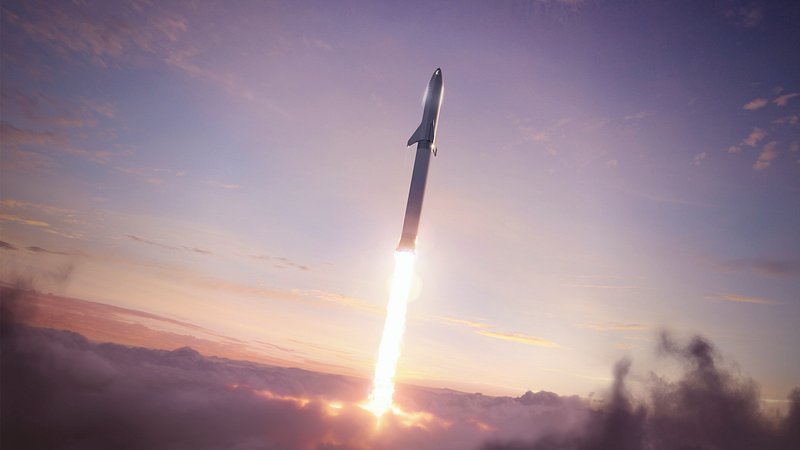
Although some fans may be disappointed by the shift from 2025 to 2026, this delay offers several advantages:
- Enhanced safety: Extra time allows thorough testing of Ship 39, Booster 18, Launchpad 2, and Massie Test Site systems.
- Operational reliability: Starship V3 represents the transition from experimental to operational capability, incorporating lessons learned from previous versions.
- Optimized scheduling: Ensures that ambitious 2026 objectives, including orbit demonstrations, payload deployment, and stage recovery, remain achievable.
This careful approach ensures that when V3 finally launches, it does so with reliability and precision, laying the groundwork for future V4 and beyond.
SpaceX Leadership and NASA: A Dynamic Collaboration
Exciting developments are also happening on the NASA leadership front. Jared Isaacman has been renominated for a key NASA position, signaling renewed confidence in his leadership. Isaacman’s track record includes:
- Founder of Shift4, a payment processing company
- Organizing and commanding private astronaut missions aboard SpaceX spacecraft
- Conducting the first-ever private spacewalk during the Polaris Dawn mission
His potential confirmation could stabilize SpaceX-NASA collaboration, particularly regarding lunar missions like Artemis 3, ensuring alignment between private and government space exploration objectives.
Partner Progress: Vast Space and Commercial Milestones
SpaceX’s partners are also making strides. On November 2nd, 2025, Vast Space successfully launched its Haven Demo satellite aboard a SpaceX vehicle from Cape Canaveral, marking a key milestone in technology demonstrations and private-sector space innovation.
Key Takeaways: What This Means for Starship V3
By analyzing all these factors, several key points emerge:
- Starship Flight 12 will likely not launch until January 2026
- Ship 39, Booster 18, and supporting infrastructure are well on their way to readiness
- The delay offers safety, reliability, and operational benefits
- SpaceX is clearly preparing for high-frequency Starship operations in the coming years
- NASA leadership changes and partner progress suggest a stable and innovative future for the space economy
Final Thoughts: The Future of SpaceX and Starship
SpaceX continues to push the boundaries of space exploration, combining visionary leadership with meticulous engineering. While fans may be eager for the launch, the preparations for V3 are unprecedented, setting the stage for a reliable, operational Starship system.
2026 promises to be a landmark year: a fully validated V3, high-frequency launches, payload deployments, and potentially the first steps toward lunar missions. The transition from V2 to V3 is more than a technical upgrade—it represents SpaceX maturing into a true spacefaring company capable of sustained operations in orbit and beyond.
Whether you’re a space enthusiast or just fascinated by innovation, the Starship V3 launch schedule is a milestone worth following closely. Stay tuned, because SpaceX is only just getting started.
FAQs
1. When will Starship Flight 12 launch?
Starship Flight 12 is expected to launch as early as January 2026, according to SpaceX Vice President of Launch, Kiko Donv.
2. Which vehicles are involved in Starship Flight 12?
The mission will use Ship 39 (Starship) and Booster 18 (Superheavy stage).
3. Why was the Starship V3 launch delayed to 2026?
Delays ensure thorough testing of spacecraft, booster, launchpad, and ground systems to improve safety, reliability, and operational readiness.
4. Who is Kiko Donv and what is his role at SpaceX?
Kiko Donv is the Vice President of Launch at SpaceX, overseeing all launch operations for the company’s vehicles.
5. What are the key tasks left for Ship 39 before launch?
Ship 39 still needs aft and forward flaps installation, heat shield tiles attachment, cryo testing, payload mounting, and Flight Termination System installation.
6. What is Booster 18, and what tests will it undergo?
Booster 18 is the Superheavy rocket stage. It will undergo cryogenic testing, engine installation, and a static fire test before being integrated with Ship 39.
7. What is Launchpad 2, and why is it important?
Launchpad 2 is SpaceX’s new launch site for Starship Flight 12. It features upgraded mounts, reinforced structures, flame trench improvements, and water deluge systems for high-frequency Starship operations.
8. What improvements were made to the Massie Test Site?
The Massie Test Site was rebuilt after the Ship 36 explosion, with upgrades including modular fuel tanks, ventilation systems, a protective bunker, and repaired flame deflectors.
9. Who is Gwynne Shotwell and why is she important for SpaceX?
Gwynne Shotwell is SpaceX President and COO, instrumental in securing multi-billion-dollar NASA and DoD contracts and driving overall company operations.
10. Will Starship V3 be operational or still a prototype?
V3 represents the transition to operational capability, incorporating lessons from previous Starship versions to ensure reliable, high-frequency flights.
11. How does Starship V3 differ from V2?
V3 features optimized engines, refined structures, and streamlined ground operations, making it more efficient, reliable, and mission-ready compared to V2.
12. What major milestones are expected for Starship in 2026?
Key milestones include V3 demonstration flights, orbital missions, payload deployments, and booster and stage recovery testing.
13. How does NASA leadership affect SpaceX missions?
Potential confirmation of Jared Isaacman could align NASA and SpaceX objectives, ensuring smoother collaboration on projects like Artemis 3 and lunar missions.
14. What is the symbolic significance of mid-January 2026 for Starship?
Mid-January could coincide with the same date as Starship Flight 7, marking a symbolic milestone for the VO2 era and SpaceX’s evolving Starship program.
15. How does the delay impact SpaceX’s broader schedule?
While the delay compresses the 2026 timeline, it ensures thorough validation of V3 systems and reduces risks for future orbital launches and lunar missions.
16. Which SpaceX partners are advancing alongside Starship development?
Partners like Vast Space are making progress, with milestones like the Haven Demo satellite launch aboard SpaceX vehicles, supporting the broader space economy.
Read More:
- Tesla Superchargers crowned best EV charging network in the UK for 2025
- China considering EV acceleration limits to curb high-speed accidents
- Tesla reportedly testing Apple CarPlay integration: report
- 2025 Tesla Pi Phone Under $317 is HERE. Elon Musk Unveils 7 Features
- Tesla Semi Finally Refresh, Elon Musk SHOCKED NEW Payload & Amazing 2026 Design For FSD
1 thought on “SpaceX just revealed first Starship V3 Launch Schedule NOT as Soon As You Think”