
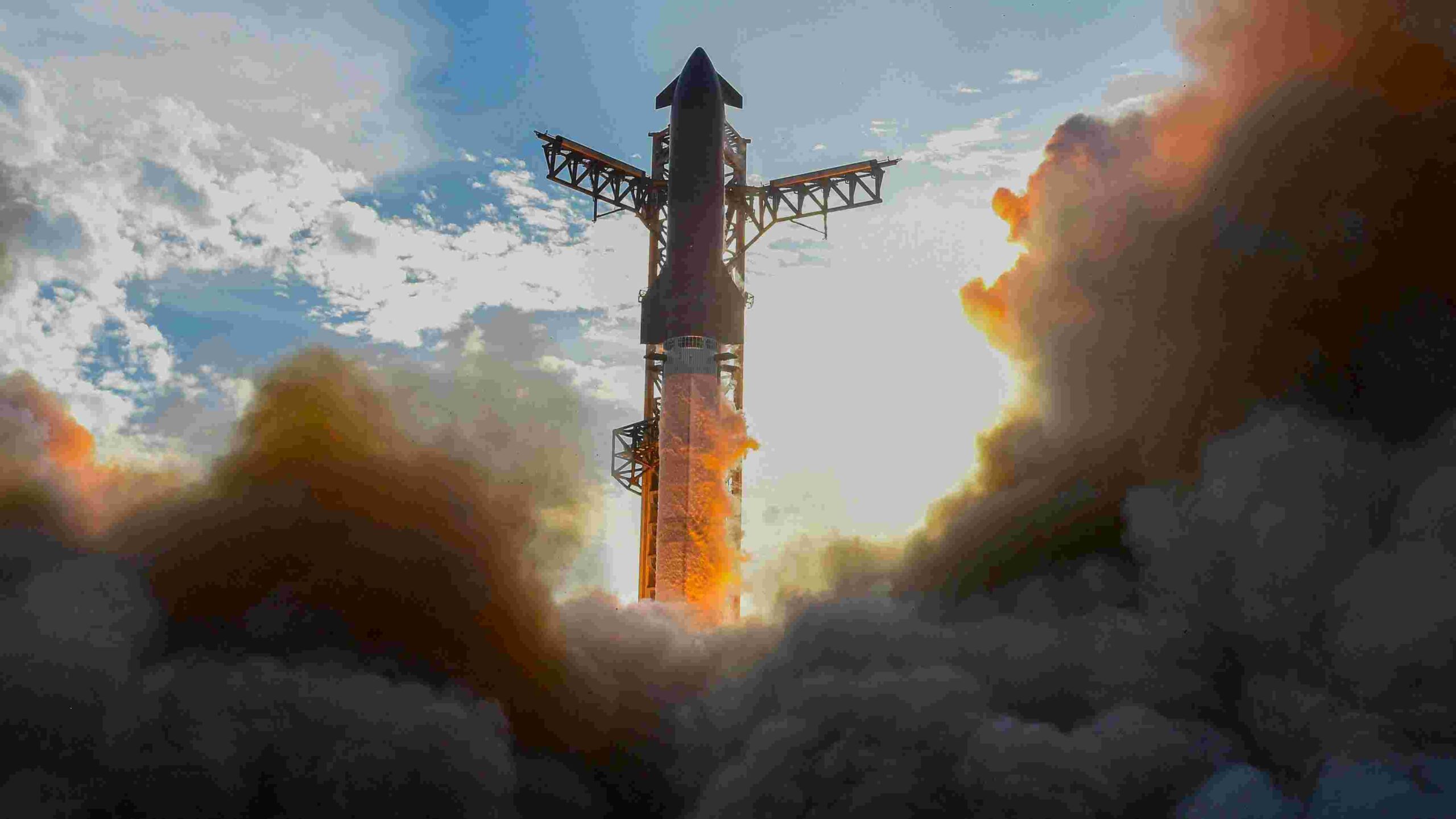
The global spaceflight community is entering one of the most exciting phases in recent history. From SpaceX preparing to launch the next generation of Starship to NASA officially confirming a new administrator, and even unexpected challenges at Mars, the pace of space exploration is accelerating rapidly.
In this in-depth, we’ll break down everything you need to know about Starship S39, the upcoming Starship V3 testing campaign, progress on Booster 19, the confirmation of Jared Isaacman as NASA Administrator, and NASA’s ongoing efforts to recover communication with the MAVEN Mars Orbiter.
Starship V3 Testing Is Finally About to Begin
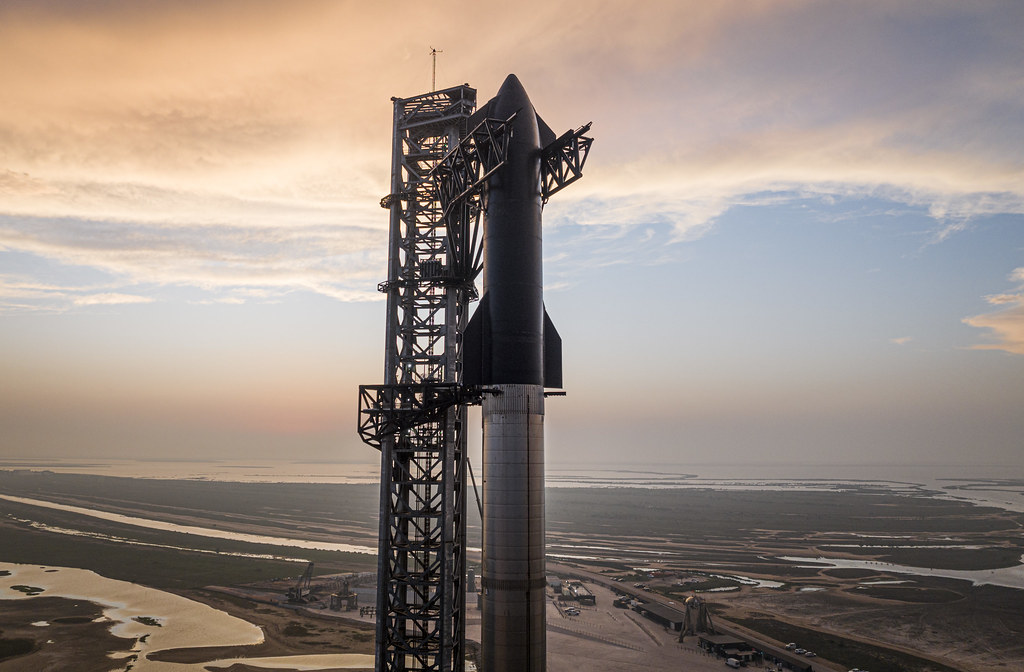
After weeks of anticipation and speculation, SpaceX has officially reached the final stages before Starship S39 enters active testing. The quiet period at Starbase is ending, and all signs point to intense testing operations resuming very soon.
Why Starship S39 Testing Took So Long
Many SpaceX followers have asked a simple question:
If Ship 39 (S39) is complete, why hasn’t testing started yet?
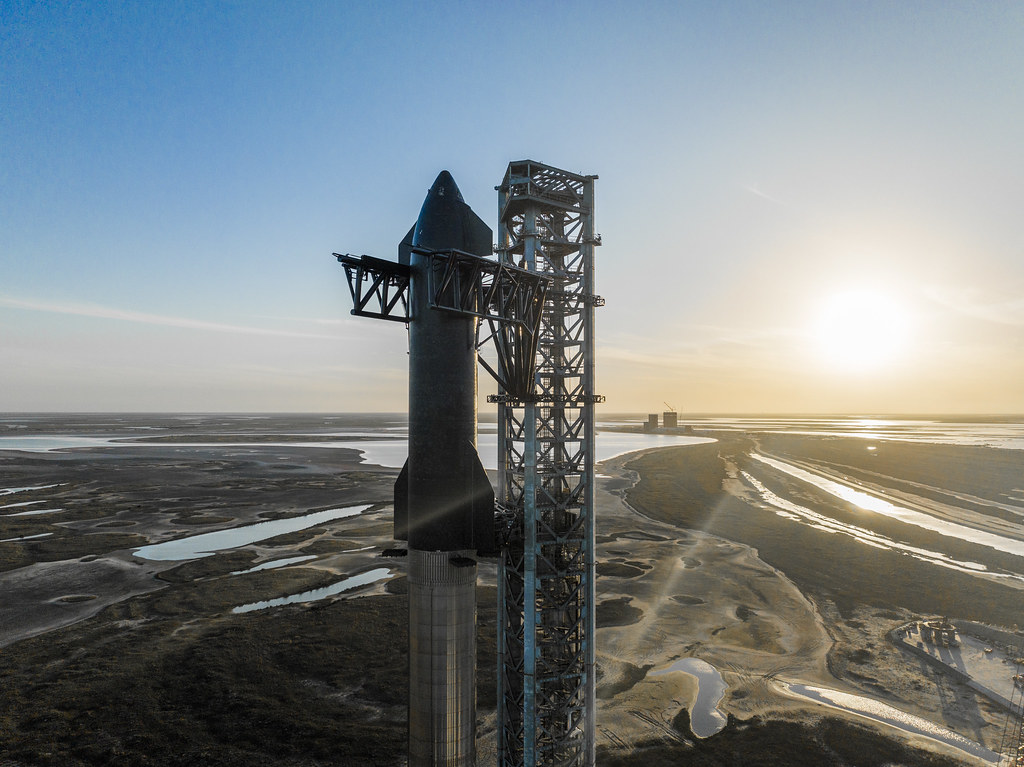
The answer lies at the Massey test site, where SpaceX has been conducting an extensive test tank campaign. These test tanks are not flight vehicles. Instead, they are specialized prototypes designed to validate individual upgrades planned for Starship V3.
Rather than rushing S39 into testing, SpaceX made a strategic decision to:
- Test upgrades individually
- Validate structural changes
- Reduce risk before flight testing
This cautious approach ensures that Starship V3 benefits from proven systems, not assumptions.
Massey Test Site Clears the Way for S39
Final Test Tank Milestones Achieved
On the evening of December 16, SpaceX conducted its 11th test using Test Tank 17 inside the Massey test cage. By the morning of December 17, another critical milestone followed.
At noon, observers noted that Test Tank 39.1 was lifted off the test stand—a strong indicator that the test tank campaign had officially concluded.
This is a big deal because:
- The Massey site is now free
- No test tanks are occupying critical infrastructure
- S39 can now move in for its official test campaign
Starship S39 Appears Fully Ready
All visual indicators suggest that Ship 39 is flight-test ready.
Key Signs of Readiness
- Mechabay doors are open, a common signal of rollout preparation
- The heat shield is fully installed and visible
- Major assembly milestones have already been completed
The only thing missing is the official road closure, which SpaceX is expected to announce shortly. Once S39 rolls out to Massey, most testing will not require further closures, allowing progress to continue efficiently.
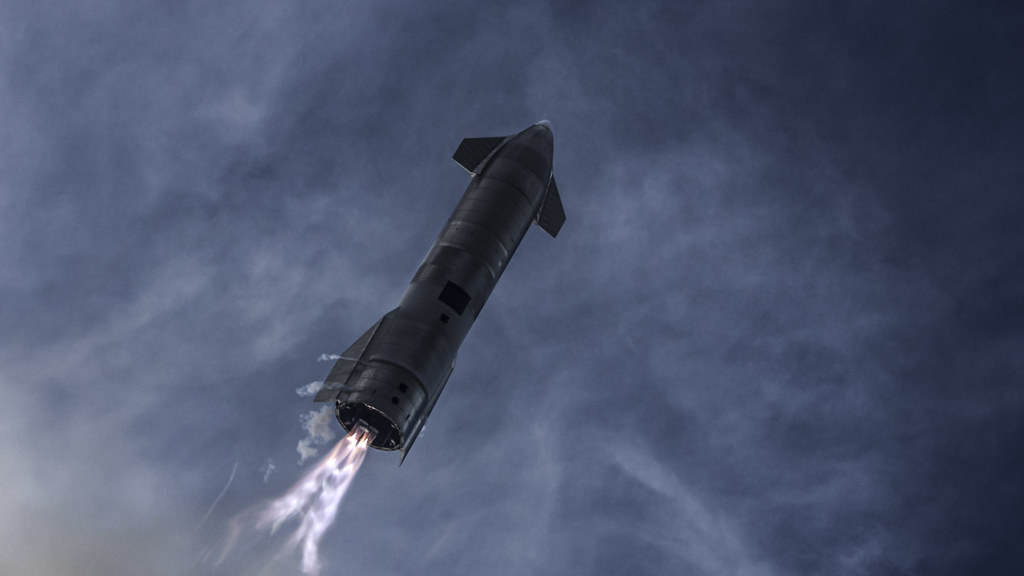
Planned Testing Sequence for Starship S39
SpaceX follows a carefully structured testing process, and S39 will be no exception.
1. Structural Pressure Test
This test verifies the structural integrity of the vehicle under simulated loads, ensuring it can withstand real-world stresses.
2. Cryogenic Testing
During this phase:
- Tanks are filled with super-cold propellants
- Engineers test plumbing, seals, and tank performance
- Systems are validated under operational conditions
3. Raptor 3 Engine Installation
After cryogenic testing, S39 will return to Mechabay 2 for one of the most anticipated milestones yet:
- The first-ever installation of Raptor 3 engines on a Starship prototype
This step was delayed due to earlier issues with Booster 18, but anticipation has only grown stronger.
4. Static Fire Test
Once engines are installed, S39 will return to Massey for:
- The first static fire of Starship V3
- Public confirmation that Raptor 3 works on a full vehicle
All required ground systems, including the SQD system, have been ready since November.
A successful static fire will mark the completion of S39’s core testing campaign.
Booster 19 (B19) Is Rapidly Coming Together
While S39 captures most of the attention, Booster 19 (B19) is also making impressive progress.
Recent B19 Assembly Updates
- The aft section was moved into Mega Bay 1
- On December 16, Section F24 (upper methane tank) followed
- A lifting jig for the hot staging ring arrived on December 17
These developments strongly suggest that the forward section of B19 will arrive soon.
Expected Timeline for B19
- Full stacking likely completed by the end of the month
- Cryogenic testing expected early January 2026
- Engine installation in the second week of January
- Static fire potentially in the third week of January
If schedules continue to accelerate, both S39 and B19 could be flight-ready by late January or early February.
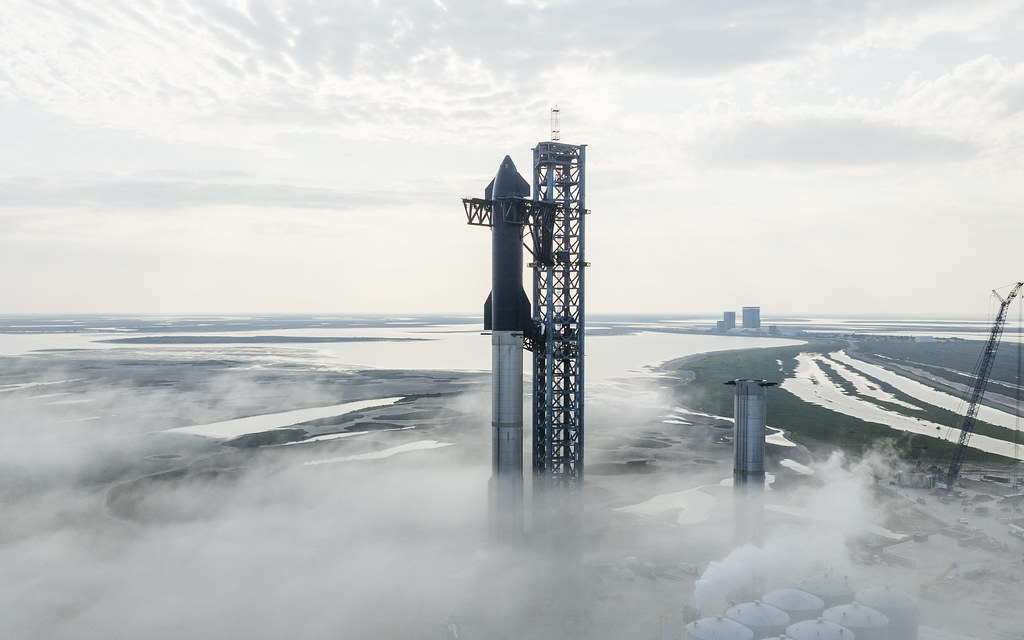
Starship V3 Debut Is Just Around the Corner
All evidence points to one conclusion:
The debut of Starship V3 is imminent
The recent calm at Starbase is misleading. Behind the scenes:
- Testing infrastructure is ready
- Hardware is complete
- Timelines are tightening
A renewed launch cadence is about to begin, and SpaceX is preparing to return to full operational speed.
NASA Confirms Jared Isaacman as Administrator
While SpaceX pushes forward, NASA has also entered a new chapter.
On December 17, the U.S. Senate confirmed Jared Isaacman as NASA Administrator by a 67–30 vote, ending over a year of interim leadership.
Why Isaacman’s Appointment Matters
Lawmakers cited:
- His clear strategic vision
- Understanding of NASA’s mission
- Ability to navigate modern space challenges
The response across the space industry was overwhelmingly positive.
Who Is Jared Isaacman?
At just 42 years old, Isaacman brings an unconventional but powerful background.
Key Highlights
- Founder and CEO of Shift4, a major payments company
- Billionaire private astronaut
- Commander of Inspiration4, the first all-civilian orbital mission
- Leader of Polaris Dawn, which included the first civilian spacewalk
His leadership philosophy was outlined in Project Athena, a 62-page proposal advocating for a leaner, faster, and more agile NASA.
Challenges Await the New NASA Administrator
Isaacman takes office at a critical moment.
NASA’s Key Challenges
- Tight budgets
- Artemis Moon missions
- Long-term Mars ambitions
- Rising competition from China
- Aging infrastructure and slow internal processes
Despite concerns about his ties to SpaceX, lawmakers ultimately viewed his commercial mindset and flight experience as strengths, not liabilities.
NASA Loses Contact with MAVEN Mars Orbiter
As leadership changes on Earth, NASA is also facing a serious challenge at Mars.
What Happened to MAVEN?
On December 6, MAVEN entered a routine communications blackout while passing behind Mars. That blackout was expected—but contact never resumed.
Subsequent analysis revealed:
- Unexpected spacecraft rotation
- A possible change in orbit
- Concerns about orientation and stability
Why MAVEN Is So Important
Launched in 2013, MAVEN was designed to study how Mars lost its atmosphere. Though its primary mission lasted just one year, it has:
- Far exceeded expectations
- Provided critical atmospheric data
- Served as a communications relay for Curiosity and Perseverance
Mars Missions Will Continue Despite the Issue
NASA has confirmed that surface operations will continue using other orbiters, including:
- Mars Reconnaissance Orbiter
- Mars Odyssey
- ESA’s Mars Express
- ExoMars Trace Gas Orbiter
Mission planners have already rerouted communications to ensure continuity.
A Defining Moment for Space Exploration
From Starship V3 testing to new NASA leadership and ongoing Mars challenges, the space sector is entering a defining period.
Key Takeaways
- Starship S39 testing begins within days
- Raptor 3 engines are nearing their debut
- Booster 19 is advancing rapidly
- NASA gains a permanent administrator
- Mars exploration continues despite setbacks
The future of spaceflight is unfolding right now—and the pace has never been faster.
Final Thoughts
As curiosity, imagination, and innovation continue to push humanity forward, one thing is clear:
The next chapter of space exploration has already begun.
Stay curious. Keep looking up. 🚀
FAQs
1. What is Starship S39?
Starship S39 is the latest SpaceX Starship prototype and one of the first vehicles designed to support the Starship V3 configuration, featuring major structural and propulsion upgrades.
2. When will Starship S39 testing begin?
Testing is expected to begin within days, now that test tank campaigns at the Massey test site have concluded and space has been cleared for S39.
3. Why was Starship S39 testing delayed?
Testing was delayed so SpaceX could complete test tank campaigns that validated individual upgrades planned for Starship V3, reducing overall risk before flight testing.
4. What tests will Starship S39 undergo?
Starship S39 will undergo:
- Structural pressure testing
- Cryogenic propellant testing
- Raptor 3 engine installation
- Static fire testing
5. What makes Starship V3 different from earlier versions?
Starship V3 includes structural improvements, refined tank designs, upgraded heat shield systems, and the introduction of Raptor 3 engines for improved performance and reliability.
6. What are Raptor 3 engines?
Raptor 3 engines are SpaceX’s next-generation methane-fueled rocket engines, designed to be simpler, more powerful, and more durable than previous versions.
7. Where will Starship S39 be tested?
Starship S39 will be tested at the Massey test site near Starbase, Texas, where SpaceX conducts pressure, cryogenic, and static fire tests.
8. What is a static fire test?
A static fire test involves igniting the rocket’s engines while the vehicle remains secured to the ground, allowing engineers to verify engine and system performance before flight.
9. What is Booster 19 (B19)?
Booster 19 is the Super Heavy booster being assembled to support future Starship missions and is expected to fly alongside Starship S39.
10. When could Starship S39 and Booster 19 fly?
If testing proceeds smoothly, both vehicles could be flight-ready by late January or early February, pending regulatory approvals.
11. Who is the new NASA Administrator?
Jared Isaacman was confirmed as NASA Administrator by the U.S. Senate on December 17, ending more than a year of interim leadership.
12. Why is Jared Isaacman’s appointment significant?
Isaacman brings commercial leadership experience and firsthand spaceflight knowledge, offering a modern approach to guiding NASA’s future missions to the Moon and Mars.
13. What is the MAVEN Mars Orbiter?
MAVEN (Mars Atmosphere and Volatile EvolutioN) is a NASA spacecraft launched in 2013 to study how Mars lost its atmosphere over time.
14. Why did NASA lose contact with MAVEN?
NASA lost contact during a routine communications blackout when MAVEN passed behind Mars. Unexpected spacecraft rotation and possible orbital changes are under investigation.
15. Will Mars missions be affected by the MAVEN issue?
No. NASA confirmed that Mars surface missions will continue using other orbiters to relay data, ensuring uninterrupted operations.
16. Why is this period important for space exploration?
This moment marks a convergence of Starship V3’s debut, new NASA leadership, and ongoing Mars exploration, signaling a major acceleration in humanity’s push deeper into space.
Read More:
- Tesla dispels reports of ‘sales suspension’ in California
- Tesla Full Self-Driving gets sparkling review from South Korean politician
- Tesla Insurance officially expands to new U.S. state
- 2026 Tesla Model 2 $15,990 Pre-Orders Start! Why Elon Musk Stayed Silent?
- NASA & SpaceX revealed new Way to Land Starship on Mars and Secretly Practicing SHOCKED China