
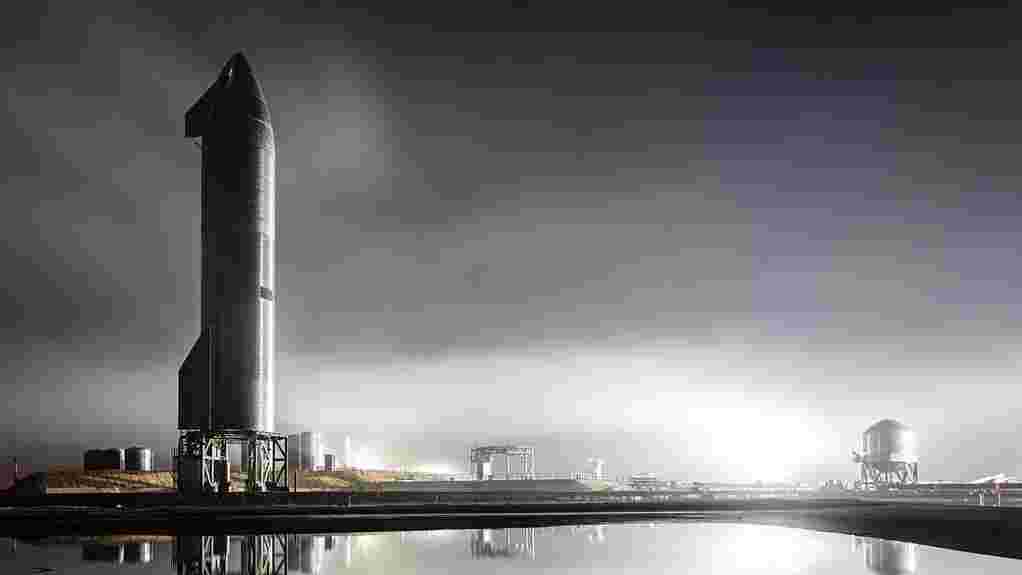
SpaceX is gearing up for an ambitious mission that will not only mark the first Starship flight of 2026 but will also introduce the newest version of Starship, Starship V3. While many believe that this mission will follow procedures similar to previous versions, the reality is far more complex.
The upgrades and structural changes make this flight one of the most challenging in SpaceX’s history. Flight 12 raises significant questions: How difficult will it truly be? Can SpaceX navigate the technical hurdles of Starship V3? In this post, we explore the key challenges, upgrades, and risks of this groundbreaking mission.
Why Flight 12 is More Complex Than It Appears
On the surface, Flight 12 seems straightforward. SpaceX plans to maintain the same procedures as past missions. However, the real difficulty lies in the entirely new systems and upgrades introduced in Starship V3. Unlike previous flights, this version incorporates major structural changes, new engine configurations, and redesigned fuel systems, all of which remain untested in real-world flight conditions.
Even before the rocket leaves the ground, the complexity of this mission is evident. During pre-flight testing of prototype B18, the vehicle failed violently during a cryogenic stress test. The liquid oxygen section was destroyed, and the methane tank became significantly distorted. This incident highlights a critical truth: structural stability will be one of the biggest obstacles for SpaceX in Flight 12.
The Real Challenge of First Flights
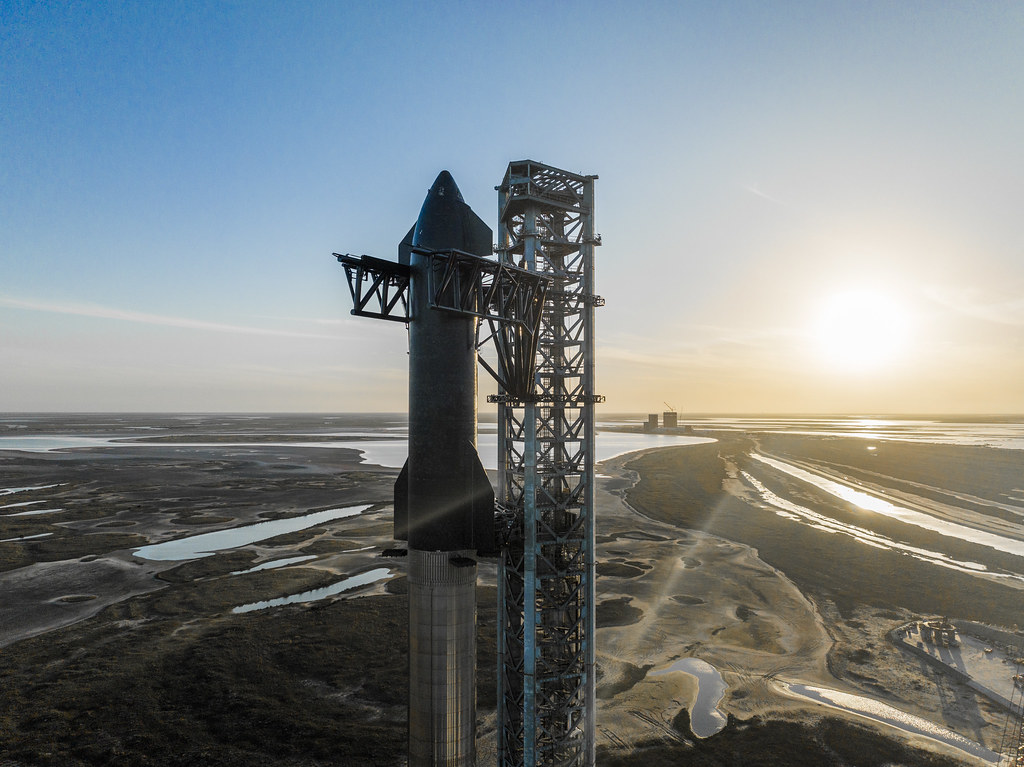
The most challenging aspect of Flight 12 is that this is the first operational flight of Starship V3. SpaceX lacks prior real-world data for the upgraded systems. New fuel tank configurations, redesigned fuel routing, and structural reinforcements have never flown under launch conditions. This lack of flight heritage introduces uncertainty in nearly every aspect of the vehicle’s operation.
To mitigate risks, SpaceX relies on extensive inspections, cryogenic tests, and static fire campaigns. Every system must be verified meticulously. Any failure during launch could jeopardize the entire mission.
Status of Starship Vehicles
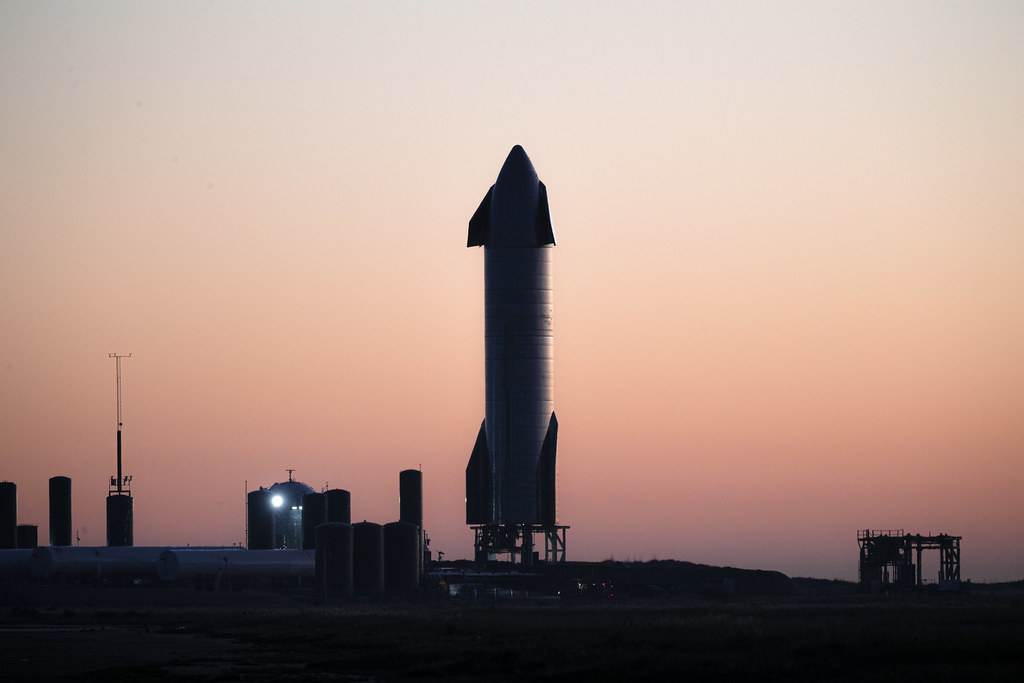
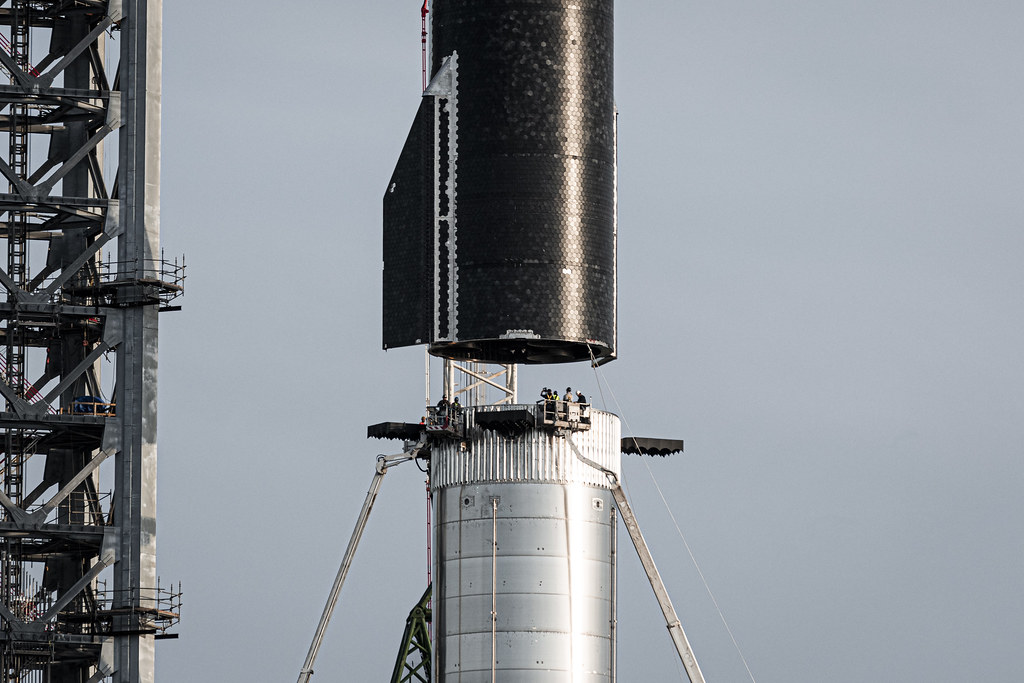
Currently, S39 is expected to roll out soon after stacking is completed, while B19 will likely remain at the production site until early next year. Both vehicles will undergo thorough checks informed by the lessons from B18’s failure. Ensuring structural integrity and operational readiness is essential before the flight can proceed.
Engine Upgrades Introduce New Challenges
One of the most significant upgrades in Starship V3 is the introduction of the Raptor 3 engine. This engine provides:
- Higher thrust: ~280 tons at sea level, ~306 tons in vacuum
- Improved efficiency: Simplified design reduces components
- Lower costs and streamlined refurbishment
While these upgrades promise better performance, they also introduce new technical challenges:
Controlling Increased Thrust
Higher thrust increases structural stress, alters propellant consumption, and changes flight dynamics. SpaceX must carefully manage these factors during static fire tests to ensure safe operation.
Complications from Engine Simplification
The simplified design replaces flanges and bolts with welded structures. This makes inspections more challenging, as engineers cannot simply detach sections for examination. Any internal issues may require cutting, effectively rendering the engine unusable for flight.
Redesigns in Combustion and Fuel Injection
Raptor 3 features improved combustion cycles. While efficient, these require real-world testing to confirm reliability under full operational conditions. The engines are central to the success of Starship V3, and any malfunction could compromise the mission.
Superheavy Booster Upgrades
The Superheavy booster also includes major changes:
- Revised hot staging system: Inspired by the Soviet N1 rocket but with key SpaceX modifications.
- Lighter and simpler structure: Mounted directly onto the booster, eliminating the need for jettison.
- Improved heat dissipation: Better venting during separation.
New Risks in Hot Staging
Although the new design enhances performance, it introduces unproven structural and aerodynamic challenges. The grid fins, for instance, are exposed to higher heating and pressure loads. The booster’s ability to perform an active flip maneuver may be affected, requiring more reliance on gimbaled engines during separation.
Grid Fin Redesign
The number of grid fins has been reduced from four to three, creating potential asymmetry. While SpaceX expects accurate navigation, early test flights will determine whether the booster can maintain precise control during descent, especially for water landings.
Upper Stage Challenges
The Starship upper stage may appear simpler, but the upgrades are intricate:
Heat Shield
The heat shield on S39 features fully tiled, intact sections. Unlike earlier test vehicles, this shield is intended for operational flights. Its first real test will be during re-entry, where temperatures and pressures reach extreme levels. Success here is crucial for future rapid reuse of Starship.
ATF Flaps
The aerodynamic flaps must withstand intense heat during re-entry. V3 raises the stakes, as damage that was previously tolerable is now unacceptable. These systems are critical for landing stability and overall mission success.
Ground Infrastructure Upgrades
SpaceX has also upgraded the launch site and support systems:
- New orbital launch mount
- Upgraded flame trench
These changes aim to reduce mechanical and thermal impact on the vehicle and pad. However, Flight 12 will be the first test of these systems under the full load of Starship V3. Any miscalculation could delay missions or damage the pad.
Why Flight 12 is a Milestone
Every upgrade, structural improvement, and redesign in Starship V3 is being tested for the first time in Flight 12. This mission will:
- Validate Raptor 3 engines under full load
- Test the Superheavy booster with hot staging and redesigned grid fins
- Examine the upper stage heat shield and aerodynamic flaps
- Assess the new launch pad infrastructure
In short, what appears simple on paper is actually one of the most complex missions SpaceX has ever attempted.
What This Means for SpaceX and the Future of Starship
The success of Flight 12 will have a major impact on SpaceX’s plans for Starship:
- Establish operational reliability for future missions
- Provide data for refinements and rapid reuse
- Validate new ground support systems for repeated launches
The first V3 flight will likely be the toughest test of all. Success will lay the groundwork for SpaceX to achieve its goal of fully reusable Starship launches, bringing humanity closer to missions to the Moon, Mars, and beyond.
Conclusion
Flight 12 is not just another mission. It represents a turning point for SpaceX and the Starship program. While the procedures may appear familiar, the reality is far more complex. With structural upgrades, new engines, redesigned fuel systems, and refined ground infrastructure, every aspect of the mission must perform perfectly.
The challenges are immense, but the potential rewards are even greater. SpaceX is pushing the boundaries of spaceflight technology, and Flight 12 will be a critical step toward realizing a fully operational Starship V3.
Curiosity, imagination, and innovation continue to guide SpaceX’s journey. As we anticipate Flight 12, one thing is clear: the path to the stars is never easy, but it’s worth every challenge.
FAQs
1. What is SpaceX Flight 12?
Flight 12 is the first mission of 2026 that will debut the newest version of Starship, Starship V3, featuring major structural and engine upgrades.
2. Why is Flight 12 considered challenging?
The flight introduces unproven systems, structural changes, and upgraded engines, making it far more complex than previous Starship missions.
3. What are the key upgrades in Starship V3?
Starship V3 includes Raptor 3 engines, redesigned fuel systems, structural reinforcements, a new hot staging system, and upgraded heat shields.
4. What happened to the B18 prototype?
B18 failed violently during a cryogenic stress test, with damage to the liquid oxygen section and distortion of the methane tank, highlighting structural challenges for V3.
5. What is the Raptor 3 engine?
The Raptor 3 engine is SpaceX’s latest engine design for Starship, offering higher thrust, simplified components, improved efficiency, and lower production costs.
6. How does higher thrust affect Flight 12?
Higher thrust increases structural stress, changes propellant consumption, and makes vehicle control more complex, especially during launch and static fire tests.
7. What is the Superheavy booster?
The Superheavy booster is the first stage of Starship that provides the initial lift-off thrust and now features a revised hot staging system and redesigned grid fins.
8. What is the hot staging system?
The hot staging system allows the upper stage engines to ignite while still attached to the booster, improving efficiency and reducing mass, but it has unproven flight performance.
9. What are grid fins and why are they important?
Grid fins are aerodynamic control surfaces on the booster that help with navigation and controlled descent. In V3, the number and size have been modified, introducing new challenges.
10. What upgrades were made to the heat shield?
The heat shield on Starship V3 is fully tiled, structurally intact, and designed for operational re-entry, protecting the vehicle from extreme heat and pressure.
11. What are ATF flaps?
ATF (Aerodynamic Trim Flaps) help control Starship’s orientation during re-entry. V3 raises the stakes by demanding full durability under extreme thermal conditions.
12. How does Flight 12 affect Starship’s future reuse?
Success in Flight 12 will validate engine reliability, booster performance, heat shield durability, and landing systems, paving the way for rapid reuse of Starship.
13. What testing does SpaceX conduct before Flight 12?
SpaceX performs cryogenic tests, static fire campaigns, and extensive ground inspections to ensure the structural integrity and readiness of all Starship components.
14. Will the V3 booster attempt a catch?
Not in the early test flights. The V3 booster will first perform a water landing, but future flights will aim to land directly into the Mechazilla arms.
15. How does Flight 12 impact the launch pad?
The launch site has been upgraded with a new orbital mount and reinforced flame trench to handle Starship V3’s extreme forces and heat.
16. What is the significance of Flight 12 for SpaceX?
Flight 12 is a critical milestone testing all new upgrades, setting the foundation for fully operational, reusable Starship missions.
17. What lessons did SpaceX learn from previous Starship prototypes?
Failures like B18’s stress test provide insights for structural reinforcement, engine reliability, and design validation, guiding improvements in V3.
18. When is Flight 12 expected to launch?
Flight 12 is expected in 2026, following completion of stacking, testing, and validation of Starship V3 and the Superheavy booster.
Read More:
- Production-ready Tesla Cybercab hits showroom floor in San Jose
- Wedbush’s Dan Ives sees ‘monster year’ ahead for Tesla amid AI push
- Another Tesla Model 3 variant sold out for January 2026 in China
- Xpeng CEO: Tesla FSD 14.2 has developed “near-Level 4” performance
- Tesla Model Y Standard stuns in new range test, besting its Premium siblings
1 thought on “SpaceX Revealed Big Challenges in First Starship V3 Flight Next Year! HARDER than You Think”