
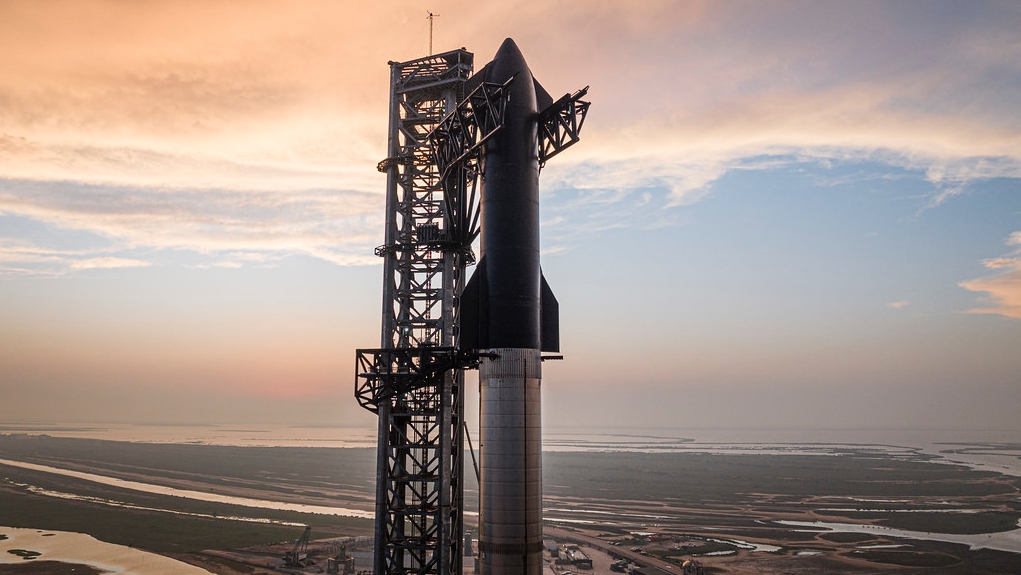
The aerospace industry is on the verge of a dramatic transformation, and 2026 is shaping up to be the year that pushes humanity deeper into the cosmos than ever before. While many innovations and ambitious launches are expected, one milestone stands above the rest: Starship orbital refueling. Long envisioned as the final piece in enabling true deep-space travel, it now has a target timeline — and the countdown has officially begun.
SpaceX has released new insights into how this unprecedented mission will unfold, along with the first targeted month for execution: June 2026. This moment is more than a technological feat — it’s poised to redefine what humans can accomplish beyond Earth.
In this comprehensive, SEO-friendly deep dive, we’ll cover what SpaceX needs to complete before the milestone, how the mission will work, and why orbital refueling will become one of the most significant breakthroughs in aerospace history.
The Breakthrough That Will Define 2026
The aerospace industry evolves quickly, but few technologies have generated as much anticipation as in-space propellant transfer. For decades, scientists, engineers, and space enthusiasts have known that orbital refueling is the key to unlocking humanity’s next giant leap:
- Sustainable lunar exploration
- Large-scale Mars missions
- Heavy cargo transport across the Solar System
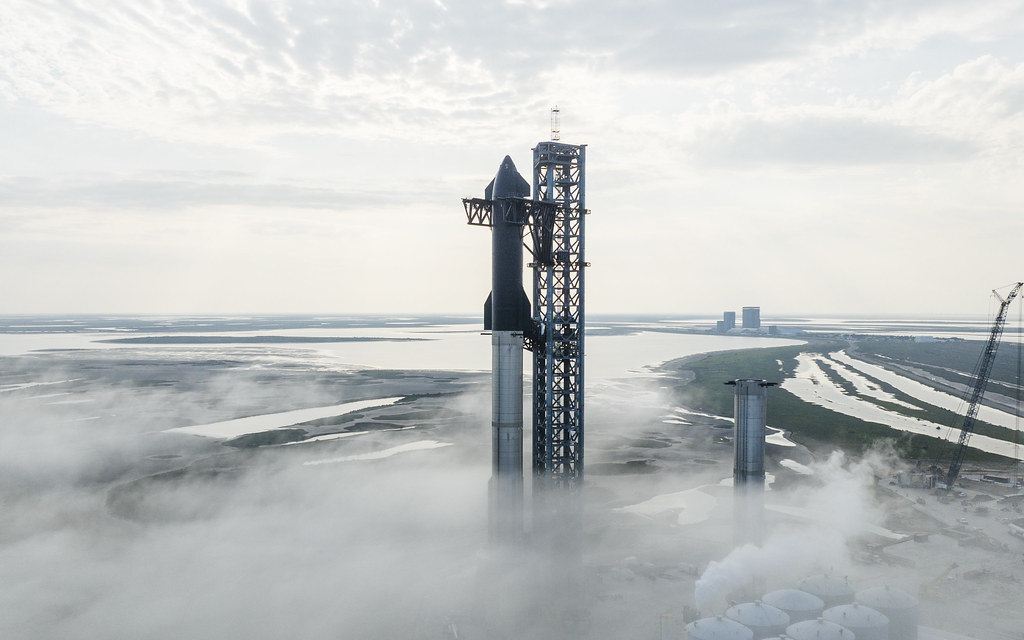
SpaceX’s Starship, the largest and most ambitious rocket ever built, requires tremendous amounts of fuel to reach deep destinations. But most of that fuel is spent just leaving Earth. The solution? Carry enough to reach orbit, then refuel in space.
Now, at last, SpaceX is close to proving it can be done.
In late 2024 and early 2025, the company achieved several critical milestones — successful V2 flights, the emergence of the V3 generation, and a clearer timeline for NASA’s Artemis lunar landing missions. These achievements set the stage for a historic next step: orbital refueling by mid-2026.
When Will Starship’s First Orbital Refueling Test Happen?
SpaceX’s latest Starship HLS (Human Landing System) update finally revealed the long-awaited target:
➡ June 2026 — the first ship-to-ship refueling mission in orbit.
This is the first time SpaceX has publicly stated a specific month for the test. Previously, the company referenced only “2026” with no further details. Choosing a target month signals a major internal commitment — the kind that suggests deep confidence in upcoming milestones.
Whether June marks the long-duration flight test, the full refueling demonstration, or both remains unconfirmed. But either scenario makes June 2026 a turning point in spaceflight history.
What Must Happen Before the Refueling Test?
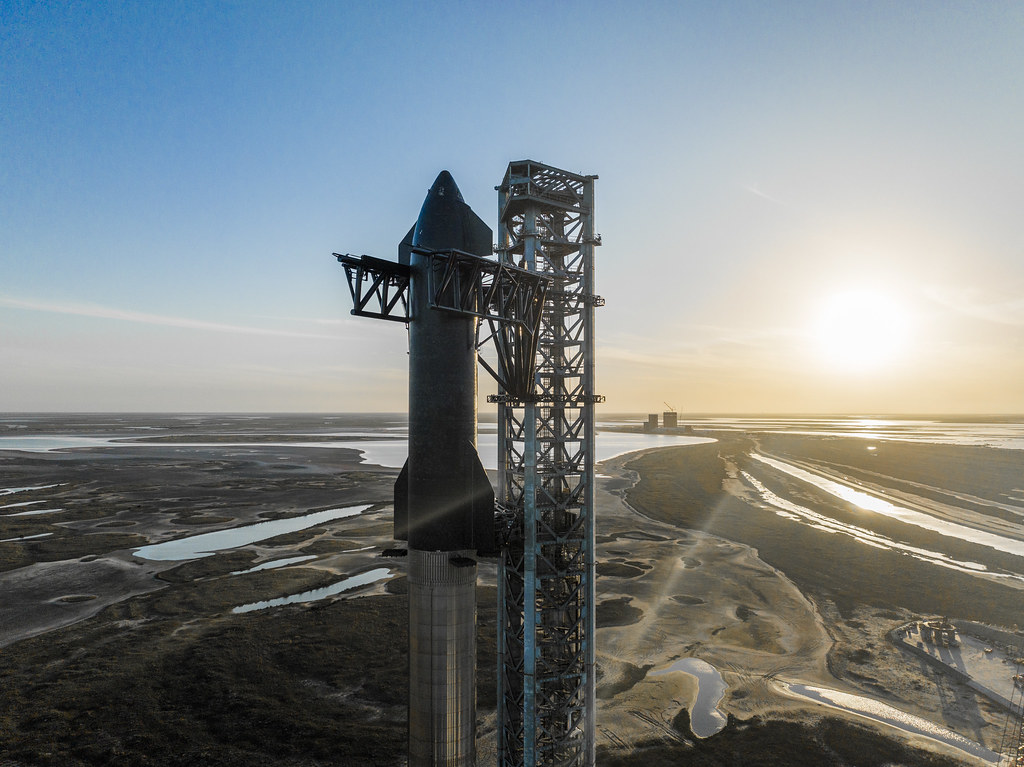
To reach this milestone, SpaceX must navigate a dense schedule packed with foundational achievements between January and May 2026.
1. Starship Must Reach Orbit Consistently
Starship’s orbital performance must be repeatable, reliable, and precise. This includes:
- Successful ascent
- Stable orbital insertion
- Nominal performance of both Starship and Super Heavy
Getting to orbit isn’t enough — it must happen multiple times with confidence.
2. Deploying a Real Payload
Before attempting complex operations like refueling, SpaceX must demonstrate that Starship can reliably:
- Carry payloads
- Deploy them successfully
- Maintain post-deployment stability
These early payload flights help validate Starship’s role as an operational launch vehicle.
3. Two-Stage Landing Operations
SpaceX must prove both:
- Super Heavy booster comeback
- Starship controlled landing
While not all missions require full recovery, demonstrating operational landings is key for scaling production and reducing costs.
4. Validating the V3 Generation
The first V3 flight will be essential. This new generation reportedly features major upgrades in:
- Performance
- Thermal protection
- Efficiency
- Reusability
- Docking-port integration
This flight must validate all new components before refueling hardware flies.
A Busy Start to 2026
Given the timeline, SpaceX could launch four or more major flights in the first half of the year — possibly one per month. This pace mirrors the rapid cadence seen during Starship flight tests in late 2024.
Only once these goals are achieved can SpaceX shift its full attention to orbit-ready refueling systems.
What Happens After the Refueling Test?
The timelines for NASA’s Artemis program reveal why June 2026 is such a critical marker.
- June 2027 — Uncrewed lunar landing demonstration (HLS)
- September 2028 — Crew lunar landing
This gives SpaceX one year between the first refueling mission and the uncrewed landing to:
- Build 10+ tanker Starships
- Launch a sequence of rapid tanker missions
- Validate reliability of orbital rendezvous and docking
- Test cryogenic propellant storage
- Prepare the final HLS vehicle
Given the complexity, a full year of preparation is not just helpful — it’s necessary.
Tankers Will NOT Be Reused After Delivering Propellant
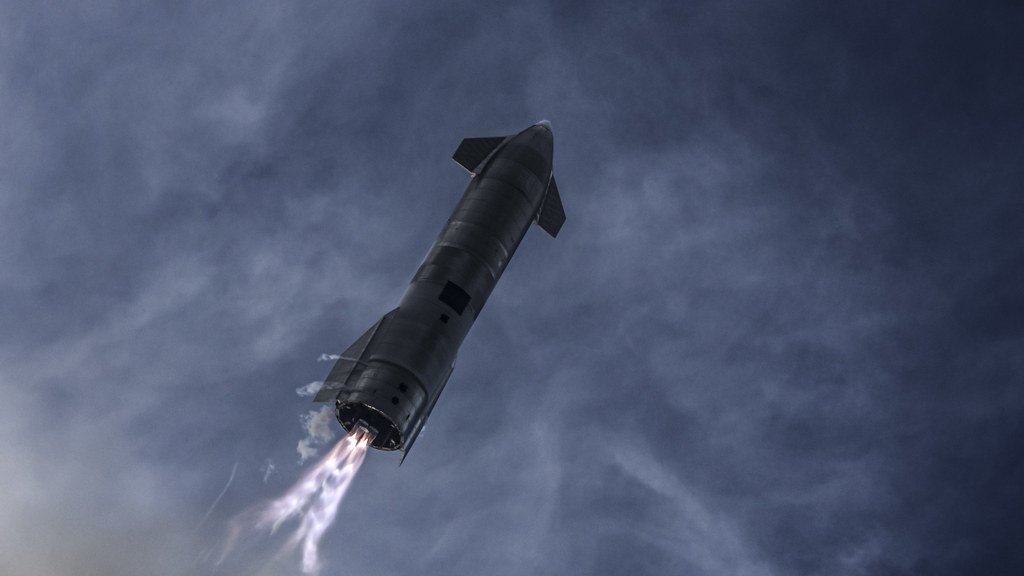
Each tanker delivers fuel, then deorbits and reenters. This means:
- Production rate must increase dramatically
- Starbase’s Star Factory must run at full capacity
- Engines, tanks, and avionics must roll off the line faster than ever
SpaceX’s Current Progress Toward Refueling
SpaceX has already completed several crucial milestones, as outlined in its HLS program update.
1. Hardware-in-the-Loop Propellant Transfer Test Bed
This system simulates the exact conditions Starship will face during real in-space refueling. Using flight-representative hardware, engineers can test:
- Fluid dynamics
- Microgravity behavior
- Pressure management
- Docking interface performance
This is one of the strongest signs that the refueling architecture is reaching maturity.
2. Depot Power Module Demonstration
This module will eventually support dedicated orbital propellant depots, allowing:
- Long-term storage
- Energy distribution
- Multi-mission refueling
SpaceX is preparing for both:
- Direct ship-to-ship refueling
- Dedicated orbiting depots for future missions
3. Docking Port Completion for V3 Vehicles
The V3 generation will have the full docking interface required for tanker operations. This brings Starship another step closer to large-scale operations in orbit.
4. DragonEye Navigation System Integration
The same optical navigation used by Crew Dragon will guide Starship during:
- Rendezvous
- Docking
- Proximity operations
This ensures Starship begins its life with a proven, reliable navigation system.
Scaling Up: Production, Testing, and Infrastructure
The next year will demand unprecedented growth in SpaceX’s facilities.
Star Factory Must Run at Maximum Capacity
Dozens of Starships — tankers, HLS variants, and standard models — must be built. Booster production must also increase.
Launch Infrastructure Must Handle A Higher Cadence
SpaceX is preparing upgraded:
- Pads
- Flame trenches
- Cryogenic systems
- Booster and ship testing facilities
Everything must support sustained rapid launches.
Possible Debut of the First Full HLS Prototype
An early reveal in 2026 would:
- Allow more testing
- Give NASA time to evaluate the vehicle
- Improve confidence heading toward Artemis III
The Enormous Challenge of Orbital Refueling
Many people wonder: Can this actually be done?
No spacecraft in history has ever attempted cryogenic propellant transfer in microgravity between two massive vehicles.
The challenges are immense:
1. Launching Two Starships Into Orbit Within a Narrow Window
Both ships must reach precise orbital parameters for rendezvous.
2. Navigating Hundreds of Kilometers for Docking
This requires perfect:
- Timing
- Trajectory planning
- Autonomous navigation
3. Docking with Zero Margin for Error
Two enormous vehicles must align with millimeter-level accuracy.
4. Managing Cryogenic Propellants in Space
Cryogenic fuels boil off quickly and behave unpredictably in microgravity. Starship must maintain:
- Thermal stability
- Pressure control
- Flow consistency
5. Scaling Up for 10+ Tanker Missions
Artemis missions will require dozens of flights in rapid succession — something no launch system has ever done.
And yet… SpaceX has a history of turning the impossible into routine reality.
They were told:
- Rockets couldn’t land — they did.
- Catching boosters was unrealistic — they built Mechazilla.
- Fully reusable super-heavy rockets were a fantasy — they built Starship.
Now, the next impossible challenge awaits.
Why Orbital Refueling Changes Everything
Refueling is not just an engineering experiment. It is the core enabler of SpaceX’s long-term goals.
Moon Missions Become Practical
With on-orbit refueling, Starship can:
- Deliver 100+ tons to the lunar surface
- Carry habitats, rovers, and power systems
- Support permanent lunar bases
Mars Missions Become Possible
Mars requires enormous delta-V. Without refueling, no ship could carry:
- Cargo
- Crew
- Life-support systems
- Supplies for return trips
With it, multi-ship missions to Mars become not only possible — but scalable.
Rising Competition in 2026
Next year will witness intense competition among aerospace giants:
- Blue Origin is preparing more New Glenn flights, including reuse attempts.
- Rocket Lab is pushing toward the debut of its heavy-lift Neutron rocket.
- ULA and Arianespace are accelerating new systems after slow periods.
- China continues developing Starship-like vehicles.
But even with this growing competition, few missions will capture the world’s attention like SpaceX’s orbital refueling demonstration.
June 2026 — A Moment That May Redefine Spaceflight Forever
We are now approaching a moment space enthusiasts have waited for for years. With SpaceX publicly committing to June 2026, anticipation is reaching new heights.
If successful, this mission will:
- Redefine human capability in space
- Enable the Artemis program
- Allow cargo and crewed missions to Mars
- Open the path to true interplanetary travel
This is not just another mission. It is the beginning of a new chapter in human exploration.
Final Thoughts: Are You Ready?
The next 18 months will be packed with milestones — orbital attempts, long-duration flights, tanker missions, and infrastructure expansion. Competition will intensify, production will accelerate, and the eyes of the world will turn to SpaceX as it attempts something no one has ever done.
June 2026 may be remembered as the month humanity stepped beyond the limits of traditional rocketry and entered a new era of deep-space capability.
FAQs
1. What is Starship orbital refueling?
Starship orbital refueling is a process where one Starship transfers cryogenic propellant to another in Earth orbit, enabling deep-space missions such as lunar landings and Mars trips.
2. When is SpaceX planning its first orbital refueling test?
SpaceX is targeting June 2026 for its first-ever ship-to-ship refueling demonstration in orbit.
3. Why is orbital refueling important for space travel?
Without refueling, rockets must carry all their propellant from Earth, drastically limiting payload capacity. Orbital refueling allows Starship to carry 100+ tons to the Moon and eventually support Mars missions.
4. Has any spacecraft ever performed cryogenic refueling in space?
No. SpaceX will be the first to attempt large-scale cryogenic propellant transfer between two massive vehicles in microgravity.
5. How many tanker flights are needed for a lunar landing mission?
A single Starship lunar mission may require 10 or more tanker flights to fully fuel the Human Landing System (HLS) in orbit.
6. Will Starship tankers be reused after delivering propellant?
No. For Artemis missions, tankers will not be reused after transferring fuel. Each tanker deorbits and is replaced by a newly built one.
7. What milestones must SpaceX complete before the refueling test?
Key milestones include:
- Reaching orbit consistently
- Deploying real payloads
- Showing two-stage landing operations
- Testing the V3 Starship generation
- Proving docking hardware and navigation systems
8. What is the V3 version of Starship?
Starship V3 is the newest generation featuring upgrades in performance, thermal protection, efficiency, docking capability, and overall reliability required for refueling missions.
9. What role does the DragonEye navigation system play?
DragonEye guides Starship during rendezvous and docking, using proven technology from Crew Dragon missions to the ISS.
10. What missions are planned after the 2026 refueling test?
NASA’s Artemis missions:
- June 2027: Uncrewed lunar landing demonstration
- September 2028: Crewed lunar landing
SpaceX must complete orbital refueling before either mission can occur.
11. How will SpaceX store cryogenic propellants in space?
Starship requires advanced thermal systems, pressure management, and insulation to limit boiloff and safely store cryogenic fuel over long durations.
12. What is the Depot Power Module?
It’s a power-generation prototype for potential orbiting propellant depots, which could store fuel for multiple missions in the future.
13. How often will Starship launch in 2026?
Based on current goals, SpaceX may launch nearly once per month during early 2026 to meet all pre-refueling requirements.
14. Can SpaceX realistically achieve orbital refueling by 2026?
The challenge is significant, but SpaceX has a history of achieving milestones once seen as impossible—like booster landings and Mechazilla’s catch system.
15. How will orbital refueling help Mars missions?
Refueling will allow Starship to carry enough fuel and supplies to complete the long journey to Mars, deliver cargo, and potentially support return missions.
16. What competition does SpaceX face in 2026?
Major competitors include Blue Origin’s New Glenn, Rocket Lab’s Neutron, ULA, Arianespace, and China’s Starship-like systems.
17. Will orbital refueling also be used for commercial missions?
Eventually, yes. Orbital refueling could support commercial lunar deliveries, space stations, interplanetary missions, and heavy cargo transport.
18. Why is June 2026 considered historic?
It may mark the first time in human history that large spacecraft transfer cryogenic propellant in orbit — unlocking the ability to explore the Moon, Mars, and beyond at scale.
Read More:
- Tesla Diner to transition to full-service restaurant as Chef heads for new venture
- Elon Musk debunks pay package and lip reader claims in double takedown
- Elon Musk’s xAI gains first access to Saudi supercluster with 600k Nvidia GPUs
- Tesla is already expanding its Rental program aggressively
- 2026 Tesla Model 2 $15,990 FINALLY Launch In US! What’s Inside & First Look?
1 thought on “SpaceX Revealed Schedule for First Starship Refueling Mission Next Year! Ready to Make History”