


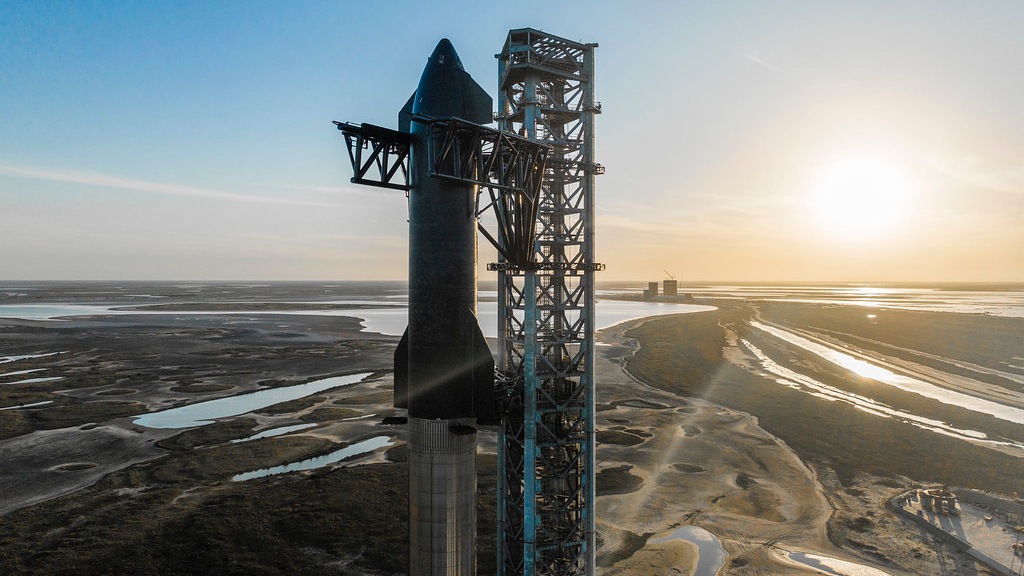
Flight 11 is almost here, everyone. SpaceX has officially unveiled the detailed launch plan, and it’s nothing short of breathtaking. As with every Starship mission, anticipation is sky-high, and this time, there’s an extra dose of historical symmetry.
In this complete breakdown, we’ll walk you through every milestone—from fueling and liftoff to booster return and upper stage splashdown. So buckle up as we dive deep into Starship Flight 11, its mission timeline, technical upgrades, and why this launch marks a pivotal moment in SpaceX’s journey.
🚀 Why October 13th Matters for Flight 11
October 13, 2025, is not just another date on the calendar for SpaceX.
🎯 A Symbolic Throwback to Flight 5
Exactly one year prior, on October 13, 2024, Starship Flight 5 took to the skies—successfully completing a full-duration burn of the upper stage. It was a critical milestone in the Starship program.
Now, with Flight 11 set for the same day, Monday, October 13, 2025, it’s clear that SpaceX is aiming for another historic benchmark. The deliberate timing suggests a nod to the program’s growth and momentum.
🕕 Official Launch Time and Visibility Perks
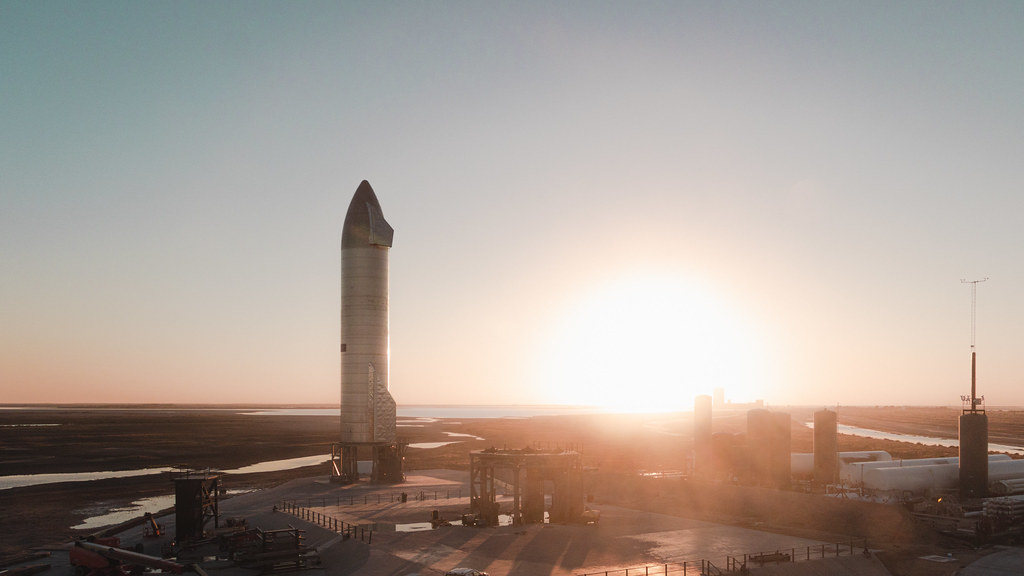
Flight 11 is currently scheduled to launch at 6:15 p.m. Central Time.
☀️ Daylight Launch for Maximum Spectator Visibility
This time selection ensures that both the Super Heavy booster and the Starship upper stage will complete their splashdowns in daylight—providing spectators around the world an unprecedented visual experience.
Expect crystal-clear views of the entire launch, landing burns, and splashdowns, thanks to this carefully chosen time window.
🧪 Step-by-Step Launch Timeline Breakdown
Let’s now walk through the entire Starship Flight 11 timeline, from fueling to orbit to splashdown.
🔄 T-1:15 — Go for Propellant Load
At T-minus 1 hour and 15 minutes, the flight director gives the “go” for propellant loading, kicking off a fascinating visual transformation of the launch pad:
- Storage tanks begin venting.
- The orbital launch mount (OLM) and integration tower come alive.
- Plumes of methane and oxygen create a mesmerizing atmosphere at Starbase.
❄️ T-0:53 — Starship Tanking Begins
- Liquid methane begins flowing into the upper stage.
- At T-0:45, liquid oxygen follows to chill the tanks.
This preps Starship for flight while reducing temperature shock during ignition.
🧊 T-0:41 — Super Heavy Tanking Begins
- At T-minus 41:30, the booster starts loading liquid methane.
- Followed by liquid oxygen at T-0:33.
- Engine chill procedures begin shortly after, cooling the 33 Raptor engines.
This ensures safe ignition at T-0.
✅ Final Go / No-Go Checks
- T-3:30 & T-2:50 — Fueling lines are sealed, tanks are pressurized.
- T-0:40 — Final go for launch is confirmed by the flight director.
💥 Ignition & Liftoff Sequence
🌊 T-10 to T-3 Seconds — Water Deluge & Engine Ignition
- At T-10 seconds, the water deluge system activates to protect ground hardware.
- At T-3 seconds, the 33 Raptor engines ignite.
- Sensors confirm full thrust.
- Clamps release… and Starship Flight 11 lifts off!
✈️ Max Q at T+1:02
At 1 minute and 2 seconds, the vehicle passes through Max Q—the point of maximum aerodynamic pressure.
This is one of the most stressful moments of flight for any launch vehicle.


🧩 Stage Separation and Booster Return
🔁 Stage Separation at T+2:30
- Main Engine Cutoff (MECO): Outer engines on Super Heavy shut down.
- Three center engines remain active to stabilize the booster.
- Hot staging ring activates upper-stage ignition.
- Starship separates and continues to orbit, while the booster prepares to return.
🔄 Super Heavy Booster Return Sequence
🛬 Boost Back Burn Begins Immediately After Separation
- 13 engines fire to direct the booster back to Earth.
- Burn lasts ~1 minute.
- Hot staging ring is jettisoned.
🌊 Landing Burn at T+6:20
- New profile: 13 → 5 → 3 engines.
- Provides extra redundancy if engines fail.
- Booster aims for a soft splashdown in the Gulf of Mexico.
🛰️ Starship Upper Stage Journey to Orbit
🚀 Orbit Insertion at T+8:57
- Starship reaches orbit and shuts down its engines.
📦 Satellite Deployment at T+18:00
- Eight test payloads are deployed.
- Satellite dispenser operates for 7 minutes.
- Concludes at T+25 minutes.
🔁 Engine Re-ignition Test at T+37:48
- A single Raptor reignites in space.
- Critical test for multi-orbit and lunar missions.
🌍 Starship’s Fiery Reentry & Splashdown
🔥 Atmospheric Reentry at T+47:29
- Plasma builds as Starship reenters Earth’s atmosphere.
- Deliberate tile removal allows testing of thermal protection systems under harsh conditions.
🧠 Advanced Maneuvering and Final Descent
- Starship performs banking maneuvers to test guidance and control.
- At T+1:06:14, the vehicle rotates from belly-first to vertical.
- Three engines ignite for controlled descent.
- At T+1:06:30, Starship splashdowns, completing the mission.

🔍 What Makes Flight 11 So Unique?
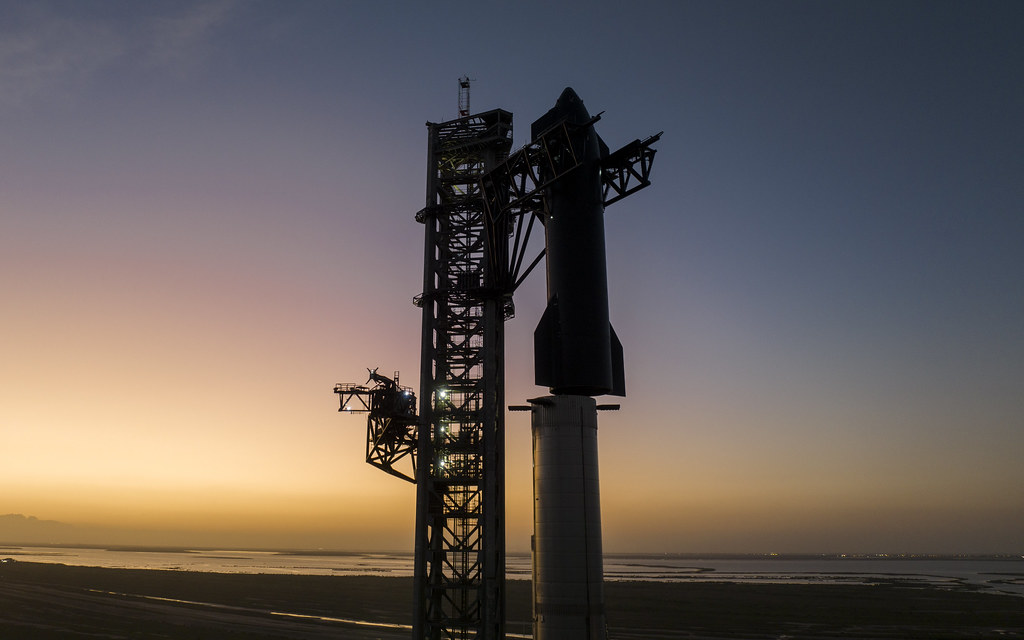
1️⃣ Both Booster and Ship Will Splash Down
This is a data-focused mission. No attempt will be made to catch either vehicle with the launch tower.
- S37 and B15 will conclude their service.
- Engineers will gather maximum data before transitioning to new hardware.
2️⃣ High Engine Reuse on B15
- 24 of 33 Raptor engines on B15 are reused.
- A stress test of reusability.
3️⃣ Final Use of Disposable Hot Staging Ring
- This is the last mission to discard a hot staging ring.
- Future vehicles will integrate this function directly—increasing reusability.
4️⃣ Improved Booster Landing Profile
- Revised engine shutdown sequence: 13 → 5 → 3.
- Adds fail-safe layers for critical landings in V3 hardware.
5️⃣ Advanced Upper Stage Return Simulation
- Simulates Starbase return guidance.
- Will help fine-tune future land-based recoveries.
6️⃣ Tile and Thermal Shield Testing
- Engineers have made new refinements:
- Stronger tile bonding
- Reinforced flaps
- Optimized heat management
🌌 Why Flight 11 Matters for the Future of Starship
Flight 11 isn’t just another test flight—it’s a turning point.
It marks:
- The final mission for S37 and B15.
- The beginning of V3 vehicles, designed for:
- Full reusability
- Tower catch recovery
- Fast turnarounds
Each component of this mission serves a greater goal: building SpaceX’s long-term roadmap to lunar missions, Mars colonization, and beyond.
📺 How to Watch Starship Flight 11
- Live stream will likely begin 30 minutes before launch.
- You can watch via:
- SpaceX’s official YouTube channel
- Expect real-time commentary, visuals of the venting process, and multi-camera views of launch and splashdown.
✨ Final Thoughts: The Countdown Has Begun
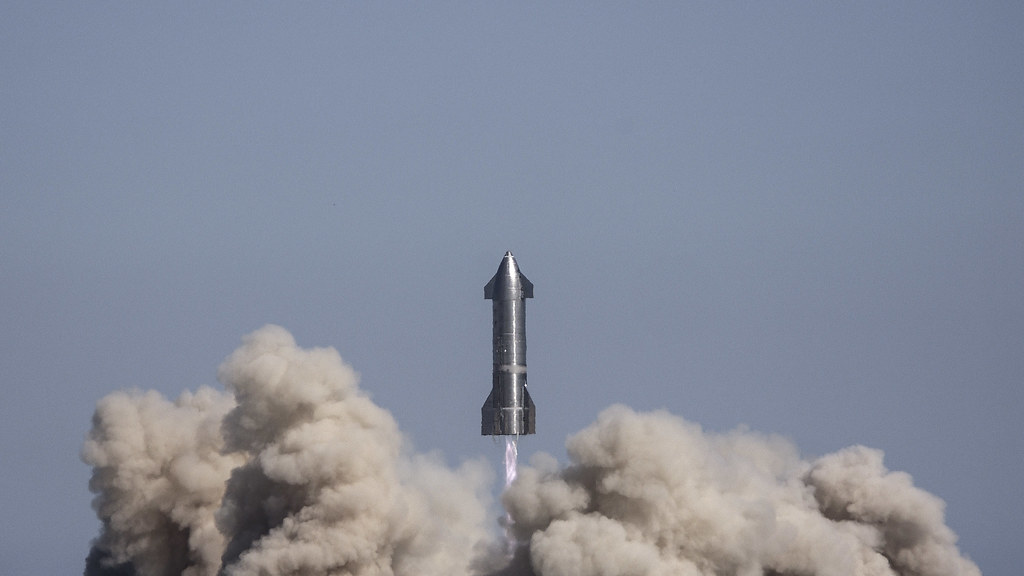
With each mission, SpaceX inches closer to a reusable future, and Starship Flight 11 stands as a symbol of that progress.
From the thrill of liftoff to the precision of splashdown, this flight isn’t just about spectacle—it’s about refining systems, validating improvements, and pushing boundaries.
As the clock ticks down to October 13, keep your eyes on the sky. The future of spaceflight is being written in real time, and you won’t want to miss a second.
FAQs
1. When is Starship Flight 11 scheduled to launch?
Starship Flight 11 is scheduled to launch on October 13, 2025, at 6:15 p.m. Central Time. This timing was chosen to allow daylight landings of both the booster and upper stage, giving viewers a clear view of each phase of the mission.
2. Why is the date October 13 significant for SpaceX?
October 13 marks exactly one year since Starship Flight 5, which was the first time SpaceX achieved a full-duration upper stage burn. Launching Flight 11 on this same date highlights the symbolic progress of the Starship program.
3. What is the goal of Starship Flight 11?
Flight 11 focuses on testing reusability, refining landing procedures, evaluating engine performance, and gathering critical data for future missions. It’s also the final flight for Ship 37 and Booster 15.
4. Will Flight 11 attempt a tower catch?
No. Both the Super Heavy booster and Starship upper stage will splash down in the ocean. SpaceX is prioritizing data collection over recovery for this mission.
5. How many engines are reused on Booster 15?
24 out of 33 Raptor engines on Booster 15 are reused. This mission serves as a real-world stress test of engine refurbishment and reliability.
6. What happens during Max Q, and why is it important?
Max Q is the moment of maximum aerodynamic pressure on the vehicle, occurring about 1 minute into flight. Passing this milestone proves that the rocket structure can handle extreme stress.
7. What is hot staging in Starship Flight 11?
Hot staging is the process of igniting the upper-stage engines while the booster is still firing. It enables a smoother separation. Flight 11 will be the last mission to use a jettisonable hot staging ring.
8. What is the new booster landing engine sequence?
Booster 15 will use a revised sequence: 13 engines → 5 engines → 3 engines for the landing burn. This new method adds redundancy and allows for greater control during descent.
9. Will Flight 11 deploy any satellites?
Yes. SpaceX will deploy 8 simulated test payloads about 18 minutes into the flight to validate satellite deployment systems for future operational missions.
10. Will the Starship upper stage reach orbit?
Yes. The upper stage will reach orbit at 8 minutes and 57 seconds into the flight and will conduct additional tests, including payload deployment and engine reignition in space.
11. Is the Starship returning to land at Starbase?
No. The upper stage will splash down in the ocean after performing experimental maneuvers simulating a future land-based return.
12. What’s special about the re-entry test on Flight 11?
SpaceX has deliberately removed some heat shield tiles to test thermal protection in vulnerable areas during re-entry, providing crucial data for future upgrades.
13. What improvements have been made to the heat shield for Flight 11?
Upgrades likely include stronger tile bonding, reinforced flaps, and better thermal resistance, helping validate changes under real atmospheric conditions.
14. How long will Flight 11 last from liftoff to splashdown?
The full mission will last approximately 1 hour and 6 minutes, from liftoff to the final Starship splashdown.
15. What is SpaceX testing with the upper stage guidance system?
The upper stage will perform dynamic banking and orientation maneuvers to refine guidance algorithms for future land-based returns at Starbase.
16. How can I watch the Starship Flight 11 launch?
You can watch the live stream on SpaceX’s YouTube channel or follow along with Great SpaceX updates. The stream typically starts about 30 minutes before liftoff.
Read More:
- Tesla plant manager tips off affordable model production
- Tesla FSD (Supervised) V14.1 with Robotaxi-style dropoffs is here
- Tesla Optimus steals the show during TRON: ARES premiere
- Tesla owners show off improvements with new Full Self-Driving v14 rollout
- Tesla launches two new affordable models with ‘Standard’ Model 3, Y offerings