
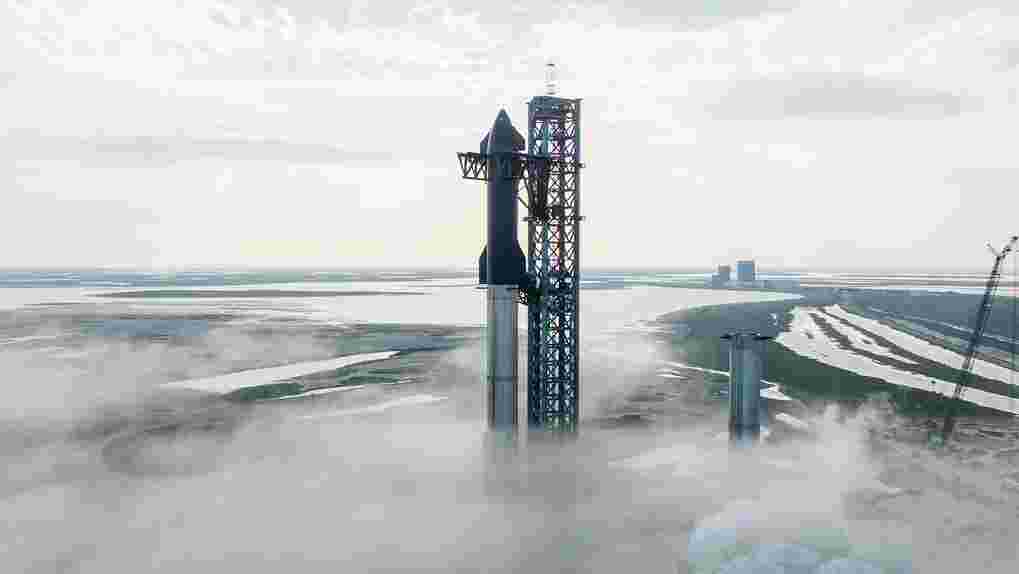
As we approach the final days of 2025, it has become clear that this year has been one of the most emotional and consequential periods in the history of SpaceX and its Starship program. Successes, setbacks, skepticism, and soaring ambition have all collided into a single narrative. Yet, despite the challenges, 2026 is shaping up to be an even more pivotal year—one that could determine the future of human exploration beyond Earth.
At the center of this story stands a bold objective: SpaceX plans to land Starship on the Moon. This is not a distant dream or a vague ambition—it is a contractual requirement tied directly to NASA’s Artemis program. Whether SpaceX can achieve this goal will influence not only the Artemis 3 mission, but also America’s leadership in space, international competition, and the long-term roadmap toward Mars.
This article explores how SpaceX plans to make a lunar landing possible, why 2026 is a make-or-break year, and how these efforts ripple across global spaceflight priorities.
The Growing Pressure on SpaceX and Artemis 3
From Certainty to Competition
SpaceX’s role in Artemis 3 was once viewed as inevitable. However, that certainty has faded. Growing skepticism surrounding Starship’s development timeline, combined with its unprecedented technical complexity, has led NASA to quietly treat Starship’s lunar role as a competition rather than a guarantee.
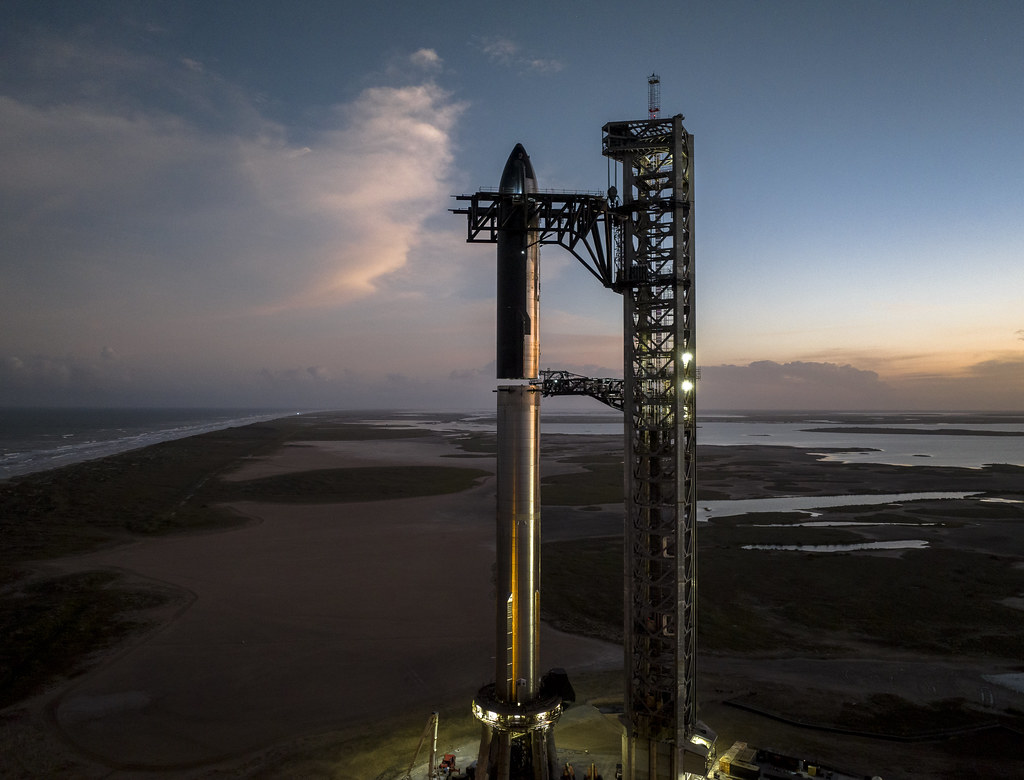
Some internal documents and external assessments suggest that Starship may not be ready for a crewed lunar landing until 2028, with only an uncrewed mission possible in 2027. This creates a serious challenge, because NASA cannot afford indefinite delays.
Why NASA Cannot Wait
NASA faces intense pressure from:
- Political expectations
- International competition, especially from China
- Longstanding commitments to allies and partners
A crewed return to the Moon must happen within the current decade. If Artemis 3 is to fly in 2027 or shortly after, SpaceX must show undeniable progress well before then.
Why 2026 Is the Decisive Year for Starship
By the end of 2026, SpaceX must achieve a milestone that goes far beyond test flights and partial successes. Starship must reach the Moon.
The Uncrewed Starship HLS Mission
The most critical requirement is the uncrewed Starship Human Landing System (HLS) mission. This involves:
- Launching a lunar-optimized Starship
- Successfully landing it on the Moon
- Completing the mission without astronauts on board
This mission is non-negotiable. Without it, a crewed lunar landing using Starship would be nearly impossible for NASA to justify.
The Starship HLS Prototype: A Necessary First Step
Launch Window: Early to Mid-2026
To meet NASA’s expectations, SpaceX must fly a dedicated Starship HLS prototype between early and mid-2026. This timeline provides:
- Margin for system testing
- Time to identify and correct failures
- Flexibility to address unexpected issues
Given Starship’s complexity, problems are not just possible—they are likely. Schedule margin is essential.
Starship Version 3 and the Importance of Flight 12
Why Flight 12 Matters
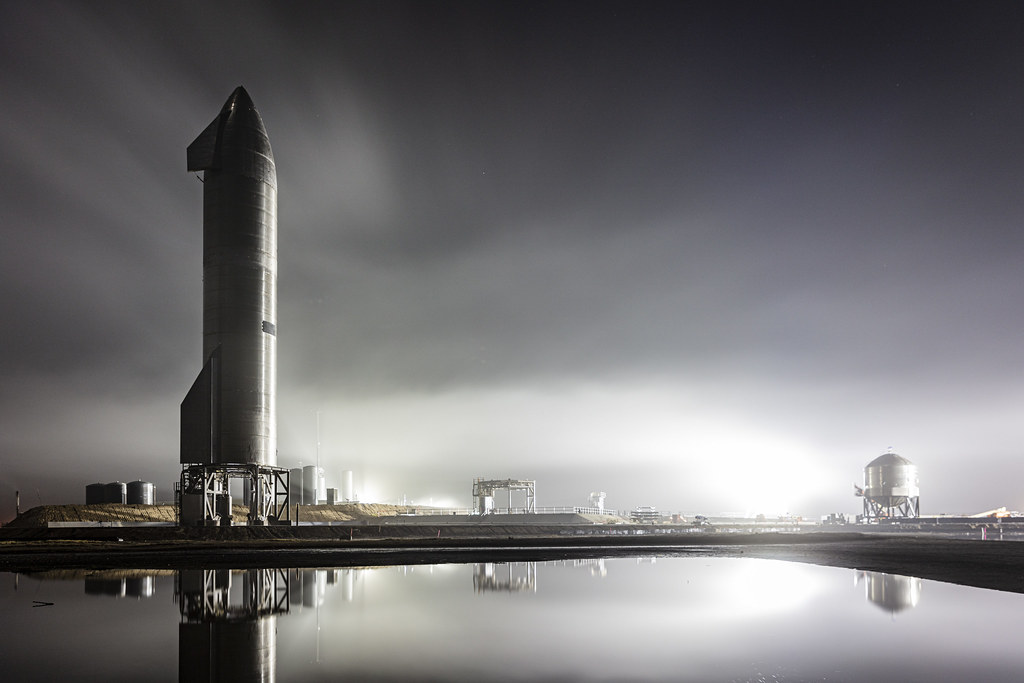
The first major milestone of 2026 is the testing of Starship Version 3 (V3). This campaign is expected to culminate in Flight 12, widely regarded as one of the most important Starship test flights ever.
Flight 12 will validate:
- Hot staging upgrades
- Improved grid fins
- Enhanced engine performance
- Catch hardware
- Heat shield durability
- On-orbit refueling systems
Success or Delay
A successful Flight 12 could:
- Accelerate orbital missions
- Enable payload deployment
- Push lunar missions forward
A failure, however, could:
- Force redesigns
- Compress already tight schedules
- Threaten 2026 objectives
Achieving Orbit: The Foundation of Everything
Reaching orbit may sound basic, but it is the foundation of all future Starship operations. Without reliable orbital insertion:
- Lunar missions are impossible
- Mars missions remain theoretical
- Orbital assembly and refueling cannot occur
Orbit is not the goal—it is the starting point.
Payload Deployment and the Role of Starlink V3
Why Starlink Matters for the Moon
Starship’s massive payload capacity becomes meaningful only when it delivers real payloads. The first major operational payloads are expected to be Starlink V3 satellites.
Key advantages include:
- Larger and more powerful satellites
- Up to 50 satellites per launch
- Validation of cargo delivery systems
Every successful payload mission builds confidence in Starship’s ability to transport lunar cargo, from habitats to life-support systems.
Recovery and Landing: Proving Full Reusability
Fully reusable spacecraft are the backbone of SpaceX’s strategy. Safe Earth landings are essential for:
- Rapid launch cadence
- Cost reduction
- Operational maturity
More importantly, Earth landings directly inform lunar landings. The same guidance, navigation, and propulsion systems apply.
Without reliable landings at home, Moon landings remain speculative.
Orbital Refueling: The Hardest Problem to Solve
Why Refueling Is Essential
To reach the Moon with meaningful payloads, Starship must be refueled in orbit. This requires:
- Multiple launches
- Precise rendezvous operations
- Reliable fluid transfer systems
Orbital refueling is not a single test—it is a long-term capability.
Progress So Far
SpaceX has already:
- Tested propellant depot power modules
- Activated hardware-in-the-loop test beds
- Begun refining real mission procedures
Initial orbital refueling tests could begin mid-2026, marking a turning point for lunar readiness.
Expanding Launch Infrastructure Worldwide
Starbase and Beyond
To support high flight rates, SpaceX is expanding infrastructure at:
- Starbase (Pad 2 nearing readiness)
- Pad 1 upgrades for sustained refueling
- Kennedy Space Center Launch Complex 39A
- SLC-37, expected operational by 2027
This distributed network enables flexibility, redundancy, and scale.
Mass Production: The Star Factory Revolution
Industrializing Spaceflight
In 2026, SpaceX’s Star Factory is expected to reach full operational capacity, becoming:
- The first mass-production facility for orbital-class rockets
- A cornerstone for high launch cadence
Supporting this effort are:
- Two existing Mega Bays
- A new Gigabay, operational by Q2 2026
Together, they allow parallel Starship and Super Heavy assembly, dramatically increasing throughput.
Testing Bottlenecks and Infrastructure Upgrades
Past issues with vehicles like Ship 39 and Booster 18 exposed weaknesses in test flow. In response, SpaceX has:
- Expanded test facilities
- Modernized infrastructure
- Streamlined cryogenic and structural testing
The goal for 2026 is operational reliability at scale.
The Moon as a Strategic Battleground
Starship’s lunar missions are among the most scrutinized efforts in modern spaceflight. Skepticism remains high, but visible progress in 2026 could change everything.
A successful uncrewed Starship landing would:
- Restore confidence in Artemis
- Secure SpaceX’s central role
- Reinforce U.S. leadership ahead of China
White House Executive Order: A Strategic Reset
America’s Lunar Deadline
A new White House executive order titled “Ensuring American Space Superiority” has clarified national priorities. Key directives include:
- Returning Americans to the Moon by 2028
- Establishing the first elements of a lunar base by 2030
The shift from 2027 to 2028 is subtle but powerful—it provides critical breathing room for Starship development.
Elon Musk’s understated response—“Cool”—reflects confidence, not complacency.
Why the Timeline Shift Helps SpaceX
The revised deadline:
- Reduces pressure for premature launches
- Allows deeper testing of orbital refueling
- Preserves Artemis stability
- Keeps the U.S. ahead of China’s 2030 target
Rather than a delay, it is a practical reset.
From Lunar Landing to Lunar Base
Rethinking How Bases Are Built
Traditional lunar base construction would take decades. Starship changes that equation.
One emerging concept involves:
- Landing a fully outfitted Starship
- Repurposing it into a permanent lunar habitat
- Using Starship’s massive payload capacity to deliver infrastructure rapidly
This approach could make a 2030 lunar base achievable.
Mars: The Ultimate Destination
While the Moon dominates near-term plans, it remains a proving ground for Mars. Starship is:
- NASA’s strongest path to Mars
- Central to long-term human expansion
- Essential for competing with China’s Mars ambitions
The Moon is not the end—it is the beginning.
Conclusion: Why 2026 Will Define the Future
Everything converges in 2026:
- Flight 12
- Starship V3
- Orbital refueling
- Infrastructure expansion
- Lunar readiness
What SpaceX delivers next year will shape:
- Artemis
- U.S. space leadership
- The global space race
- Humanity’s path to the Moon and Mars
Curiosity, imagination, and inspiration have always driven exploration. And as history shows, those who keep looking forward are the ones who shape the future.
FAQs
1. What is SpaceX’s main goal for Starship in 2026?
SpaceX’s primary objective in 2026 is to successfully land an uncrewed Starship Human Landing System (HLS) on the Moon, proving that Starship is ready to support NASA’s Artemis missions.
2. Why is 2026 considered a critical year for Starship?
Because NASA requires visible, credible progress before Artemis 3, and 2026 is the final window for SpaceX to demonstrate orbital capability, refueling, landing, and lunar readiness.
3. What is the Starship HLS mission?
The Starship Human Landing System (HLS) mission involves landing a lunar-optimized Starship on the Moon without astronauts as a prerequisite for future crewed missions.
4. Is the uncrewed Starship lunar landing mandatory?
Yes. The uncrewed lunar landing is a contractual requirement with NASA and a key proof point for approving a crewed Artemis landing.
5. What makes Flight 12 so important?
Flight 12 is expected to validate Starship Version 3 upgrades, including engines, heat shields, hot staging, and orbital refueling systems. Its success directly affects the entire 2026 timeline.
6. What is Starship Version 3 (V3)?
Starship V3 is a major upgrade featuring improved performance, durability, and reusability, designed specifically to support orbital operations and lunar missions.
7. Why is orbital refueling essential for Moon missions?
Starship cannot reach the Moon with meaningful payloads without refueling in orbit, which allows it to carry enough propellant for lunar descent, landing, and return operations.
8. Has SpaceX tested orbital refueling yet?
SpaceX has completed ground-based and hardware-in-the-loop tests, with initial orbital demonstrations expected to begin in mid-2026.
9. How does Starlink support Starship’s lunar goals?
Deploying Starlink V3 satellites proves Starship’s ability to deliver large payloads to orbit, building confidence in its cargo transport capability for lunar missions.
10. Why is Starship reusability so important?
Full reusability enables rapid launch cadence and cost reduction, both of which are essential for large-scale lunar operations and long-term space exploration.
11. What role does the White House executive order play?
The executive order sets a 2028 deadline for returning humans to the Moon and a 2030 goal for building a lunar base, aligning national strategy with Starship’s development timeline.
12. Why did the Moon landing timeline shift from 2027 to 2028?
The shift provides additional testing time, reduces risk, and improves the likelihood of success while keeping the U.S. ahead of China’s 2030 lunar plans.
13. How could Starship be used to build a Moon base?
Starship could deliver large habitats, equipment, or even be repurposed itself as a lunar base, dramatically accelerating construction compared to traditional methods.
14. How does China factor into the lunar race?
China plans to land humans on the Moon by 2030, making the Artemis timeline strategically important for maintaining U.S. leadership in space.
15. How does Starship connect to future Mars missions?
The Moon serves as a testing ground for Mars, and Starship is the core system designed to support long-duration human missions and permanent presence on Mars.
Read More:
- Delaware Supreme Court reinstates Elon Musk’s 2018 Tesla CEO pay package
- Tesla aims to combat common Full Self-Driving problem with new patent
- Why Tesla AI Will Take Over in 2026
- Elon Musk Finally SHOW Tesla Bot Gen 3 Cooks A Meal For Incredible Time! Biggest Product
- Tesla dominates in the UK with Model Y and Model 3 leading the way
1 thought on “SpaceX Reveals Genius Solution To Reach The Moon in 2026! Can It Even Be Done?”