


The pace at Starbase has suddenly shifted into high gear. After months of relatively quiet progress, SpaceX has ignited fresh excitement by rolling out Flight 12’s booster B19 at an unexpected moment and beginning testing almost immediately. At the same time, the next-generation Ship V3 has moved into position for stacking, signaling that SpaceX is preparing for a rapid acceleration in its Starship test and launch campaign.
And that’s not all. Beyond launch hardware, SpaceX is now aiming even higher — quite literally — with plans for an in-space data center made up of up to one million satellites. This bold vision could redefine how humanity generates power, processes data, and expands its presence beyond Earth.
Let’s break down everything happening right now at Starbase, what it means for Flight 12, Flight 13, and how SpaceX’s ambitions are stretching far beyond rockets alone.
Unexpected Rollout: Booster B19 Takes Center Stage
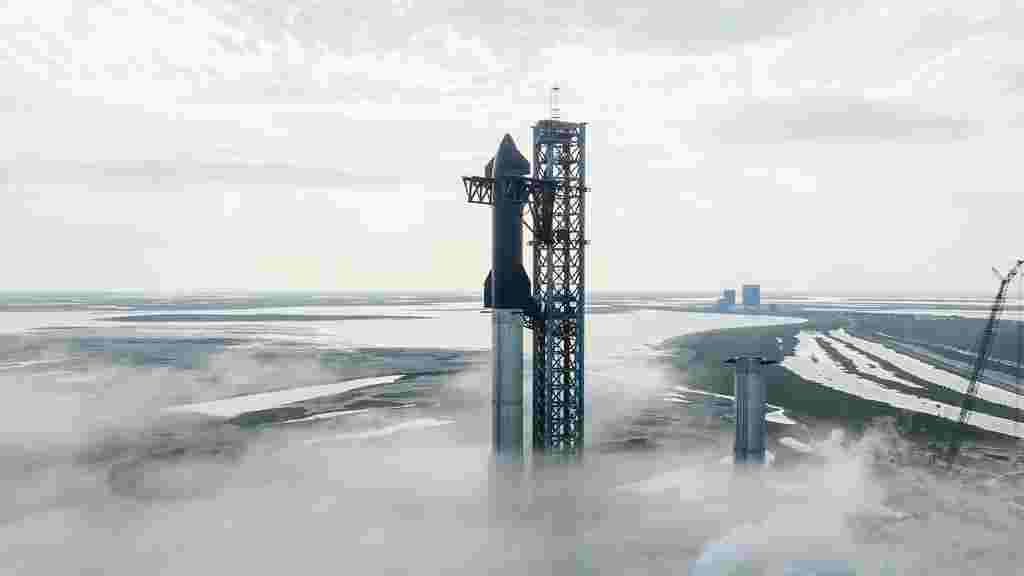
Just days earlier, many observers — including seasoned SpaceX watchers — believed Booster B19 would remain inside the production site for some time. A routine transport stand movement had dampened expectations, suggesting no major rollout was imminent.
SpaceX had other plans.
The Early Clues Nobody Expected
On the morning of January 31, subtle but telling signs began to emerge:
- The booster lifter arrived at Mega Bay 1
- Shortly after, the booster cryogenic test stand followed
- Road closures were announced for later that day, covering the route from the production site to Massey’s test area
By evening, the truth became undeniable. B19 was lifted onto the transport stand, the Mega Bay doors opened, and soon after, the booster made its journey to Massey.
SpaceX later confirmed the moment by sharing images and videos on X with a simple but powerful caption:
“B19 preparing to begin pre-launch testing.”
This marked the first major hardware movement in 72 days, following the incident involving B18. While some may argue the rollout could have happened sooner, there’s no denying this move reestablished momentum — and helped secure the early March launch window recently mentioned by Elon Musk.
Testing Begins at Massey: Pressure and Cryogenics
With B19 now at Massey, testing officially kicked off.
Environmental Pressure Testing
On February 1, SpaceX conducted an environmental pressure test, pumping nitrogen into the booster to:
- Detect potential leaks
- Verify the integrity of fuel tanks and pipelines
- Assess overall structural reliability
A structural test was likely performed alongside it, ensuring the massive booster could handle the stresses of future operations.
Cryogenic Testing: A Crucial Phase
Once pressure checks are completed, SpaceX moves into cryogenic testing, typically lasting one to two days. These tests involve loading:
At first, propellants may be loaded separately, but at least one test will almost certainly involve simultaneous loading of both fuels. This phase evaluates:
- Fuel tank performance
- Pipeline durability
- Pumping speed and efficiency
- System reliability under extreme cold
Since testing at Massey does not require road closures, much of this activity happens quietly — making it easy to miss unless you’re watching closely.
If all goes smoothly, B19 should return to the production site by the end of the week.
Raptor 3 Engines: The Next Major Milestone
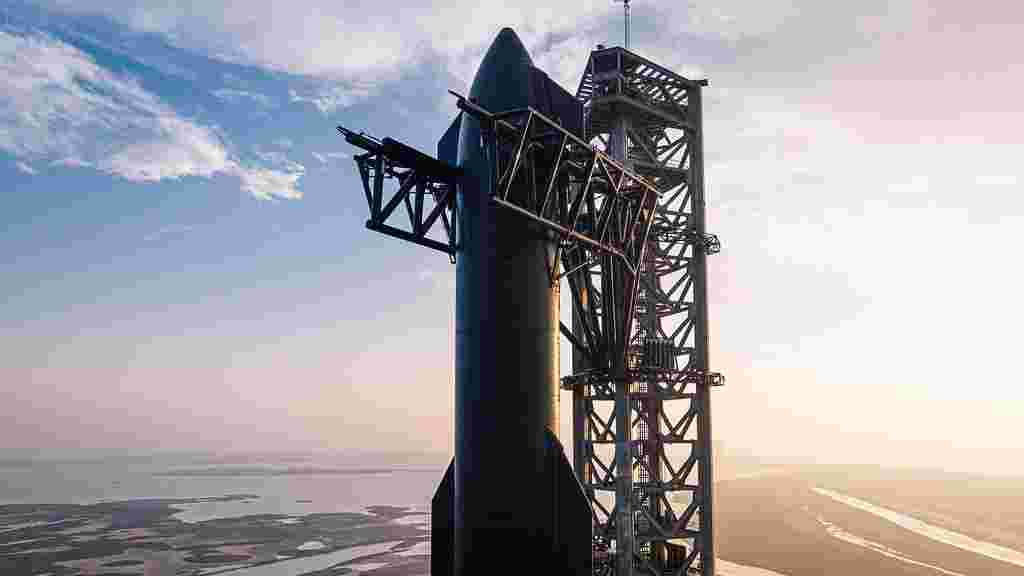
Once back at Mega Bay 1, B19 will undergo inspections before receiving one of its most important upgrades yet.
Meet the Raptor 3 Fleet
The Raptor 3 engines represent a significant evolution in SpaceX propulsion. Each engine weighs approximately 280 tons, and together the full set totals over 9,200 tons of thrust-producing power.
Installing these engines is no small task. The process is expected to take a week or more, pushing the timeline toward mid-February.
Pad 2 дебют: A Historic First
Sometime after February 10, SpaceX could roll B19 to Pad 2, the newly upgraded launchpad designed for advanced testing.
This move would mark the first-ever convergence of three major elements:
- The V3 booster
- The Raptor 3 engines
- Launch Pad 2
A static fire test here would be one of the most significant Starship milestones yet, proving not only the booster’s readiness but also validating Pad 2’s upgrades.
By late February, B19 is expected to return again for post-test inspections before heading toward launch preparations in early March.
Ship S39: Following a Parallel Path
While B19 grabs headlines, Ship S39 has been quietly waiting in the wings.
Cryogenic Testing for the Ship
S39 is already fully prepared, with its launch platform positioned at the Sanchez site. Cryogenic testing could begin shortly after B19 returns to the production site, potentially within days.
One remaining question is whether the test support structure at Massey is fully complete. If it is, S39 could roll out for testing by the end of this week or early next week.
Engines and Static Fire Testing
After testing, S39 will return for inspections and engine installation, likely around February 10. This process could take another week, setting the stage for static fire testing in the second half of the month.
These tests may finally reveal the true purpose of the support structure being built at Massey.
By the third week of February, static fire tests should wrap up, leaving the final days of the month for:
- System installations
- Flight termination system integration
- Payload preparation
By early March, S39 should roll to the launchpad and reunite with B19, ending a long wait for Flight 12.
Flight 12: Momentum Returns at Last
After months of limited visible progress, Flight 12 now feels real again. Hardware is moving, testing is active, and the timeline is finally tightening.
For SpaceX fans who have waited patiently, anticipation is quickly turning into genuine excitement.
Next Up: Ship V3 S40 Enters the Spotlight
Even as Flight 12 advances, SpaceX is already laying the groundwork for what comes next.
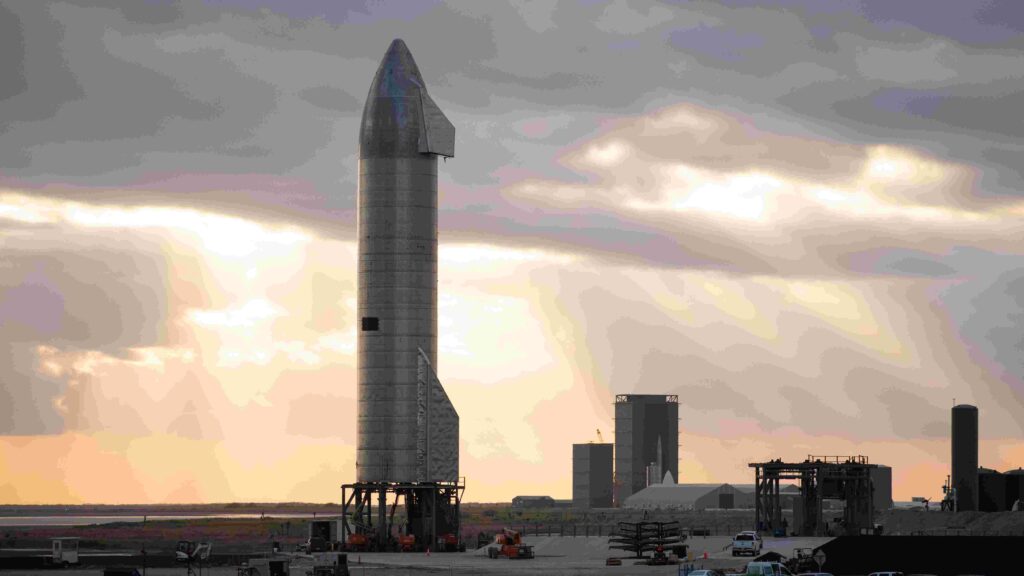
On February 1, Ship V3 S40 made its official move from the Star Factory to Mega Bay 2.
Key Features of S40
The first section to roll out included:
- Nose cone and payload section
- Forward flaps
- A complete heat shield
- Propellant refilling hardware similar to S39
One notable difference stood out immediately.
Early Arrival of the PEZ Dispenser
S40’s PEZ dispenser arrived unusually early, moving into Mega Bay 2 on January 31. Shortly after the nose section arrived, it was lifted and installed directly onto the PEZ dispenser.
With the Mega Bay 2 doors now closed, SpaceX may be preparing a surprise reveal.
This early integration strongly suggests that S40 will follow a different operational path than S39, possibly in preparation for a critical mission.
Flight 13 and the Push to Orbit
Based on the current roadmap:
- Flight 12 will validate V3 upgrades
- Flight 13 is expected to reach orbit
If successful, S40 will likely be tasked with validating system performance in orbit, potentially carrying a real payload for the first time.
By the end of this month, S40 should have enough sections stacked to complete its main structure, allowing testing to begin shortly after Flight 12 concludes.
Booster B20 and a Faster Production Rhythm
S40’s counterpart, Booster B20, is also expected to roll out soon.
With B19 spending less time in Mega Bay, production space is freeing up. If SpaceX maintains a 28-day booster production pace, another booster could be ready for testing early next month.
This opens the door for a launch in early or mid-April, though SpaceX’s ultimate goal goes far beyond a single mission.
The Bigger Picture: Multiple Starship Launches per Year
If progress continues:
- Multiple Starship launches could happen this year
- V3 upgrades will be fully validated
- Two-stage landings will be tested
- Propellant refilling missions will begin
This would mark a turning point, transforming Starship from an experimental program into an operational launch system.

Beyond Rockets: SpaceX’s In-Space Data Center Vision
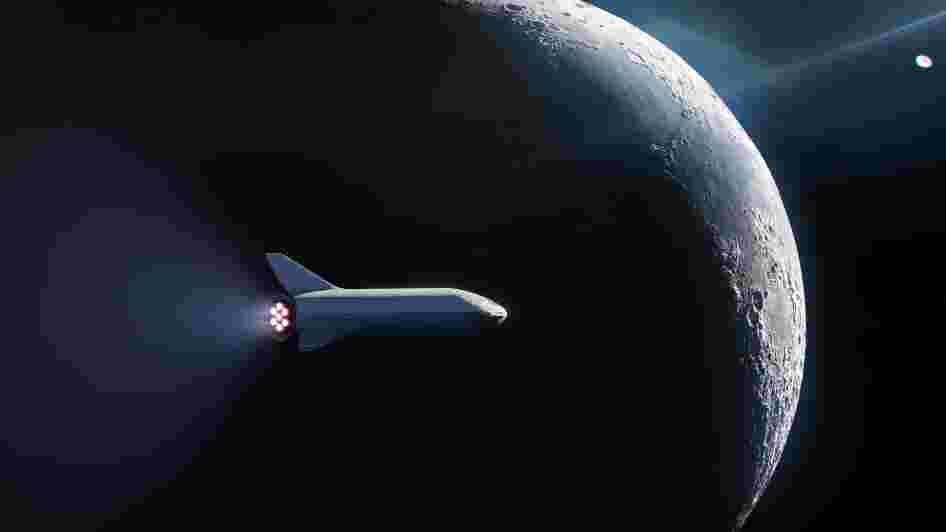
On January 30, SpaceX submitted a filing to the FCC outlining one of its boldest ideas yet: an orbital data center constellation.
One Million Satellites
Yes, you read that right.
SpaceX proposes up to 1 million satellites operating between 500 and 2,000 kilometers in altitude, using both 30-degree and sun-synchronous orbits to maximize sunlight exposure.
According to SpaceX, this would enable:
- Near-constant solar power generation
- Reduced operating and maintenance costs
- Lower environmental impact compared to terrestrial data centers
The company stated this system would be a first step toward a Kardashev Type II civilization, capable of harnessing the sun’s full energy output while supporting AI-driven applications for billions.
How Would It Work?
- Data moves primarily via inter-satellite optical links
- Starlink spacecraft relay information to Earth
- Ka-band communications serve as backup for telemetry and control
SpaceX has requested a waiver from standard FCC deployment milestones, arguing that spectrum warehousing concerns do not apply since Ka-band use would be non-interfering.
Starship’s Long-Term Role
Deploying satellites at this scale would be impossible without Starship. Falcon 9 may play a supporting role, but only Starship offers the payload capacity needed for such an ambitious project.
Of course, this raises serious questions about orbital debris and space traffic management, which SpaceX will need to address carefully.
Final Thoughts: Momentum Is Back
After months of quiet, SpaceX is moving fast again.
- Flight 12 hardware is actively testing
- Flight 13 is already taking shape
- Production pace is accelerating
- And a future of space-based infrastructure is being openly planned
The long wait appears to be ending. The next few months could define not just the future of Starship, but the future of humanity’s presence in space.
Are you ready to follow what comes next? 🚀
FAQs
1. What is SpaceX Starship Booster B19?
Booster B19 is the Super Heavy booster assigned to Starship Flight 12. It is the first booster designed to support V3 upgrades and is a critical step toward achieving rapid, reusable Starship launches.
2. When did SpaceX roll out Booster B19?
SpaceX rolled out Booster B19 in late January, following unexpected road closures and the arrival of test hardware at Mega Bay. The rollout marked the first major hardware movement in over 72 days.
3. Why is the B19 rollout important?
The rollout of B19 signals a return of momentum at Starbase and confirms that SpaceX is targeting an early March launch window for Flight 12.
4. What tests is Booster B19 undergoing at Massey?
B19 is undergoing environmental pressure tests and cryogenic testing, which evaluate tank integrity, structural strength, and fuel system performance using liquid methane and liquid oxygen.
5. What are cryogenic tests and why are they critical?
Cryogenic tests involve loading super-cold propellants into the booster to simulate real launch conditions. These tests ensure the tanks, plumbing, and pumping systems can safely handle extreme temperatures and pressures.
6. What are Raptor 3 engines?
Raptor 3 engines are SpaceX’s latest methane-fueled rocket engines. They offer improved efficiency, durability, and thrust, and will power the V3 Starship booster for upcoming flights.
7. When will Raptor 3 engines be installed on B19?
After completing cryogenic testing, B19 is expected to return to Mega Bay 1 for inspections and Raptor 3 engine installation, likely in early to mid-February.
8. What is Launch Pad 2 and why does it matter?
Launch Pad 2 is a newly upgraded Starship launch facility designed for advanced static fire testing. It will host the first combined test of the V3 booster, Raptor 3 engines, and Pad 2 systems.
9. What is Ship S39 and what role does it play?
Ship S39 is the Starship upper stage assigned to Flight 12. It will undergo cryogenic testing, engine installation, and static fire tests before stacking with Booster B19 for launch.
10. When is Starship Flight 12 expected to launch?
If testing proceeds smoothly, Starship Flight 12 is expected to launch in early March, pending regulatory approval and final system checks.
11. What is Ship V3 S40?
Ship S40 is the next-generation V3 Starship vehicle being prepared for Flight 13. It includes design upgrades intended to support orbital missions and future payload deployment.
12. Why is S40’s early PEZ dispenser installation significant?
The early installation of the PEZ payload dispenser suggests that S40 may carry a real or test payload and could be the vehicle that validates orbital operations for Starship.
13. What is the goal of Starship Flight 13?
The primary goal of Flight 13 is to achieve sustained orbit, marking a major milestone for the Starship program and validating the V3 design upgrades.
14. How many Starship launches could SpaceX attempt this year?
If production and testing continue at the current pace, SpaceX could attempt multiple Starship launches in one year, significantly increasing launch cadence compared to previous test phases.
15. What is SpaceX’s in-space data center proposal?
SpaceX has proposed an orbital data center consisting of up to 1 million satellites designed to harness near-constant solar power and support large-scale AI and cloud computing.
16. Why is Starship essential for deploying orbital data centers?
Only Starship has the payload capacity and cost efficiency required to deploy satellites at this unprecedented scale, making it central to SpaceX’s long-term vision for space-based infrastructure.
Read More:
- Even Tesla China is feeling the Optimus V3 fever
- Elon Musk explains why Tesla’s 4680 battery breakthrough is a big deal
- Elon Musk Confirms 3 NEW Teslas Models For 2026
- Tesla Starts Building Cars With In-House 4680 Cells After Dry-Electrode Breakthrough
- 2026 Tesla Model 2 Is Finally Here – FIRST LOOK