


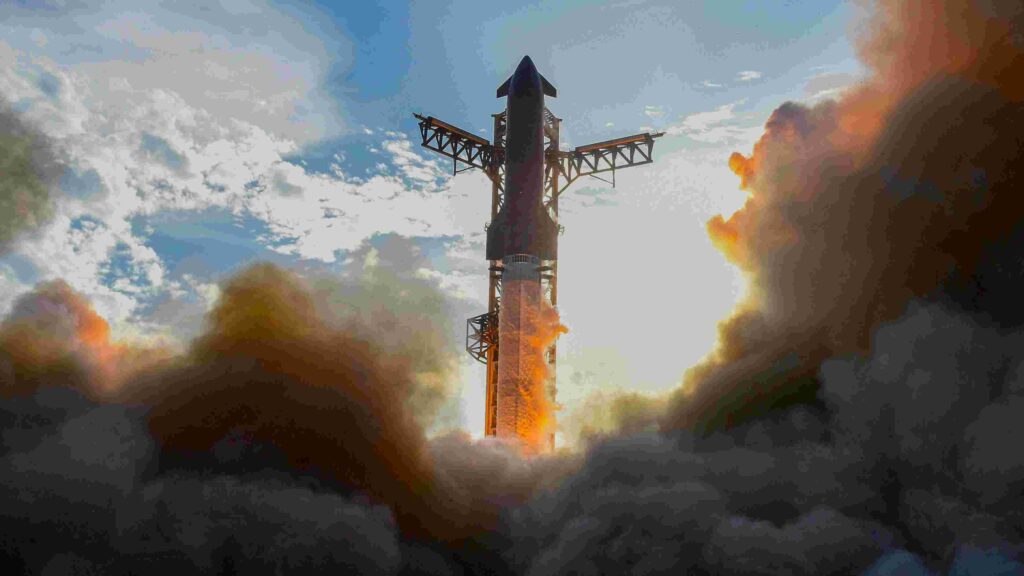
The entire aerospace world has its eyes locked on Starbase, Texas. What’s happening there isn’t just another rocket test campaign—it’s the buildup to what could be one of the most important milestones in spaceflight history. SpaceX is preparing to send Starship into true orbit for the very first time, potentially as early as Flight 13.
This moment has been teased repeatedly by Elon Musk himself, and while speculation is everywhere, the reality is grounded in hard engineering progress. Flight 12 is expected to lay the final technical foundation, clearing the path for an orbital attempt that could redefine what reusable spaceflight looks like.
But will Starship Flight 13 actually make history? Or are there still massive technical challenges standing in the way? Let’s break it all down step by step.
Why the World Is Watching Starbase Right Now
Starbase has become the epicenter of next-generation spaceflight. With 11 Starship test flights already completed, SpaceX has pushed the boundaries of what rapid iteration looks like in aerospace engineering.
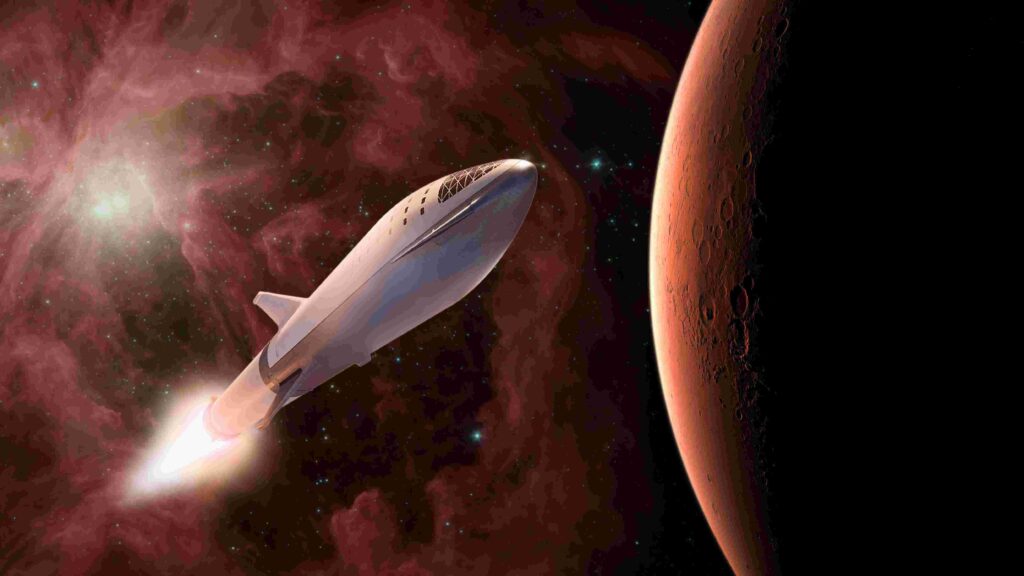
Yet, despite those achievements, Starship has not reached orbit—at least not yet. Critics often compare this to Blue Origin’s New Glenn, which reached orbit on its very first flight. However, that comparison ignores a crucial detail:
Starship is not a traditional rocket.
Starship vs New Glenn: A Misleading Comparison
Why New Glenn Reached Orbit Faster
Blue Origin’s New Glenn upper stage is:
- Expendable
- Vacuum-optimized
- Designed solely to deploy payloads
It behaves much like Falcon 9’s second stage—powerful, reliable, and disposable.
Why Starship Is a Different Beast
Starship’s upper stage is:
- 9 meters in diameter
- Over 50 meters long
- Designed for full reusability
- Capable of re-entry, landing, refueling, and crewed missions
This makes Starship not just a rocket stage, but a fully reusable spacecraft—something no other orbital vehicle has ever attempted at this scale.
Super Heavy: Already Making History
While critics focus on Starship’s lack of orbit, they often ignore a massive achievement already accomplished:
Super Heavy has landed on Mechazilla three times.
No other organization on Earth has ever:
- Launched the most powerful booster ever built
- Returned it
- Caught it mid-air using mechanical arms
Meanwhile, Falcon 9-style drone ship landings—impressive as they are—have become routine for SpaceX.
A Clear Pattern of Rapid Progress
Looking back from IFT-1 to IFT-11, the evolution is undeniable:
- Early flights ended in loss of control and explosions
- Later flights achieved payload deployment
- Starship survived extreme re-entry heating
- Fully controlled landing maneuvers were demonstrated
This isn’t stagnation. This is rapid maturation.
At the current pace, just two or three more flights could be enough to reach orbit.

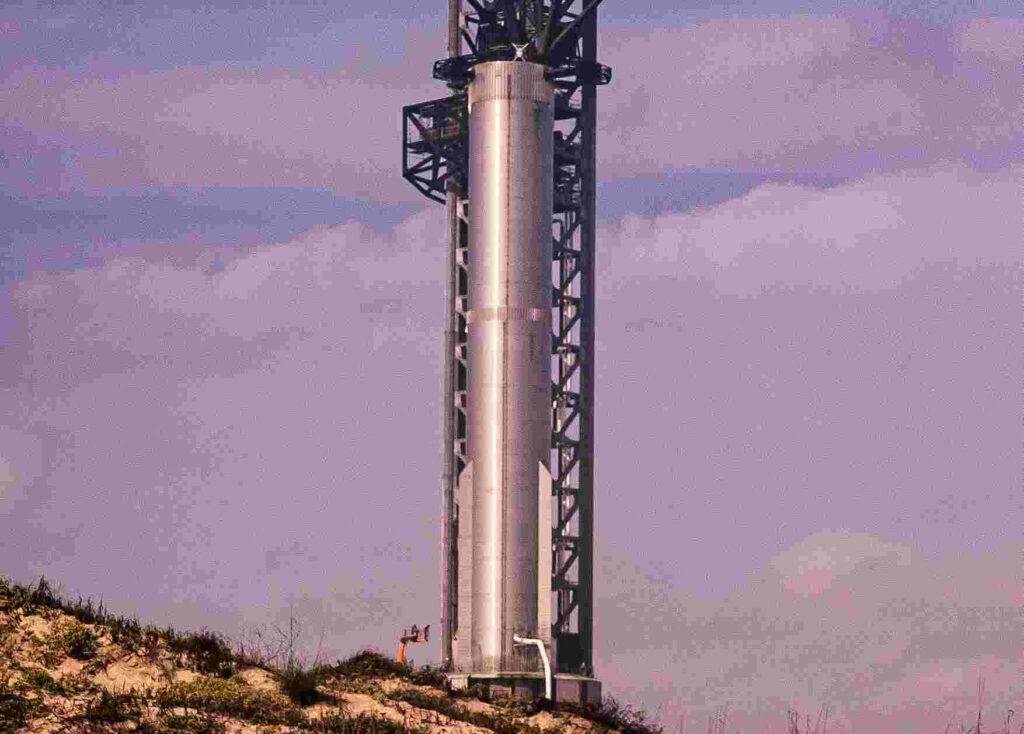
Elon Musk’s Hint: Flight 13 to 15
Elon Musk previously stated:
“Starship catch is probably flight 13 to 15, depending on how well V3 flights go.”
This target was set before Booster 18 suffered a rupture during preparation for Flight 12. As a result, SpaceX will almost certainly recalibrate timelines.
Still, the takeaway is clear:
Orbit was always expected before tower catches.
Why Flight 12 Will NOT Reach Orbit
Flight 12’s mission is validation—not spectacle.
Key Objectives of Flight 12
- Validate the Starship V3 structural upgrades
- Test six new Raptor 3 engines
- Evaluate hot staging ring improvements
- Test upgraded Super Heavy grid fins
- Assess a revised heat shield design
Although Raptor 3 engines have logged over 40,000 seconds of runtime at McGregor, nothing replaces real flight conditions.
What It Really Takes to Reach Orbit
Reaching orbit is far more complex than raw power.
Orbital Velocity Explained
- Ideal orbital speed: ~7.8 km/s
- Gravity drag + atmospheric drag: +1.5 to 2 km/s
- Required total delta-V: Over 9 km/s
Mind-Blowing Thrust Numbers
- Super Heavy: ~9,250 tons of liftoff thrust
- Starship upper stage: ~1,700–1,800 tons of thrust
On paper, this is more than enough. In reality, one engine failure at the wrong moment can end the mission.
Why SpaceX Is Playing It Smart
Pushing for orbit before validating hardware would be reckless. A failure doesn’t just create headlines—it delays refueling tests, payload deployment, and Artemis timelines.
That’s why Flight 12 is about closing technical gaps, not chasing glory.
Flight 13: The Moment That Could Change Everything
If Flight 12 succeeds, Flight 13 becomes the true milestone mission.
Primary Goals of Flight 13
- Achieve stable low Earth orbit
- Perform Raptor engine relights in space
- Deploy 8–10 Starlink simulators
- Demonstrate payload capability of up to 150 tons
Without orbit, none of SpaceX’s long-term goals—refuelling, lunar missions, Mars—are possible.
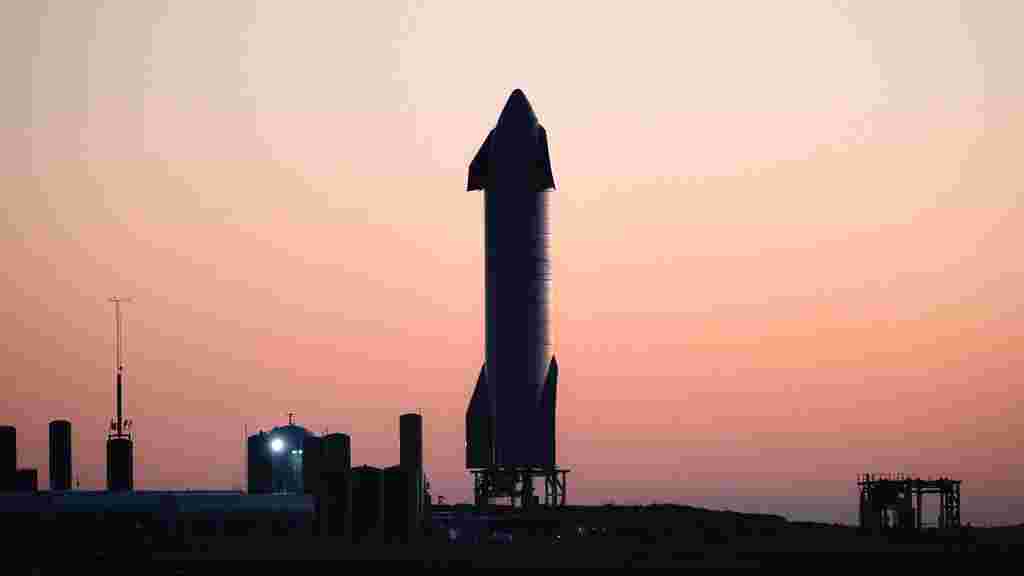
Orbital Refueling: The Real Endgame
SpaceX is expected to demonstrate orbital refueling as early as June. That alone confirms orbit is imminent.
Why Propellant Boil-Off Matters
Starship stores:
- Liquid methane
- Liquid oxygen
- At hundreds of degrees below zero
Even in space, heat leaks cause:
- 0.3–0.5% propellant loss per day
For long-duration missions, that loss can derail everything. Measuring real-world boil-off rates is critical.
New Re-Entry Profiles for Orbital Flight
Earlier flights splashed down in the Indian Ocean for safety. Orbit changes everything.
Possible Flight 13 Re-Entry Options
- Pacific Ocean splashdown (near Hawaii)
- Multiple orbits before de-orbit
- Different angle of attack for heat shield testing
A more ambitious scenario could involve:
- 3–5 full orbits
- Re-entry over the Atlantic Ocean
- Splashdown near Africa or central Atlantic
This would be a major step toward returning Starship to land.
Flight 14: Catching Both Stages
Projected for June–July, Flight 14 could mark:
- Super Heavy tower catch
- Starship tower catch
How This Would Work
- Pad 1: Catches Super Heavy
- Pad 2: Prepares to catch Starship
- Both towers operate simultaneously
The biggest challenge?
Starship’s extreme re-entry heating and structural integrity.
Why This Would Be Historic
If successful, SpaceX would become:
- The first organization ever
- To recover both stages of an orbital-class rocket
This unlocks:
- Rapid reuse
- Lower costs
- Higher launch cadence

Flight 15 and Beyond: True Reusability
Flight 15 could feature:
- Reused Starship prototypes
- Possibly Ship 43 or Ship 44
This is the moment when:
- Full reusability becomes real
- Launch costs collapse
- Monthly—or faster—launch cadence becomes possible
How Many Starship Launches in 2026?
Predictions vary, but outcomes depend on three factors:
1. V3 Flight Success
- Smooth first V3 flight: 10–12 launches
- Major failure: Significant delays
2. Reuse and Cadence
- Artemis requires frequent tanker flights
- Ideally: 1 launch per month or more
3. Production Capacity
- Without reuse, hardware becomes the bottleneck
- With reuse, constraints disappear
Final Thoughts: History Is Within Reach
Starship isn’t behind—it’s doing something no one has ever attempted. While others play it safe, SpaceX is building the infrastructure for sustainable spaceflight at planetary scale.
If Flight 12 validates the hardware and Flight 13 reaches orbit, we won’t just witness another rocket launch—we’ll see the dawn of a new era in human spaceflight.
The countdown has already begun. 🚀
FAQs
1. What is Starship Flight 13?
Starship Flight 13 is expected to be the mission where SpaceX attempts to send Starship into true low Earth orbit for the first time, marking a historic milestone in spaceflight.
2. Has Starship ever reached orbit before?
No. As of now, Starship has completed 11 test flights, but none have achieved full orbital insertion. Previous missions focused on testing re-entry, landing, and system reliability.
3. Why hasn’t SpaceX rushed Starship into orbit?
SpaceX prioritizes hardware validation and safety. Starship is designed to be fully reusable, which requires far more testing than traditional expendable rockets.
4. What is the main goal of Starship Flight 12?
Flight 12 is focused on testing upgraded V3 hardware, including Raptor 3 engines, structural improvements, and a redesigned heat shield, not reaching orbit.
5. How powerful is the Starship rocket system?
Starship is the most powerful rocket ever built, producing over 9,250 tons of thrust at liftoff from Super Heavy, with additional thrust from Starship’s six engines.
6. How fast does Starship need to go to reach orbit?
Starship must reach a velocity of over 9 km/s, accounting for gravity and atmospheric drag, to achieve stable low Earth orbit.
7. What makes Starship different from other rockets?
Unlike traditional rockets, Starship is fully reusable, capable of re-entry, landing, orbital refueling, and long-duration space missions.
8. Why is orbital refueling so important for Starship?
Orbital refueling enables deep-space missions, including Moon and Mars exploration, by allowing Starship to refill propellant while already in orbit.
9. What is propellant boil-off and why does it matter?
Propellant boil-off occurs when cryogenic fuels slowly evaporate in space. Even small losses can threaten long missions, making boil-off measurement critical.
10. Where will Starship land after reaching orbit?
Flight 13 may splash down in the Pacific Ocean, possibly near Hawaii, after completing one or more orbits around Earth.
11. What is Mechazilla and why is it important?
Mechazilla is SpaceX’s launch tower equipped with robotic arms designed to catch Starship and Super Heavy, enabling rapid reuse.
12. When will SpaceX attempt a tower catch of Starship?
A Starship tower catch could occur between Flight 13 and Flight 15, depending on flight performance and heat shield reliability.
13. How does Starship compare to Blue Origin’s New Glenn?
New Glenn’s upper stage is expendable, while Starship is a reusable spacecraft, making Starship far more complex and ambitious.
14. How many Starship launches are expected this year?
If V3 testing goes well, SpaceX could achieve 10–12 Starship launches, though failures could reduce that number.
15. Why is Starship so important for the future of spaceflight?
Starship has the potential to dramatically lower launch costs, increase flight frequency, support the Artemis program, and make Mars missions possible.
Read More:
- Tesla Semi 2026: Elon Musk Reveals SHOCKING Factory Updates
- Elon Musk LEAKED 2026 Tesla Cybertruck FSD NEW Update! 4680 Battery Power SHOCKED Industry
- Starship Flight 12 launch Date So Close after Pad-2 almost Completed…Sooner Than We Thought
- Tesla AI Head says future FSD feature has already partially shipped
- Elon Musk’s xAI bets $20B on Mississippi with 2GW AI data center project