


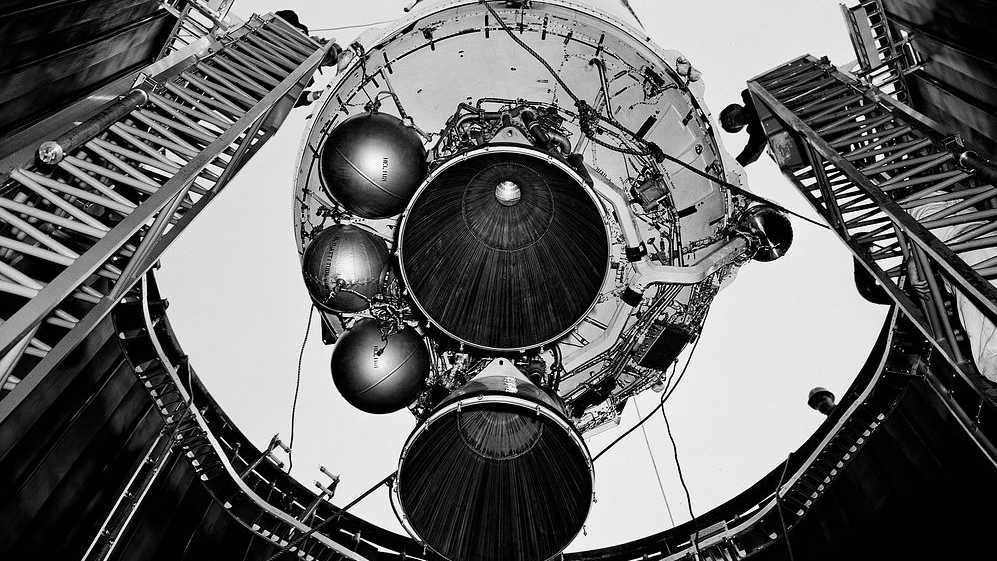
Hello again, space enthusiasts! The world of SpaceX continues to thrill with innovation, challenges, and unprecedented milestones. Recently, SpaceX’s Raptor engine experienced an explosion during testing, raising questions among fans and aerospace enthusiasts. While such incidents may sound alarming at first, they are often part of a meticulous testing process crucial for future missions, including lunar exploration.
At the same time, SpaceX’s Starbase is undergoing massive upgrades, and China is preparing for the Shenzhou 22 launch to the Tiangong Space Station. Let’s dive into these developments and understand what they mean for the future of space exploration.
Understanding the SpaceX Raptor Explosion
SpaceX’s Raptor engines are the powerhouse of the Starship program, developed to handle the extreme demands of orbital and lunar missions. Recently, during testing at McGregor, Texas, a Raptor 3 engine exploded.

Why the Explosion is Not Necessarily Alarming
Seeing an engine explode may initially seem catastrophic, but context is key:
- The incident occurred during engine startup, not a long-duration static fire, which is less common.
- This type of failure can indicate either a minor, isolated defect or a deliberate stress test to understand engine limits.
- SpaceX’s history shows intentional high-stress testing is standard to ensure reliability before actual missions.
What This Means for Starship Missions
The Raptor 3 engine plays a crucial role in upcoming high-stakes missions:
- Flight 12 will involve the first relighting of a Raptor 3 engine in space, which is essential for orbital maneuvers.
- Future missions depend on engines restarting reliably after shutdown, including payload deployment, orbital refueling, and complex two-stage landings.
Independent testing at McGregor allows engineers to push engines to their operational limits under controlled conditions, identify weaknesses, and correct them before they can compromise real missions.
SpaceX Lunar Mission Preparations
SpaceX is actively preparing for its ambitious lunar missions, including the uncrewed lunar landing in June 2027 and a crewed landing in September 2028.
The Role of Engine Testing in Lunar Missions
The tight timeline demands:
- Rigorous early engine testing to ensure reliability.
- Multiple prototypes ready for repeated testing and upgrades.
- Preparatory missions for in-orbit refueling, crucial for long-duration lunar operations.
Despite the recent explosion, the Raptor 3 engine test is likely a planned and necessary step in preparing for these critical missions.

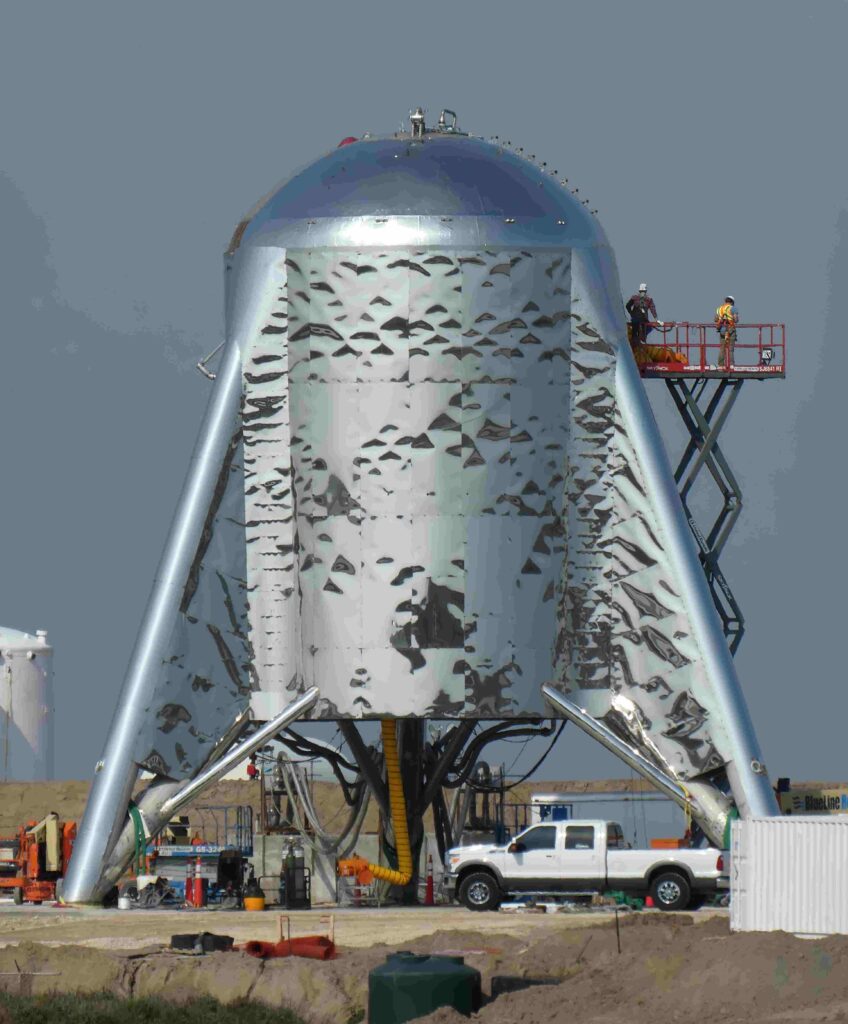
Starbase: The Heart of SpaceX Operations
When discussing Starship, Starbase immediately comes to mind as the hub of assembly, testing, and launches. The facility represents the complexity and ambition of SpaceX’s next-generation systems.
Upgrades and Changes at Starbase
SpaceX is actively transforming Starbase, including the demolition and rebuilding of launch pads:
- OLM Pad 1 has seen the removal of protective shields, clamps, and piping, marking the end of the old era.
- The first leg of OLM Pad 1 was recently demolished, with all remaining legs expected to follow.
- After demolition, SpaceX will excavate, pour concrete, and install new flame trenches, platforms, and systems, with completion expected by mid-next year.
Meanwhile, Pad 2, representing the new era, is nearing completion, including the installation of the BQD methane hood and final fuel line connections.
Starship V3: A New Era of Production
One of the most exciting developments is the Starship V3 S39, now nearly complete:
- The final aft section has been stacked in Mega Bay 2.
- The total stacking process took 33–34 days, faster than the previous V2 record of 42 days.
- V3 improvements promise increased efficiency and production speed, crucial for the numerous prototypes needed for upcoming missions.
S39 will soon undergo cryogenic testing, marking the official debut of Starship V3.
China’s Shenzhou 22 Mission: Ensuring Crew Safety
While SpaceX pushes forward, China is addressing its own space challenges:
- After the Shenzhou 21 crew remained in orbit with potential spacecraft issues, Shenzhou 22 launch preparations have begun.
- Rocket testing and cargo loading are underway, prioritizing crew safety and station support.
- Normally, emergency missions could be launched in 8.5 days, but the current preparation timeline is 10–20 days, reflecting the complexity of compressing six months of work into a shorter period.
This situation highlights the pressure and complexity of human spaceflight, even for experienced space agencies.

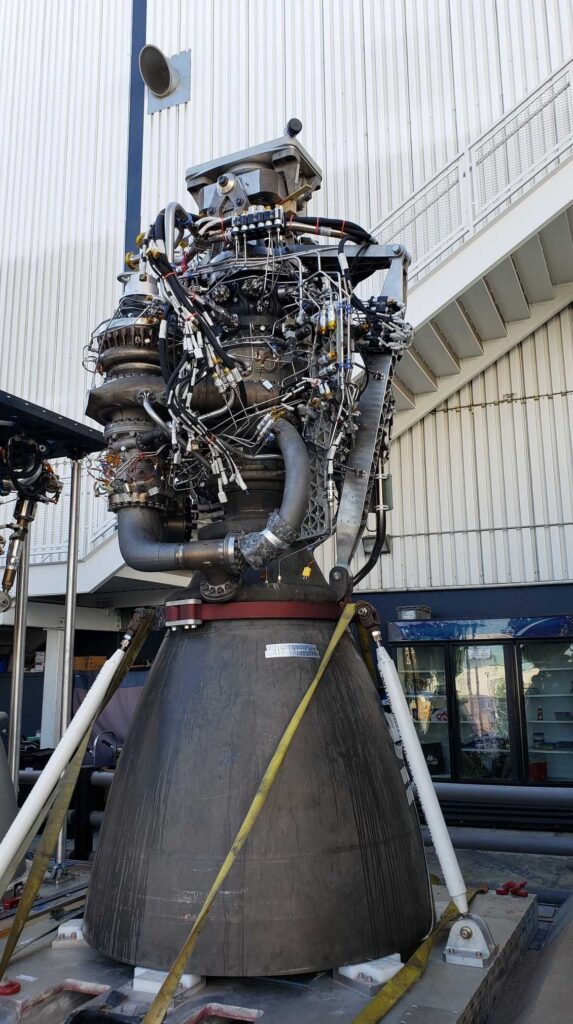
Why Space Testing Explosions Are Part of Progress
SpaceX’s approach to testing might seem extreme to outsiders, but it is part of a calculated risk process:
- Engines are tested beyond normal operating limits to reveal weaknesses.
- Failures during testing are valuable because they provide critical data without risking crewed missions.
- This methodology accelerates technology development and mission readiness.
By deliberately pushing engines to failure, SpaceX ensures that any issues are identified early, saving time and resources in the long term.
Starbase Pad and Infrastructure Upgrades
Upgrades at Starbase go beyond engines and spacecraft:
Pad 1 Renovation
- Complete demolition of old structures.
- Installation of new flame trenches, concrete platforms, and deluge systems.
- Integration with Starship V3 systems for enhanced launch and recovery capabilities.
Pad 2 Readiness
- Final testing and installation of fuel and safety systems.
- Awaiting booster B18 for the first static fire test.
- Designed for next-generation Starship operations.
These upgrades ensure higher reliability, faster turnaround, and safer launches for upcoming Starship missions.
Starship’s Production and Launch Timeline
The timeline for Flight 12, scheduled for January next year, is critical:
- Focused on engine relighting in orbit.
- Subsequent missions include payload deployment and two-stage landings.
- Preparatory missions for in-orbit refueling begin in June 2026.
The speed and efficiency of Starship V3 production will directly impact the success of lunar and orbital missions.
Supporting SpaceX’s Mission
Fans and enthusiasts play a role in SpaceX’s journey:
- Engaging with content (likes, comments) supports the team.
- Encouragement can help sustain interest and community support for Starship milestones.

Conclusion: Space Exploration in Motion
The recent Raptor 3 explosion is a reminder that space exploration involves risk, testing, and innovation. SpaceX’s Starbase upgrades, Starship V3 production, and meticulous testing demonstrate a commitment to pushing boundaries while ensuring mission readiness.
Meanwhile, China’s Shenzhou 22 mission emphasizes the critical importance of crew safety in human spaceflight. Both programs highlight the complexities and pressures of modern space operations.
As SpaceX and other agencies continue to innovate, one thing is clear: the future of space exploration is being written today, and every test, upgrade, and launch brings humanity closer to the Moon, Mars, and beyond.
FAQs
1. What happened with the SpaceX Raptor engine explosion?
The Raptor 3 engine exploded during a test at McGregor, Texas, likely during a startup sequence. SpaceX conducts such tests intentionally to understand engine limits and improve reliability for future missions.
2. Is the Raptor 3 engine explosion a major problem for SpaceX?
No, it’s not considered a major problem. The engines undergo rigorous testing, and the explosion may represent a planned stress test or an isolated defect.
3. What is the role of Raptor engines in Starship missions?
Raptor engines provide the thrust required for orbital flight, payload deployment, in-orbit refueling, and lunar missions. They are critical for engine relighting and two-stage landings.
4. Where are Raptor engines tested?
Raptor engines are tested at SpaceX McGregor, Texas, where engineers push them to operational limits under controlled conditions.
5. What is Starbase, and why is it important?
Starbase is SpaceX’s hub in Texas for Starship assembly, testing, and launches. It is the center of innovation for next-generation spaceflight systems.
6. What upgrades are happening at Starbase pads?
OLM Pad 1 is undergoing demolition and reconstruction with new flame trenches, concrete platforms, and BQD systems. Pad 2 is being prepared for next-generation Starship testing and static fire operations.
7. What is Starship V3, and how is it different from previous versions?
Starship V3 features faster stacking, improved efficiency, and upgraded systems. The first V3 ship, S39, was stacked in just 33–34 days, faster than previous V2 models.
8. When is SpaceX’s Flight 12 scheduled, and what will it test?
Flight 12 is scheduled for January next year and will focus on Raptor 3 engine relighting in orbit, a critical step for lunar and orbital missions.
9. Why is engine relighting important for Starship missions?
Engine relighting ensures that Starship can restart engines after shutdown, which is essential for orbital maneuvers, payload delivery, and in-orbit refueling operations.
10. What is China’s Shenzhou 22 mission about?
Shenzhou 22 is a crewed mission to the Tiangong Space Station, primarily focused on ensuring crew safety after the previous mission left astronauts in a precarious situation.
11. How long is China taking to prepare for Shenzhou 22?
Preparation is estimated at 10–20 days, compressed from the usual six months due to the urgency of ensuring crew safety.
12. How does SpaceX handle failures during engine testing?
SpaceX deliberately tests engines beyond normal limits to identify weaknesses. Failures provide valuable data to improve reliability and ensure mission success.
13. What milestones are coming up for SpaceX’s lunar missions?
Upcoming milestones include preparatory in-orbit refueling missions in June 2026, an uncrewed lunar landing in June 2027, and a crewed lunar landing in September 2028.
14. What is the significance of Pad 2 at Starbase?
Pad 2 represents the new era of Starship testing, with updated fuel systems, safety mechanisms, and infrastructure to support V3 Starships.
Read More:
- Break it! SpaceX Crew Dragon to the Moon Sooner instead of NASA’s “$20.4 billion” Spacecraft
- Luminar-Volvo breakdown deepens as lidar maker warns of potential bankruptcy
- Tesla celebrates 75k Superchargers, less than 5 months since 70k-stall milestone
- Tesla Full Self-Driving appears to be heading to Europe soon
- Tesla Model Y sold out in China for 2025
- Tesla adds new surprising fee to Robotaxi program