


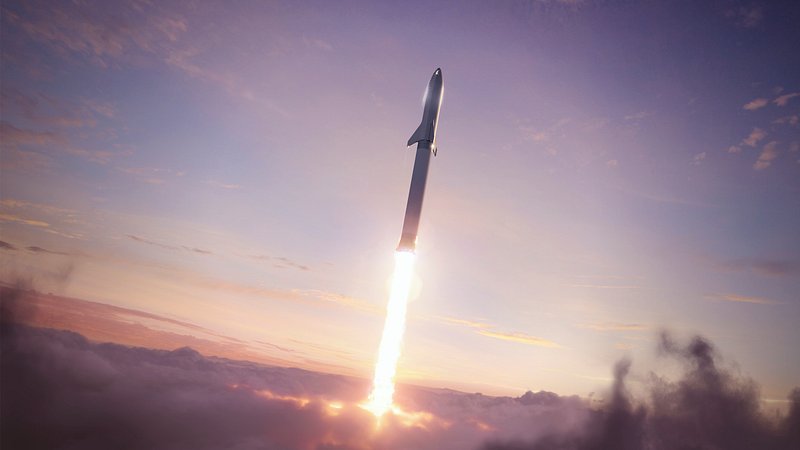
The global space community is witnessing what could become one of the most transformative moments in modern aerospace history. SpaceX is pushing the limits of rapid rocket reusability and launch cadence, and recent developments suggest something unprecedented: two full-scale Starship test flights within the same month.
This isn’t just another milestone—it’s a signal that Starship is evolving from an experimental prototype into a high-frequency orbital launch system. If successful, this could redefine how humanity approaches space travel, satellite deployment, and even interplanetary missions.
The May Breakthrough: Flight 12 and Flight 13
The excitement began with a regulatory filing that revealed a potential launch window for Starship Flight 13 starting May 29, 2026. This aligns closely with Flight 12, expected to launch in the first half of May.
Why This Matters
If both launches happen within May, SpaceX will break its own turnaround record. Previously, the shortest gap between Starship launches stood at 36 days. Now, the company is aiming to reduce that to just a few weeks.
This shift is more than just a scheduling achievement—it reflects:
- Faster vehicle production
- Streamlined testing procedures
- Improved confidence in hardware reliability
In short, SpaceX is entering a new era of operational efficiency.
Flight 12: The Debut of Starship V3
Flight 12 is not just another test—it represents the first flight of the upgraded Starship Version 3 (V3).
Booster 19 and Ship 39
The hardware for Flight 12 is nearly ready:
- Ship 39 has already completed its static fire test
- Booster 19 is fully assembled and undergoing final checks
These components represent the latest evolution in Starship design, incorporating lessons learned from previous missions.
The Power of Raptor 3 Engines
One of the most dramatic recent milestones was the successful firing of 33 Raptor 3 engines simultaneously.
This test:
- Generated a man-made seismic effect near the launch site
- Demonstrated full engine integration
- Confirmed readiness for liftoff
The Raptor 3 engine is a major upgrade, offering:
- Higher efficiency
- Greater thrust
- Improved reliability
This engine cluster is the backbone of Starship’s future success.
Hardware Progress: Preparing for Flight 13
While Flight 12 prepares for launch, Flight 13 hardware is already deep in development—a clear sign of SpaceX’s parallel production strategy.
Ship 40: 70% Complete
Ship 40 is shaping up to be one of the most important test vehicles yet.
Current Status
- Located in Mega Bay 2
- Heat shield tiles mostly installed
- Structural assembly nearing completion
Experimental Features
Observers noticed exposed stainless steel sections, leading to speculation about:
- New thermal protection systems
- Possible experimental tile materials
- Alternative heat shield configurations
If true, Flight 13 could double as a technology demonstration mission.
Booster 20: Rapid Progress
Booster 20 is another example of SpaceX’s accelerating production capabilities.
Key Highlights
- Stacking began in early April
- Assembly speed dramatically improved
- Likely nearing final structural completion
For comparison:
- Booster 18 took 175 days to stack
- Booster 19 took just 28 days
This exponential improvement shows how SpaceX is refining its manufacturing pipeline.
Flight 13: The Leap to True Orbit
While Flight 12 introduces new hardware, Flight 13 aims for something far more ambitious: achieving a stable Earth orbit.
From Suborbital to Orbital
All previous Starship flights have been suborbital, meaning they briefly reach space before returning.
Flight 13 plans to go further:
- Enter Low Earth Orbit (LEO) at 200–350 km
- Maintain orbital velocity
- Perform controlled maneuvers in space
This would mark a historic first for Starship.
In-Space Engine Relight
One of the most critical objectives is the relight of Raptor engines in space.
This maneuver is essential for:
- Orbital adjustments
- Future refueling missions
- Deep space travel
If successful, it would validate a core requirement for missions to the Moon and Mars.
The Ultimate Heat Shield Test
Re-entry from orbit is far more intense than suborbital returns.
Why It’s Challenging
- Higher velocities
- Greater ताप (heat load)
- Longer exposure to extreme conditions
Ship 40’s heat shield will face its toughest test yet. Success here would prove Starship’s reusability under real orbital conditions.
The Catch Attempt
Another thrilling possibility is the tower catch mechanism, often referred to as the “chopsticks.”
What Could Happen
- Booster 20 may attempt a precision catch at the launch tower
- The ship could perform:
- Controlled splashdown
- Or even a return-to-launch-site landing
If achieved, this would revolutionize rocket recovery by eliminating the need for ocean landings.
Challenges to a 30-Day Turnaround
Despite the ambitious timeline, several hurdles could delay Flight 13 into June.
1. Data Analysis
Flight 12, being the first V3 mission, will generate massive amounts of data.
Engineers must analyze:
- Engine performance
- Structural integrity
- Heat shield behavior
This process could take 2 to 4 weeks, making a late-May launch tight but possible.
2. Launch Pad Inspections
Using the upgraded launch infrastructure for the first time introduces risk.
Post-launch checks will focus on:
- Flame trench damage
- Tower integrity
- Ground support systems
Any required repairs could delay the next mission.
3. Regulatory Approval
The Federal Aviation Administration (FAA) plays a crucial role.
Before Flight 13 can proceed:
- Flight 12 must be deemed safe
- All anomalies must be addressed
- A new launch license must be granted
Regulatory timelines can be unpredictable, adding uncertainty to the schedule.
Strategic Shift: Military Confidence in SpaceX
Beyond Starship, SpaceX is gaining dominance in national security launches.
Space Force Turns to SpaceX
The United States Space Force has recently reassigned key missions away from United Launch Alliance (ULA).
Why the Shift Happened
ULA’s Vulcan Centaur faced technical issues, particularly with:
- Solid rocket booster nozzles
- Reliability concerns
As a result, critical missions were paused.
Falcon 9 Steps In
The Falcon 9 has been selected to take over missions like GPS 3-8, scheduled for launch in 2026.
This reinforces Falcon 9’s reputation as:
- Highly reliable
- Rapidly reusable
- Operationally efficient
It also strengthens SpaceX’s position as the primary launch provider for the Pentagon.
Why This Matters for the Future of Space Exploration
The rapid progress of Starship isn’t just about breaking records—it’s about unlocking entirely new possibilities.
1. Enabling the Artemis Program
NASA’s Artemis missions depend heavily on Starship for:
- Lunar landings
- Cargo transport
- Human exploration
A faster launch cadence ensures:
- More frequent missions
- Reduced costs
- Greater mission flexibility
2. Orbital Refueling Becomes Real
One of Starship’s most ambitious goals is in-orbit refueling.
This requires:
- Multiple launches in quick succession
- Precise orbital coordination
- Reliable vehicle performance
A 30-day turnaround is a stepping stone toward achieving this capability.
3. Mars Mission Readiness
Ultimately, Starship is designed for interplanetary travel.
Rapid launch capability means:
- Faster mission preparation
- Larger payload capacity
- Sustainable Mars colonization plans
A New Era of Launch Frequency
The possibility of two Starship launches in one month signals a fundamental shift in spaceflight philosophy.
From Experimental to Operational
Starship is transitioning from:
- Occasional test flights
➡️ to - High-frequency operations
This mirrors the evolution of Falcon 9, which went from experimental to industry standard.
What Comes Next?
If SpaceX succeeds, we can expect:
- Monthly—or even weekly—Starship launches
- Routine orbital missions
- Faster development cycles
This would dramatically lower the cost of access to space.
Conclusion: The Beginning of Something Historic
Whether Flight 13 launches in late May or slips into June, one thing is clear:
SpaceX is entering an era of unprecedented momentum.
With:
- Advanced hardware like Starship V3
- Rapid production improvements
- Increasing government trust
The company is closer than ever to achieving its long-term vision.
The dream of:
- Reusable super-heavy rockets
- Affordable space travel
- Human missions to Mars
…is no longer distant—it’s unfolding in real time.
And if this rapid launch schedule succeeds, we may look back at May 2026 as the moment everything changed in space exploration.
FAQs
1. What is the significance of SpaceX planning two Starship launches in one month?
This would mark the fastest turnaround in Starship history, showing that SpaceX is moving toward rapid reusability and high-frequency launches, a key goal for future space missions.
2. When are Starship Flight 12 and Flight 13 expected to launch?
Flight 12 is expected in early May 2026, while Flight 13 could launch around May 29, 2026, depending on testing and approvals.
3. What makes Flight 12 special?
Flight 12 is expected to be the first mission featuring Starship Version 3 (V3), which includes upgraded systems, improved structure, and enhanced performance.
4. What is new about the Raptor 3 engines?
The Raptor 3 engines used by SpaceX offer higher thrust, better efficiency, and improved reliability, making them crucial for future orbital missions.
5. What is the goal of Starship Flight 13?
Flight 13 aims to achieve stable Earth orbit, unlike previous suborbital tests, marking a major milestone in spaceflight capability.
6. What is Low Earth Orbit (LEO)?
Low Earth Orbit refers to altitudes between 200–350 km above Earth, where spacecraft can orbit the planet efficiently.
7. Why is in-space engine relight important?
Relighting engines in space allows Starship to:
- Perform orbital maneuvers
- Return safely to Earth
- Support future deep-space missions
8. What is the “chopsticks” catch system?
It’s a recovery method where the launch tower catches the returning booster using mechanical arms, reducing the need for ocean landings and improving reusability.
9. What is Ship 40 and why is it important?
Ship 40 is the spacecraft planned for Flight 13 and may include experimental heat shield tiles, making it a key test vehicle for future missions.
10. What challenges could delay Flight 13?
Major challenges include:
- Data analysis from Flight 12
- Launch pad inspections
- Approval from the Federal Aviation Administration
11. How long does it take to analyze flight data?
Engineers typically need 2 to 4 weeks to review telemetry, engine performance, and safety data before approving the next launch.
12. Why is the FAA involved in Starship launches?
The Federal Aviation Administration ensures that all launches meet safety and regulatory standards before granting approval.
13. How does this impact NASA’s Artemis program?
Starship is a critical part of NASA’s lunar missions, and faster launches mean better support for Moon exploration under the Artemis program.
14. Why did the U.S. Space Force shift missions to SpaceX?
The United States Space Force reassigned missions due to technical issues with United Launch Alliance and its Vulcan rocket.
15. What role does Falcon 9 play now?
The Falcon 9 continues to serve as a reliable launch vehicle, taking over important missions like GPS satellite deployment.
16. What does this mean for the future of space travel?
If successful, this rapid launch cadence could lead to:
- Lower costs
- Frequent space missions
- Faster progress toward Mars exploration
It signals a new era where space travel becomes more routine and accessible.
Read More:
- Tesla’s 2026 Cybercab Production is Insane
- Tesla (TSLA) Q1 2026 earnings results: beat on EPS and revenues
- Tesla isn’t joking about building Optimus at an industrial scale: Here we go
- Tesla confirmed HW3 can’t do Unsupervised FSD but there’s more to the story
- Elon Musk’s last manually driven Tesla will do something no other production car will do