
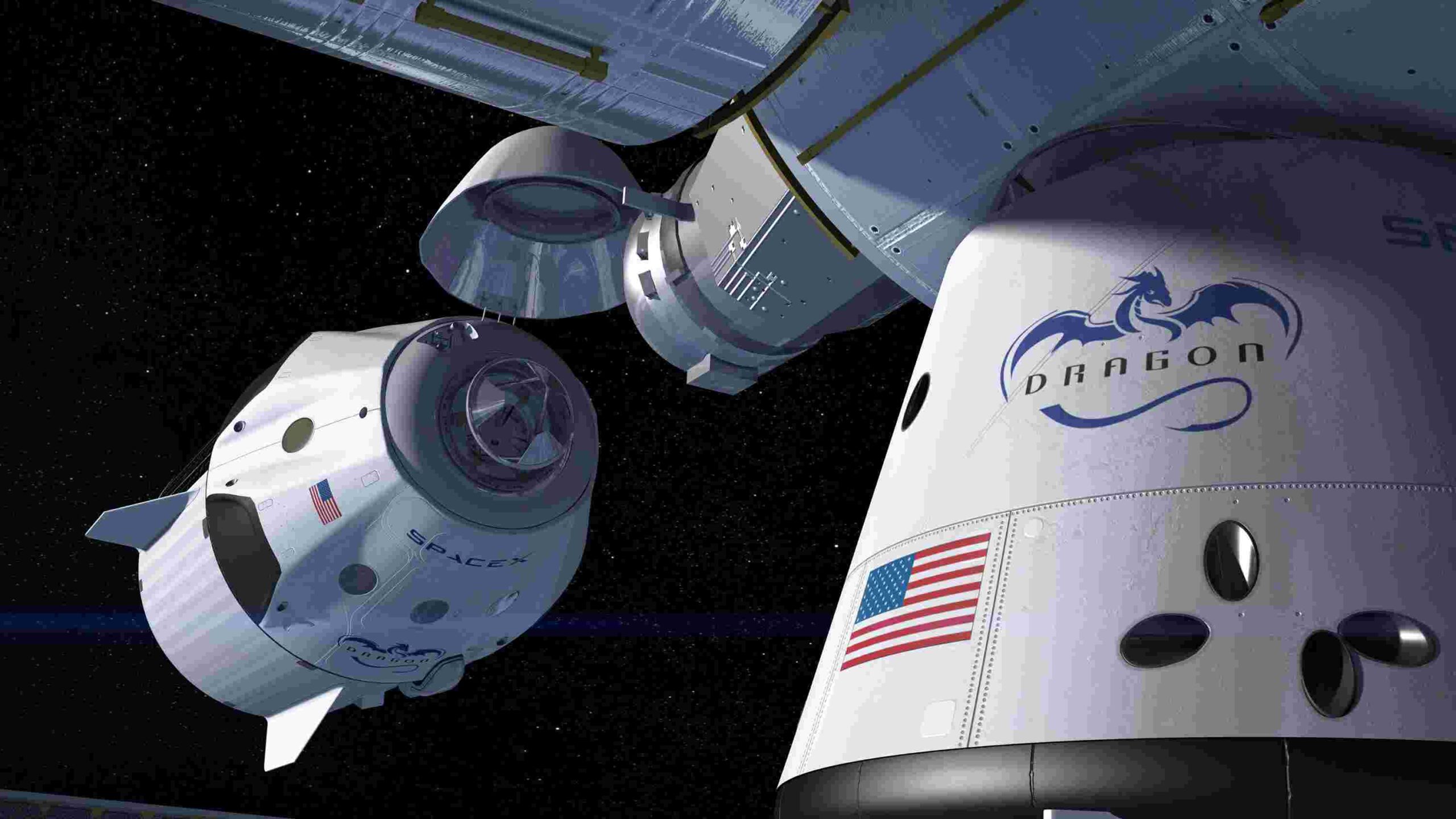
In just one year from now, a revolutionary new space station module designed to replace the ISS will lift off into orbit. This module is called Haven 1, and it’s being developed by Vast, a company that’s quietly redefining what a modern space station should be.
This isn’t just another experiment. Haven 1 is poised to challenge the growing concern that China could dominate Earth orbit with its Tiangong space station, and it does so with a strategy that’s far more realistic than its competitors. And, of course, none of this would be possible without SpaceX.
So, how far along is Haven 1 right now? And more importantly, how could it redefine the standards of space station design in the years ahead? Let’s break it down.
Haven 1 Launch Update: Why the ISS Retirement Timeline Matters
The era of the International Space Station (ISS) is slowly coming to an end. NASA has officially planned to retire the ISS around 2030, after more than three decades of nonstop contributions to scientific research and international cooperation.
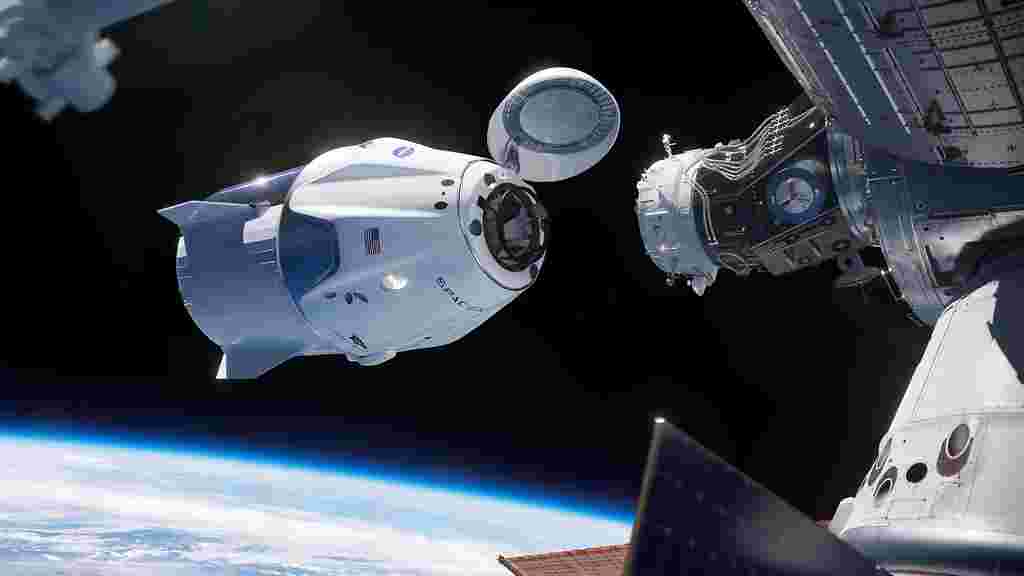
That means we have just over four years left before the ISS is retired.
Four years is not a lot of time to develop a new orbiting station, test it, launch it, and maintain continuous human presence in low Earth orbit.
That urgency has created massive pressure on NASA and the commercial space industry to find viable replacements. And this has turned the Commercial LEO Destinations Program into a fierce competition involving major players like:
- Axiom Space
- Voyager Space
- Blue Origin
- Vast Space
But when you look at real-world progress and long-term sustainability, one project clearly stands out: Vast Space’s Haven ecosystem.
Why Vast Stands Out
More than any other contender, Vast’s Haven program seems like the most realistic and capable successor to the ISS legacy. Unlike other projects that rely on long-term modular expansion or ambitious multi-stage development, Haven’s approach is simple and practical:
Build a functional station quickly, prove it works, then expand.
And now, for the first time in a while, Vast shared a major milestone and an updated timeline.
Haven 1 Clean Room Integration: What’s Happening Now?
Vast announced on X that Haven 1 has entered the first phase of clean room integration at Vast HQ.
This is a crucial milestone.
What Does Clean Room Integration Mean?
This phase is where engineers begin installing the module’s core service systems onto the completed primary structure. This includes:
- Pressure management systems
- Thermal control
- Life support systems
- Propulsion
- Fuel tanks
The images released alongside the update show the massive cylindrical module inside a clean room, surrounded by engineers in white suits. The visuals clearly signal a major transition:
Haven 1 is moving from component testing into full system-level assembly.

Updated Launch Schedule
Along with the milestone update, Vast announced that Haven 1 is now scheduled to launch in Q1 2027.
At first glance, this sounds like good news. But the original plan was for a mid-2026 launch, meaning the schedule has shifted by nearly a year.
So what happened?
Why the Delay is Actually a Good Sign
In an interview with Ars Technica, CEO Max Hayatt explained the delay with refreshing realism.
He revealed that as of January 10th, 2026:
- The entire primary structure was completed
- Part of the secondary structure was finished
- Acceptance testing was completed in November 2025
So why push the launch?
Because the company realized that the remaining integration and final closeout work would likely run into Fall 2026, followed by a full environmental test campaign at NASA’s Plumbrook facility, pushing the launch window into Q1 2027.
Important Note: This Isn’t a Failure
Hayatt emphasized that this delay was not due to failures or unexpected problems.
Instead, it was a schedule adjustment driven by a deeper understanding of what it truly takes to build a flight-ready space station module.
Building a space station is a highly complex process that demands absolute precision to ensure:
- Crew safety
- Long-term durability
- Reliable system performance
He also explained that the new timeline derisks the program, giving the team a real, data-backed understanding of how long each step actually takes.
And the time between Haven 1’s launch and the arrival of the first crew could range from weeks to years, depending on:
- Module readiness
- Crew Dragon availability
- System-level factors
The priority is clear:
Get the module safely and stably into orbit first.
Haven 1 Design Reveal: Why This Station is Different
So what exactly makes Haven 1 stand out?
At its core, Haven 1 is not just another commercial space station.
It’s a technological statement built around a minimum viable product philosophy.
Key Design Features
Size & Structure
- Launch mass: 14,600 kg
- Diameter: 4.4 meters
- Length: 10.1 meters
- Monolithic primary structure (welded as a single piece)
This design allows Haven 1 to fit perfectly inside Falcon 9’s standard payload fairing, which is about 5.2 meters in diameter.
That means:
Haven 1 becomes the largest pressurized payload ever launched by Falcon 9.
Volume
- 80 cubic meters of pressurized volume
- 45 cubic meters of habitable space
All achieved without requiring:
- An extended fairing
- Falcon Heavy
Vast uses every centimeter of available fairing volume, maximizing efficiency.
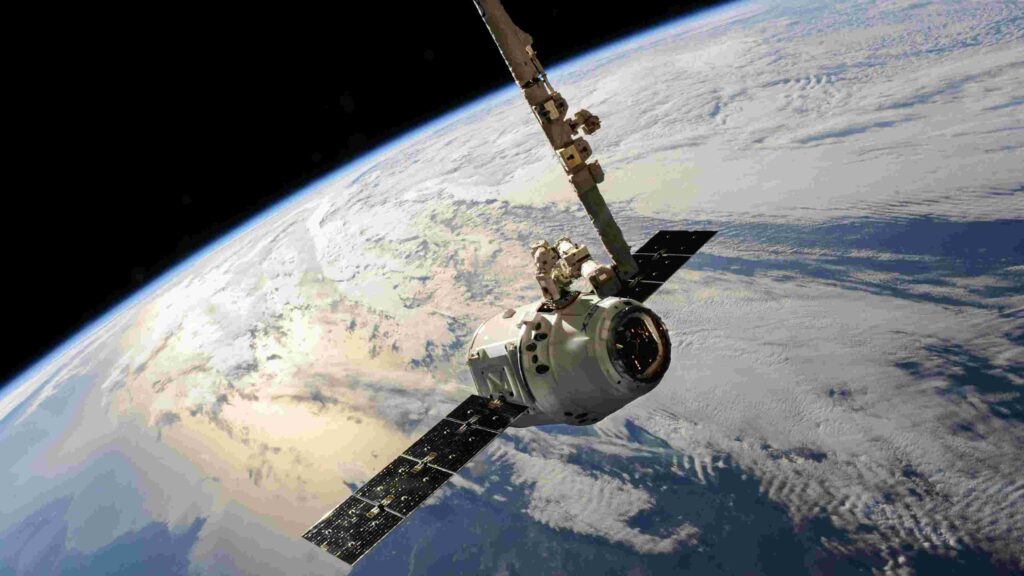
Material Choice: Aluminum vs Stainless Steel
A major turning point came in early 2024 when Vast switched from stainless steel to aluminum alloy 2219.
This wasn’t theoretical.
It was driven by manufacturing reality.
Aluminum is far more compatible with five-axis CNC machining, significantly reducing:
- Production time
- Manufacturing cost
- Structural complexity
The result?
A shell that can withstand:
- Launch loads
- Orbital pressure
…while remaining substantially lighter.
Why Haven 1 Depends on SpaceX
Haven 1’s feasibility hinges on one critical factor:
its tight integration with SpaceX.
Instead of building an entire life support ecosystem from scratch, Vast leverages Crew Dragon as a functional support module.
How Haven 1 Uses Crew Dragon
- Dragon transports the crew
- Dragon handles much of the initial life support load
- Dragon docks via an adapter designed by SpaceX
Even CO₂ removal is handled using Dragon’s proven systems, with cartridges stocked only for short missions.
Mission Strategy
Over Haven 1’s 3-year lifespan, the plan calls for:
- Four crewed missions
- Each lasting about 2 weeks
- Plus an initial uncrewed commissioning phase
This approach expands livable space by roughly six times compared to staying inside Dragon alone.
Inside Haven 1: A New Standard for Human Comfort
Inside Haven, the design breaks from traditional space station layout.
A Human-Centric Layout
The centerpiece is a 1.1 meter domed window in a 24 cubic meter common area.
Unlike the ISS Cupola, this is a single panoramic dome offering nearly 180-degree Earth views, with MOD shielding and impact testing already completed.
Sleeping Quarters
Haven 1 includes four private crew quarters, each with:
- Queen-size sleeping surface
- Adjustable pressure distribution
- Designed to reduce the floating sensation
This is a major upgrade over the suspended sleeping bags used on the ISS.
Waste Management
Haven uses eight wet trash tanks, each capable of handling 5 days of waste for four crew members.
These tanks are vacuum-sealed and vented externally, preventing:
- Odor buildup
- Bacterial spread
Control, Power, and Flight Testing
Haven 1 includes:
Attitude Control
- Six control moment gyroscopes
- Designed and manufactured in-house by Vast
- V3 generation allows precise attitude control without expending propellant
Power
- 12 deployable solar arrays
- Up to 13.2 kW peak output
Flight Testing
Most core components have already been flight tested via Haven Demo, a 552 kg technology demonstrator launched in November 2025.
That mission validated:
- Propulsion
- Avionics
- Power systems
…before committing them to the full flight article.
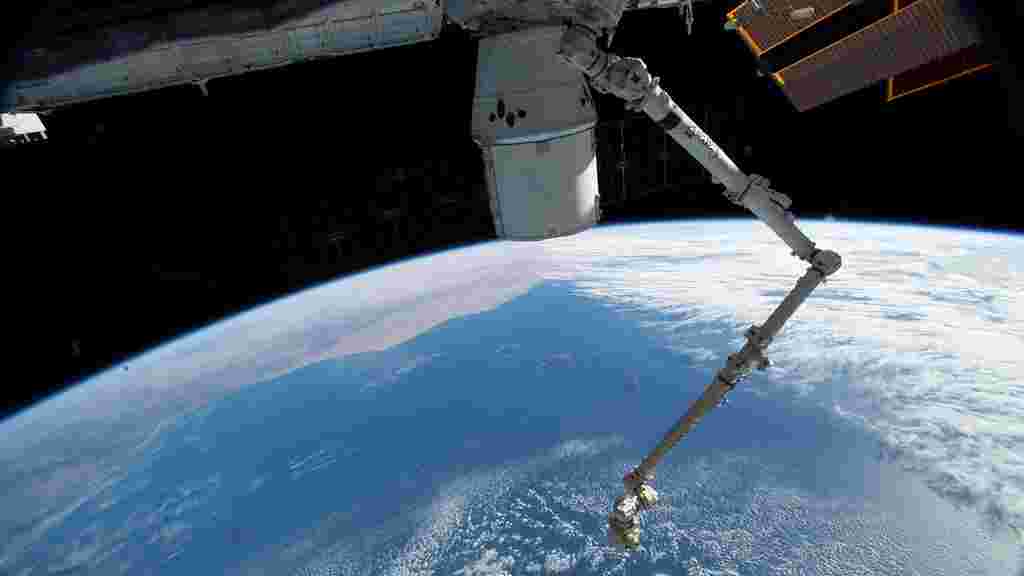
SpaceX Partnership Edge: Why Haven 1 Has the Advantage
Here’s the real question:
Why does Haven’s design threaten its competitors?
The answer is simple:
Vast chose the fastest and most realistic path to orbit.
Haven’s docking ports are fully compatible with Crew Dragon, and the station leverages Dragon’s systems rather than reinventing everything.
But the real game-changer is:
Starlink Laser Terminal
Haven 1 will be the first commercial space station equipped with a Starlink laser terminal, enabling:
- Gigabit-class internet
- Low latency
- High-quality video calls
- Real-time scientific data transmission
- Wi-Fi for personal devices
This alone makes Haven 1 feel more like a luxury hotel room than a traditional space station.
Haven 1 vs Axiom Station: Two Different Strategies
When you compare Haven 1 to Axiom Station, the difference is stark.
Axiom’s Approach
- Fully modular
- Autonomous modules
- Designed for long-term expansion
- Attached to ISS then separated
Haven’s Approach
- Start small
- Prove it works
- Scale up
- Faster operational timeline
- Real flight data from early missions
This approach could put Haven 1 into orbit potentially months ahead of Axiom, and it could create a massive advantage in real operational learning.
Haven 2 Evolution: The Future of Commercial Space Stations
Haven 1 is just the beginning.
Haven 2 is planned to launch in 2028, and it will be an upgraded, NASA-certified evolution of Haven 1.
Key features include:
- Same diameter (4.4 m) for Falcon Heavy compatibility
- Length extended to ~16 m
- Nearly double the livable space
- Habitable volume of 80–90 cubic meters
Conclusion: Haven 1 Is the Real Successor to the ISS
The ISS has served humanity for decades, but its retirement is near.
The race to replace it is real, and while many projects are ambitious, Haven 1 is the most realistic contender.
With:
- A pragmatic design
- Tight integration with SpaceX
- A realistic launch timeline
- Superior human-centric living design
- Real flight testing and proven systems
- A clear expansion path into Haven 2
…Haven 1 could redefine the future of orbital habitats.
And if it succeeds, it may be the station that finally proves commercial space stations are not just possible—they are the future.
FAQs
1. What is Haven 1?
Haven 1 is a commercial space station module developed by Vast Space, designed to replace the International Space Station (ISS) and provide a new platform for human spaceflight and research.
2. When will Haven 1 launch?
Haven 1 is currently scheduled to launch in Q1 2027, after entering the first phase of clean room integration at Vast’s headquarters.
3. Why is Haven 1 important for the future of space exploration?
Haven 1 aims to keep humans continuously present in low Earth orbit after the ISS retirement in 2030, ensuring ongoing research, international collaboration, and commercial space activities.
4. How does Haven 1 compare to China’s Tiangong space station?
Haven 1 is designed to offer a competitive and technologically advanced alternative to Tiangong, helping prevent a single country from dominating Earth orbit.
5. What makes Haven 1 different from other commercial stations like Axiom?
Unlike other modular projects, Haven 1 follows a minimum viable product approach, focusing on fast deployment, safety, and real-world operability before scaling up.
6. What is the size and capacity of Haven 1?
Haven 1 measures 4.4 meters in diameter and 10.1 meters in length, with 80 cubic meters of pressurized volume and 45 cubic meters of habitable space.
7. How does Haven 1 fit into a Falcon 9 launch?
Haven 1’s monolithic design is built to fit inside the Falcon 9 standard payload fairing, making it the largest pressurized payload ever launched by Falcon 9.
8. Why did Haven 1 switch from stainless steel to aluminum?
Vast switched to aluminum alloy 2219 because it’s more compatible with CNC machining, reducing cost and production time while improving structural precision.
9. How will Haven 1 support crew life support systems?
Haven 1 leverages SpaceX Crew Dragon for life support support during missions, using Dragon’s proven systems to reduce complexity and increase reliability.
10. What is the mission plan for Haven 1?
Over a 3-year lifespan, Haven 1 plans to host four crewed missions, each lasting about two weeks, plus an initial uncrewed commissioning phase.
11. What makes the interior of Haven 1 unique?
Haven 1 features a 1.1 meter panoramic domed window, private crew quarters with queen-size sleeping surfaces, and a clean, modern design that resembles a luxury habitat rather than a traditional space station.
12. Does Haven 1 have Starlink internet?
Yes, Haven 1 will be the first commercial space station equipped with a Starlink laser terminal, offering gigabit-class internet speeds and low latency.
13. How is Haven 1 controlled in orbit?
Haven 1 uses six control moment gyroscopes (CMGs) designed and built by Vast to maintain orientation without consuming propellant.
14. What comes after Haven 1?
Haven 2 is planned for launch in 2028, featuring a longer 16-meter structure and nearly double the habitable space, while remaining compatible with Falcon Heavy.
15. Is Haven 1 a threat to NASA’s ISS program?
Haven 1 is not a threat to NASA—it’s designed to continue the ISS legacy by ensuring humans remain in low Earth orbit through a commercial, cost-effective model.
Read More:
- LIVE BLOG: Tesla (TSLA) Q4 and FY 2025 earnings call
- Tesla brings closure to flagship ‘sentimental’ models, Musk confirms
- Tesla (TSLA) Q4 and FY 2025 earnings call: The most important points
- Tesla confirms Robotaxi expansion plans with new cities and aggressive timeline
- Tesla hits major milestone with Full Self-Driving subscriptions
1 thought on “SpaceX’s New Space Station is Finally Launching into Orbit for the First Time humiliated NASA”