

The global space industry is standing on the edge of a historic transformation, and 2026 is shaping up to be the year that redraws the competitive landscape forever. With new heavy-lift rockets like New Glenn, Vulcan, Neutron, and China’s next-generation launch vehicles preparing to enter service, the race to dominate orbital access has never been more intense.
Yet, amid this growing competition, SpaceX is preparing something far more disruptive. Rather than simply keeping pace, the company is positioning Starship for a radical evolution—one that could redefine launch economics, orbital operations, and humanity’s ambitions beyond Earth.
By the end of 2026, Starship will no longer be just an experimental test platform. Instead, it is expected to emerge as a fully operational, reusable, and mission-capable launch system with real-world contributions to the orbital economy.
So how exactly does SpaceX plan to make this leap? Let’s explore the step-by-step roadmap that could make 2026 the most important year in Starship’s history.
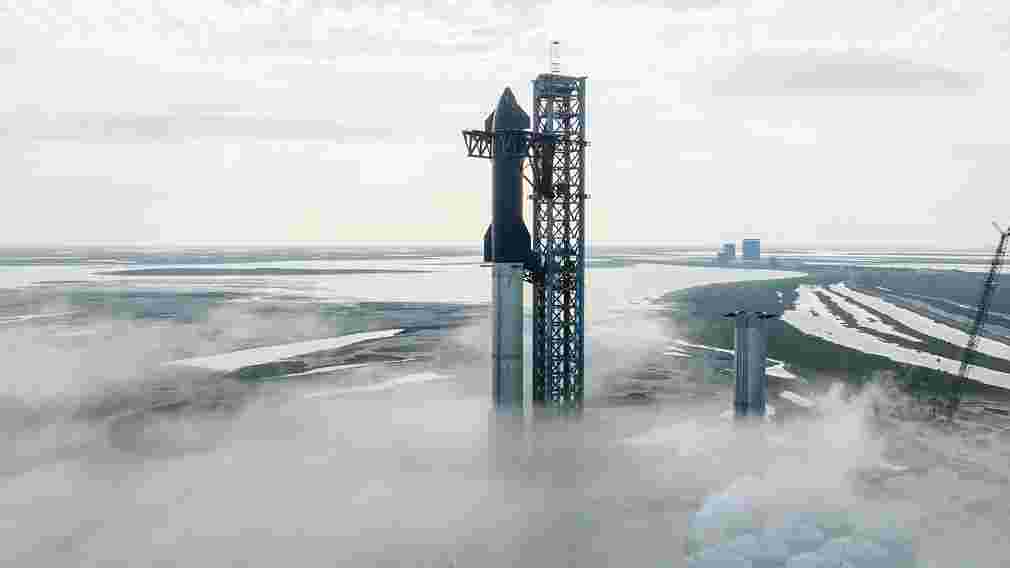
Why 2026 Is a Defining Year for the Space Industry
The space launch sector is entering what many experts call the “next phase of competition.” This phase is defined not just by reaching orbit, but by cost efficiency, reusability, payload capacity, and operational cadence.
A Crowded Heavy-Lift Landscape
By 2026, several powerful rockets will be competing directly:
- Blue Origin’s New Glenn
- ULA’s Vulcan
- Rocket Lab’s Neutron
- China’s new methane-fueled heavy-lift rockets
While these vehicles are impressive, none match Starship’s scale or ambition. SpaceX isn’t just building another rocket—it’s building a fully reusable orbital transportation system.
Starship’s Strategic Advantage
Starship stands apart because of three defining characteristics:
- Unprecedented payload capacity
- Full and rapid reusability
- Designed-in orbital refueling
These elements are essential not just for commercial launches, but for Moon missions, Mars exploration, and deep-space infrastructure.
Three Years of Testing: The Foundation Behind Starship’s Evolution
Before discussing the future, it’s important to understand how far Starship has already come.
A Rapid and Aggressive Test Program
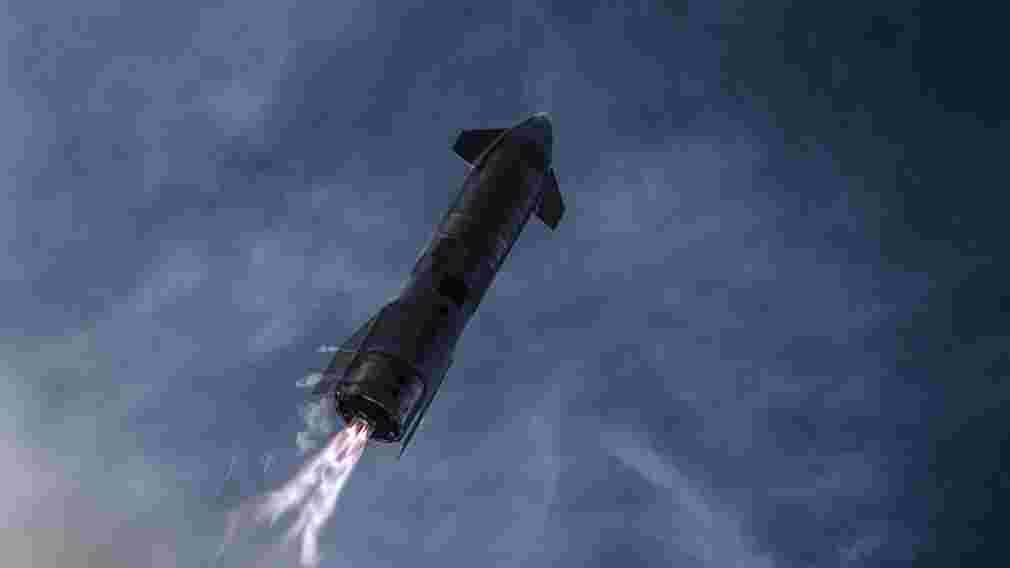
Over the past three years, SpaceX has conducted 11 Starship flight tests across two major vehicle versions. During this time:
- The Super Heavy booster has been successfully caught by Mechazilla arms three times
- The ship’s landing control has steadily improved
- Hot staging has been demonstrated
- Orbital-class reentry data has been collected
Persistent Challenges Still Remain
Despite progress, Starship testing has revealed significant hurdles, including:
- Composite Overwrapped Pressure Vessel (COPV) failures
- Propellant leaks
- Igniter malfunctions
- Heat shield damage
Each of these issues has complicated both liftoff and landing attempts. However, SpaceX’s approach has always been iterative—fly, fail, fix, repeat.
From Test Platform to Operational Vehicle
Why 2026 Changes Everything
According to current plans, 2026 marks the turning point where Starship transitions from testing to refinement. Instead of simply proving that systems work, SpaceX will focus on:
- Operational reliability
- Consistent orbital missions
- Real payload deployment
- Full two-stage recovery
This shift represents the moment when Starship begins delivering measurable value to the space industry.
How Many Starship Flights Are Expected in 2026?
Based on launch cadence trends and infrastructure readiness, a realistic estimate is eight Starship flights in 2026.
Primary Goals of These Flights
These missions are expected to focus on:
- Perfecting core vehicle capabilities
- Introducing Starship Version 3
- Progressing toward full reusability
- Demonstrating orbital refueling
Each flight builds upon the last, creating a deliberate and methodical path forward.
Flight 12: The Critical Debut of Starship Version 3
Why Flight 12 Is So Important
Flight 12 is arguably the most anticipated Starship mission to date, as it marks the first flight of Starship V3.
This mission introduces several major upgrades:
Super Heavy Booster Enhancements
- Improved hot staging validation
- Upgraded grit fins
- Full use of Raptor 3 engines
Ship Upgrades
- Revised heat shield design
- Structural improvements
- New manufacturing optimizations
Raptor 3: A Game-Changer Engine
The Raptor 3 engine represents a significant evolution:
- Simplified design
- Improved manufacturability
- Increased reliability
- Lower production cost
This engine is key to making high launch cadence economically viable.
Mission Objectives
Despite the experimental nature of Flight 12, objectives include:
- Payload deployment
- Engine relight in space
- System validation under real flight conditions
Both stages are expected to land in the ocean, prioritizing data collection over recovery.
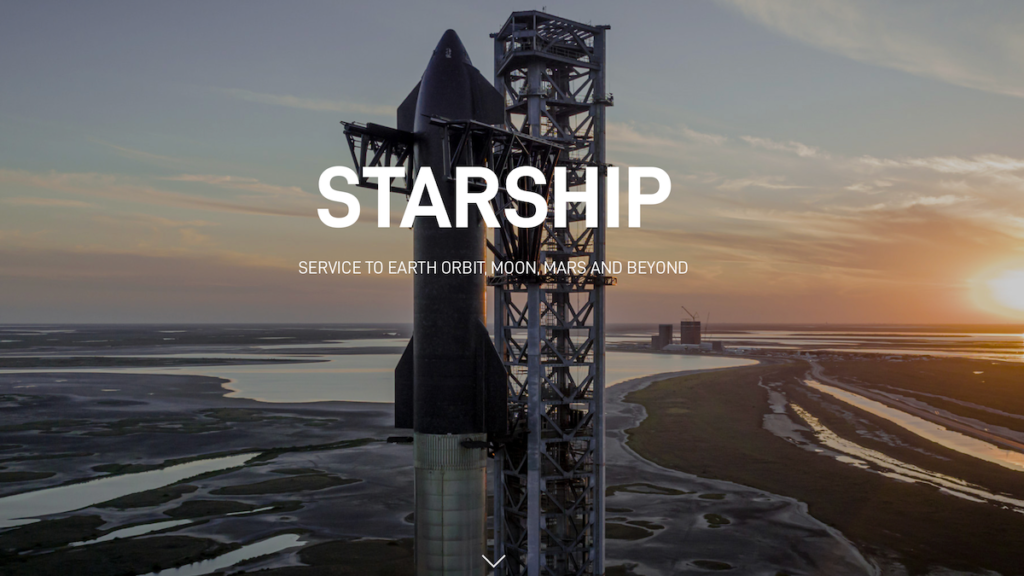
The Stakes Are High
A successful Flight 12 sets the tone for the entire year. A failure could:
- Force design revisions
- Delay subsequent missions
- Trigger lengthy investigations if severe
Flight 13: The Mission That Must Reach Orbit
Why Orbital Insertion Is Non-Negotiable
For any launch system, reaching orbit is not optional—it’s fundamental.
Without orbital insertion:
- Payload delivery is impossible
- Commercial competitiveness is lost
- Deep-space missions cannot proceed
As of now, Starship has not officially reached orbit, while competitors already have.
What Makes This Flight Unique
If Flight 13 succeeds:
- Starship could complete one or more full orbits
- Landing attempts may occur in the Pacific or Atlantic
- Extended thermal and navigation performance will be tested
This mission would finally place Starship among true orbital-class launch vehicles.
Flight 14: Starship’s First Real Payloads
From Mass Simulators to Starlink V3
Flight 14 could mark Starship’s first deployment of operational payloads, most likely Starlink V3 satellites.
These satellites are:
- Larger and heavier
- More powerful
- Designed to dramatically improve Starlink’s network performance
Why Payload Deployment Is So Challenging
Deploying satellites in orbit requires:
- Extreme precision
- Collision avoidance
- Perfect timing and navigation
A successful deployment would represent Starship’s first real contribution to the orbital economy.
Unmatched Payload Capacity
- Starship V3: Up to 100 tons to orbit
- Future V4: Potentially 200 tons to orbit
This capability could completely reshape satellite deployment economics.
Super Heavy Recovery and the Mechazilla Era
Booster Catches Become Routine
During Flights 12 and 13, the Super Heavy booster is expected to attempt landings using Mechazilla arms.
- Pad One is likely to be operational
- Chopstick arm upgrades will improve reliability
These recoveries pave the way for the most ambitious goal yet.
Flight 15: Full Two-Stage Reusability at Starbase
A Historic Aerospace Milestone
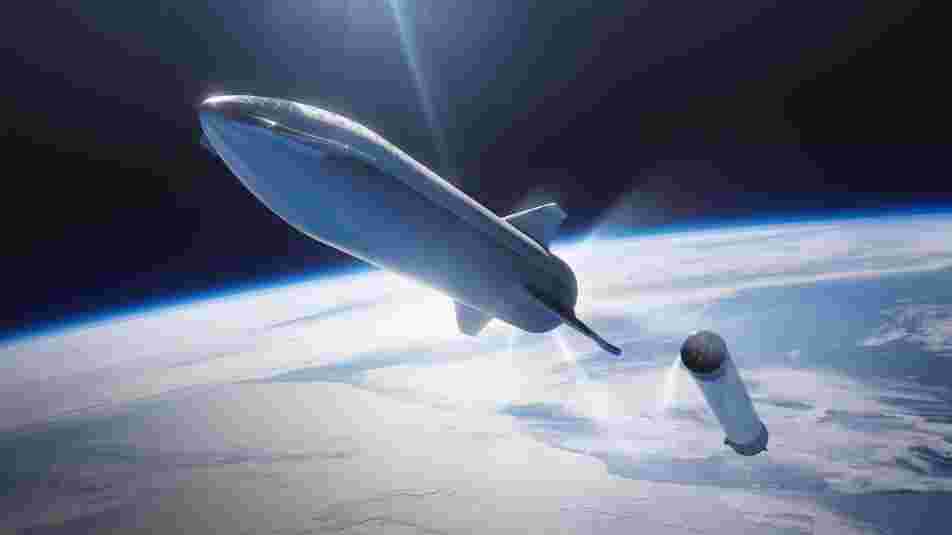
Flight 15 could be the mission where both Starship stages are recovered at Starbase.
Under this scenario:
- Super Heavy lands at Pad One
- The Ship lands at Pad Two
- Both are caught by Mechazilla arms
The Ship Is the Biggest Challenge
Unlike the booster, the ship must:
- Survive extended orbital reentry
- Endure intense thermal loads
- Maintain structural integrity
A flawless heat shield is absolutely critical.
Why This Changes Everything
If successful, SpaceX would become:
The first organization in history to recover both stages of an orbital-class rocket
This unlocks:
- Rapid reuse
- Drastically lower launch costs
- Higher flight frequency
The Second Half of 2026: Orbital Refueling Takes Center Stage
Why Orbital Refueling Matters
Orbital refueling is essential for:
- Lunar missions
- Mars missions
- Deep-space exploration
Without it, Starship cannot fulfill its long-term purpose.
Planned Refueling Demonstrations
SpaceX plans to conduct multiple refueling tests using Starship B3, likely beginning in July or August 2026.
Key milestones already achieved include:
- Refueling hardware installed on Ship 39
- Durability testing during earlier flights
How These Tests May Work
Early demonstrations may involve:
- One long-duration mission to test propellant storage
- A second mission to perform fuel transfer
At least four flights may be required to establish basic proficiency.
Why 2026 Will Redefine Starship Forever
By the end of 2026 and into early 2027:
- Starship will no longer be experimental
- Orbital operations will be routine
- Payload deployment will be operational
- Full reusability will be within reach
Starship will evolve from a prototype into a proven system, ready to compete at the highest level of the global launch market.
Final Thoughts: The Dawn of a New Space Era
No matter how the year unfolds, one thing is certain:
Starship will look very different by the end of 2026.
It will stand as:
- A fully reusable launch system
- A cornerstone of orbital infrastructure
- A gateway to the Moon, Mars, and beyond
The answer to whether Starship fulfills its promise is coming soon—and the countdown has already begun.
If you believe in Starship’s future, drop a “Starship 26” in the comments and stay part of the journey. 🚀
Because as always, curiosity, imagination, and inspiration follow those who keep looking up.
FAQs
1. Why is 2026 considered a critical year for SpaceX’s Starship program?
2026 is expected to mark Starship’s transition from an experimental test vehicle to an operational launch system. During this year, SpaceX aims to achieve consistent orbital flights, deploy real payloads, demonstrate full reusability, and begin orbital refueling tests.
2. How many Starship launches are expected in 2026?
Current projections suggest around eight Starship flights in 2026, though the exact number may vary depending on test outcomes, regulatory approvals, and technical challenges.
3. What is Starship Version 3 (V3)?
Starship V3 is a major upgrade featuring a redesigned heat shield, structural improvements, and full integration of Raptor 3 engines, optimized for manufacturability, reliability, and performance.
4. What makes Flight 12 so important?
Flight 12 is the first mission to fly Starship V3, making it a crucial validation test. Its success will influence the pace and confidence of all subsequent missions in 2026.
5. What are Raptor 3 engines and why do they matter?
Raptor 3 engines are the latest evolution of SpaceX’s methane-fueled engines, offering simplified design, lower production costs, and improved reliability—key factors for rapid and reusable launch operations.
6. Has Starship reached orbit yet?
As of now, Starship has not officially achieved orbital insertion. Reaching orbit is expected to be a major objective of Flight 13.
7. Why is reaching orbit such a big deal for Starship?
Orbital insertion is essential for real missions. Without it, Starship cannot deploy payloads, support long-duration spaceflight, or compete effectively in the commercial launch market.
8. What payloads will Starship carry first?
The first operational payloads are expected to be Starlink V3 satellites, which are larger and more capable than previous generations and designed specifically for Starship’s massive payload capacity.
9. How much payload can Starship carry to orbit?
- Starship V3: Up to 100 metric tons to orbit
- Future versions (V4): Potentially 200 metric tons to orbit
This far exceeds any currently operational rocket.
10. What is Mechazilla and how does it work?
Mechazilla is SpaceX’s launch tower with robotic “chopstick” arms designed to catch the Super Heavy booster—and eventually the Starship itself—eliminating the need for landing legs.
11. Will SpaceX recover both stages of Starship in 2026?
SpaceX aims to attempt full two-stage recovery at Starbase, potentially during Flight 15, which would be a historic first for an orbital-class rocket.
12. Why is full reusability so important?
Full reusability dramatically reduces launch costs, increases flight frequency, and enables large-scale missions such as lunar bases, Mars exploration, and massive satellite deployments.
13. What challenges still face the Starship program?
Key challenges include:
- Heat shield durability
- Propellant leaks
- Engine ignition reliability
- Structural integrity during reentry
Each test flight is designed to address and reduce these risks.
14. What is orbital refueling and why is it necessary?
Orbital refueling allows Starship to transfer fuel in space, enabling missions beyond Earth orbit. It is essential for Moon, Mars, and deep-space missions.
15. When will orbital refueling tests begin?
Orbital refueling demonstrations are expected to begin in the second half of 2026, likely between July and August, depending on earlier mission success.
16. How does Starship compare to other rockets like New Glenn and Vulcan?
While rockets like New Glenn and Vulcan are powerful, Starship stands apart due to its full reusability, massive payload capacity, and orbital refueling capability, making it uniquely suited for large-scale space operations.
17. What will Starship look like by the end of 2026?
By the end of 2026, Starship is expected to be a proven, operational launch system with demonstrated orbital missions, payload delivery, booster recovery, and early refueling capabilities—no longer just a test vehicle, but a cornerstone of the future space economy.
Read More:
- Tesla launches hiring for Robotaxi program in its twentieth country
- Elon Musk’s $6,789 Tiny House Hits the Market—Is It Worth the Hype?
- Tesla rolls out tasty new trade-in deal for a limited time
- Elon Musk gives honest take on when Tesla will see serious FSD competition
- CES 2026 validates Tesla’s FSD strategy, but there’s a big lag for rivals: analyst
1 thought on “SpaceX’s Radical Plans for Starship in 2026 Begin! Massive Evolutions Coming”