
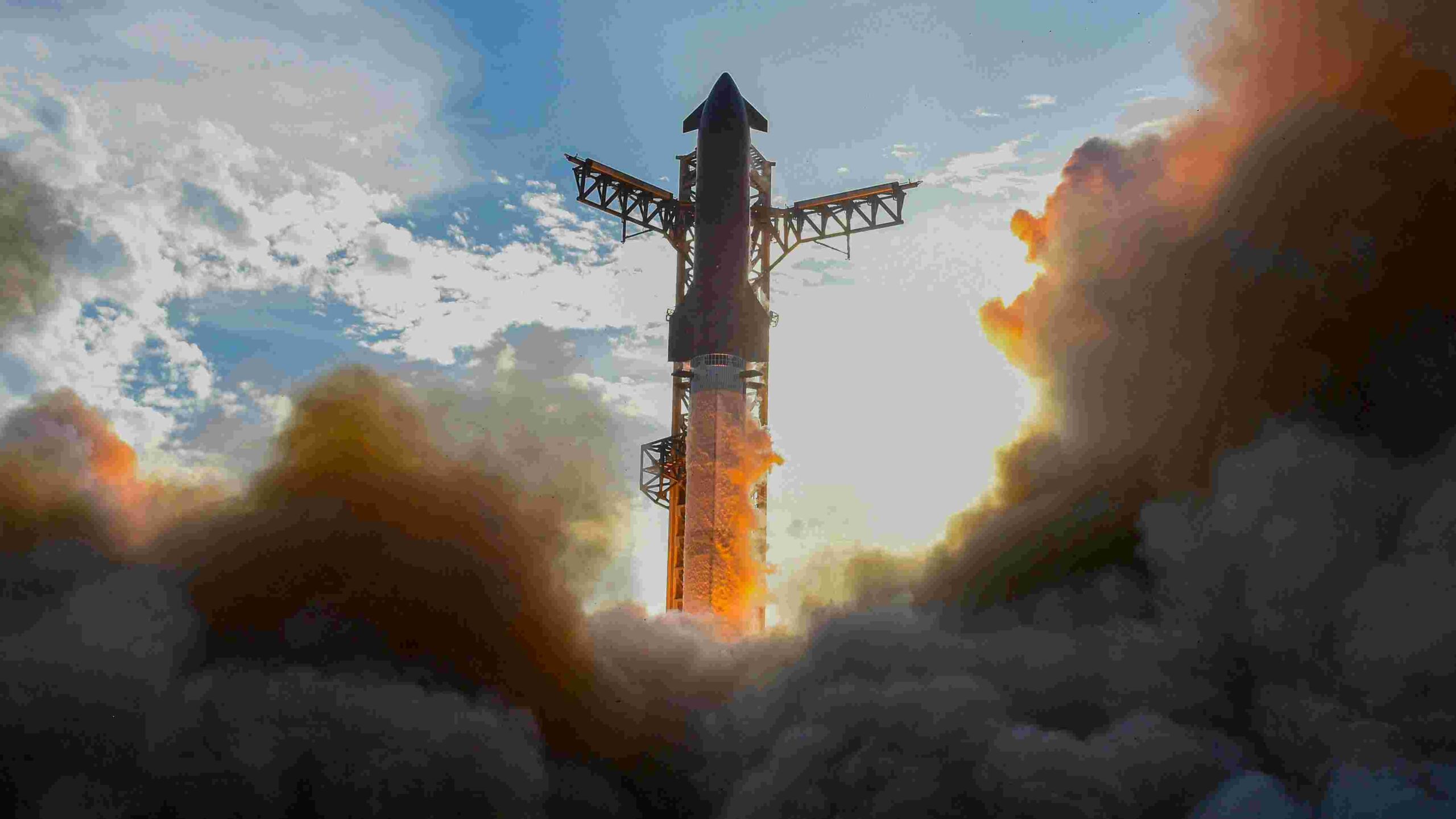
SpaceX is once again making headlines as it prepares for a milestone year in 2026. Fans and space enthusiasts alike are eagerly watching as the company advances its Starship program, aiming to revolutionize space travel and intercontinental cargo transport. One of the most intriguing aspects of this development is the planned transport of Starship and Superheavy from Texas to Florida via a massive barge, a move that has sparked curiosity and speculation across the aerospace community.
In this article, we’ll break down everything you need to know about SpaceX’s Starship transport plans, the logistics behind moving these colossal vehicles, and why this year could be a breakthrough for the company.
SpaceX Prepares Starship for Its Historic Journey
SpaceX’s vice president of launch, Kiko Donv, recently revealed that the company is preparing to transport the first Superheavy booster and Starship vehicle on a massive barge from Texas to Florida. The purpose? To support an upcoming flight in 2026 and evaluate how ready the launchpad LC39A at Kennedy Space Center truly is.
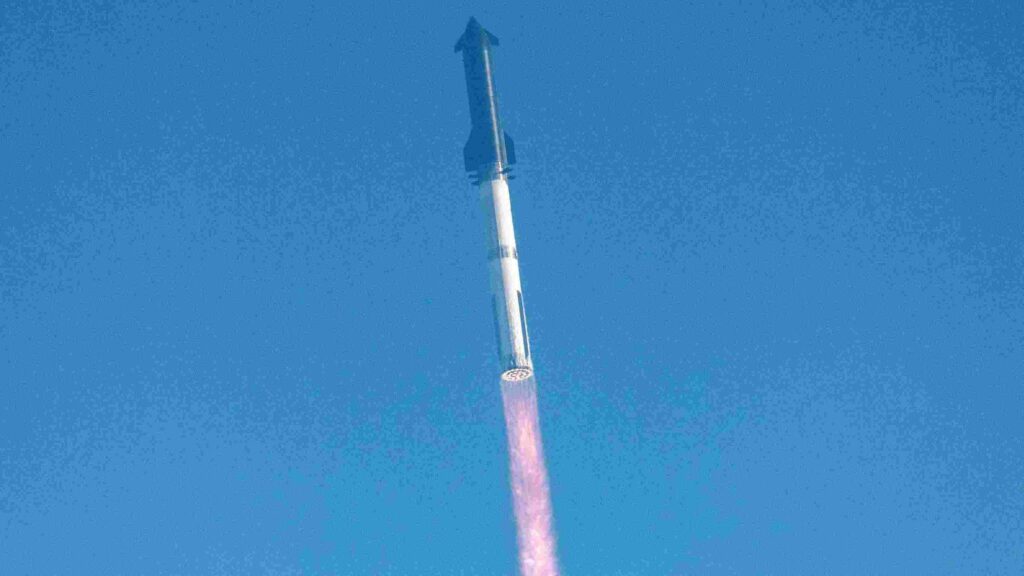
Donv’s comments sparked speculation: Which Starship will make this historic journey first, and when will it happen? The answer lies in the carefully planned timeline and SpaceX’s ambitious production schedule.
The Role of LC39A in SpaceX’s 2026 Plans
Launch Complex 39A (LC39A) is one of SpaceX’s primary Florida launchpads, shared with NASA’s Artemis program. Since December 2021, SpaceX has been upgrading the site to accommodate the massive Starship launches. Key upgrades include:
- Installation of the tank farm
- Construction of the flame trench
- Assembly of the orbital launch mount
As of early 2026, the launchpad is nearing completion. Environmental assessments and consultations with relevant agencies have been completed, leaving only the final paperwork and official authorization (Record of Decision, or ROD) to be finalized. According to the U.S. government’s permitting dashboard, the Environmental Impact Statement (EIS) is expected by January 30, 2026.
Why Transporting Starship from Texas Makes Sense
Currently, Starship production in Florida is not yet feasible. Although SpaceX is building the Gigabay at Kennedy Space Center to support mass production, it won’t be ready in time for the first flight from LC39A. Transporting vehicles from Starbase, Texas, is the fastest way to ensure the Florida launchpad is utilized efficiently.
Kiko Donv confirmed that SpaceX is testing and refining a transport barge, currently known as the Marmarmac 31, measuring 260 feet long and 72 feet wide. The barge is designed for horizontal transport of Starship vehicles, ensuring safety and ease of handling.
Donv hinted that the barge might eventually be named: “You’ll thank me later.”
The Logistics of Moving Starship and Superheavy
Transporting Starship and Superheavy from Texas to Florida is no small feat. The journey covers over 1,000 nautical miles (1,850 km) through the Gulf of Mexico and around the Florida Peninsula. For heavy cargo barges, transit time alone is four to seven days, but the complete operation—including horizontal loading, crane operations, securing, offloading, and transport to LC39A—could take one to two weeks.
Initially, each trip will transport only one vehicle, meaning two separate journeys for the Starship and booster. Once the process is refined, multiple vehicles could be transported simultaneously to improve efficiency.
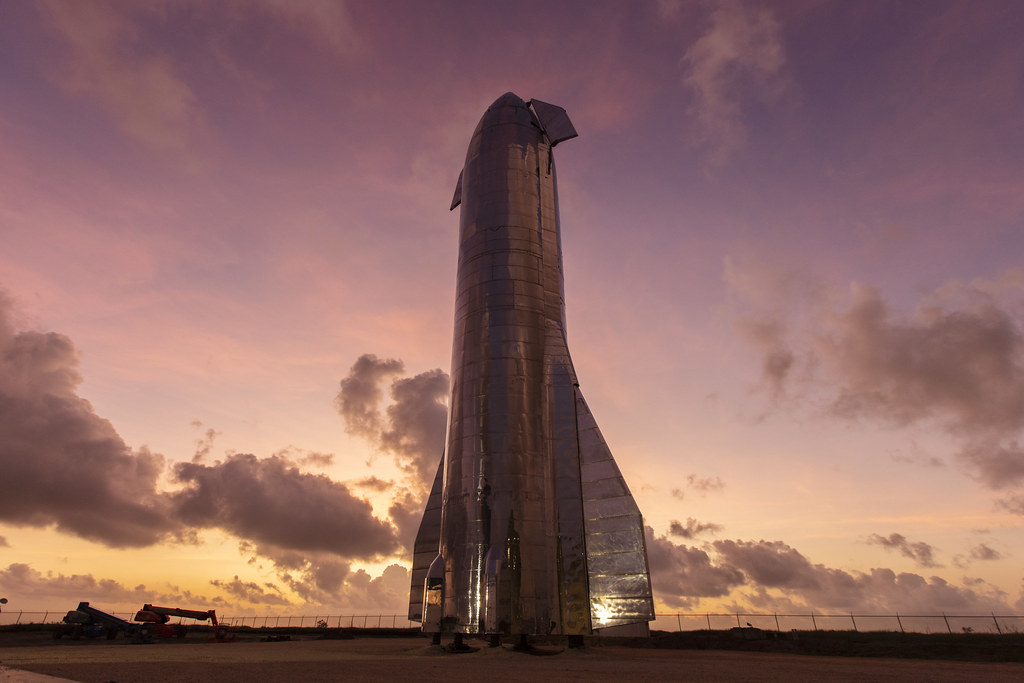
Which Starship Will Be Transported First?
According to SpaceX’s schedule:
- Ship 39 and Booster 19: Planned for Flight 12 around January 2026
- Ship 40 and Booster 20: Likely completed by early April 2026
- Ship 41 and Booster 21: Expected by June 2026
This makes Ship 40 and Booster 20 the most probable candidates for the first barge transport to Florida. Their timing aligns with preparations for the orbital refueling test flight in June, a critical milestone for the Starship program.
Understanding the Orbital Refueling Test
The orbital refueling test involves:
- Launching two Starships into orbit
- Docking them in space
- Transferring propellant from one vehicle to the other
- Returning them safely to Mechazilla (SpaceX’s catching system)
This maneuver is essential for deep space missions, including lunar operations and future Mars missions. To complete this test, SpaceX requires:
- Two Starships
- Two Superheavy boosters
- Two launch towers
The test ensures that Starship can refuel in orbit, which is critical for the Artemis program and other long-duration missions.
Potential Delays and Contingencies
While the orbital refueling test is planned for June, potential technical or schedule issues could push it to August 2026. In that case, Ship 41 and Booster 21 might be transported instead. Either way, 2026 remains a pivotal year for SpaceX.
The company also anticipates a short gap between flights, allowing time to:
- Collect and analyze flight data from Flight 12
- Identify and fix issues in Starship V3
- Refine vehicle design ahead of more critical missions
Could Starship’s Point-to-Point Capability Play a Role?
SpaceX has explored Starship’s point-to-point (P2P) capability, allowing rapid Earth-to-Earth transportation. In theory:
- A Starship could launch from Texas
- Deliver cargo or test payloads
- Land back at Starbase, Texas
This concept has military and logistics applications, particularly for the U.S. Air Force’s rocket cargo program, which awarded SpaceX a $12 million contract in 2022. Benefits include:
- Rapid delivery of up to 200 tons anywhere on Earth
- Cost-effective cargo transport under $10 million per flight
- Applications for battlefield support and humanitarian aid
However, 2026 is unlikely to see such experimental missions, as SpaceX is prioritizing the Artemis Moon program and orbital refueling demonstrations.
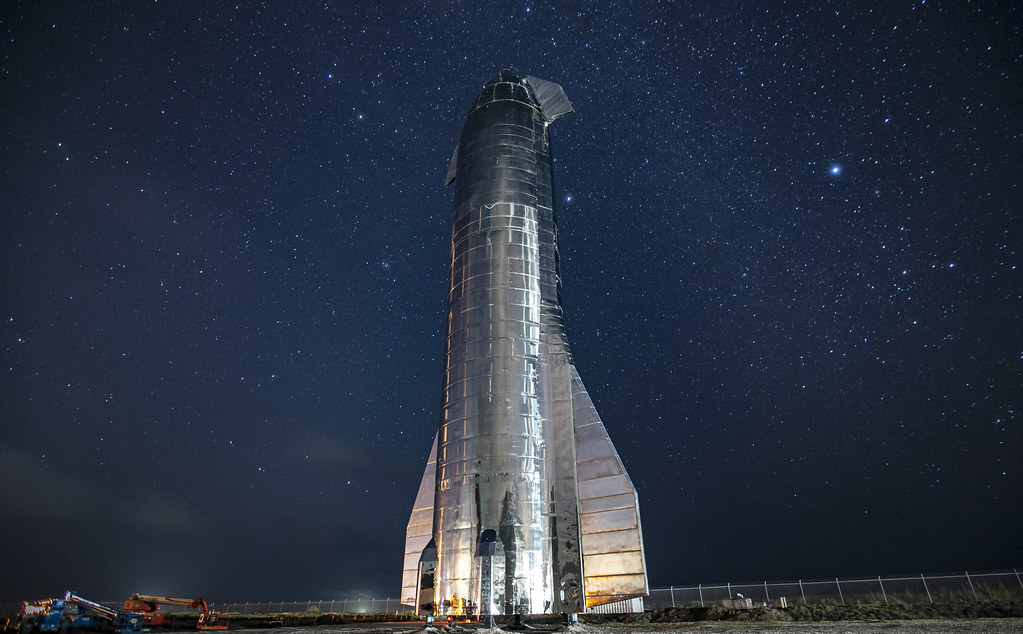
Why P2P Missions are Low Priority
While promising, P2P flights face significant hurdles:
- Safety concerns: Flying over populated areas poses risks from sonic booms and debris.
- FAA restrictions: Regulatory approval would be extremely challenging for densely populated routes.
- Operational focus: Nearly all resources are allocated to orbital refueling, Starship recovery, and long-duration missions.
Consequently, P2P remains a secondary objective for the company, likely tested in remote locations if at all in 2026.
Starship Recovery and Mechazilla Catching
A critical part of SpaceX’s 2026 Starship plan involves refining vehicle recovery techniques. While Super Heavy boosters have already been caught successfully, Starship itself is next. Key objectives include:
- Catching Starship with Mechazilla
- Ensuring rapid reusability at scale
- Testing long-duration orbital operations and engine relighting
These steps are crucial for Moon and Mars missions, ensuring the spacecraft can safely return after extended operations.
Building Toward Artemis and Lunar Missions
SpaceX’s work in 2026 directly supports Artemis 3 in 2028, where Starship will:
- Conduct lunar landings
- Carry astronauts to the Moon
- Demonstrate refueling in orbit as a routine procedure
Achieving these milestones requires meticulous planning, testing, and iteration over the coming year, making each flight in 2026 a data-gathering opportunity critical for future missions.
Why the Starship Barge is a Game-Changer
The Marmarmac 31 barge and its planned Starship transport are important for several reasons:
- Horizontal transport improves safety
- Sea transport allows early use of LC39A despite Florida production not being ready
- Testing and refining the barge system ensures efficient future transport
- Supports rapid deployment scenarios for military and commercial applications
Ultimately, this barge system is more than just a ferry—it’s a crucial part of SpaceX’s logistics chain as the company prepares for orbital refueling and lunar missions.
A Peek into the Future
By 2026, SpaceX aims to:
- Conduct orbital refueling tests
- Transport Starship and Superheavy to Florida via barge
- Test Mechazilla Starship recovery
- Prepare for Artemis lunar missions
All of these steps depend on careful coordination between Texas and Florida operations, environmental clearances, and technological refinements.
Conclusion: 2026 as a Breakthrough Year for SpaceX
SpaceX’s Starship barge transport marks a historic moment in space logistics. While the initial focus is on orbital refueling and lunar readiness, the infrastructure and experience gained in 2026 lay the groundwork for future P2P flights, Earth-to-Earth cargo transport, and Mars missions.
Key takeaways:
- LC39A is nearly ready, but Starship production in Florida is not yet possible.
- Texas-built Starships will be transported via the Marmarmac 31 barge.
- Ship 40 and Booster 20 are the likely first candidates for barge transport.
- The orbital refueling test is critical for lunar and Mars missions.
- Point-to-point Earth transport remains secondary in 2026 but holds immense future potential.
As SpaceX accelerates toward these ambitious goals, the Starship program in 2026 promises to be one of the most exciting chapters in modern space exploration. From the massive barge journeys to orbital refueling maneuvers, every step brings humanity closer to the Moon, Mars, and beyond.
FAQs
1. What is SpaceX planning to transport from Texas to Florida in 2026?
SpaceX plans to transport the first Superheavy booster and Starship from Starbase, Texas, to Launch Complex 39A (LC39A) in Florida using a massive barge.
2. Why does SpaceX need to transport Starship by barge?
Florida’s Starship production facilities are not yet ready, so transporting vehicles from Texas allows SpaceX to use LC39A efficiently for upcoming flights.
3. What is the name of the barge used for Starship transport?
The current trial barge is called Marmarmac 31, but SpaceX may eventually name it “You’ll thank me later.”
4. How long is the barge transporting Starship and Superheavy?
The Marmarmac 31 measures 260 feet long and 72 feet wide, designed to carry Starship vehicles horizontally for safer transport.
5. How long will the Texas-to-Florida transport take?
Transit alone takes four to seven days, but factoring in loading, securing, and offloading, the full operation may take one to two weeks.
6. Which Starship and Superheavy will be transported first?
Based on current schedules, Ship 40 and Booster 20 are the most likely first pair to be transported by barge to Florida around April 2026.
7. What is LC39A and why is it important?
LC39A is SpaceX’s launchpad at Kennedy Space Center in Florida, shared with NASA’s Artemis program, and upgraded to support Starship and Superheavy launches.
8. What upgrades have been made to LC39A?
Upgrades include tank farms, a flame trench, and the orbital launch mount, ensuring the pad can handle Starship’s massive size and launch requirements.
9. What is the orbital refueling test?
The orbital refueling test involves launching two Starships into orbit, docking them, transferring fuel from one to the other, and returning safely. This is critical for Moon and Mars missions.
10. When is the orbital refueling test planned?
The test is scheduled for June 2026, though it could slip to August if technical or schedule issues arise.
11. What is Mechazilla and why is it important?
Mechazilla is SpaceX’s booster-catching system, designed to catch Starship and Superheavy boosters for rapid reusability and safe landings.
12. Will Starship be used for point-to-point Earth transport in 2026?
Point-to-point flights (Earth-to-Earth transport) are low priority in 2026, as SpaceX focuses on orbital refueling and Artemis mission milestones.
13. What military applications does Starship have?
The U.S. Air Force rocket cargo program sees potential in Starship for rapid delivery of up to 200 tons of cargo anywhere on Earth, including battlefield support and humanitarian aid.
14. How many Starships will SpaceX produce in 2026?
Based on the current schedule, SpaceX is expected to produce at least Ship 39, 40, and 41 along with corresponding Superheavy boosters.
15. Why is 2026 considered a breakthrough year for SpaceX?
2026 marks the first full year of Starship V3 flights, orbital refueling tests, and preparation for lunar missions, making it a pivotal year for the program.
16. Can Starship return to Texas after launching from Florida?
Yes, theoretically, a Starship could launch from Florida and land back at Starbase, Texas, as part of future point-to-point testing, though this is unlikely in 2026.
Read More:
- I subscribed to Tesla Full Self-Driving after four free months: here’s why
- Tesla price target boost from its biggest bear is 95% below its current level
- Tesla Giga Shanghai celebrates 5 million electric drive unit milestone
- Judge clears path for Elon Musk’s OpenAI lawsuit to go before a jury
- Tesla earns top honors at MotorTrend’s SDV Innovator Awards
1 thought on “SpaceX’s Starship Transport Barge Finally Revealed and It is Not What You Think”