
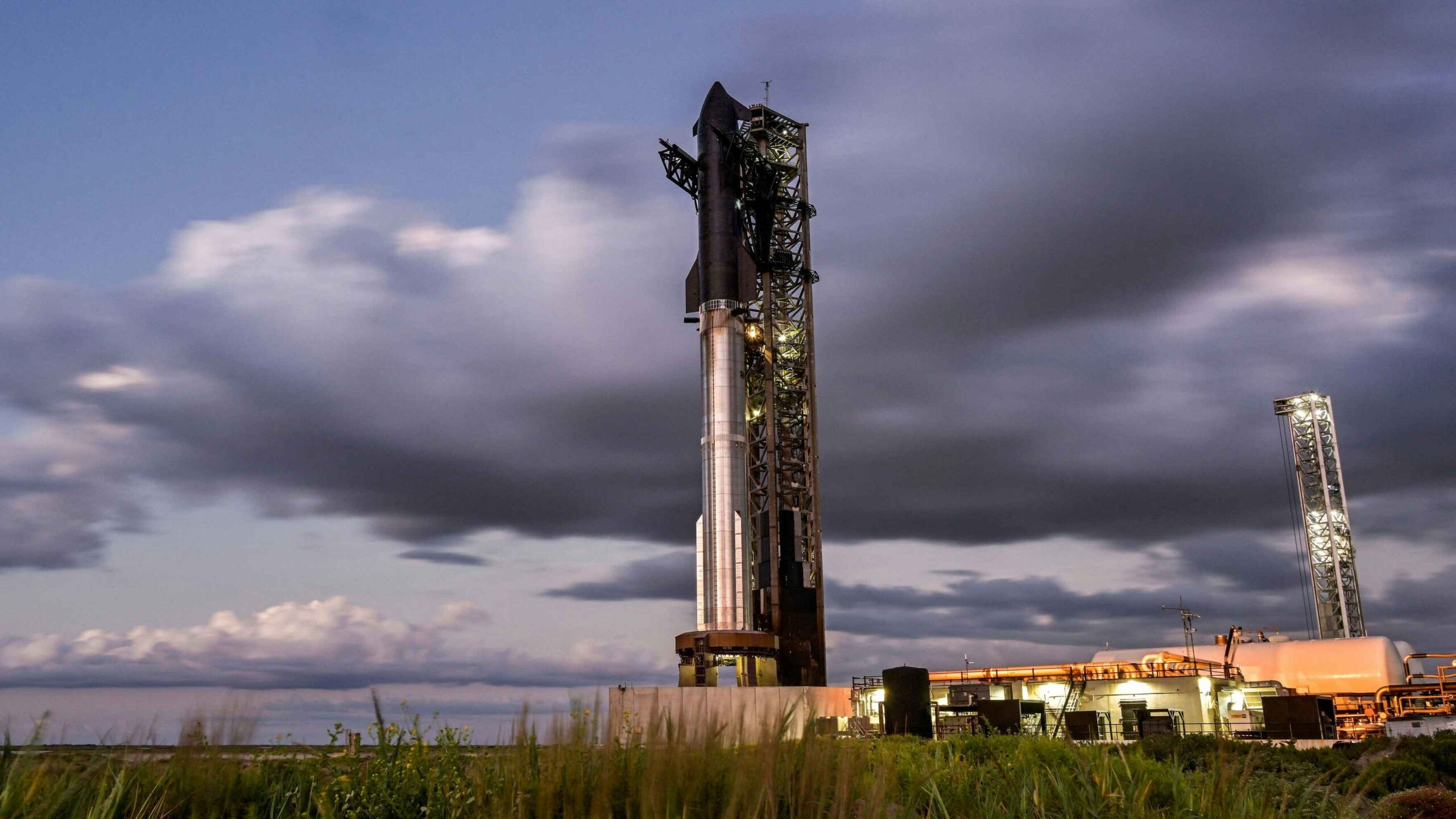
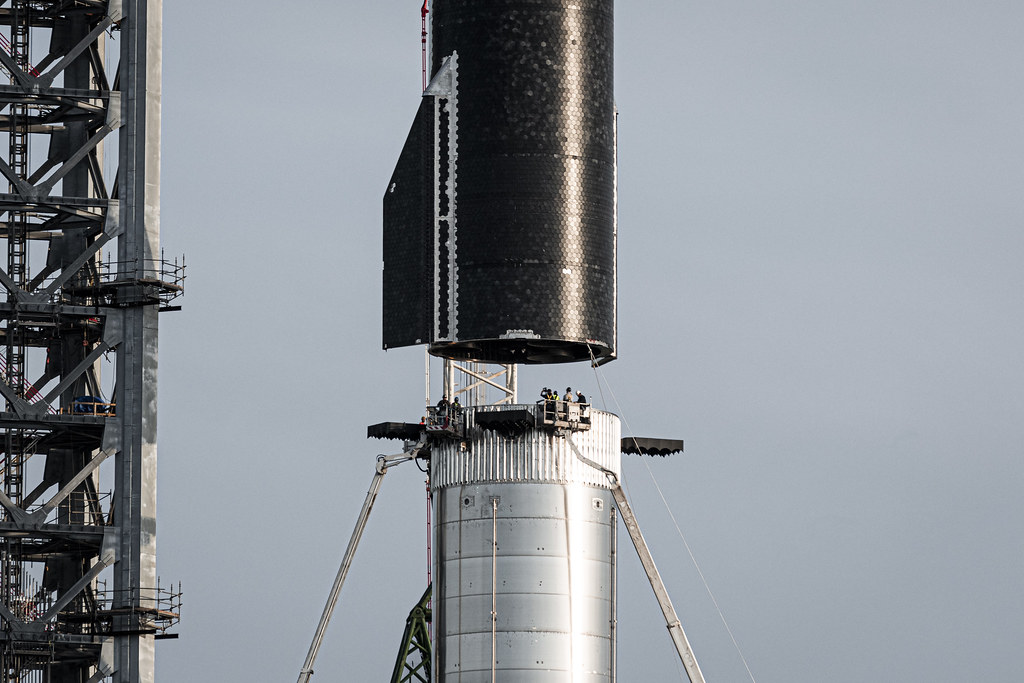
The future of space exploration is being rewritten in South Texas. Inside Mega Bay 2 at Starbase, Starship 39, the first full Version 3 (V3) vehicle, has been undergoing major upgrades that could redefine reusable spaceflight.
While some observers initially suspected delays, the truth is far more exciting. SpaceX has completed a flawless overhaul of all 18,000 heat shield tiles, preparing Starship for its most ambitious mission yet: Flight 12.
So what exactly changed? Why is this heat shield upgrade such a big deal? And could it determine the success—or failure—of Flight 12?
Let’s dive deep into the technology, the strategy, and the stakes behind Starship V3.
Why Starship 39 Hasn’t Rolled Out Yet
Starship 39 has remained inside Mega Bay 2 instead of heading to the Massey test site. But this isn’t a setback—it’s strategic.
There are two key reasons:
1. The New Truss Structure at Massey
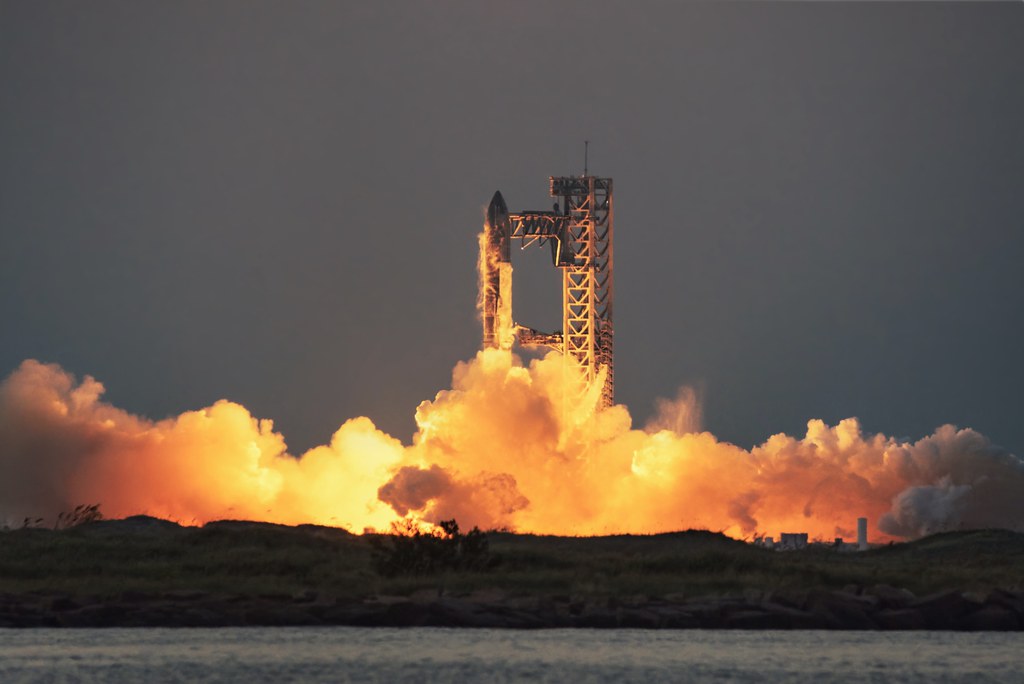
SpaceX is building a dedicated cryogenic proof and static fire test facility at the Massey site. This temporary structure—often referred to as the “Truss Structure”—is designed to:
- Accelerate cryogenic testing
- Improve safety during static fires
- Streamline vehicle processing
Starship 39 will likely roll out once this new infrastructure is fully operational, enabling faster test cycles ahead of Flight 12.
2. The Booster 18 Incident and Timeline Pressure
Following an issue involving Booster 18, SpaceX reassessed timelines—especially with NASA’s lunar schedule tightening. With Artemis missions looming, testing cadence must increase.
While Booster 19 nears completion in Mega Bay 1, Ship 39 has been quietly upgraded inside Mega Bay 2—most notably, its heat shield.
The Heat Shield Revolution: 18,000 Tiles Perfected
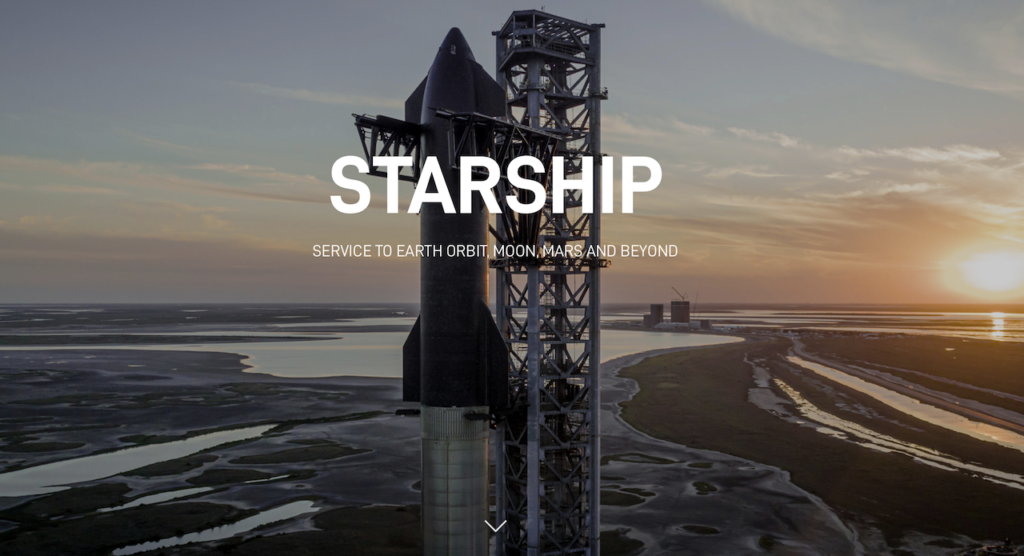
The most dramatic change to Starship V3 is its Thermal Protection System (TPS).
Starship re-enters Earth’s atmosphere at hypersonic speeds, enduring plasma temperatures exceeding 1,500°C. Protecting the stainless-steel structure underneath is critical for:
- Vehicle survival
- Rapid reusability
- Crew safety in future missions
From Experimental to Optimized
In previous flights, SpaceX deliberately removed tiles to stress-test Starship’s resilience. During Flight 11, engineers removed 72 ceramic tiles across 18 high-heat zones.
Bare stainless steel faced direct plasma exposure.
And yet—the vehicle survived.
This test revealed that Starship is more resilient than expected. It also provided data identifying:
- Areas that can tolerate reduced protection
- Zones that require reinforcement
- Weak points vulnerable to plasma intrusion
For Flight 12, Ship 39 now features full tile coverage with strategic reinforcements, significantly increasing its chance of controlled re-entry—and possibly even a Mechazilla catch.
Crunch Wrap: The Secret Weapon Against Plasma Intrusion
One of the most exciting upgrades is something unofficially nicknamed “Crunch Wrap Supreme.”
What Is Crunch Wrap?
Crunch Wrap is a flexible ablative sealant layer applied between heat shield tiles. It:
- Eliminates traditional gap fillers
- Prevents plasma from penetrating seams
- Reduces tile edge oxidation
- Improves reusability
First tested on Flight 10 primarily around the nose cone, it has now expanded across:
- The vehicle body
- Flaps
- Critical heat zones
According to Elon Musk, the new heat shield performed “much better” after initial Crunch Wrap testing.
Flight 10 revealed improvements—but also showed orange residue and oxidation at edges. By Flight 11, sealing techniques were tightened. Now in V3, Crunch Wrap application is significantly more extensive.
If successful in Flight 12, this could be the breakthrough that enables true rapid reuse.
Why Metal Tiles Failed
SpaceX briefly experimented with metallic heat shield tiles made from heat-resistant stainless steel.
In theory, they sounded promising.
In practice? Plasma chemistry had other ideas.
During re-entry, superheated oxygen aggressively oxidized the metal tiles, causing:
- Severe discoloration
- Material degradation
- Visible orange scorching
Even though the vehicle landed successfully in the Indian Ocean, the experiment proved that metal tiles weren’t viable.
By Flight 11, SpaceX abandoned metallic tiles entirely and recommitted to ceramic TPS refinement.
Can Starship Achieve Rapid Reusability?
SpaceX’s ultimate goal is simple—and revolutionary:
- Launch
- Land
- Refuel
- Launch again
All within minimal turnaround time.
Imagine Starship landing and being caught by Mechazilla’s chopsticks, stacked atop a waiting Super Heavy booster, refueled, and relaunched.
That vision demands:
- Durable tiles
- Minimal refurbishment
- Reliable sealing
- Structural integrity under extreme heat
Flight 12 will test whether Version 3 finally achieves that standard.
Launchpad 2: Racing Toward Readiness
While Ship 39 undergoes upgrades, Starbase infrastructure is moving just as fast.
SQD Arm Installed
On January 6, the SQD arm extension for Pad 2 rolled out. This hardware:
- Fuels Starship
- Stabilizes the stack
- Interfaces with Super Heavy
Within days, installation was nearly complete.
Chopstick Movement Tests
Beneath the arm, SpaceX tested Mechazilla’s chopsticks—swinging them left and right to verify upgraded actuator stability.
Orbital Launch Mount Clamp Arms
By January 8, 12 clamp assemblies were installed on the orbital launch mount. These clamps:
- Secure the vehicle during fueling
- Hold full stack weight
- Release cleanly at liftoff
All signs point toward Flight 12 arriving sooner than expected.
NASA Budget Stability: A Major Boost for Starship
Space exploration isn’t just about rockets—it’s about funding.
When former President Donald Trump proposed cutting NASA’s budget by $6 billion for fiscal year 2026, uncertainty loomed.
However, bipartisan Congressional committees approved approximately $24.4 billion instead—a modest 2% reduction.
This protects key programs, including Artemis.
Starship’s Role in the Artemis Program
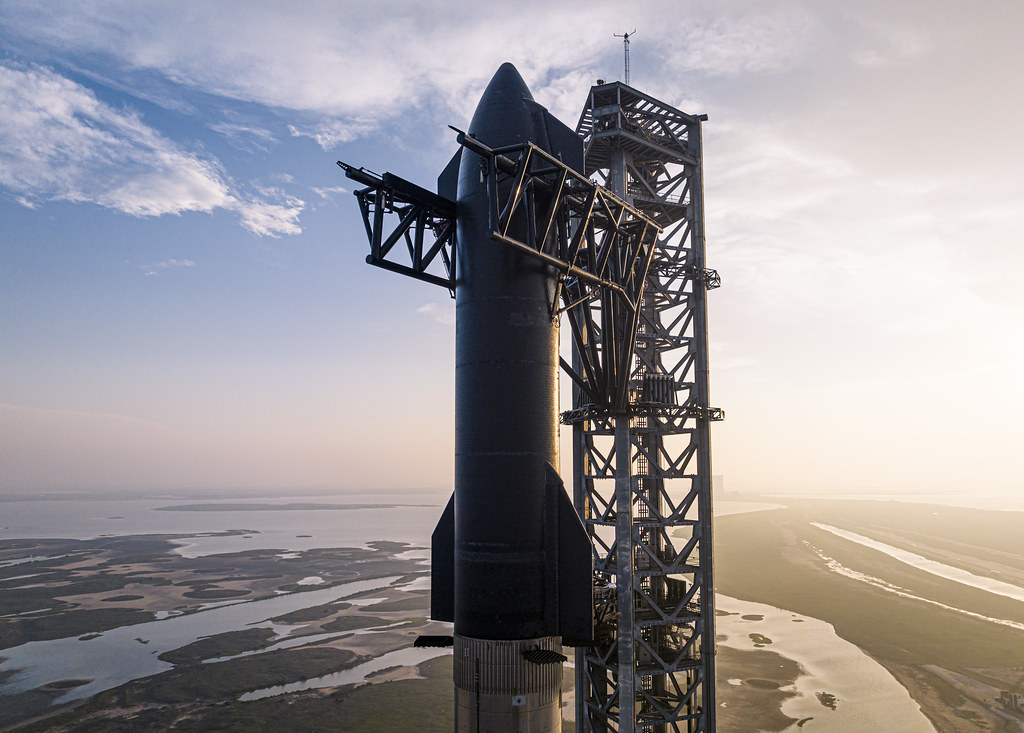
Starship is central to NASA’s Artemis program.
Under the Artemis Human Landing System contract, SpaceX will use Starship to land astronauts on the Moon during Artemis 3, currently targeted for 2027–2028.
Stable funding means:
- Contracts remain intact
- Lunar ambitions stay on schedule
- Starship development accelerates
Meanwhile, Artemis 2—a 10-day crewed lunar flyby—prepares for launch.
This mission echoes Apollo 8, humanity’s first journey beyond Earth orbit.
Orion’s Heat Shield Challenge
During Artemis 1, Orion’s AVCOAT heat shield experienced unexpected cracking and char loss.
Instead of replacing the shield (which would cause years of delay), NASA adjusted the re-entry profile:
- Higher heat loads
- Shorter duration
- Reduced cracking risk
Testing suggests safety margins remain intact—but Artemis 2 will be the true test.
Starship vs. Orion: Two Heat Shield Philosophies
| Feature | Starship V3 | Orion |
|---|---|---|
| Shield Type | Ceramic tiles + sealant | AVCOAT ablative |
| Reusability | Designed for rapid reuse | Partially ablative |
| Peak Temp | ~1,500°C+ | Up to 5,000°F |
| Mission Goal | Lunar landing & Mars | Lunar orbit missions |
Starship aims for rapid reuse. Orion prioritizes crew safety above all.
Both approaches are shaping the next era of exploration.
The Twilight Mission and Orbital Data Centers
On January 11, SpaceX launched the Twilight mission aboard Falcon 9.
Two orbital data center nodes from Axiom Space were deployed.
These free-flying data centers will:
- Process AI workloads in orbit
- Provide in-space data storage
- Connect to satellite networks
This marks a shift toward commercial space infrastructure—transforming orbit into an economic platform.
Why Flight 12 Could Be Historic
If Flight 12 succeeds, it could:
- Prove full heat shield maturity
- Enable orbital missions
- Demonstrate Mechazilla landing capability
- Accelerate Artemis lunar timelines
- Unlock ship-to-ship refueling
Most importantly, it could confirm that Starship Version 3 is ready to evolve from experimental prototype to operational system.
The Bigger Picture: Moon, Mars, and Beyond
We are standing at the edge of two historic missions:
- Artemis 2 returning humans to lunar orbit
- Starship Flight 12 pushing reusable super-heavy launch systems forward
Together, they represent two philosophies converging:
Government precision + Commercial speed.
Whether humanity builds Moon Base Alpha or sets foot on Mars, one thing is certain:
The heat shield—once an overlooked component—is now the hero of this story.
And with 18,000 upgraded tiles, reinforced sealing, and lessons learned from deliberate stress tests, Starship Version 3 may finally have the durability to change spaceflight forever.
Final Thoughts
Starship 39 isn’t delayed.
It’s evolving.
Behind the doors of Mega Bay 2, SpaceX has refined its most critical technology—the thermal protection system. With Crunch Wrap sealing, full tile optimization, and reinforced hot zones, Flight 12 could mark the turning point toward rapid, full reusability.
If successful, this won’t just be another test flight.
It will be the moment reusable interplanetary spacecraft become reality.
FAQs
1. What is Starship Version 3 (V3)?
Starship Version 3 is the latest iteration of SpaceX’s fully reusable spacecraft, designed for improved durability, faster turnaround, and enhanced thermal protection compared to earlier versions.
2. Why hasn’t Starship 39 rolled out from Mega Bay 2 yet?
Starship 39 remains inside Mega Bay 2 primarily due to ongoing infrastructure upgrades at the Massey test site and additional refinements to its heat shield system before Flight 12.
3. What is the purpose of Starship’s heat shield?
The heat shield protects the stainless-steel structure of Starship during atmospheric re-entry, where temperatures can exceed 1,500°C due to extreme plasma heating.
4. How many heat shield tiles does Starship 39 have?
Starship 39 is equipped with approximately 18,000 ceramic heat shield tiles designed to withstand intense thermal stress during re-entry.
5. What is “Crunch Wrap” on Starship?
“Crunch Wrap” is a flexible ablative sealant layer placed between heat shield tiles to prevent plasma intrusion and reduce tile edge damage. It improves durability and reusability.
6. Why did SpaceX test removing heat shield tiles in previous flights?
SpaceX intentionally removed tiles during earlier test flights to study how exposed stainless steel would perform under extreme heat and to gather data for optimizing the thermal protection system.
7. Did SpaceX experiment with metallic heat shield tiles?
Yes. SpaceX briefly tested metallic tiles made from heat-resistant stainless steel, but they oxidized aggressively during re-entry and were abandoned in favor of ceramic tiles.
8. What makes Flight 12 so important?
Flight 12 could demonstrate the most mature version of Starship’s thermal protection system and may potentially include a controlled landing attempt, advancing rapid reusability goals.
9. How does Starship aim to achieve rapid reusability?
The goal is to launch, land, refuel, and relaunch Starship with minimal refurbishment—similar to aircraft operations—reducing cost and turnaround time.
10. What is the role of NASA in Starship development?
NASA selected Starship as the Human Landing System for its Artemis lunar missions, providing funding and partnership support.
11. What is Artemis 2?
Artemis 2 is a planned crewed mission that will send astronauts around the Moon, marking the first human lunar flyby since Apollo.
12. What is Artemis 3?
Artemis 3 aims to land astronauts on the Moon using Starship as the lunar lander.
13. How does Starship’s heat shield differ from Orion’s?
Starship uses reusable ceramic tiles and sealants, while NASA’s Orion spacecraft uses an ablative AVCOAT heat shield designed to burn away during re-entry.
14. What upgrades were made to Launch Pad 2?
Launch Pad 2 received a new SQD arm extension, upgraded chopstick actuators, and additional clamp arms to improve fueling stability and launch readiness.
15. What was the Twilight mission launched on Falcon 9?
The Twilight mission launched aboard Falcon 9 deployed orbital data center nodes for Axiom Space, supporting in-space computing infrastructure.
16. Could Starship Version 3 change the future of space exploration?
Yes. If its upgraded heat shield performs as expected, Starship V3 could enable rapid reuse, lunar landings, orbital refueling, and eventually missions to Mars—dramatically reducing the cost of deep space exploration.
Read More:
- Elon Musk clarifies Tesla Cybertruck ’10 day’ comment, fans respond
- Tesla Pi Phone $199 Leak + “Lifetime” Starlink Internet + Aluminum-Ion 7-Year Battery + XOS (2026)
- NASA announced Artemis 2 Rocket Problem Fixed for 2nd WDR Test! The Countdown Begins
- Tesla Cyberbeast price drops to less than $100k but loses Luxe package with FSD
- Tesla Cybertruck owner credits FSD for saving life after freeway medical emergency
1 thought on “Starship Version 3 Heat Shield Upgraded to Survive 1,500°C Change Spaceflight Forever”