
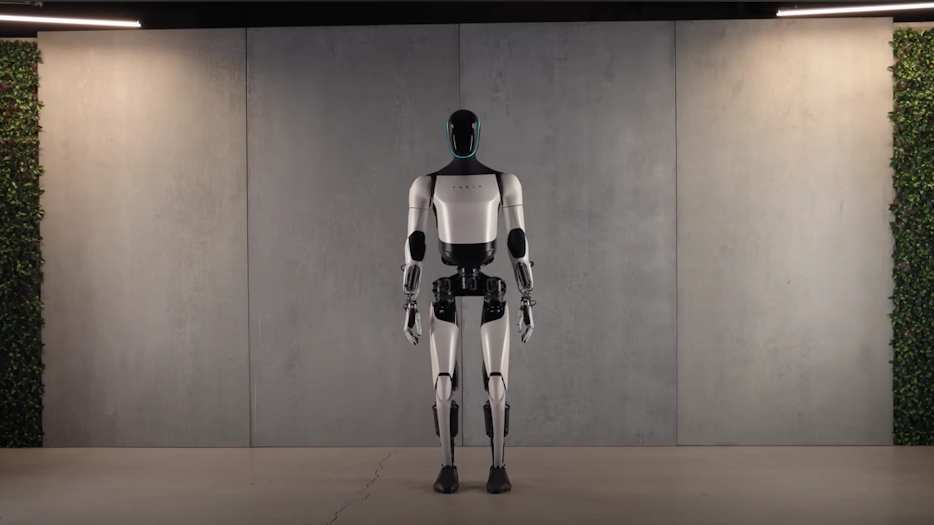
Tesla Bot Gen 3 FULL Specs Revealed | Elon Musk BEAT Figure 03?: The humanoid robotics industry is entering one of its most intense and defining eras. Two radically different philosophies are colliding, reshaping how the world thinks about robots—not just as machines, but as future coworkers.
On March 25, 2026, Figure AI stunned the world when its humanoid robot, Figure 03, appeared at a White House diplomatic summit, delivering a speech in a remarkably human-like feminine voice and greeting delegates in 11 different languages. This moment symbolized a future where robots integrate seamlessly into human society.
Meanwhile, Tesla took a completely opposite approach.
Instead of speeches and spotlights, Tesla quietly demonstrated its Optimus Gen 3 working directly on an active electric vehicle production line. No theatrics. Just labor.
This contrast defines the real race:
👉 Some robots are being built to talk like humans.
👉 Tesla is building robots to replace human labor.
In this in-depth, we break down everything you need to know about Tesla Optimus Gen 3, including its specifications, capabilities, production plans, and controversies.
The Philosophical War: Social Robots vs Labor Robots
The humanoid robotics space is now divided into two camps:
1. Social Integration Approach
- Focus on communication and interaction
- Human-like voices, gestures, and emotional cues
- Ideal for hospitality, customer service, and diplomacy
2. Industrial Labor Approach (Tesla’s Strategy)
- Focus on productivity and physical work
- Built for factories, logistics, and repetitive tasks
- Designed to replace manual labor at scale
Tesla’s Optimus Gen 3 is firmly in the second category—and that’s what makes it disruptive.
The Breakthrough: 22 Degrees of Freedom Hands
Why Robot Hands Matter More Than Walking
Walking is impressive—but it’s not economically valuable on its own.
👉 A humanoid robot’s true value lies in its ability to manipulate objects.
Without dexterity, a robot is essentially:
- A mobile camera
- A surveillance tool
- A novelty machine
Evolution of Optimus Hand Technology
Tesla has made massive progress in robotic hand design:
- 2021 Prototype: 4–5 degrees of freedom
- Optimus Gen 2 (2023): 11 degrees of freedom
- Optimus Gen 3 (2026): 22 degrees of freedom
This includes:
- Independent finger articulation
- Advanced thumb mobility
- Wrist flexibility
Fine Motor Control Demonstrations
Tesla showcased Optimus performing delicate tasks like:
- Threading a needle
- Handling raw eggs without breaking them
One of the hardest benchmarks?
👉 Cracking an egg cleanly without crushing it
This requires:
- Precise force control
- Real-time tactile feedback
- Advanced coordination
Why This Changes Everything
In real-world environments, robots must handle:
- Soft materials (fabrics)
- Slippery objects (glass, cables)
- Fragile items (electronics, eggs)
The 22-degree-of-freedom hand system moves Optimus into:
✅ Fine assembly work
✅ Precision manufacturing
✅ Complex manipulation tasks
This is where real economic value begins.
Hardware and AI Specifications
Optimus Gen 3 isn’t just about hands—it’s a complete system overhaul.
Humanoid Locomotion and Speed
Optimus Gen 3 can walk at speeds of up to:
👉 8 miles per hour (mph)
Key Improvements:
- Multi-layer foot structure
- Separated heel design
- Flexible arch system
This results in:
- Smoother movement
- More natural human gait
- Reduced mechanical stiffness
Weather Sealing and Durability
Earlier versions had major flaws:
- Exposed wiring
- Vulnerable joints
- Poor environmental resistance
Gen 3 Fixes:
- Sealed joints
- Protected actuators
- Improved durability
This enables operation in:
- Dusty factories
- Outdoor environments
- Humid conditions
👉 Industrial-grade durability is now a reality.
Grok 5 and Contextual Autonomy
At the core of Optimus Gen 3 lies Grok 5, Tesla’s advanced AI model.
What Makes It Different?
Instead of rigid programming, it enables:
- Context awareness
- Adaptive behavior
- Autonomous decision-making
Real Demonstration Capabilities
Optimus has been shown:
- Picking up debris without being told
- Slowing down near humans
- Adjusting behavior dynamically
👉 This is a step toward Artificial General Intelligence (AGI).
Digital Optimus: The Cognitive Worker Revolution
Tesla isn’t just building physical robots.
What is Digital Optimus?
A virtual AI worker designed to:
- Operate computers
- Perform repetitive office tasks
- Automate workflows
Capabilities Include:
- Data entry
- Report generation
- Process automation
- Continuous 24/7 operation
Why This Matters
Tesla is attacking labor from two directions:
| Type of Labor | Solution |
|---|---|
| Physical Labor | Optimus Gen 3 |
| Cognitive Labor | Digital Optimus |
👉 This dual strategy could reshape the entire global workforce.
Mass Production and Pricing Strategy
Production Goals
Tesla has announced aggressive scaling:
- 50,000 to 100,000 units in 2026
- Long-term goal: millions of units annually
Initial Deployment
Early robots will be used inside Tesla factories:
- Fremont
- Giga Texas
This allows:
- Real-world testing
- AI training
- Bug fixing
Expected Price Range
Estimated cost per unit:
👉 $20,000 to $50,000
Why So Expensive?
- Advanced actuators
- High-precision sensors
- Complex robotic hands
The 22-DOF hands alone are a major cost driver.
The Valley of Skepticism
Despite impressive specs, experts remain cautious.
1. The Teleoperation Controversy
Some demonstrations may not be fully autonomous.
What is Teleoperation?
- A human controls the robot remotely
- Uses VR and haptic feedback
Suspicious Moment
In one demo:
- Optimus stumbled
- Reached toward its head like removing a VR headset
👉 This raised serious questions.
Why It Matters
If robots require human control:
- Costs increase
- Scalability decreases
- Automation promise weakens
Transparency is critical.
2. Safety and Compliance Concerns
A humanoid robot weighs around:
👉 150 kilograms (330 lbs)
That’s a serious safety risk.
Key Concerns:
- Lack of published safety framework
- No clear force-limiting systems
- Unknown compliance with global standards
Industrial Reality
Unlike software:
👉 Hardware mistakes can cause real physical harm
3. Scaling Challenges
Tesla aims for millions of units—but:
Current Reality:
- Prototypes are hand-built
- Supply chain is immature
- Components are highly specialized
Major Obstacles:
- Actuator production
- Sensor manufacturing
- Assembly automation
Scaling robotics is far harder than scaling cars.
Real-World Impact: Will Optimus Replace Human Jobs?
If Tesla succeeds, the implications are massive.
Industries That Could Be Disrupted:
- Manufacturing
- Logistics
- Warehousing
- Retail operations
Potential Benefits:
- Lower labor costs
- Increased productivity
- 24/7 operations
Potential Risks:
- Job displacement
- Economic inequality
- Ethical concerns
👉 This is not just a tech story—it’s an economic revolution.
Tesla vs Figure AI: Who Is Winning?
Figure AI Strengths
- Human interaction
- Communication
- Public engagement
Tesla Strengths
- Real-world deployment
- Industrial use cases
- Vertical integration
The Core Difference
| Feature | Figure 03 | Optimus Gen 3 |
|---|---|---|
| Focus | Social Interaction | Labor Automation |
| Deployment | Public events | Factory floors |
| Goal | Human-like presence | Replace human work |
👉 Different visions of the same future.
The Verdict: Hype or Revolution?
Tesla has a history of:
- Disrupting industries
- Scaling rapidly
- Delivering ambitious technology
But humanoid robotics is different.
What Tesla Must Prove:
- True autonomy (no teleoperation)
- Reliable real-world performance
- Safe human interaction
- Scalable manufacturing
Best Case Scenario
If Tesla succeeds:
👉 Optimus Gen 3 could revolutionize global economics
Worst Case Scenario
If it falls short:
👉 It becomes another overhyped prototype
Final Thoughts
The battle between human-like robots and labor-focused machines is just beginning.
Tesla’s Optimus Gen 3 represents:
- A bold engineering leap
- A controversial technological gamble
- A potential economic turning point
FAQs
1. What is Tesla Optimus Gen 3?
Tesla Optimus Gen 3 is a humanoid robot developed by Tesla, designed to perform physical labor tasks in industries like manufacturing, logistics, and warehousing.
2. What makes Optimus Gen 3 different from previous versions?
The biggest upgrade is its 22 degrees of freedom hands, improved AI with Grok 5, better walking speed, and enhanced durability for real-world environments.
3. What are 22 degrees of freedom in robotic hands?
It refers to 22 independent movements across the fingers, thumb, and wrist, allowing the robot to perform highly precise and delicate tasks.
4. Can Tesla Optimus Gen 3 perform delicate tasks?
Yes, it can handle fragile objects like raw eggs and even perform tasks like threading a needle, showcasing advanced fine motor control.
5. What is the top speed of Optimus Gen 3?
Optimus Gen 3 can walk at speeds of up to 8 mph, with a more natural and human-like gait.
6. What AI powers Tesla Optimus Gen 3?
It is powered by Grok 5, an advanced AI model designed to enable contextual understanding and autonomous decision-making.
7. Is Tesla Optimus fully autonomous?
Not entirely proven yet. While Tesla claims autonomy, there are ongoing debates about possible teleoperation in demonstrations.
8. What is Digital Optimus?
Digital Optimus is Tesla’s virtual AI system designed to automate white-collar and computer-based tasks, complementing the physical robot.
9. How much will Tesla Optimus Gen 3 cost?
The expected price range is between $20,000 and $50,000, depending on production scale and features.
10. When will Optimus Gen 3 be available?
Mass production is expected to begin in 2026, with initial deployment inside Tesla factories.
11. Where will Tesla use Optimus robots first?
Tesla plans to use Optimus in its own facilities, such as Gigafactories, to test and refine performance.
12. What industries can Optimus Gen 3 transform?
It can impact industries like manufacturing, logistics, warehousing, retail, and supply chain operations.
13. What are the safety concerns with humanoid robots?
Concerns include physical risks, lack of transparent safety frameworks, and the need for proper compliance with global robotics standards.
14. What is the teleoperation controversy?
Some experts believe certain demos may involve humans remotely controlling the robot, raising questions about true autonomy.
15. How does Optimus compare to Figure 03?
Optimus focuses on labor and productivity, while Figure 03 emphasizes human interaction and communication.
16. Can Optimus replace human workers?
Potentially yes, especially in repetitive or physically demanding jobs, but widespread replacement will depend on cost, safety, and scalability.
17. What is the future of humanoid robots like Optimus?
Humanoid robots could revolutionize both physical and cognitive labor, reshaping global economies and workforce structures.
Read More:
- NASA Declared Starship Landing Too Risky… But SpaceX’s New HLS Design Changed Everything
- Tesla Model 2 $24,990 Finally Cancelled! Elon Musk REPLACED By A New Model
- Tesla drives drunk owner while he naps, Police still arrest him on DUI
- Tesla makes latest announcement on Model S and Model X
- Tesla Robotaxi gets a small but significant change