
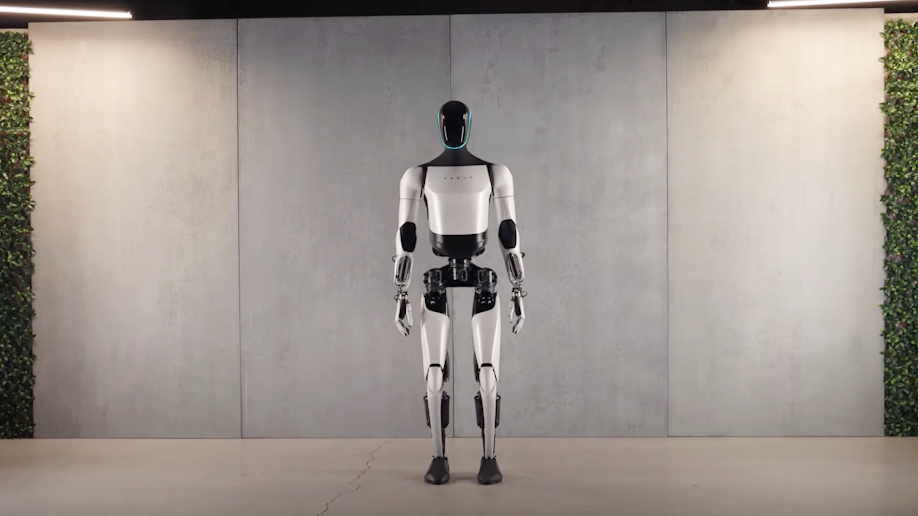
The rise of humanoid robots has captured global attention, and no one is watching this space more closely than Elon Musk and his Tesla Bot Gen 5, also known as Optimus Gen 5. With advancements in AI,robotics, and automation, humanoid robots are no longer confined to science fiction. Today, they are tackling household chores, cleaning public spaces, and even assisting with eldercare. But the pressing question remains: are these robots genuinely helping humans or just creating more problems?
In this article, we’ll explore how Tesla Bot Gen 5 compares to competitors like Xpeng, Iron Robot, and Zerith Robotics, analyze its cutting-edge features, and discuss the implications for the future of work and daily life.
Humanoid Robots in China: Novelty or Practical Use?
China has been at the forefront of humanoid robotics for years, with companies producing robots designed for public spaces, retail, and research demonstrations. Zerith Robotics, for instance, has created humanoid robots capable of cleaning public restrooms and performing tasks like grocery selection. While these machines are impressive, they often fail to deliver practical value, focusing more on showcasing technological flair rather than real-world usability.
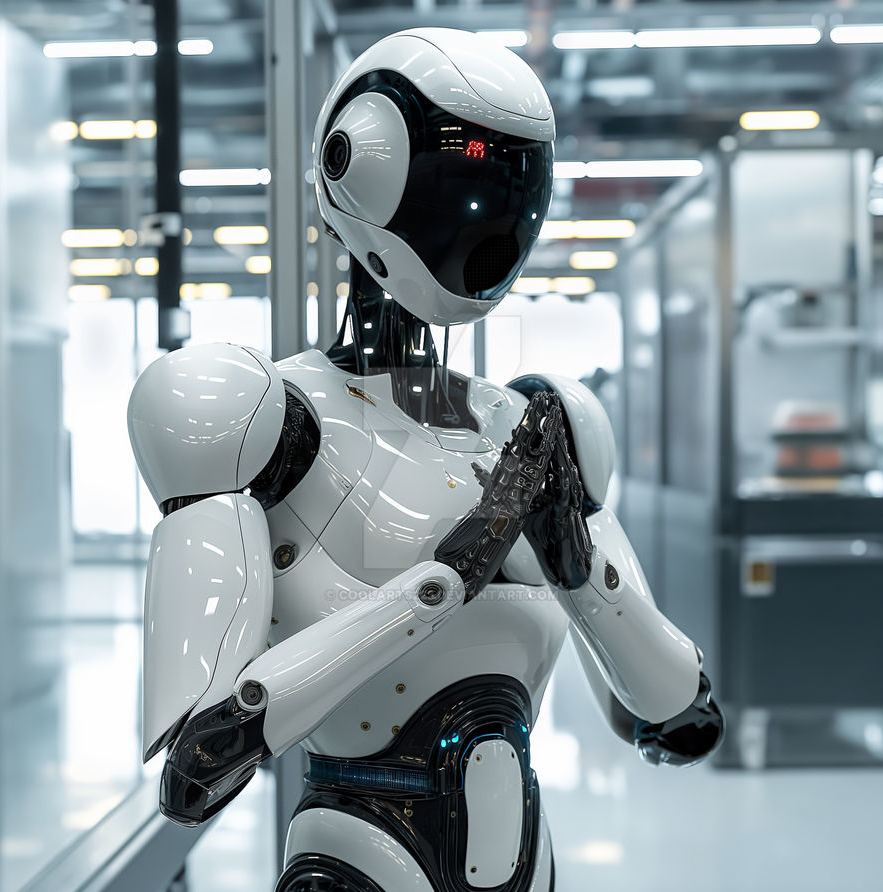
Most users remain skeptical: would you actually dare to use a toilet cleaned by a robot? Despite their rapid boot-up times and operational efficiency, many of these Chinese robots have not yet convinced the general public of their utility.
Tesla Optimus Gen 5: A Game Changer in Robotics
Unlike most competitors, Tesla Optimus Gen 5 aims to bridge the gap between AI innovation and practical human use. Backed by billions in investment and years of research, Elon Musk claims that within three years, these robots will be indispensable in households worldwide.
Key Capabilities of Tesla Bot Gen 5
- Household Chores
The Gen 5 can cook, clean, do laundry, and even bathe pets—all without spilling a drop of water. This level of automation frees humans from mundane and repetitive tasks. - Grocery Shopping and Errands
Optimus can run daily errands, from picking groceries based on store menus to carrying items from the car into the house. - Elder and Child Care
Equipped with natural conversation skills and the ability to understand human body language, the robot provides companionship and support for the elderly and children. - Medical Assistance
Optimus can monitor vital signs, deliver medication, and even assist with mobility, offering a potential solution to the global shortage of healthcare workers.
Tesla Bot vs. Other Humanoid Robots
While Tesla Optimus once had only one serious competitor in Figure AI, the landscape has rapidly changed. Xpeng, Iron Robot, Agibbot, and Zerith Robotics are entering the humanoid market with robots capable of performing specialized tasks.
However, Tesla claims that Optimus Gen 5 outperforms all competitors due to its versatility. Unlike niche robots that excel only at cleaning or deliveries, Optimus integrates multiple capabilities into one humanoid robot. It can handle cooking, cleaning, rescue operations, and household management, all while interacting naturally with humans.
The Secret Behind Tesla Bot’s Efficiency: The Optimus Hand
One of the most impressive features of Optimus Gen 5 is its highly engineered hand, which Tesla describes as one of the best robotic hands in the world.
- Degrees of Freedom: 22, compared to 27 in a human hand.
- Tendon System: Mimics human tendons, reducing the number of moving parts.
- Water Resistance: Designed for easy cleaning, including soap and water, with possible antibacterial properties.
Tesla devoted nearly half of the robot’s engineering effort to its hands, emphasizing their importance in real-world applications such as cooking, cleaning, and handling delicate objects.
Learning Through AI: Robots That Observe and Adapt
A humanoid robot must learn to adapt to humans’ needs, and Optimus does just that. Unlike older robots that require manual programming for every action, Tesla Bot Gen 5 learns through observation.
- Users can provide simple instructions, demonstration videos, or spoken commands.
- The robot interprets gestures and body language, making it accessible to individuals with speech difficulties.
- Advanced AI allows Optimus to perform tasks it has never been explicitly taught, creating a truly adaptable personal assistant.
This is where Tesla’s competitive advantage lies. The same AI that powers self-driving cars now enables humanoid robots to navigate real-world environments safely and efficiently.
Safety and Hygiene: A Top Priority
A common concern with humanoid robots is hygiene, especially when handling tasks like cleaning bathrooms and preparing food. Tesla has addressed this with:
- Antimicrobial hand design
- Easy-to-clean materials
- Task sequencing AI, ensuring tasks are performed safely and without contamination
These features demonstrate that Optimus is more than a novelty—it’s designed for practical, real-world applications.
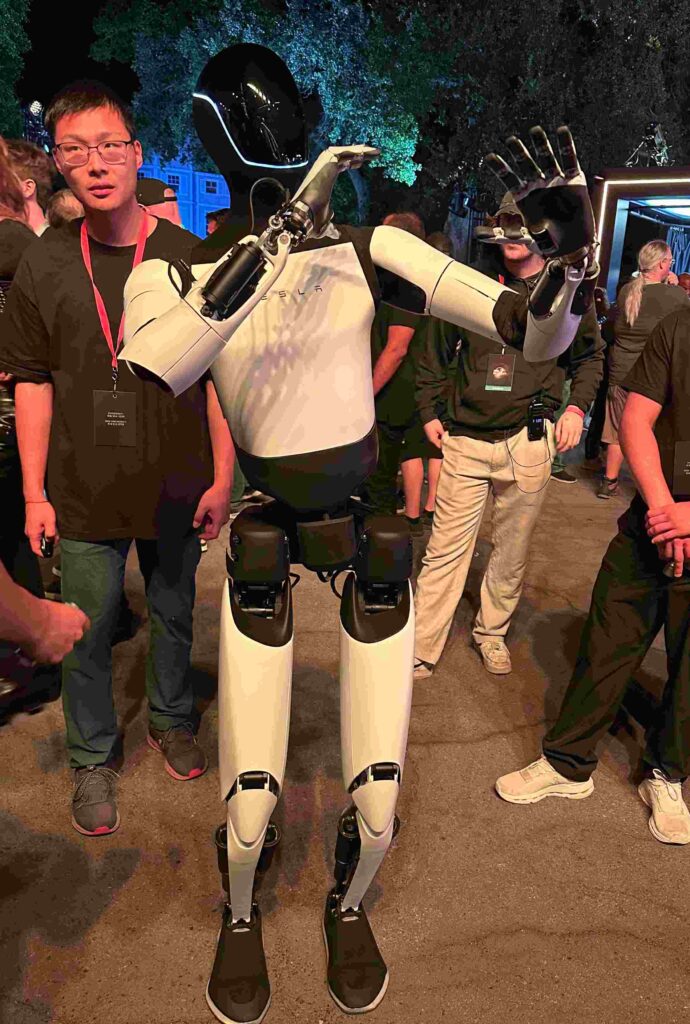
The Economic Impact of Tesla Bot Gen 5
There’s no denying that humanoid robots will change the labor market. Jobs in manufacturing, healthcare, and warehousing may be impacted. However, history suggests these fears are often overstated. For example, ATMs did not reduce bank employment; they created new roles and boosted productivity.
Tesla envisions a similar future with Optimus:
- Job Creation: Robotics maintenance, AI programming, human-machine interface design
- Efficiency Gains: Automation of repetitive and dangerous tasks
- Economic Value: Optimus can work continuously, potentially paying for itself within 2-3 years
Elon Musk’s vision is ambitious: a society where humans work out of passion rather than necessity, enabled by AI and robots.
Transforming Healthcare with Humanoid Robots
By 2050, over 16% of the global population will be over 65, creating unprecedented strain on healthcare systems. Optimus Gen 5 offers a solution:
- Delivering medications
- Monitoring vital signs
- Assisting with mobility
- Detecting early health warning signs using AI
Robots do not tire, and their ability to work continuously could help address critical labor shortages in healthcare.
Tesla Bot and Household Integration
Tesla has deliberately avoided making Optimus fully humanlike in appearance. Musk believes that too realistic a robot can trigger discomfort or fear, citing the “uncanny valley” effect. Instead, Optimus has a sleek head with LED strips, making it friendly and non-threatening for home use.
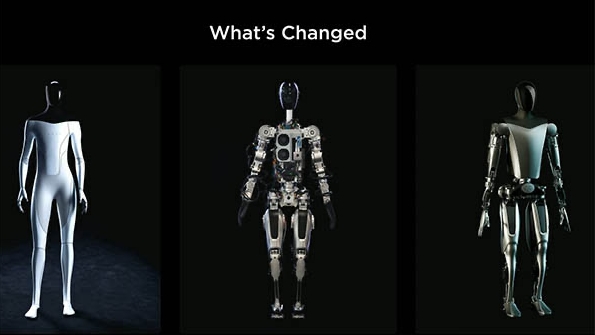
Currently, Optimus version 2.5 can:
- Move autonomously
- Navigate office and home spaces
- Self-charge
- Perform basic tasks
The upcoming Optimus 3, expected next year, will appear more lifelike, resembling a person wearing a robotic suit.
Tesla’s Roadmap for Optimus
Tesla is planning annual updates for Optimus, similar to smartphone releases:
- Optimus 4 (2027)
- Optimus 5 (2028)
These updates will improve mobility, task flexibility, and AI capabilities, ensuring that Tesla remains at the forefront of humanoid robotics.
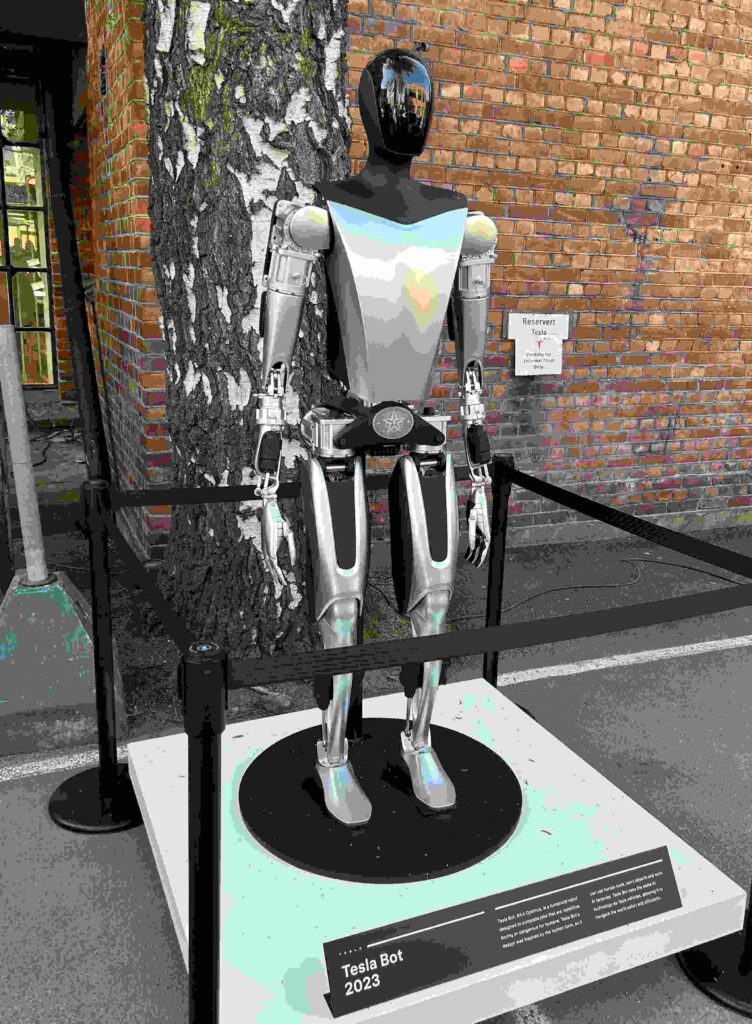
How Optimus Gen 5 Stands Out
- Versatility: Can cook, clean, provide medical support, and assist in rescue operations.
- AI Brain: Powered by Tesla’s applied AI technology used in self-driving cars.
- Learning Ability: Learns through observation and video demonstrations.
- Human Interaction: Understands gestures, speech, and body language.
- Economic Utility: Potential to generate income through various real-world applications.
These features make Tesla Bot Gen 5 a practical household and professional assistant, unlike many robots that focus only on a single niche.
Will Robots Replace Human Jobs?
Elon Musk has stated that AI and robots will replace all jobs, leaving humans free to pursue interests like gardening or hobbies. While this is a radical idea, history and current trends suggest that robots will transform rather than eliminate jobs:
- Humans shift from manual labor to creative, emotional, and supervisory roles
- New careers in robotics and AI support emerge
- Dangerous or repetitive tasks are automated
This marks a shift from a labor-intensive economy to a knowledge-based economy, where humans focus on tasks machines cannot perform.
The Future of Humanoid Robots
The rapid development of AI and robotics means that humanoid robots are no longer limited to basic tasks. Today’s robots:
- Learn from their environment
- Interact with humans naturally
- Perform complex, data-driven decisions
- Operate in healthcare, industrial, and household settings
Tesla Optimus represents a revolutionary leap, integrating advanced AI with practical design, opening new possibilities for work, care, and daily living.
Conclusion: Tesla Bot Gen 5—A True Companion for the Future
Tesla Bot Gen 5 is more than just a robot. It’s a versatile, AI-powered companion capable of handling household chores, assisting in healthcare, and performing tasks that were once impossible for machines.
While other humanoid robots from China, the US, and Europe remain limited or awkward, Optimus offers practical usability, flexibility, and economic potential. With Elon Musk leading the charge, humanoid robots may soon be a normal part of everyday life, transforming work, care, and domestic living.
So, the ultimate question is: Would you allow a Tesla Bot to handle dangerous, repetitive, or tedious tasks in your home or workplace? The era of humanoid robotics is here, and it’s smarter, safer, and more capable than ever.
FAQs
1. What is Tesla Bot Gen 5?
Tesla Bot Gen 5, also known as Optimus Gen 5, is a humanoid robot developed by Tesla and Elon Musk. It is designed to handle household chores, assist in healthcare, and perform various tasks using advanced AI and robotics.
2. How does Optimus Gen 5 compare to other humanoid robots?
Unlike most competitors such as Xpeng, Iron Robot, and Zerith Robotics, Optimus integrates multiple functions—from cooking and cleaning to grocery shopping and elder care—into a single humanoid robot.
3. What tasks can Tesla Bot Gen 5 perform at home?
The robot can cook, clean, do laundry, bathe pets, water plants, move heavy items, and even run errands, making it a versatile household assistant.
4. Does Optimus Gen 5 require programming for every task?
No. Thanks to advanced AI, the robot can learn through observation, demonstration videos, or simple instructions, allowing it to perform tasks it wasn’t explicitly programmed to do.
5. How does Tesla Bot Gen 5 handle hygiene and cleaning?
Optimus has antimicrobial, water-resistant hands and is designed for easy cleaning. Task sequencing ensures it can handle food-related and household chores without contamination.
6. Can Tesla Bot Gen 5 provide healthcare support?
Yes. The robot can deliver medication, assist patient mobility, monitor vital signs, and detect early health warning indicators using AI, making it valuable in elderly care and medical support.
7. How safe is Tesla Bot Gen 5 around humans?
Optimus is equipped with advanced AI and sensors that allow it to navigate spaces safely, avoid hazards, and interpret human gestures, ensuring safe interaction with people.
8. Will Tesla Bot Gen 5 replace human jobs?
While Optimus may automate repetitive or dangerous tasks, it is expected to create new opportunities in AI, robotics maintenance, and creative roles, rather than entirely eliminating employment.
9. What is the Optimus Gen 5 hand design?
The Optimus hand has 22 degrees of freedom, a human-like tendon system, and antibacterial properties. It allows for precise handling of objects while minimizing water damage and wear.
10. When will Tesla Bot Gen 5 be available for consumers?
Mass production is planned for 2026, with initial pricing estimated between $20,000 and $30,000 depending on the model.
11. How does Tesla Bot Gen 5 learn human intentions?
The robot can interpret gestures, pointing, and body language, allowing users with speech difficulties or other limitations to interact effectively without verbal commands.
12. Can Tesla Bot Gen 5 generate economic value for its owners?
Yes. Optimus can perform tasks such as serving in restaurants, transporting goods, or working as a bartender, potentially paying for itself within 2-3 years.
13. What makes Optimus Gen 5 different from other AI robots?
The combination of Tesla’s applied AI, self-driving technology, adaptable hands, and real-world usability sets Optimus apart from other humanoid robots that focus only on demonstration or niche tasks.
14. How realistic does Tesla Bot Gen 5 look?
Optimus has a sleek head with LED lights, intentionally avoiding overly humanlike features to prevent discomfort or fear. Future versions, like Optimus 3, will look more lifelike but still friendly.
15. What industries can benefit from Tesla Bot Gen 5?
Industries like healthcare, household services, industrial labor, disaster relief, and elderly care can utilize Optimus to increase efficiency and reduce risk for human workers.
16. How often will Tesla update Optimus Gen 5?
Tesla plans annual updates, similar to smartphones, with improvements in AI, mobility, and task versatility. Optimus 4 is expected in 2027, and Optimus 5 in 2028.
Read More:
- Disaster! Russia is in BIG TROUBLE, NO launchpad for Soyuz Launch to ISS
- Tesla is making a change to its exterior cameras with a potential upgrade
- Tesla bear gets blunt with beliefs over company valuation
- Tesla sees sharp November rebound in China as Model Y demand surges
- Tesla Europe rolls out FSD ride-alongs in the Netherlands’ holiday campaign
- 2025 Tesla Pi Phone Under $317 is HERE. Elon Musk Unveils 7 Features