


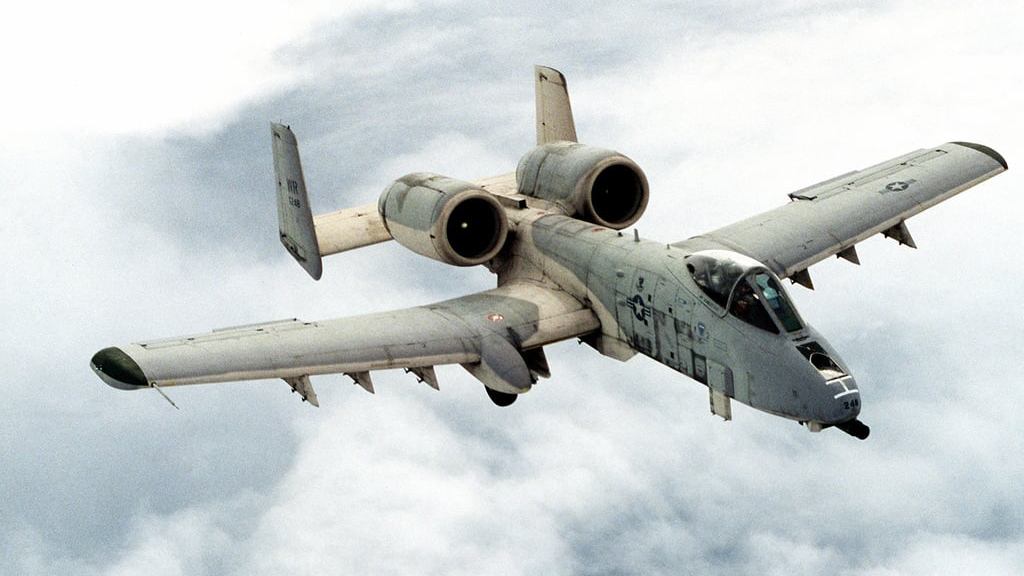
Tesla Shocks the Industry With World’s Fastest Electric Plane “Falcon X”: For years, the notion of a Tesla-branded aircraft existed only in the realm of science fiction. Yet, as of April 2026, increasing signals from tech analysts and industry insiders point toward a groundbreaking collaboration between Tesla and SpaceX.
This partnership aims to create a fully electric, autonomous flying transport, possibly redefining the future of mobility. Dubbed the “Falcon X” by the tech community, this ambitious project combines Tesla’s energy and automation expertise with SpaceX’s aerospace innovation.
I. A Synergy of Two Giants
The Falcon X represents more than just a new aircraft. It symbolizes the strategic merger of two technology powerhouses, each bringing unique strengths to the table.
Tesla’s Contribution: Power, Intelligence, and Autonomy
Tesla’s mastery lies in energy management, high-density battery technology, and artificial intelligence for autonomous driving. The same Full Self-Driving (FSD) technology that powers Tesla vehicles could underpin the Falcon X’s flight control systems. With Tesla’s expertise, the craft is likely to feature intelligent energy distribution, predictive maintenance, and adaptive flight systems, making autonomous flying a practical reality.
SpaceX’s Contribution: Aerospace Engineering and Innovation
SpaceX brings decades of rocket engineering and aerospace expertise. Their advanced aerodynamic designs, flight control systems, and lightweight materials ensure the Falcon X can withstand extreme stresses while remaining energy-efficient. These innovations are critical for vertical takeoff and landing (eVTOL) capabilities, where thermal and mechanical loads during rapid ascent are significant.
The “Experimental” X
The name Falcon X carries symbolic meaning: it references SpaceX’s Falcon rockets while nodding to Tesla’s tradition of “X” projects, such as the Model X. This suggests that Falcon X is not just a traditional airplane, but a new category of personal and urban aerial transport.
II. Technical Specifications & Capabilities
While Tesla and SpaceX have yet to release official specifications, analysts and insiders have extrapolated potential features based on patents and existing technology.
Electric Propulsion and Battery Density
A successful electric plane requires significantly higher energy density than cars. Tesla’s latest breakthroughs in battery architecture and materials are believed to be the backbone of Falcon X. Experts speculate the aircraft may use a hybrid system: electric propulsion for cruising and possibly small jet-assisted boosters from SpaceX for vertical takeoff. This combination could offer unprecedented speed, range, and efficiency for urban and intercity air travel.
Autonomous Flight: The Sky’s the Limit
Implementing autonomous navigation in the air is arguably simpler than on crowded streets. Airspace is more predictable, and flight paths can be optimized using real-time AI algorithms. The Falcon X is expected to function as a service-based transport: you call it through an app, it arrives autonomously, and it navigates safely without human intervention. Imagine door-to-door travel without a pilot, transforming personal mobility forever.
Vertical Takeoff and Landing (eVTOL)
The Falcon X is expected to feature eVTOL capabilities, allowing it to take off and land from compact urban sites instead of conventional airports. This solves the primary bottleneck of traditional aviation—infrastructure constraints—and enables rapid, point-to-point travel across urban centers and neighboring cities. The implications for urban mobility, emergency response, and logistics are enormous.
III. Design Philosophy: Minimalist and Functional
Tesla and SpaceX have always emphasized minimalism fused with functionality. Drawing inspiration from the Cybertruck and Dragon spacecraft, Falcon X is rumored to feature several innovative design elements.
Streamlined, Monolithic Frame
The aircraft’s body will likely consist of high-strength alloys or composite materials originally developed for SpaceX rockets. This approach reduces weight and drag, while providing structural integrity during extreme maneuvers and high-speed travel.
Hidden Engines for Sleek Aerodynamics
To enhance efficiency and reduce noise, Falcon X may integrate hidden propulsion systems into its frame. This aerodynamically clean design mirrors Tesla’s approach in electric cars, reducing turbulence and maximizing range.
Advanced Thermal Management
Thermal management is crucial for high-performance electric aircraft. Tesla’s battery cooling systems combined with SpaceX’s rocket inverters are expected to prevent overheating during vertical takeoff and high-speed cruising. This ensures reliable performance, even in demanding operational conditions.
IV. Market Impact and Timing
The eVTOL market is crowded, with dozens of startups attempting to pioneer urban air mobility. However, none possess the combined manufacturing scale of Tesla or the flight heritage of SpaceX. Falcon X could disrupt the entire industry.
Tesla’s Secretive Development Cycle
Tesla often works in stealth mode, developing technologies for years before a sudden public reveal. Past examples include the Tesla Roadster and Optimus robot, which left the public stunned upon unveiling. The Falcon X could follow a similar trajectory, keeping prototypes hidden until they are fully functional.
Prototype Phase and Expected Timeline
Industry analysts speculate that a working prototype could be demonstrated within the next few years. If accurate, Falcon X could upend urban logistics, air taxi services, and personal transportation, creating a new standard for autonomous, electric flight.
V. Beyond Roads: A New Logic of Movement
Falcon X represents a vision beyond traditional transportation, decoupling human movement from road-based infrastructure.
Three-Dimensional Travel
Instead of being constrained by highways, bridges, or traffic jams, Falcon X envisions a three-dimensional transportation network. By enabling autonomous, on-demand air travel, Tesla and SpaceX aim to redefine mobility in dense urban environments.
Seamless Urban Integration
With eVTOL capabilities, the Falcon X could integrate seamlessly into city life, eliminating the need for massive airport infrastructure. Residents could summon a flying vehicle via an app, cutting travel times significantly and reducing urban congestion.
A Paradigm Shift in Transportation
Falcon X is not just an aircraft; it is a new logic of movement. It challenges the assumptions of current transit systems and envisions a future where mobility is faster, cleaner, and smarter. If successful, it could change the way cities are designed, how people commute, and even the global economy of transport.
VI. Potential Use Cases
The versatility of Falcon X opens opportunities across multiple sectors:
- Urban Air Mobility (UAM): Rapid point-to-point transport for city dwellers.
- Emergency Services: Quick response times for medical emergencies, disaster relief, or firefighting.
- Corporate Travel: Executive transport that bypasses traffic congestion entirely.
- Tourism and Exploration: Scenic flights and remote travel without relying on airports.
With autonomous operation, Falcon X could transform traditional logistics, creating a new ecosystem for aerial delivery and personal transport.
VII. Challenges and Considerations
While the Falcon X promises groundbreaking innovation, several challenges must be addressed:
Regulatory Approval
Air traffic authorities will need to develop new frameworks for autonomous, electric flight. Safety, noise regulations, and airspace management will be critical hurdles.
Energy Limitations
Despite advances in battery technology, energy density remains a limiting factor for long-range electric flights. Hybrid propulsion could mitigate this, but efficiency and sustainability must be balanced.
Public Adoption
Flying vehicles will require public trust. Users must feel confident in the safety, reliability, and convenience of autonomous air travel. Tesla’s reputation in software updates and SpaceX’s rigorous testing could be key factors.
VIII. Conclusion: A Future of Flight
The Falcon X represents the intersection of Tesla’s AI and energy expertise with SpaceX’s aerospace mastery. If realized, it could revolutionize personal and urban transportation, creating a seamless, three-dimensional travel experience.
From vertical takeoff and landing to autonomous, app-based service, the Falcon X is more than a flying car—it is the embodiment of a new era in mobility. Tesla and SpaceX are not just building an aircraft; they are redefining the rules of human movement.
As the world watches, the Falcon X promises to shock the industry, reshape cities, and inspire a new generation of innovators. For those fascinated by electric aviation and autonomous transport, the next few years may be history-making.
FAQs
1. What is the Tesla Falcon X?
The Falcon X is a rumored fully electric, autonomous aircraft being developed by Tesla and SpaceX, designed for vertical takeoff and landing (eVTOL) and urban air mobility.
2. When will the Falcon X be released?
No official release date has been announced. Analysts predict a prototype demonstration within the next few years, following Tesla’s pattern of stealth development.
3. What makes the Falcon X different from other eVTOLs?
Falcon X combines Tesla’s battery technology and AI with SpaceX’s aerospace engineering, giving it potential advantages in range, autonomy, and flight performance over competitors.
4. Will the Falcon X be fully autonomous?
Yes. The aircraft is expected to operate as a service-based autonomous vehicle, navigable via an app without a human pilot.
5. What is the expected speed of Falcon X?
While exact numbers are not confirmed, Tesla’s integration of high-density batteries and SpaceX propulsion tech suggests the Falcon X could be one of the fastest electric planes in the world.
6. How far can Falcon X fly on a single charge?
Flight range is speculative, but Tesla’s battery innovations may allow for extended urban and intercity trips, with possible hybrid propulsion for additional distance.
7. What is eVTOL technology?
eVTOL stands for electric Vertical Takeoff and Landing. Falcon X will use this to take off from compact urban sites, eliminating the need for runways.
8. What are the Falcon X’s key design features?
Rumored features include a streamlined monolithic frame, hidden engines, and advanced thermal management to ensure high performance and efficiency.
9. How does Tesla’s autopilot technology apply to Falcon X?
Tesla’s Full Self-Driving (FSD) system provides the AI backbone for autonomous navigation, route planning, and real-time obstacle avoidance in the air.
10. Can Falcon X be used in cities?
Yes. Its eVTOL capability and compact design make it ideal for urban air mobility, potentially reducing traffic congestion and travel times.
11. How safe will Falcon X be?
Safety will likely rely on redundant flight systems, AI navigation, and rigorous SpaceX engineering standards, though regulatory approval will be critical.
12. What industries could benefit from Falcon X?
Potential applications include urban transportation, emergency services, corporate travel, tourism, and logistics, offering faster, autonomous transport solutions.
13. How will Falcon X impact the aviation industry?
Falcon X could redefine urban mobility, challenge conventional aviation infrastructure, and create a new category of personal and autonomous flight.
14. Will Falcon X require airports?
No. Its eVTOL capability allows for takeoff and landing in compact urban areas, eliminating the dependence on traditional airports.
15. What materials will be used in Falcon X?
The craft is expected to use high-strength alloys and composites from SpaceX, combined with Tesla’s lightweight and efficient energy systems for durable, high-performance flight.
16. How can I reserve or buy a Falcon X?
Tesla has not announced sales or reservation details. Given past Tesla projects, pre-orders or announcements may occur after prototype testing and public demonstrations.
Read More:
- New Tesla Model 2 ALUMINUM-ION Battery? 10,000 Cycles, Non-Flammable, -25°C Efficiency (2026)
- Starship S39 with Raptor 3 Installed Ready to Firing! NASA Lunar Moonbase
- Tesla hit by Iranian missile debris in Israel and survives
- SpaceX to launch military missile tracking satellites through new Space Force contract
- Elon Musk reveals date of SpaceX Starship v3’s maiden voyage