


Tesla is making one of the boldest bets in its history. On March 14, Elon Musk posted on X that the “Terafab Project launches in 7 days,” pointing to March 21, 2026 as the start date for what he has described as a vertically integrated chip fabrication effort combining logic processing, memory, and advanced packaging.
Tesla first confirmed Terafab on its January 28, 2026 earnings call, where Musk told investors the company needs to build a chip fabrication facility to avoid a supply constraint projected to materialize within three to four years. But the seeds were planted even earlier. At Tesla’s annual general meeting last year, Musk warned that even in the best-case scenario for chip production from their suppliers, it still wouldn’t be enough, and declared that building a “gigantic chip fab” simply had to be done.
While there has been no official announcement on where Tesla plans to break ground on the massive Terafab, all signs point to the North Campus of Giga Texas in Austin.
Months of speculation has surrounded Tesla’s North Campus expansion at Giga Texas, where drone footage captured by observer Joe Tegtmeyer revealed massive construction site preparation just north of the existing factory on a scale that rivals the original Giga Texas footprint itself.
Samsung’s Tesla AI5/AI6 chip factory to start key equipment tests in March: report
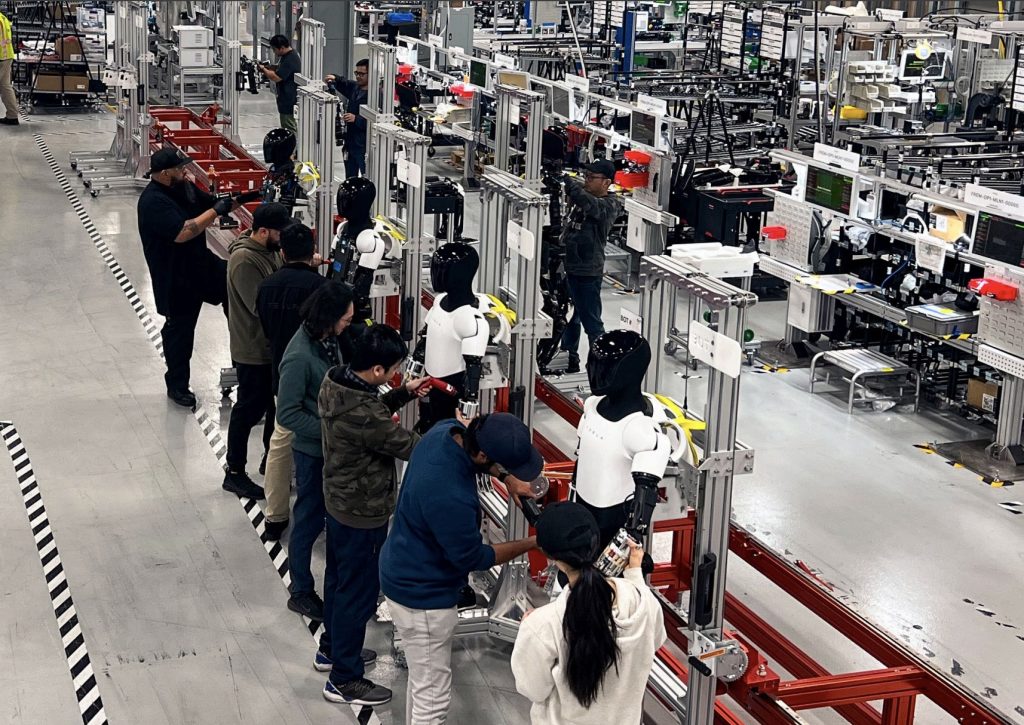
The project is projected to produce 100–200 billion AI and memory chips annually, targeting 100,000 wafer starts per month, at an estimated cost of $20 billion. Tesla is targeting 2-nanometre process technology and anticipated to be the most advanced node currently in commercial production. Dubbed the Tesla AI5 chip, the chip will pack 40x–50x more compute performance and 9x more memory than AI4, and will be among the first products Terafab factory is set to produce. This highly optimized, and massively powerful inference chip is designed to make full self-driving (FSD) and Tesla’s Optimus robots faster, safer, and with full autonomy.

(Credit: Tesla)
This is where Terafab becomes a genuine game-changer. If Tesla successfully builds a 2nm chip fab at scale, it becomes one of only a handful of entities that’s capable of producing AI silicon in-house, with competitive implications that extend far beyond Tesla’s own vehicles, and potentially positioning Tesla as a chip supplier or licensor to other industries.

Credit: @serobinsonjr/X
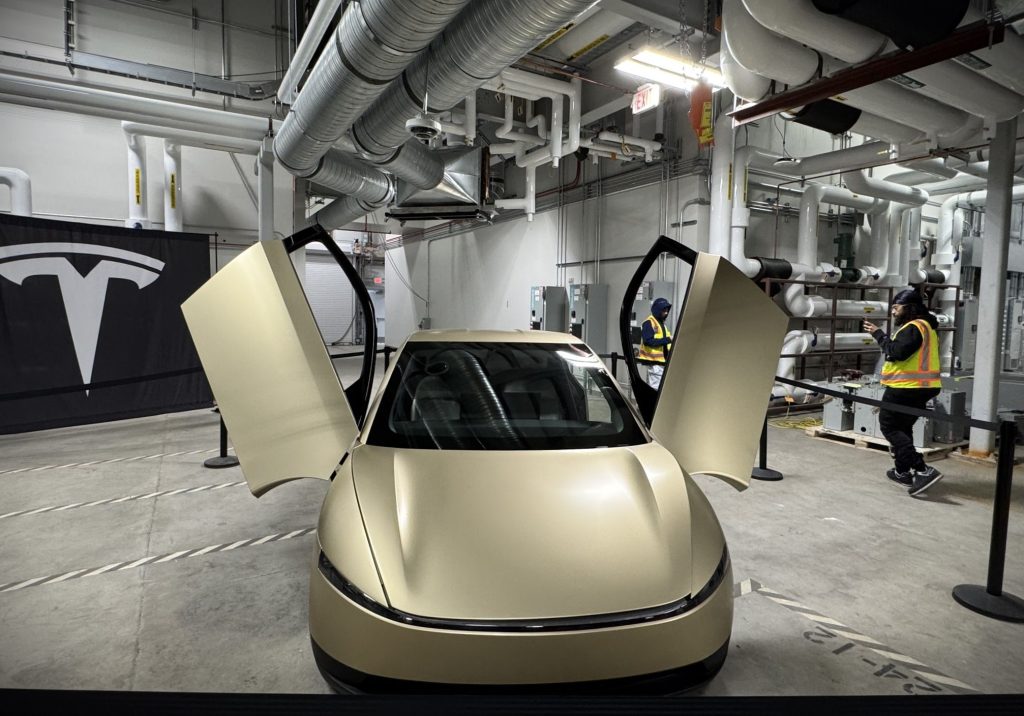
The next-gen Tesla AI chips will power advancements in Full Self-Driving software, the Cybercab Robotaxi program, and the Optimus humanoid robot line. Musk’s projections for Optimus require chip volumes that no existing external supplier can commit to on Tesla’s timeline.Competitors like Waymo and GM’s Cruise remain dependent on third-party silicon, leaving them exposed to the same supply chain vulnerabilities Tesla is now working to eliminate entirely.
The Terafab launch this week may not mean a factory opens its doors overnight, but it signals Tesla is serious about owning the entire AI stack, from software to silicon.
The post Tesla Terafab set for launch: Inside the $20B AI chip factory that will reshape the auto industry appeared first on TESLARATI.