


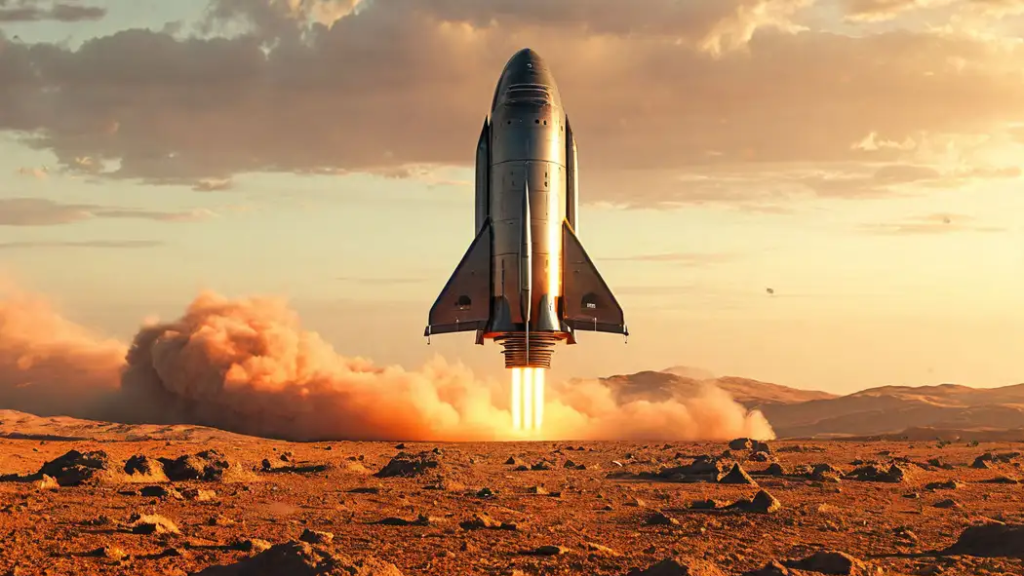
The ride ahead for SpaceX is not for the faint of heart. As the company tears down part of its launch infrastructure at Starbase, Texas to pave the way for the next generation of spacecraft, we’re witnessing a deep-level transformation—not just of rockets, but of spaceflight itself. What may look like demolition is actually re-engineering the future.
In this post, we’ll dig into what’s going on: why SpaceX is tearing apart a launch pad, how that ties into the wild development of the Starship V3 system (including its massive booster and upper ship stage), what the year 2025 taught them, and why 2026 promises to be action-packed. Let’s strap in.
Why the Launch-Pad Demolition?


A Massive Upgrade at Starbase
At Starbase, SpaceX is actively demolishing and re-configuring major parts of its launch pad infrastructure. For example:
- The pad known as “Pad 1” (Orbital Launch Pad-1) is undergoing demolition of its external piping, protective berms, and supporting tank-farm components. NASASpaceFlight.com+2Wikipedia+2
- Older auxiliary structures have been removed or re-purposed to make way for a next-gen pad design, with features such as a flame trench, upgraded deluge system, and enhanced support for the bigger rockets ahead. NASASpaceFlight.com+2Digital Trends+2
Why Go Through the Pain?
It may sound counter-intuitive to demolish something that works, but there are good engineering and strategic reasons:
- The original pad design lacked a proper flame/trench deflector system. For example, on the first fully stacked flight of Starship, the 33-engine Super Heavy booster essentially blasted a crater beneath the pad. Scientific American+1
- SpaceX’s mission is scaling—more launches, bigger rockets, faster reuse, deeper spaceflight. The current infrastructure was built for earlier-stage rockets; the next-gen vehicles (like V3) demand much more robust infrastructure.
- Upgrading now means that when the new vehicle variant arrives (Starship V3), the launch site will be ready. Better to redesign the foundation rather than try to patch the old one.
Demolition = Re-building for the Future
In effect, the demolition activity signals that SpaceX is entering a different phase of operations: from experimentation and iterative testing (with older pads) into a high-cadence, big-scale operational era. The fact they’re taking the pad offline for upgrades means they believe the next rocket build must be matched by next-level infrastructure.
Meet Starship V3: The Next Giant Leap

What Is Starship V3?
SpaceX’s system for the future revolves around two key parts:
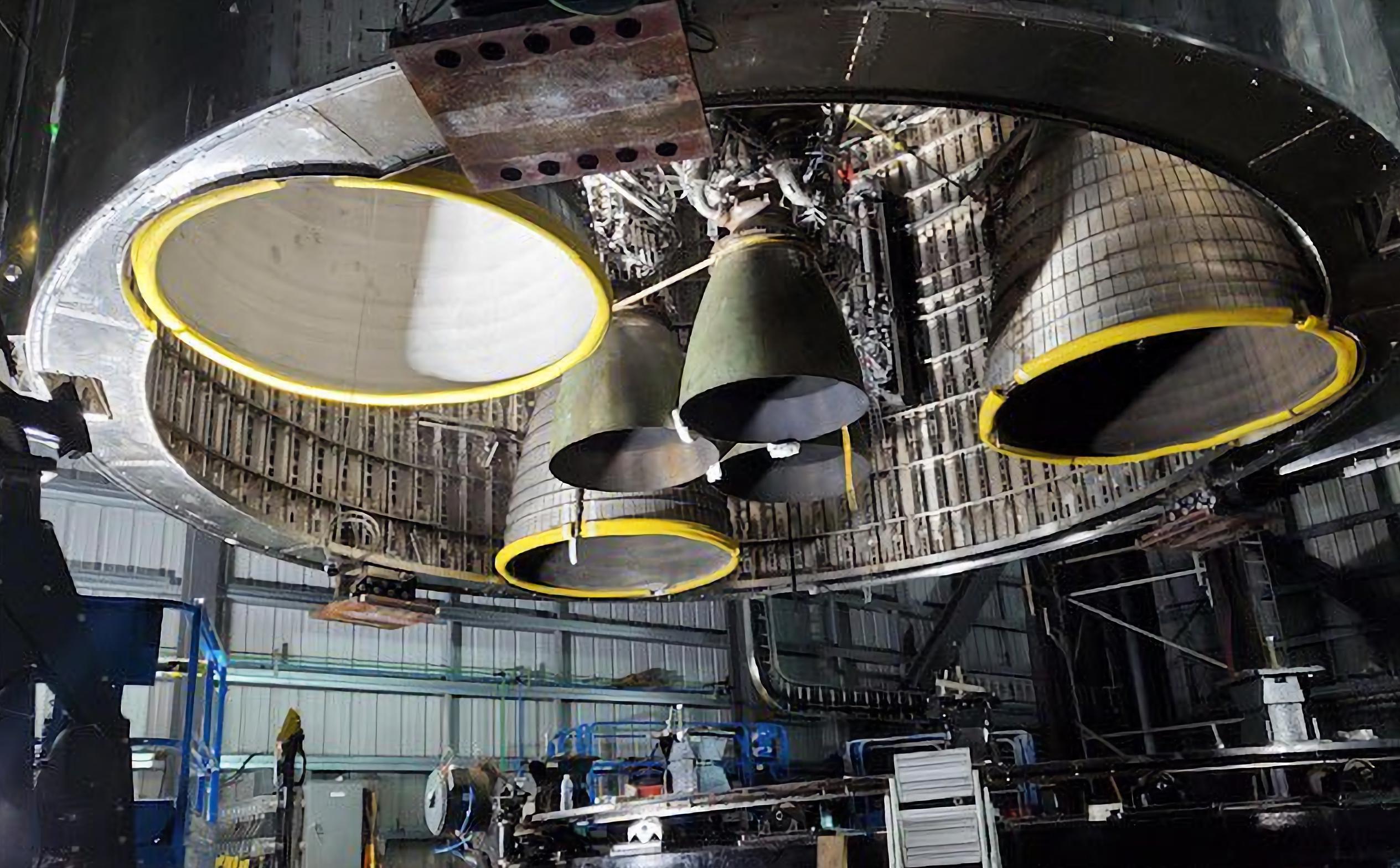
- The first stage: the enormous booster stage called Super Heavy. It sits at the bottom and is what gets the vehicle off the ground. Its standout feature: 33 rocket engines fueled by liquid methane, generating more than twice the thrust of the historic NASA Saturn V booster.
- The upper stage: the actual “Starship” itself. When most people say “Starship”, they typically mean this part. It has six engines—but three of those have much larger nozzles, optimized for vacuum operation in space. This ship is designed to carry 150 metric tons of payload into Earth orbit—which in context is roughly equivalent to the orbital capacity of 7 to 12 Falcon 9 rockets.
What Can It Do?
- After reaching orbit the Starship upper stage has two main options:
- Re-entry and landing: It can use its heat shield, deploy wing flaps at nose and tail to steer through the atmosphere and land back via giant robotic tower catch arms.
- Docking & onward flight: Alternatively it can dock with another Starship in orbit (acting as fuel depot), refuel, and then fly deeper into space—to the Moon, Mars or beyond.
Why V3 Matters
This isn’t just an incremental upgrade. Starship V3 represents the last major evolution of the system for a while—once it’s in place, SpaceX intends to ramp up usage rather than major redesigns. The infrastructure demolition at Starbase is thus closely aligned with preparing for V3.
What 2025 Taught SpaceX (And Why They Need 2026)

The Year of Hard Lessons
2025 has been a rough ride, but intentionally so. SpaceX has followed a “fail-fast, learn-fast” doctrine: testing extreme systems, witnessing explosions, analyzing failures, redesigning, repeating. Some key examples:
- In a static‐fire test at Starbase, one of the Starship vehicles exploded after a tank of pressurized gas in the nose cone burst, destroying the vehicle on the ground before even flight. Moneycontrol+1
- Earlier full-flight tests saw engine failures, fuel leaks, loss of control because of tank pressure issues, and rotational instability in flight. Through each failure, SpaceX collected data, instituted design changes.
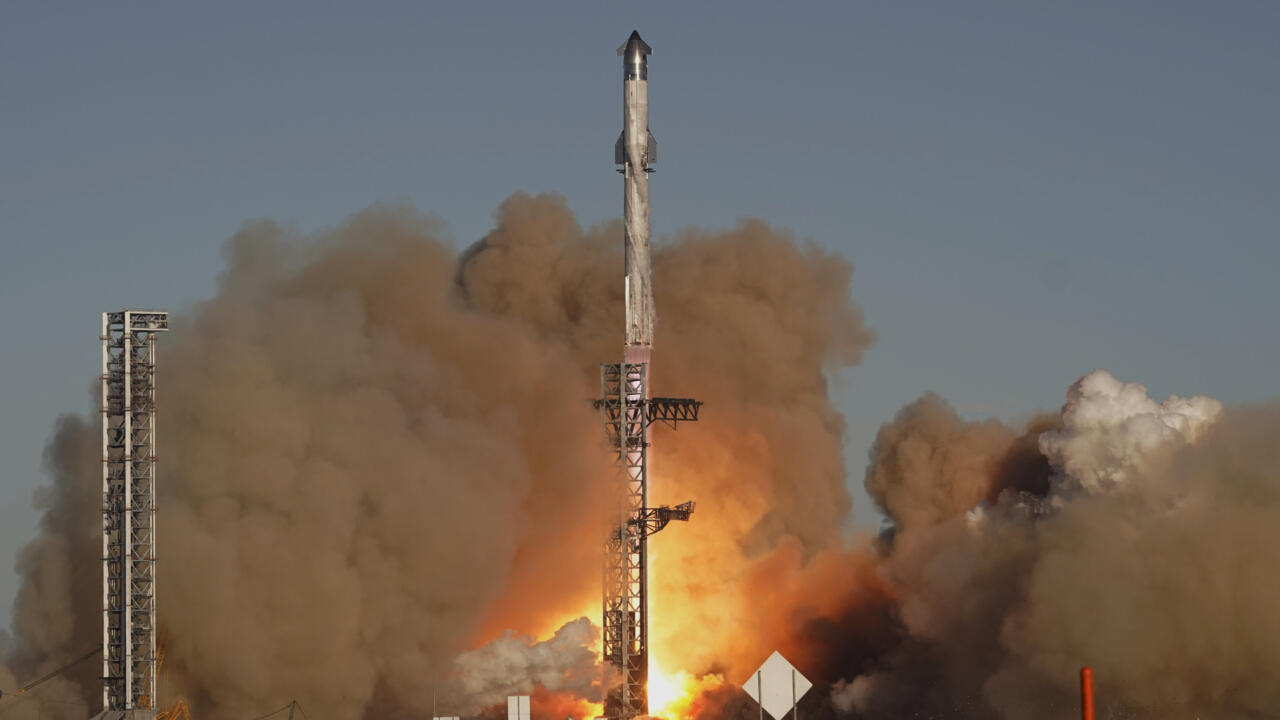
- On the pad side: The initial flight of Starship in April 2023 (pre-V3) caused major damage to the pad—crater beneath the braces, chunks of concrete and sand flying miles away. Scientific American+2Space+2
Why “Learning the Hard Way” Is Working
Because you can’t simulate all the real-world stresses of launching the largest rocket ever built. Real tests—static fires, full stack launches, re-entries—expose unanticipated failure modes (tank pressures, harmonics, engine cross-coupling, control authority, environment interaction). Each “explosion” is not just a catastrophe—it’s a test data point. For example:
“The force of the engines … may have shattered the concrete, rather than simply eroding it.” Scientific American
The visible failures are often the most instructive.
What They Will Bring into 2026
The iteration during 2025 is positioning SpaceX to treat 2026 as the year of action. Some of the big goals:
- Aiming to perform a robot-tower catch of the Starship upper stage after re-entry—that’s where the ship returns from orbit and is caught by robotic arms on the launch tower, rather than using landing legs.
- Orbital refueling in space: Launching a Starship that docks with another to transfer propellant—this has never been attempted at this scale.
- Sending Starship toward the Moon or Mars: While ambitious, the foundation (tower catch + docking/refuel) must work before deep-space missions.
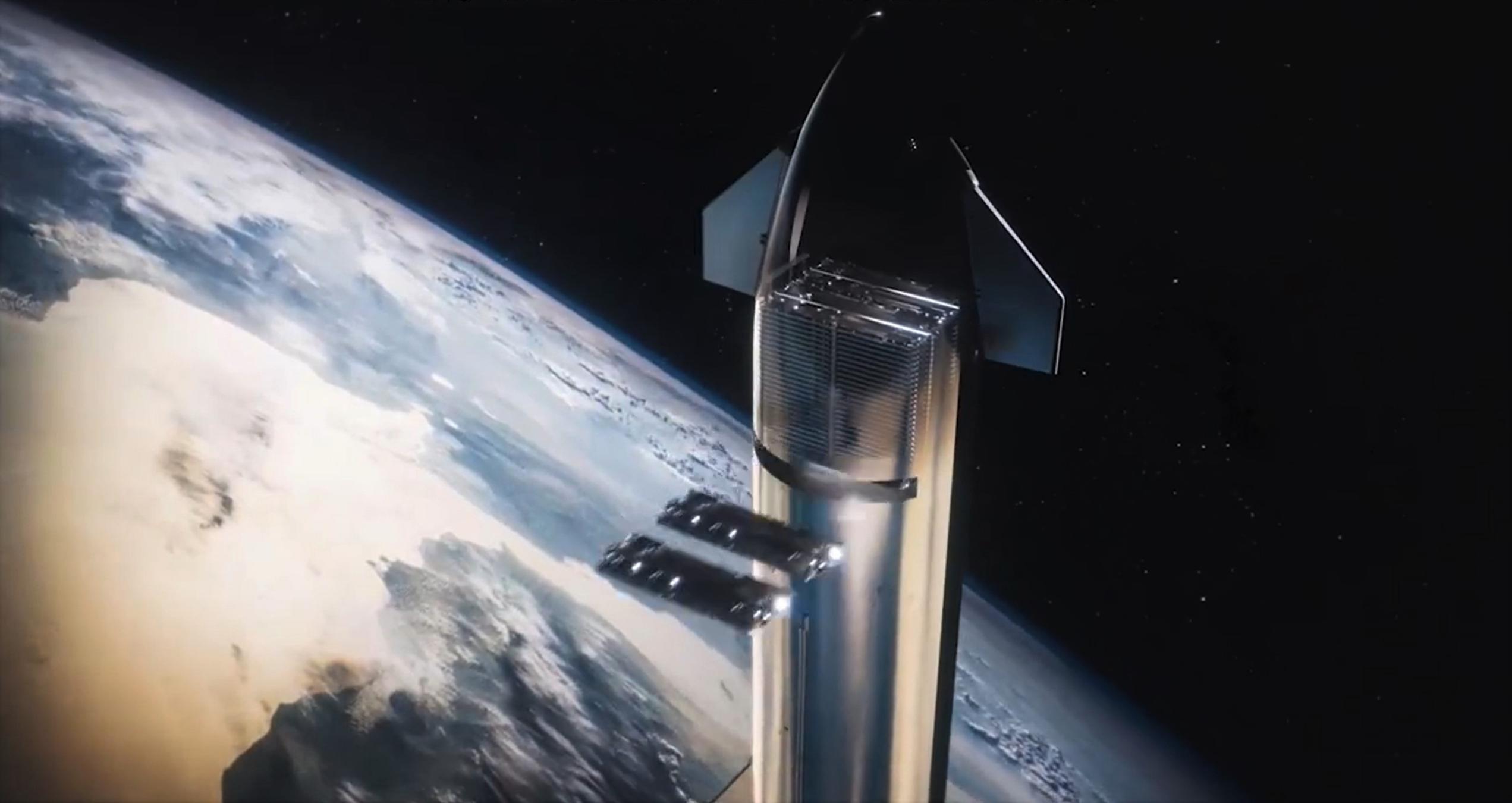
- Deploying real payloads with Starship: For instance, using the ship to eject advanced satellites (e.g., next-gen Starlink hardware) into orbit from the vehicle itself, thus generating revenue while testing the system in real operational mode.
2026: The Year of Action – What to Expect


Key Milestones to Watch
- Tower Catch for the Upper Stage
We’ve seen the booster stage of Starship caught by the giant “Mechazilla” tower and robotic arms. But catching the upper stage (after orbital flight, re-entry, wings + flaps) is a whole new game. Achieving that indicates full reusability of the ship, not just the booster. - Orbital Refueling & Depot Capability
A second Starship launches, serves as a fuel depot. The first docks, transfers methane/LOX, then boosts further. This is fundamental for leaving Earth orbit and going deeper. Without this, Moon or Mars missions become extremely expensive or impossible. - Real Payload Deployment from Starship
Deploying real satellites (e.g., Starlink V3) from Starship in orbit demonstrates operational value—not just testing flight but value-added missions. This also helps fund the system via commercial revenue. - Mars or Lunar Pathfinding Mission
While full crewed Mars missions may come later, 2026 may see Starship head toward the Moon or Mars—probably uncrewed—to practice landing, reentry, surface operations.
Why All of This Matters
- Cost: Reusability + refueling = dramatic reduction in cost per kg to orbit or beyond.
- Scale: The 150 metric ton payload potential of Starship means far more capability than current rockets.
- Ambition: If Starship works at full potential, then Moon bases, Mars settlement, even commercial interplanetary missions become realistic.
- Revenue-stream: The ability to deploy large payloads (e.g., Starlink satellites) means Starship doesn’t just serve exploration—it becomes an engine of business, funding further growth.

Challenges & Risks on the Road Ahead
Technical Risks
- Tanks, engines, controls: Many previous failures stemmed from tank pressure issues, engine leaks, engine shutdowns. SpaceX needs to demonstrate consistent reliability.
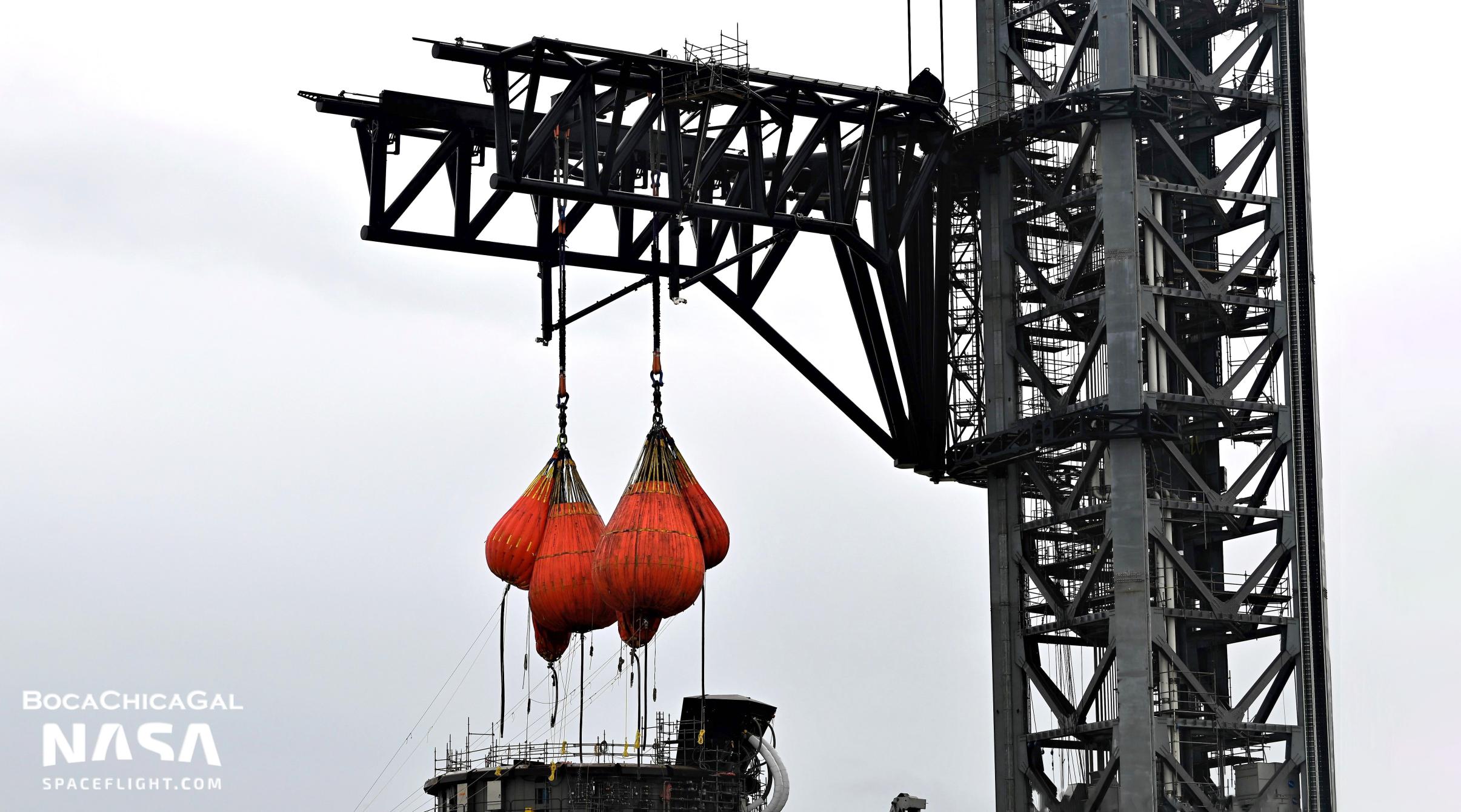
- Infrastructure readiness: The upgrades at Starbase need to hold up under the next-gen launches. If the pad fails under Super Heavy thrust, delays will result.
- Refueling complexity: Docking large vessels in orbit and transferring cryogenic propellant is unproven at this scale.
Operational & Financial Risks
- Building these rockets, launching them, and reusing them is expensive. The bigger the system, the greater the cost—and failures entail setbacks.
- While Starlink revenue helps fund development, waiting too long for operational Starship value may stress the business model.
- Regulatory/environmental pressure: Past launches damaged the pad and scattered debris, prompting scrutiny.
- For example: “… the surprisingly large amount of debris generated by Starship’s destruction of its launchpad is a cause for concern.” Scientific American
Timeline Risks
- SpaceX has been remarkably ambitious and fast, but even they caution that timelines may slip. If 2026 goals are delayed, expectations may need recalibration.
- Combining many major milestones (tower catch + refueling + payload deployment + deep space pathfinding) in a single year is extraordinarily ambitious.
How This All Ties Together: Business, Infrastructure & Vision
Business Case: Starlink Supporting Starship

- One of SpaceX’s revenue engines is Starlink. As of the past five years, the network has grown to include 7 million users across 150 countries, supporting download speeds >200 Mbps.
- Starship plays a dual role: It deploys Starlink satellites and needs Starlink revenue to fund its development. It’s a virtuous (if risky) circle: build the rocket, deploy the satellites; deploy the satellites, earn revenue to build the rocket.
- In 2026, we should expect Starship to deploy real Starlink payloads—not just test flights—thus beginning the operational era, not just the experimental era.
Infrastructure: Matching Rocket to Pad
- The pad demolition and rebuild at Starbase isn’t just site work—it’s critical enabling infrastructure. A rocket can’t outperform its ground systems.
- Upgrades include: flame trench or diverter structures, upgraded deluge/ water-cooling systems, enhanced support for refueling, improved launch mount, and upgraded propellant tank farm.
- By aligning the pad upgrade schedule with the arrival of Starship V3, SpaceX is synchronising hardware, ground infrastructure and operational flow.
Vision: Beyond Earth Orbit
- While current launches dominate headlines (and business), the real vision is deeper: humanity becoming multiplanetary.
- Starship V3, once proven reusable and capable, opens the door to Moon bases, Mars missions, private space stations, large-scale space manufacturing and more.
- The groundwork laid in 2025 (via many tests and failures) and 2026 (via major milestones) will determine whether that vision accelerates or stalls.
What to Keep Your Eyes On in 2026
- Flight logs: Does Starship V3 launch, separate properly, re-enter, land successfully (tower catch)?
- Refueling demonstration: Launch of two Starships—one as depot, one as “main ship”—docking and transferring propellant in orbit.
- Payload missions: Real commercial launches from Starship (e.g., Starlink batches, large satellites) rather than purely test vehicles.
- Deep-space pathfinding: A Starship mission toward Moon or Mars (even without crew) to test entry, descent, landing, surface operations.
- Infrastructure readiness: Are pad upgrades fully operational? Any incidents of pad damage similar to earlier tests? How quickly can reuse cycles happen?
- Business metrics: Starlink user growth, launch cadence, cost per ton to orbit. Are they getting closer to reusability economics?
Conclusion – Why This Matters
What SpaceX is doing is more than building a bigger rocket—it’s shifting the paradigm of spaceflight. The demolition of parts of the Starbase pad is not destruction for its own sake, but the foundation for a new era. Starship V3 is the tool; the upgraded pad is the enabler. The lessons of 2025—with its explosions, failures and learnings—are the raw material. And 2026 is shaping up to be the year when things happen.
Bold missions. Big payloads. Reuse at scale. Re-fueling in orbit. Missions beyond Earth. If SpaceX pulls this off, we may look back and see 2026 as a turning point in human spaceflight.
That said: caution is warranted. These are high-stakes, high-complexity operations. Failure is still likely—but in this case, even failures move the needle. And for anyone watching the space sector (including you), it means fast-moving developments.
FAQs
1. Why is SpaceX demolishing its Starbase launch pad in Texas?
SpaceX is demolishing and rebuilding major parts of its Starbase launch pad to prepare for Starship V3, the next generation of its Super Heavy rocket. The previous pad design lacked a proper flame trench and deluge system, so the upgrade will make launches safer, cleaner, and capable of handling higher thrust levels.
2. What is Starship V3?
Starship V3 is the latest version of SpaceX’s fully reusable two-stage rocket system, consisting of the Super Heavy booster and the Starship spacecraft. It’s larger, more efficient, and more powerful than any previous version, designed to carry up to 150 metric tons of cargo into orbit.
3. What are the main differences between Starship V2 and V3?
Starship V3 features stronger structural materials, improved Raptor engines, upgraded heat-shield tiles, and a redesigned interior fuel system to reduce vibration and pressure failures that plagued earlier versions. The vehicle is also optimized for orbital refueling and faster reusability.
4. How powerful is the Super Heavy booster?
The Super Heavy stage uses 33 Raptor engines fueled by liquid methane and oxygen, producing over 16 million pounds of thrust—more than twice that of the Saturn V rocket that carried astronauts to the Moon. It’s currently the most powerful flying machine ever built.
5. What happens to the booster after launch?
After propelling Starship out of the atmosphere, the Super Heavy booster performs a flip maneuver and returns to Earth. Instead of landing legs, it’s designed to be caught by robotic “Mechazilla” arms on the launch tower—allowing for rapid reuse.
6. Can Starship V3 really go to Mars?
Yes—but not directly on its first flights. SpaceX plans to perform multiple orbital refueling missions to enable deep-space travel. Once refueled in low Earth orbit, Starship V3 can travel to the Moon, Mars, or other planetary destinations.
7. What is orbital refueling and why is it important?
Orbital refueling means transferring liquid methane and oxygen from one Starship to another while in orbit. It’s essential because Starship burns most of its fuel just reaching orbit. Without refueling, it can’t go beyond low Earth orbit efficiently.
8. What were the main lessons SpaceX learned in 2025?
2025 was a year of testing and failure analysis. SpaceX faced engine explosions, fuel-pressure losses, and structural vibrations, but each incident provided valuable data. Those learnings shaped the Starship V3 redesign and the decision to rebuild the Starbase pad for safety and performance.
9. What is the “tower catch” and how does it work?
The tower catch uses robotic arms attached to the Starbase launch tower—nicknamed Mechazilla—to catch returning rockets mid-air. This replaces landing legs, allowing faster turnaround and reducing weight. The goal is to catch both the booster and eventually the Starship upper stage.
10. When will the first Starship V3 launch happen?
The first Starship V3 launch is expected in early 2026, following completion of the new Starbase infrastructure upgrades. Initial missions will focus on orbital testing, tower-catch recovery, and refueling demonstrations.
11. How does Starship compare to NASA’s Space Launch System (SLS)?
While NASA’s SLS can lift about 95 tons to orbit, Starship V3 is projected to carry 150 tons—and it’s fully reusable, unlike SLS. That makes Starship potentially far more economical for frequent space missions once fully operational.
12. How does SpaceX plan to fund the Starship program?
SpaceX’s main revenue stream for Starship comes from its Starlink internet service, which has over 7 million users in 150 countries. Starlink profits help fund rocket development, while Starship will in turn launch new Starlink satellites—creating a self-sustaining ecosystem.
13. What are the environmental concerns at Starbase?
Earlier Starship launches damaged the surrounding area with debris, dust, and acoustic shockwaves. The new pad upgrades—flame trench, deluge system, and reinforced concrete—aim to reduce environmental impact and comply with updated FAA and EPA standards.
14. Will Starship carry astronauts soon?
SpaceX aims to use Starship for crew missions after multiple successful uncrewed flights. NASA has already selected a modified Starship as the lunar lander for the Artemis III mission, expected later this decade. Human flights will only proceed once safety is validated.
15. What makes 2026 a turning point for SpaceX?
2026 marks the transition from testing to operations. SpaceX will attempt orbital refueling, full tower catches, real Starlink payload deployments, and possibly a Mars pathfinder mission. If successful, these milestones could redefine the economics and possibilities of space travel.
Read More:
- Tesla to offer Full Self-Driving gifting program: here’s how it will work
- Elon Musk maps out Tesla’s AI chip iterations, and they’re pretty nutty
- Tesla and Samsung SDI in talks over new US battery storage deal: report
- Tesla job listings hint at 24/7 Robotaxi operations in several states
- Elon Musk subtly confirms one of Tesla AI8’s uses, and it’s literally out of this world