
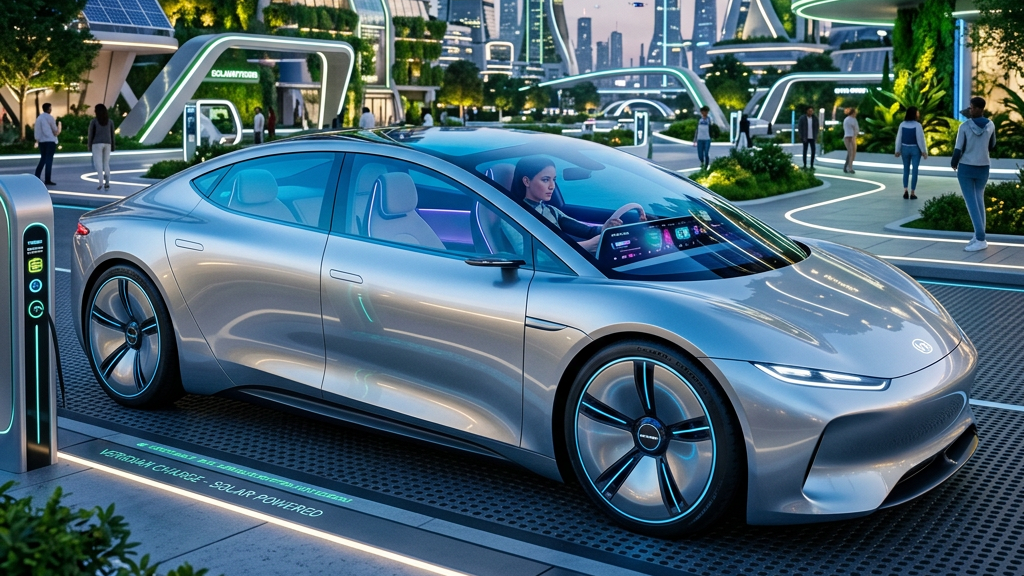
NEW TESLA MODEL 2 IS REAL! The Cyber Cab Trick That Could Destroy BYD, Ford & GM in 2026: For years, the Tesla Model 2 has been one of the most talked-about vehicles in the electric car industry. Tesla enthusiasts have been waiting for an affordable EV that could bring the company’s technology to a much larger global audience. Now, a closer look at Tesla’s latest strategy suggests that the Model 2 may already have a foundation—and it could be hiding in plain sight behind the Tesla CyberCab.
Rather than developing two completely separate vehicles, Tesla appears to be pursuing a strategy based on platform sharing, artificial intelligence, lightweight engineering, and revolutionary manufacturing. If this approach works as intended, it could dramatically reduce the cost of producing affordable electric vehicles and put significant pressure on competitors such as BYD, Ford, and General Motors.
One Platform, Two Very Different Tesla Vehicles
The most interesting part of Tesla’s strategy is the possibility of using one vehicle architecture for two completely different purposes.
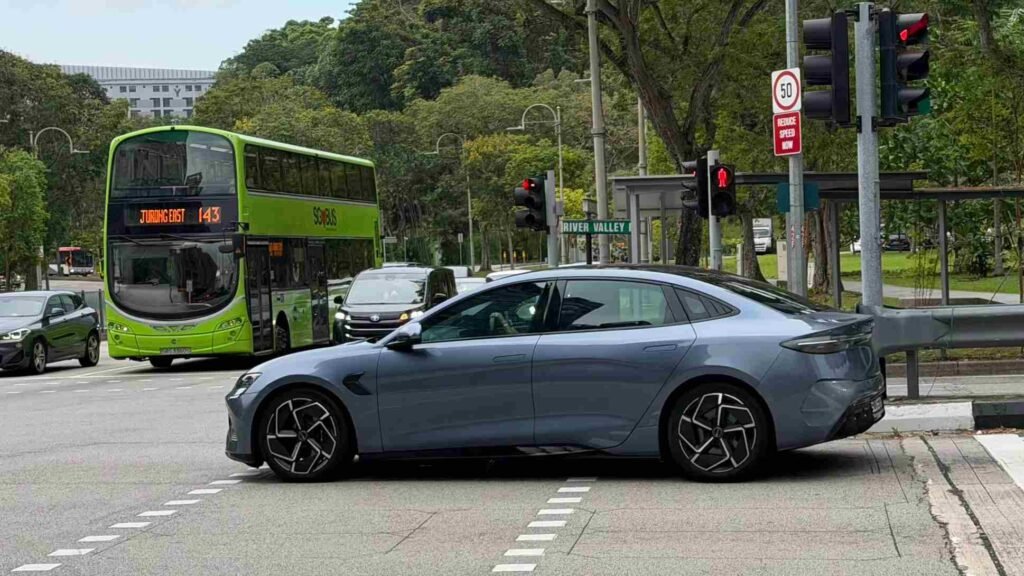
Think of a vehicle platform as the foundation of a house. The foundation, structural supports, and basic layout can remain the same while the exterior and interior are changed to create completely different homes.
Tesla could use the same principle for the Cyber Cab and Model 2.
Cyber Cab: The Autonomous Robotaxi
The Tesla Cyber Cab is designed around autonomous transportation. Unlike conventional vehicles, its concept eliminates traditional driver controls such as a steering wheel and pedals.
Its primary purpose is to operate as a fully autonomous robotaxi, transporting passengers without requiring a human driver.
Model 2: The Affordable Consumer EV
The potential Tesla Model 2, meanwhile, could use much of the same underlying architecture while bringing back conventional driving controls.
That means the two vehicles could potentially share major components such as the chassis, structural frame, suspension, battery architecture, and computing hardware.
This strategy could dramatically reduce development costs because Tesla would not need to engineer two completely independent vehicle platforms.
Lower R&D Costs Could Mean a Lower Price
Traditional automakers can spend billions of dollars developing a new vehicle platform, including engineering, tooling, testing, crash certification, and manufacturing infrastructure.
If Tesla can develop one platform and use it across multiple vehicles, those costs can be distributed across a much larger production volume.
That could become one of the biggest advantages behind a genuinely affordable Tesla EV.
The AI4 Computer Could Give the Model 2 a Bigger Advantage
The hardware inside the vehicle could be just as important as the platform itself.
At the center of Tesla’s autonomous driving strategy is its AI computing hardware, designed to process camera data, understand the surrounding environment, and support real-time driving decisions.
If affordable Tesla vehicles are equipped with advanced autonomous-driving hardware from the factory, the Model 2 could become more than just a cheap electric car.
Turning a Personal Car Into an Autonomous Asset
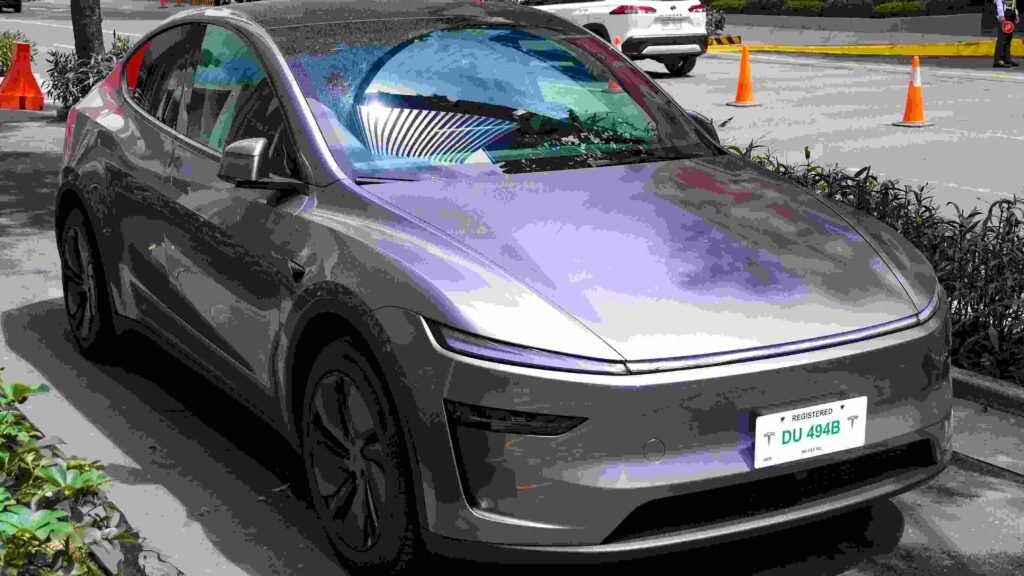
Imagine leaving your vehicle at home while you are at work. In Tesla’s long-term autonomous-driving vision, that car could potentially operate as part of a robotaxi network instead of remaining parked.
The concept creates an intriguing possibility: a personal vehicle could potentially generate revenue when its owner is not using it.
This could change how consumers think about vehicle ownership.
Instead of viewing an EV purely as a depreciating expense, owners could eventually see it as a technology platform capable of providing transportation services.
Of course, this depends heavily on autonomous-driving capability, regulatory approval, insurance rules, and the availability of Tesla’s robotaxi network. The economic potential is significant, but the full vision has not yet been realized everywhere.
Tesla’s Unboxed Manufacturing Strategy Could Cut Production Costs
Building an affordable EV requires more than an inexpensive battery. Tesla also needs to manufacture the vehicle efficiently.
This is where Tesla’s “Unboxed” manufacturing approach becomes important.
Traditional automotive production generally moves a vehicle through a long sequence of manufacturing stages. Different components are added step by step until the finished vehicle emerges at the end of the line.
Tesla’s proposed approach is much more modular.
Parallel Manufacturing Instead of One Long Assembly Line
With the Unboxed process, different sections of the vehicle can potentially be manufactured simultaneously.
Front and rear sections, the floor structure, battery system, and other modules can be produced separately before being brought together during the final stages.
This could reduce factory complexity while improving production efficiency.
Tesla has discussed the possibility of significantly reducing assembly time and factory footprint through this manufacturing philosophy.
Gigacasting Could Simplify the Vehicle Structure
Another major piece of Tesla’s manufacturing strategy is Gigacasting, which uses enormous high-pressure casting machines to create large structural components as single pieces.
Instead of manufacturing hundreds of smaller metal components and joining them with numerous welds and fasteners, large sections can be cast as fewer, larger components.
The result could be:
- Fewer individual parts
- Less welding
- Simpler assembly
- Lower manufacturing complexity
- Potentially lower production costs
For a vehicle targeting the mass market, every manufacturing efficiency matters.
Smaller Battery, Lower Weight and Better Range
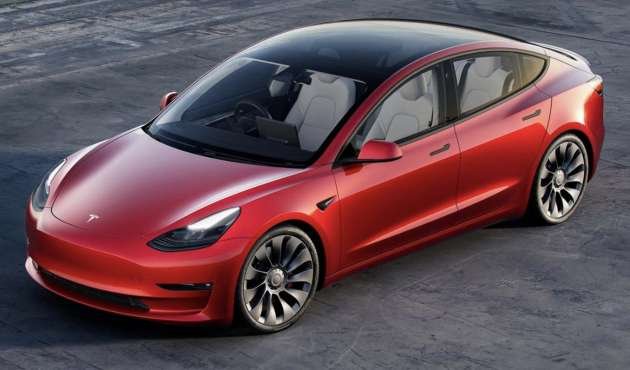
One of the most compelling ideas behind the potential Model 2 architecture is efficiency rather than simply adding battery capacity.
Many electric vehicles achieve longer range by installing larger battery packs. However, bigger batteries add weight and cost.
Tesla could instead focus on creating a lighter and more efficient vehicle.
Why Vehicle Weight Matters
A lighter EV requires less energy to move. That means the manufacturer may not need an enormous battery to achieve competitive driving range.
The proposed architecture has been associated with battery capacity in the 45–50 kWh range, while targeting potentially impressive range figures under ideal conditions.
If Tesla can deliver strong efficiency with a relatively small battery, it could lower one of the most expensive components of the vehicle.
That could be critical for producing a genuinely low-cost electric car without sacrificing usable range.
Could the Model 2 Disrupt BYD, Ford and GM?
The biggest question is what happens if Tesla successfully combines all these technologies into one affordable vehicle platform.
BYD has established itself as a major force in affordable EVs, particularly through its battery technology and aggressive pricing strategy.
Meanwhile, Ford and GM are attempting to compete in the growing EV market while dealing with established manufacturing systems, supply chains, and other costs associated with legacy automotive operations.
Tesla’s potential advantage is that it is building its affordable-EV strategy around a combination of software, AI hardware, manufacturing innovation, platform sharing, and battery efficiency.
The Cyber Cab Could Be the Testing Ground
The Cyber Cab may therefore represent more than a robotaxi.
It could serve as a real-world demonstration platform for technologies that eventually make their way into a conventional affordable Tesla.
Once the architecture, manufacturing processes, and supply chain are established at scale, adding conventional driver controls could provide Tesla with a relatively streamlined route toward a mass-market Model 2.
What Could the Tesla Model 2 Mean for the EV Market?
If Tesla can successfully manufacture a competitive EV at a significantly lower price, the consequences could be enormous.
A more affordable Tesla could expand the company’s customer base while increasing pressure on automakers worldwide to reduce EV prices.
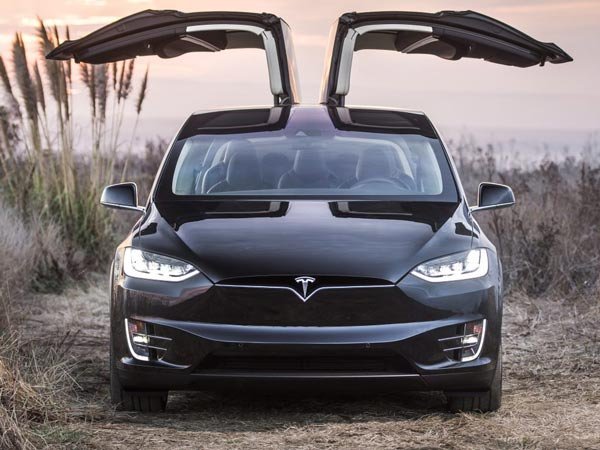
The combination of shared platforms, AI hardware, lightweight construction, smaller batteries, Gigacasting, and Unboxed manufacturing represents a fundamentally different approach to vehicle production.
The Model 2 has been surrounded by speculation for years, but the technology behind Tesla’s latest vehicles makes the idea increasingly interesting.
The real story may not simply be whether Tesla produces a car called the Model 2.
The bigger story is whether Tesla can use the Cyber Cab architecture as the foundation for a new generation of affordable electric vehicles.
If it succeeds, Tesla could enter a completely different level of the global EV market—and competitors such as BYD, Ford, and GM may be forced to respond much faster than expected.
FAQs
1. Is the Tesla Model 2 real?
The Tesla Model 2 has been widely discussed as a future affordable Tesla, but Tesla has not officially confirmed all of the production details described in this concept. The potential connection to the Cyber Cab platform has fueled speculation about how Tesla could build a lower-cost EV.
2. What is the Tesla Model 2?
The Tesla Model 2 is generally described as a smaller, more affordable electric vehicle that could sit below the Model 3 in Tesla’s lineup. Its goal would be to make Tesla ownership accessible to a much larger global audience.
3. Will the Tesla Model 2 share technology with the Cyber Cab?
The proposed strategy suggests that the Model 2 could share major elements of the Cyber Cab architecture, including structural components, suspension technology, battery systems, and computing hardware.
4. What is the Tesla Cyber Cab?
The Tesla Cyber Cab is Tesla’s purpose-built autonomous vehicle concept designed primarily for robotaxi services. Its design focuses on autonomous transportation rather than conventional driver-controlled operation.
5. Will the Tesla Model 2 have a steering wheel and pedals?
Unlike the Cyber Cab concept, a conventional consumer version of the Model 2 would be expected to have traditional driving controls, including a steering wheel and accelerator and brake pedals, if it is produced as a normal passenger vehicle.
6. Could the Tesla Model 2 become a robotaxi?
Potentially. If Tesla equips the vehicle with the necessary autonomous-driving hardware and software, a future Model 2 could potentially participate in a robotaxi network, subject to regulatory approval and technical capability.
7. What is Tesla AI4 hardware?
AI4 refers to Tesla’s newer generation of onboard computing hardware designed to process data needed for advanced driver-assistance and autonomous-driving functions. Its inclusion in future vehicles could provide substantial computing capability.
8. Could a Tesla Model 2 make money for its owner?
In Tesla’s broader autonomous-vehicle vision, a privately owned vehicle could potentially provide robotaxi services when its owner is not using it. However, this depends on Tesla’s software, regulations, insurance requirements, and the availability of an operational robotaxi network.
9. What is Tesla’s Unboxed manufacturing process?
The Unboxed manufacturing process is Tesla’s proposed approach to vehicle production that emphasizes assembling different vehicle sections in parallel and combining them later. The objective is to make manufacturing faster, simpler, and more space-efficient.
10. What is Gigacasting?
Gigacasting uses extremely large casting machines to manufacture major structural sections as large, integrated pieces. This can reduce the number of individual parts, welds, and assembly steps required to build a vehicle.
11. Could the Model 2 have a smaller battery?
Yes, the proposed strategy emphasizes weight reduction and efficiency rather than relying exclusively on a huge battery pack. A lighter vehicle could potentially achieve competitive range with a smaller battery.
12. How much range could the Tesla Model 2 have?
Some projections surrounding the proposed architecture suggest a potential target of 300 miles or more, depending on battery capacity, vehicle weight, aerodynamics, and driving conditions. Actual range would depend on the final production specifications.
13. Will the Tesla Model 2 cost less than the Model 3?
The Model 2 is expected to target a lower price point than the Model 3 if it reaches production. However, Tesla has not established a final official retail price for a vehicle matching these expectations.
14. Could the Model 2 compete with BYD, Ford and GM?
A successful affordable Tesla could create significant competition for BYD, Ford, General Motors, and other EV manufacturers. Tesla’s combination of manufacturing efficiency, software, battery technology, and vehicle-platform sharing could help it compete aggressively on price.
15. When will the Tesla Model 2 launch?
There is no definitive official launch date for a Tesla vehicle officially confirmed as the Model 2 based on the specifications described here. The Cyber Cab and Tesla’s next-generation manufacturing strategy may provide clues about the company’s future affordable-EV plans, but buyers should wait for official Tesla announcements for confirmed timing and specifications.
Read More:
- Tesla hints its already prepping for Cybercab fleet orders
- Tesla set to open Cybercab rides to the public, with no steering wheel or pedals
- Tesla Cybertruck targets job site crews with new Tailgate Utility Track and Bed Gear Box accessory
- Tesla Cybercab is coming to Asia this month as US service officially begins
- Tesla Cybercab launch catches NHTSA’s attention who wants to know more
1 thought on “NEW TESLA MODEL 2 IS REAL! The Cyber Cab Trick That Could Destroy BYD, Ford & GM in 2026”