
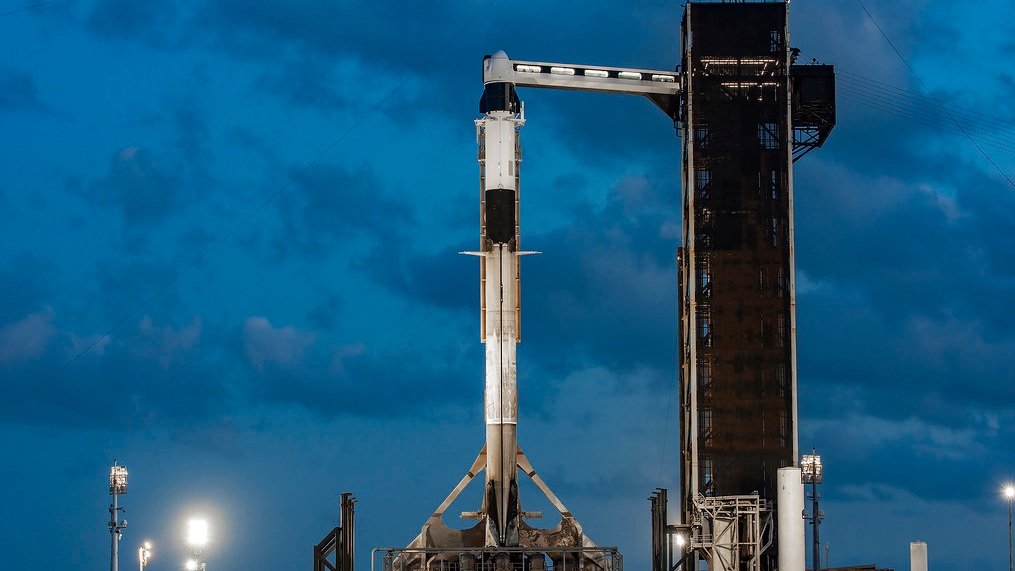
SpaceX Falcon 9’s Retirement Begins Totally Shocked the Industry, Why? Can Starship Replace?: For more than a decade, SpaceX Falcon 9 has been the workhorse of modern spaceflight. The rocket transformed the global launch industry by proving that reusable rockets could dramatically reduce launch costs while increasing flight frequency.
From commercial satellites and Starlink missions to NASA crewed flights and national security payloads, Falcon 9 became one of the most reliable launch vehicles ever developed.
But the aerospace industry is entering another major transition. SpaceX is beginning a phased winding down of the Falcon 9 program, redirecting engineering talent, manufacturing resources, launch infrastructure, and capital toward its next-generation vehicle: Starship.
The shift raises an important question: Can Starship really replace Falcon 9?
Why Is SpaceX Moving Away From Falcon 9?
The decision is less about Falcon 9 failing and more about SpaceX changing its long-term priorities.
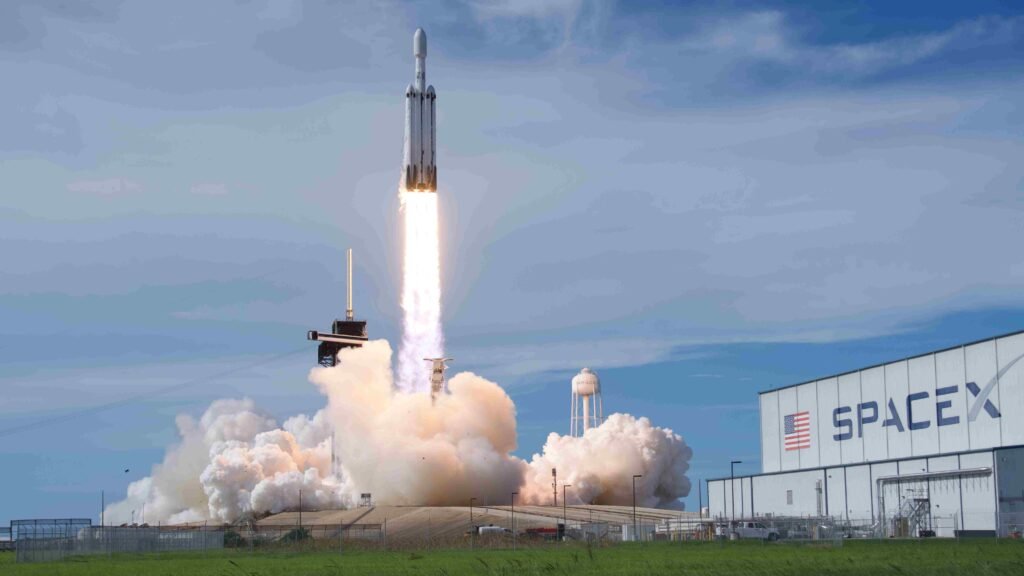
Falcon 9 has already achieved many of its original objectives. Its reusable first-stage booster system demonstrated that rockets do not necessarily have to be discarded after every launch. Some Falcon 9 boosters have completed dozens of flights, providing SpaceX with valuable real-world evidence about the economics and engineering of reusability.
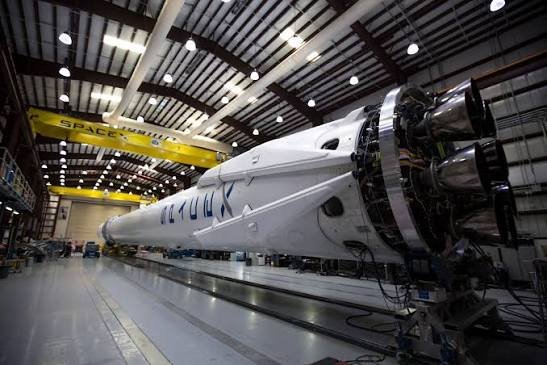
However, Falcon 9 remains only partially reusable. While its first stage and payload fairings can be recovered, the second stage is still expended after each mission.
Starship is designed around a much more ambitious concept: full reusability of the entire launch system.
According to the strategy outlined by SpaceX leadership, once Starship reaches a high level of reliability and can support a rapid launch cadence, maintaining the same level of engineering and financial investment in Falcon 9 would become increasingly inefficient.
The ultimate objective is not simply to launch more rockets. It is to create a transportation system capable of supporting multiple launches per day.
SpaceX’s Resource Reallocation Strategy
The transition can be understood through two parallel objectives:
- Falcon 9 phase-down: Gradually reduce dependence on the existing launch system, retire or repurpose older infrastructure, and limit future commercial commitments.
- Starship scaling: Concentrate resources on full reusability, rapid turnaround, and significantly greater payload capacity.
This makes the Falcon 9 retirement less of an ending and more of a strategic handoff between two generations of SpaceX technology.
Falcon 9 Launch Growth May Be Reaching a Plateau
Falcon 9 has maintained an extraordinary launch cadence. The rocket reportedly completed 165 launches in 2025, while it reached its 100th launch of 2026 by late August.
Yet the pace of year-over-year growth appears to be stabilizing.
Projections discussed in the source material place Falcon 9’s 2026 total at approximately 140–155 launches, potentially marking the first significant pause in its uninterrupted annual growth since 2019.
That does not mean Falcon 9 has suddenly become obsolete.
Instead, it suggests that SpaceX may have reached a point where increasing Falcon 9’s launch numbers indefinitely is no longer the primary goal. The company’s bigger ambition is to develop a system capable of delivering far greater payloads at dramatically higher frequencies.
Infrastructure Changes Signal the Falcon 9 Transition
The gradual shift away from Falcon 9 is also becoming visible in SpaceX’s launch infrastructure.
One important development involved Landing Zone 1 (LZ-1). In August 2025, SpaceX reportedly completed its final Falcon 9 booster recovery at the site, with future recovery activity increasingly consolidated around other infrastructure.
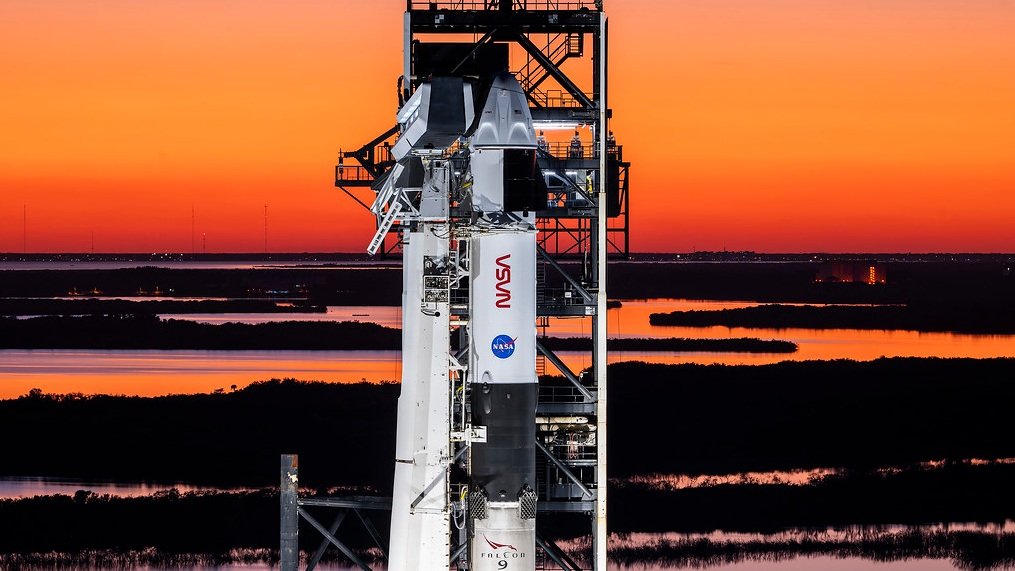
Another major milestone came at Launch Complex 39A (LC-39A). After its final Falcon 9 mission in December 2025, the historic launch complex entered a new phase of development, with SpaceX preparing it for future operations involving Starship and Falcon Heavy.
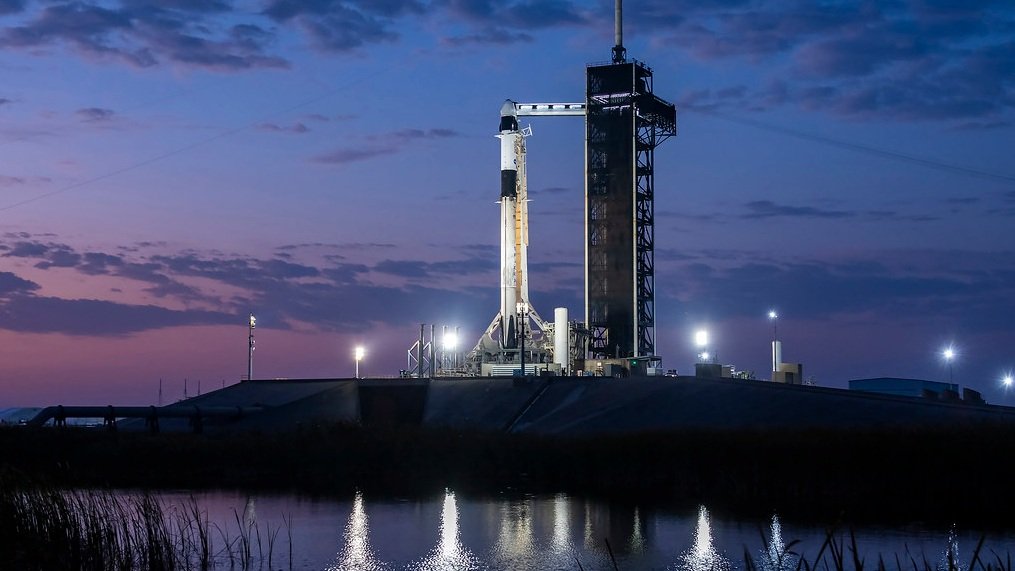
Changes also extended to crew infrastructure. The crew access arm at LC-39A was dismantled in February 2026 as Dragon crew operations shifted toward Space Launch Complex 40 (SLC-40).
Meanwhile, the autonomous drone ship Just Read the Instructions (JRTI) reportedly completed its final Falcon 9 booster recovery before entering dry dock for modifications associated with Starship operations.
These developments demonstrate that the transition is not merely theoretical. SpaceX is gradually reshaping its physical infrastructure around its next-generation launch strategy.
Falcon 9 Leaves Behind an Extraordinary Flight Record
Even if Falcon 9’s retirement accelerates, its historical significance will be difficult to match.
The rocket has accumulated more than 680 missions, making it one of the most frequently flown orbital rocket families in modern history. It also achieved more than 100 annual launches across multiple years, something previously considered extremely difficult for an orbital launch system.
Perhaps the most impressive achievement is booster reuse.
Falcon 9 booster B1067 reportedly reached 37 flights, while multiple other boosters have surpassed 30 missions. These milestones demonstrate that reusable launch hardware can survive repeated high-energy operations when supported by appropriate inspection, refurbishment, and operational procedures.
Why Falcon 9 Changed the Space Industry
Falcon 9’s impact goes beyond the number of launches.
SpaceX routinely recovers first-stage boosters and payload fairings, reducing the amount of hardware that must be manufactured for every mission. This helped establish a new economic model for orbital launch.
The most important lesson from Falcon 9 may therefore be that reusability is not merely technically possible—it can become an operational strategy.
Starship is designed to take that idea much further.
Can Starship Replace Falcon 9?
This is the biggest question surrounding SpaceX’s transition.
Falcon 9 can deliver approximately 22.8 metric tons to Low Earth Orbit (LEO) in expendable configuration, while future Starship variants are being designed with dramatically higher payload ambitions.
The next-generation Starship system is expected to target 100–200 metric tons to LEO, depending on the vehicle configuration and mission profile.
That difference could fundamentally change what is possible in space.
Full Reusability
Unlike Falcon 9, Starship is designed to recover both major stages of its launch system.
Its Super Heavy booster and Starship upper stage are intended to return to Earth rather than being discarded after a single mission.
The system also incorporates tower-based recovery concepts commonly associated with Mechazilla, designed to support rapid turnaround and eventually enable much more frequent launches.
Higher Launch Frequency
Falcon 9 has demonstrated an impressive operational cadence, but Starship’s ultimate goal is considerably more aggressive.
SpaceX wants a future where the same launch hardware can potentially fly multiple times within short periods, reducing turnaround time and increasing the number of missions possible from each vehicle.
If achieved, this could create a completely different model for orbital transportation.
Larger and More Ambitious Missions
Starship is not being developed simply as a larger Falcon 9.
Its intended mission portfolio includes large-scale Starlink deployment, lunar missions, deep-space transportation, and eventually Mars missions.
Its enormous payload capacity could also support infrastructure that would be difficult or impossible to launch economically using smaller rockets.
Falcon 9 Will Not Disappear Overnight
Despite the beginning of the phase-down, Falcon 9 still has an important role to play.
The rocket has established an extensive operational history and remains valuable for missions requiring proven reliability.
Key responsibilities include:
- National security and defense missions
- NASA crew and cargo transportation
- Commercial satellite launches
- Starlink deployment during the transition period
- Missions that require a mature and highly established launch system
Falcon 9 can therefore serve as an operational bridge while Starship continues developing its orbital recovery, refueling, reliability, and rapid-launch capabilities.
The End of Falcon 9 Could Become the Beginning of Something Bigger
The potential retirement of Falcon 9 represents one of the most fascinating transitions in modern aerospace.
For years, Falcon 9 represented the future because it demonstrated that rocket reusability could work at scale. Now, SpaceX appears to be preparing for another technological leap.
The goal is no longer simply to recover a rocket after launch. The ambition is to create a fully reusable space transportation system capable of flying at an unprecedented frequency and carrying enormous payloads into orbit.
That makes the question “Can Starship replace Falcon 9?” more complicated than it initially appears.
Starship does not simply need to replace Falcon 9. It needs to surpass what Falcon 9 made possible.
If SpaceX can achieve reliable full-system reusability, rapid turnaround, orbital refueling, and a sustained high launch cadence, Starship could fundamentally redefine the economics of spaceflight.
Falcon 9’s story would then represent more than the retirement of a successful rocket. It would mark the completion of one of the most important chapters in commercial spaceflight—and the beginning of SpaceX’s attempt to build a system designed not just for Earth’s orbit, but for the Moon, Mars, and beyond.
FAQs
1. Why is SpaceX retiring Falcon 9?
SpaceX is beginning a phased transition away from Falcon 9 to focus more engineering talent, manufacturing capacity, infrastructure, and capital on its next-generation Starship launch system.
2. Is Falcon 9 completely retired?
No. Falcon 9 is not being retired immediately. It is expected to continue flying important missions, including NASA, national security, commercial satellite, and Starlink launches while Starship matures.
3. Can Starship replace Falcon 9?
Potentially, yes. Starship is designed to eventually replace many of Falcon 9’s capabilities, while offering substantially greater payload capacity and full-system reusability. However, Starship must first demonstrate reliable and frequent operational flights.
4. What makes Starship different from Falcon 9?
The biggest difference is reusability and scale. Falcon 9 currently recovers its first stage and payload fairings, while Starship is designed to make both its booster and upper stage reusable.
5. How many times has Falcon 9 launched?
Falcon 9 has completed more than 680 missions, making it one of the most frequently flown orbital rocket families in modern spaceflight.
6. What is the record for a reusable Falcon 9 booster?
Falcon 9 booster B1067 reportedly reached 37 flights, demonstrating how SpaceX has pushed the limits of operational rocket reuse.
7. How much can Falcon 9 carry to Low Earth Orbit?
Falcon 9 can deliver approximately 22.8 metric tons to Low Earth Orbit in an expendable configuration, although actual payload capacity varies depending on mission requirements and recovery strategy.
8. How much payload will Starship carry?
Future Starship variants are being designed around a target capacity of approximately 100–200 metric tons to Low Earth Orbit, depending on the configuration and mission.
9. Why is SpaceX investing so heavily in Starship?
SpaceX views Starship as a platform for much higher launch frequency, full reusability, large payloads, lunar missions, and eventually Mars transportation. Its capabilities could extend far beyond those of Falcon 9.
10. What is Mechazilla?
Mechazilla is the nickname commonly associated with Starship’s launch tower recovery system. The tower is designed to support rapid vehicle processing and catch returning rocket hardware, potentially reducing turnaround time.
11. Will Falcon 9 still launch NASA astronauts?
Yes. Falcon 9 and Crew Dragon remain important to NASA’s human spaceflight operations during the transition to Starship and other next-generation systems.
12. Why is SpaceX changing its launch infrastructure?
SpaceX is repurposing infrastructure to support future launch systems. As Starship requires different facilities and operations, some existing Falcon 9 infrastructure can be modified or redirected toward newer missions.
13. What happened to Falcon 9 launches from LC-39A?
SpaceX completed its reported final Falcon 9 mission from Launch Complex 39A in December 2025, after which the site began transitioning toward future operations involving Starship and Falcon Heavy.
14. Is Falcon 9 becoming obsolete?
Not immediately. Falcon 9 remains an extremely capable and proven rocket. The transition is primarily strategic: SpaceX wants to concentrate resources on a system with greater long-term potential rather than continue expanding Falcon 9 indefinitely.
15. Why is rocket reusability important?
Rocket reusability can reduce hardware waste, manufacturing requirements, and the marginal cost of launching payloads. Falcon 9 demonstrated that reusable orbital launch operations could be performed repeatedly at commercial scale.
16. What will happen after Falcon 9?
If Starship achieves the required reliability, reusability, launch cadence, and payload performance, it could become SpaceX’s primary launch platform for many missions. Falcon 9’s legacy would then be its role in proving that reusable rockets could transform the economics of spaceflight.
Read More:
- NEW TESLA MODEL 2 IS REAL! The Cyber Cab Trick That Could Destroy BYD, Ford & GM in 2026
- Tesla hints its already prepping for Cybercab fleet orders
- Tesla set to open Cybercab rides to the public, with no steering wheel or pedals
- Tesla Cybertruck targets job site crews with new Tailgate Utility Track and Bed Gear Box accessory
- Tesla Cybercab is coming to Asia this month as US service officially begins
1 thought on “SpaceX Falcon 9’s Retirement Begins Totally Shocked the Industry, Why? Can Starship Replace?”