
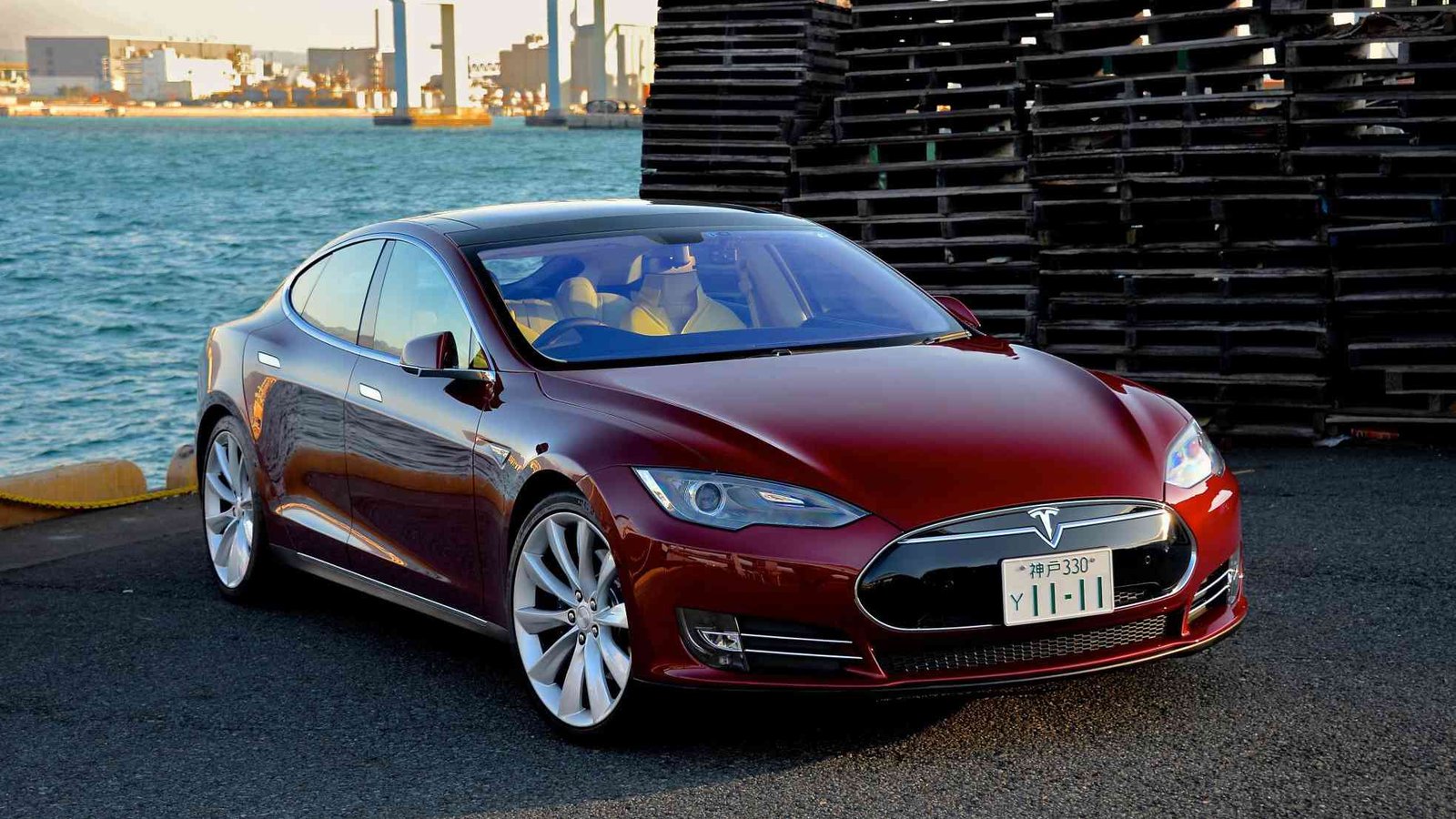
Tesla’s SECRET Sedan Design Just REVEALED! Rivals SHOCKED: Tesla has officially entered a new chapter in its corporate evolution, but its latest move has brought attention back to one of the most important vehicles in electric vehicle history: the Tesla Model S. On November 3, 2026, the United States Patent and Trademark Office (USPTO) granted Tesla a new design patent, identified as US-D1156251-S, protecting the exterior appearance of its iconic electric sedan.
What makes this development particularly interesting is that the Tesla Model S has already reached the end of its production journey. Despite discontinuing the vehicle, Tesla is taking additional steps to protect its distinctive exterior design and preserve its automotive legacy.
The patent raises an important question: Why would Tesla protect the appearance of a vehicle it no longer plans to manufacture? The answer involves intellectual property protection, brand identity, manufacturing strategy, and Tesla’s growing focus on artificial intelligence and humanoid robotics.
As Tesla prepares to transform its historic Fremont manufacturing facility for Optimus humanoid robot production, the Model S design patent reveals how the company intends to protect its past while investing heavily in its future.
Tesla’s New Model S Design Patent Explained
The newly granted Tesla Model S design patent protects the vehicle’s ornamental exterior appearance rather than its underlying engineering technology.
Unlike utility patents, which cover technical inventions such as electric motors, battery systems, and software technologies, design patents focus on a product’s visual characteristics.
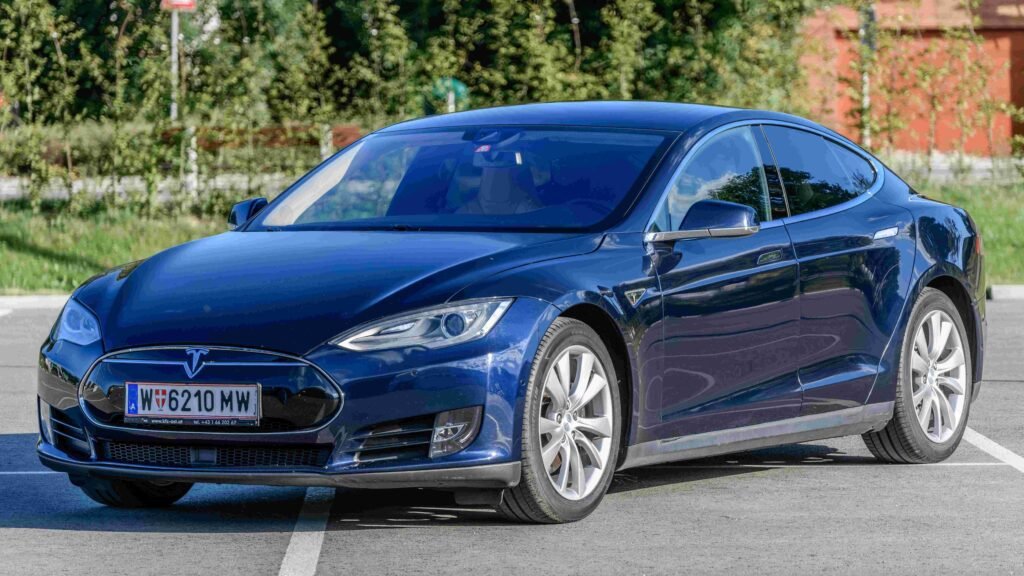
The patent drawings reportedly illustrate the Model S from multiple angles, documenting its recognizable exterior elements, including:
- Sloping roofline: The aerodynamic silhouette that helped define the Model S.
- Front bumper: The distinctive front-end styling.
- Side skirts: Exterior elements contributing to its streamlined appearance.
- Rear spoiler: A recognizable feature of the vehicle’s rear design.
- Rear diffuser: The lower rear styling and aerodynamic details.
The design was developed under the direction of Tesla’s chief designer, Franz von Holzhausen, alongside Julian Bilò.
According to the supplied information, the patent provides protection for 15 years, potentially extending Tesla’s control over the protected design until 2041.
Why Did Tesla File the Patent Before Ending Production?
One particularly interesting detail is the patent’s filing timeline.
Tesla reportedly submitted its application in May 2025, several months before Elon Musk announced the planned termination of Model S and Model X production during the January 2026 earnings call.
This suggests that Tesla’s decision was part of a proactive intellectual property strategy rather than a last-minute response to the production shutdown.
By securing legal protection while the Model S was still part of its manufacturing portfolio, Tesla could establish stronger control over one of its most recognizable vehicle designs.
Tesla Protects Its Brand Identity Against Rivals
The Model S is more than an electric luxury sedan. It represents the beginning of Tesla’s transformation from a relatively small electric vehicle manufacturer into a major global automotive technology company.
For more than a decade, the vehicle established a recognizable design language associated with premium electric mobility, high performance, minimalist styling, and advanced software.
The new design patent helps Tesla protect that visual identity.
Preventing Unauthorized Design Imitation
Automotive manufacturers frequently compete through exterior styling, distinctive proportions, and recognizable brand identities.
Tesla’s Model S developed a particularly recognizable silhouette that influenced how consumers viewed premium electric sedans.
By protecting its exterior design, Tesla strengthens its ability to challenge competing products that unlawfully copy the protected ornamental appearance.
This protection is especially important because the Model S remains recognizable even after its production ends.
Preserving Long-Term Intellectual Property Value
Discontinuing a vehicle does not automatically eliminate its commercial or intellectual property value.
Thousands of Model S vehicles remain on roads around the world, while used examples continue to circulate through secondary automotive markets.
The patent therefore helps preserve the value of an important part of Tesla’s history.
It also demonstrates that intellectual property protection remains important even after a product reaches the end of its manufacturing lifecycle.
Tesla Model S: The Electric Sedan That Changed the Industry
To understand why Tesla continues protecting the Model S, it is necessary to revisit its impact on the automotive industry.
Customer deliveries began in June 2012, when electric vehicles were still widely viewed as limited alternatives to traditional gasoline-powered cars.
At the time, many consumers associated EVs with restricted driving range, modest performance, and compromises in everyday usability.
The Model S challenged those expectations.
How the Model S Changed Electric Vehicles
Tesla combined several important technologies into one premium electric sedan:
- Long-distance driving capability: Demonstrated that electric vehicles could serve as practical daily transportation.
- High-performance acceleration: Challenged traditional luxury sports sedans.
- Over-the-air updates: Introduced a software-focused approach to vehicle improvements.
- Minimalist interior design: Created a distinctive technology-oriented driving experience.
- Advanced battery technology: Helped establish electric vehicles as serious alternatives to combustion-powered cars.
According to the supplied figures, Tesla delivered more than 400,000 Model S vehicles throughout its production history.
The vehicle also helped establish the credibility necessary for Tesla’s subsequent expansion into higher-volume products.
The Model S Paved the Way for Model 3 and Model Y
The Model S demonstrated that consumers were willing to pay premium prices for advanced electric vehicles.
That achievement helped Tesla build manufacturing experience, improve battery technology, develop its charging infrastructure, and strengthen its global brand.
Later vehicles, particularly the Tesla Model 3 and Model Y, benefited from the foundation established by the flagship sedan.
In many ways, the Model S became the vehicle that proved Tesla’s broader automotive ambitions were commercially possible.
Tesla Ends Model S Production to Transform Fremont
While Tesla is protecting the Model S design through intellectual property, its manufacturing strategy is moving in a completely different direction.
The company has reportedly ended Model S and Model X production to make room for its next major manufacturing initiative: Optimus humanoid robots.
Maintaining older vehicle platforms can require substantial investments in manufacturing equipment, safety compliance, engineering updates, and production infrastructure.
For a company increasingly focused on autonomous transportation and robotics, continuing to invest heavily in relatively low-volume flagship vehicles may offer fewer long-term opportunities.
Why Fremont Is Important for Optimus Production
Tesla’s Fremont factory has played a central role in the company’s automotive history.
It helped manufacture some of Tesla’s most important vehicles and became a symbol of the company’s transformation into a major electric vehicle producer.
Now, the facility is expected to support a different manufacturing mission.
Producing humanoid robots requires specialized assembly processes, precision components, advanced actuators, robotic hands, and sophisticated electronics.
Instead of building traditional vehicles, Tesla is positioning parts of its manufacturing infrastructure for large-scale humanoid robot production.
This transition highlights the company’s ambition to expand beyond the automotive industry.
Tesla Optimus Gen 3: The Next Robotics Revolution
The transition at Fremont coincides with the development of Tesla Optimus Gen 3, which represents another major step in the company’s robotics ambitions.
Earlier Optimus generations demonstrated walking, object handling, and basic factory-related tasks. However, the next generation is expected to introduce significant improvements in appearance, dexterity, and overall functionality.
1. More Human-Like Exterior Design
One of the most noticeable changes associated with Optimus Gen 3 is its exterior appearance.
Elon Musk described the design as creating the impression of a human wearing a robotic suit.
Unlike earlier prototypes with exposed mechanical structures and visible wiring, Gen 3 reportedly features smoother body contours that conceal many internal components.
This creates a more integrated and refined appearance.
2. Improved Mechanical Integration
Optimus Gen 3 is also expected to feature improvements around its pelvis, hips, and joint assemblies.
Flexible protective covers help create a cleaner exterior while reducing exposed mechanical areas and potential pinch points.
The use of matte black exterior panels instead of prominent shiny accents contributes to a more cohesive design.
These improvements could make the robot more suitable for operating around people in industrial and commercial environments.
3. Human-Level Dexterity
One of the most important developments involves the robot’s hands.
Human-like dexterity is essential if Optimus is expected to perform tasks designed for people.
Advanced robotic hands could allow it to manipulate small objects, handle tools, organize components, and complete more complicated manufacturing activities.
Tesla is also targeting improved battery efficiency, with the supplied information indicating up to eight hours of continuous operation.
If achieved in practical operating conditions, this could make Optimus more useful for extended industrial shifts.
Tesla’s Future: From Electric Cars to Artificial Intelligence and Robotics
Tesla’s Model S patent and Fremont manufacturing transformation reveal two sides of the same corporate strategy.
On one side, Tesla is protecting the intellectual property associated with its most important automotive achievements.
On the other, it is redirecting resources toward technologies that could define its next stage of growth.
These include:
- Optimus humanoid robots for industrial and potentially household applications.
- Artificial intelligence for autonomous decision-making and robotic control.
- Autonomous transportation and self-driving vehicle technologies.
- Advanced manufacturing systems designed for large-scale production.
Tesla increasingly views its future as extending beyond traditional vehicle manufacturing.
The company wants to combine its experience in batteries, electric motors, software, artificial intelligence, and automated factories to develop entirely new product categories.
Humanoid robotics could become a particularly important part of this strategy if Tesla can achieve reliable performance and commercially viable production costs.
Conclusion: Tesla Protects Its Past While Building a Robotic Future
Tesla’s new Model S design patent US-D1156251-S represents more than a legal document. It demonstrates the importance of protecting the visual identity of a vehicle that helped transform the global electric vehicle industry.
Although Model S production has ended, its influence remains visible across Tesla’s product lineup and the wider automotive market.
At the same time, the decision to repurpose Fremont manufacturing space for Optimus humanoid robots highlights a major change in Tesla’s priorities.
With Optimus Gen 3 targeting more advanced dexterity, improved mechanical integration, and longer operating times, Tesla is positioning itself for a future in which robotics and artificial intelligence could become as important as electric vehicles.
The Model S may no longer leave the factory floor, but its legacy remains protected. Tesla’s next challenge is to prove that the same innovation that transformed electric cars can also help bring mass-produced humanoid robots into everyday life.
FAQs
1. What is Tesla’s new Model S design patent?
Tesla’s new design patent, identified as US-D1156251-S, protects the exterior appearance of the iconic Tesla Model S. It was officially granted by the United States Patent and Trademark Office on November 3, 2026.
2. When did Tesla receive the Model S design patent?
Tesla received its Model S design patent on November 3, 2026. The patent protects the vehicle’s distinctive exterior styling and visual identity.
3. Why is Tesla patenting the Model S design after ending production?
Tesla is protecting its intellectual property and brand identity even though Model S production has ended. The patent helps prevent competitors from unlawfully copying its distinctive exterior design.
4. How long will Tesla’s Model S design patent last?
According to the supplied information, the design patent provides 15 years of protection, potentially extending Tesla’s control over the protected design until 2041.
5. What does Tesla’s new Model S design patent protect?
The patent protects the vehicle’s ornamental exterior appearance, including its sloping roofline, front bumper, side skirts, rear spoiler, and rear diffuser. It does not primarily protect the vehicle’s underlying engineering technologies.
6. When did Tesla file the Model S design patent application?
Tesla reportedly filed the design patent application in May 2025, several months before Elon Musk announced the planned termination of Model S and Model X production in January 2026.
7. Who designed the Tesla Model S exterior?
The Model S exterior design was developed under the direction of Tesla’s chief designer, Franz von Holzhausen, alongside Julian Bilò.
8. Why is the Tesla Model S considered an important electric vehicle?
The Tesla Model S helped transform the electric vehicle industry by combining long driving range, impressive acceleration, luxury styling, advanced software, and over-the-air updates. It demonstrated that electric cars could compete with premium gasoline-powered sedans.
9. How many Tesla Model S vehicles were delivered during its production history?
According to the supplied information, Tesla delivered more than 400,000 Model S vehicles throughout its production history, establishing the sedan as one of the most influential early premium electric vehicles.
10. Why did Tesla discontinue Model S and Model X production?
Tesla discontinued the Model S and Model X to redirect manufacturing resources toward future technologies, particularly Optimus humanoid robots. Maintaining older vehicle platforms would also require significant investments in engineering and manufacturing upgrades.
11. What will Tesla do with its Fremont factory after Model S production ends?
Tesla plans to repurpose manufacturing space at its historic Fremont factory for Optimus humanoid robot production. The transition reflects the company’s growing focus on robotics and artificial intelligence.
12. What is Tesla Optimus Gen 3?
Tesla Optimus Gen 3 is the next-generation humanoid robot designed to improve human-like movement, mechanical integration, hand dexterity, and overall functionality. It represents Tesla’s ambition to develop robots capable of performing useful real-world tasks.
13. What are the major improvements in Tesla Optimus Gen 3?
Optimus Gen 3 reportedly introduces smoother human-like body contours, improved joint covers, advanced robotic hands, matte black exterior panels, and better battery efficiency. These upgrades aim to make the robot more capable and practical.
14. How long can Tesla Optimus Gen 3 operate on a single charge?
The supplied information indicates that Optimus Gen 3 targets up to eight hours of continuous operation. Improved battery efficiency could make the humanoid robot more suitable for industrial environments and extended working periods.
15. Does Tesla’s Model S patent signal a shift toward humanoid robotics?
Tesla’s Model S patent and Fremont factory transformation highlight its changing priorities. While the company continues protecting its automotive legacy, it is increasingly investing in artificial intelligence, autonomous technology, and Optimus humanoid robots as important parts of its future business strategy.
Read More:
- New Tesla Battery Technology! Tesla Model 2 LFP vs NMC vs NCA — Fire Risk Truth Revealed
- Elon Musk Unveils $279 Tesla Pi Pad 2027’s SHOCKING Price & Production Plan
- Elon Musk spotlights the Starlink rescue that got through where no cell tower could
- SpaceX’s Anthropic deal has a catch, and Elon Musk just addressed it
- Elon Musk keeps justifying Tesla Cybertruck’s cancelation, but it’s confusing