
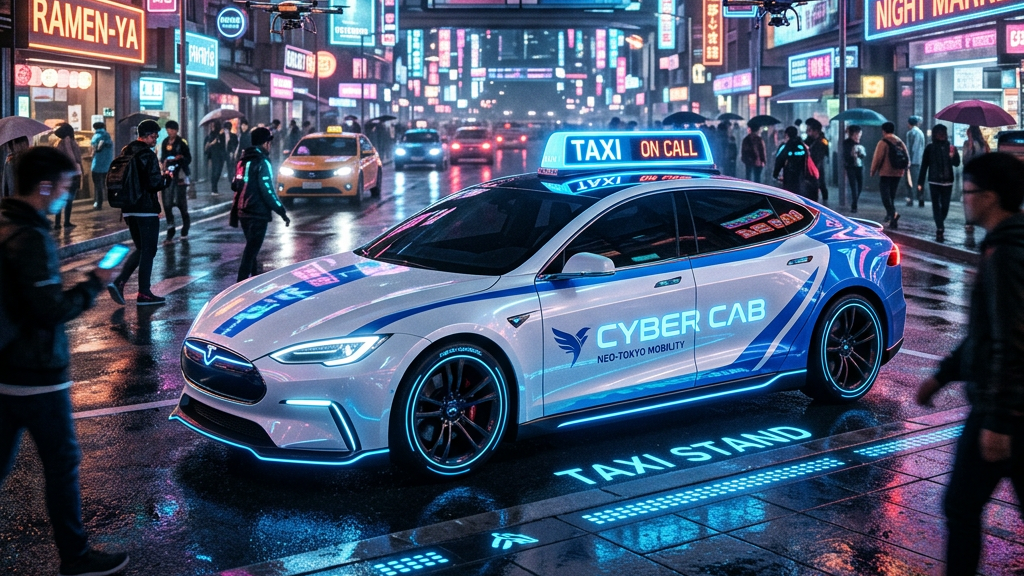
Tesla SILVER Cybercab REVEALED! Elon Drops HUGE Battery Update: Tesla is making a major strategic shift toward autonomous transportation, and its latest Cybercab developments suggest that the company is preparing for a future beyond conventional electric vehicles. CEO Elon Musk has highlighted several important updates to the upcoming Tesla Cybercab, including a smaller and more efficient 40 kWh battery pack and a stunning new Liquid Silver exterior finish.
However, these product updates are only part of a much bigger transformation. Tesla is reportedly preparing to redirect manufacturing capacity, engineering talent, and supply chain resources away from the Cybertruck program and toward accelerating its autonomous robotaxi ambitions.
This strategic realignment could represent one of the most significant changes in Tesla’s manufacturing priorities. Instead of focusing on expanding its traditional vehicle lineup, the company is increasingly prioritizing autonomous driving technology, robotaxi fleets, and scalable transportation services.
Tesla Cybercab Gets a Major 40 kWh Battery Upgrade
One of the biggest developments surrounding the Tesla Cybercab is the planned reduction in battery capacity. Tesla’s upcoming autonomous vehicle is moving from an approximately 47.6 kWh battery pack to a smaller 40 kWh configuration.
At first glance, reducing battery capacity might appear to be a disadvantage. However, Tesla’s strategy focuses on improving overall vehicle efficiency rather than simply installing a larger battery.
The existing Cybercab configuration is estimated to deliver approximately 293 miles of EPA-adjusted range, with energy consumption slightly above 6 miles per kilowatt-hour.
With a 40 kWh battery, maintaining the same driving range would require approximately 7.3 miles per kilowatt-hour in energy efficiency.
This represents a significant improvement in efficiency and demonstrates why Tesla is exploring advanced vehicle engineering instead of relying entirely on larger battery packs.
Why Tesla Wants a Smaller Battery Pack
A smaller battery offers several important advantages, particularly for a vehicle designed to operate continuously as part of a commercial robotaxi fleet.
1. Lower Manufacturing Costs
Battery cells represent a major portion of an electric vehicle’s manufacturing expenses. Reducing battery capacity means Tesla can use fewer cells, potentially lowering material costs and simplifying battery production.
2. Reduced Vehicle Weight
The Cybercab currently weighs approximately 3,113 pounds. A smaller battery could help reduce overall vehicle weight, potentially bringing it below the 3,000-pound threshold.
A lighter vehicle requires less energy to accelerate and maintain speed, supporting improved efficiency and potentially better driving performance.
3. Higher Production Capacity
Battery supply remains an important consideration for large-scale electric vehicle manufacturing. By installing fewer cells in each Cybercab, Tesla could potentially manufacture more vehicles using the same available battery supply.
For a company planning to deploy thousands of autonomous vehicles, this advantage could become particularly important.
Tesla Introduces a Stunning Liquid Silver Cybercab Finish
Another exciting development is the introduction of a Liquid Silver Cybercab exterior finish.
Until recently, Tesla primarily showcased the Cybercab with its distinctive golden appearance. The new silver finish introduces another visual identity for the autonomous vehicle and provides additional flexibility for future robotaxi fleets.
However, this change involves more than simply introducing another paint color.
Innovative Manufacturing Behind Cybercab Colors
Unlike conventional vehicles that depend on extensive multi-stage painting processes, the Cybercab is designed around an innovative manufacturing approach involving molded exterior panels.
According to the provided information, color can be incorporated directly into the panel manufacturing process rather than relying entirely on traditional paint-shop operations.
This approach could provide several manufacturing advantages:
- Simplified production: Reduces dependence on conventional painting processes.
- Manufacturing flexibility: Makes it easier to introduce different exterior finishes.
- Potential cost savings: Could reduce certain painting-related manufacturing expenses.
- Fleet customization: Allows Tesla to create visually distinct robotaxi configurations.
The Liquid Silver Cybercab could therefore become an important part of Tesla’s broader production strategy.
Why Different Cybercab Colors Matter
Color diversity also has a practical purpose for autonomous transportation.
As robotaxi networks expand into crowded cities, passengers need to identify their assigned vehicles quickly. Having multiple exterior colors could make vehicle identification easier, especially when several robotaxis arrive at the same pickup location.
Tesla’s planned front RGB identification light bar could further improve this process by providing additional visual identification signals.
Together, distinctive exterior finishes and vehicle identification technology could make autonomous pickups more convenient.
Tesla Plans to Shift Resources Away From Cybertruck Production
Perhaps the biggest development is Tesla’s reported plan to redirect resources away from the Cybertruck manufacturing program.
The Cybertruck generated enormous attention when Tesla introduced its futuristic stainless steel pickup design. However, its production and sales performance have presented challenges compared with the company’s early ambitions.
According to the supplied Kelley Blue Book figures reported by Reuters, Tesla sold approximately 20,237 Cybertrucks in the United States during 2025, compared with 38,965 units in 2024.
That represents a decline of approximately 48% year over year.
These figures highlight the difficulties of scaling a specialized electric pickup while maintaining competitive production costs and demand.
The Manufacturing Challenges of Cybertruck
The Cybertruck uses an unconventional stainless steel exterior and specialized manufacturing processes. Maintaining this production system requires dedicated equipment, tooling, factory space, and engineering resources.
Tesla must therefore consider the opportunity cost of continuing a relatively complex, lower-volume vehicle program.
Several factors could influence the company’s decision:
Engineering Resources: Manufacturing engineers working on Cybertruck production could potentially be reassigned to Cybercab development and autonomous vehicle manufacturing.
Factory Space: Specialized Cybertruck assembly equipment occupies valuable production space that could support higher-volume robotaxi manufacturing.
Supply Chain Efficiency: Redirecting components and manufacturing resources could help Tesla simplify its production priorities.
When Could Tesla End Cybertruck Production?
The supplied report indicates that Tesla could introduce an additional production shift to fulfill remaining customer orders before dismantling the Cybertruck production line around June or July 2027.
The same report suggests that some reservation holders could receive refunds if remaining production capacity cannot satisfy outstanding orders.
This timeline should be treated as a reported plan rather than a confirmed final production announcement.
Nevertheless, the possibility highlights how dramatically Tesla’s priorities could change as its autonomous transportation strategy develops.
Tesla Cybercab Could Transform the Future of Transportation
Tesla’s growing focus on the Cybercab reflects a broader shift in the company’s long-term business model.
Traditional passenger vehicles spend much of their operating lives parked. Even vehicles used for daily commuting remain inactive for significant portions of the day.
A dedicated autonomous robotaxi could operate differently.
Instead of serving only one owner, a Cybercab could transport multiple passengers throughout the day, generating revenue through repeated commercial trips.
The Robotaxi Business Model
Tesla’s long-term vision involves building an autonomous transportation network in which vehicles can provide passenger services with minimal human involvement.
The potential advantages include:
- Lower operating costs: Autonomous driving could reduce dependence on human drivers.
- Higher vehicle utilization: Robotaxis could operate for more hours than privately owned vehicles.
- Recurring revenue: Each completed passenger trip could generate income.
- Scalable transportation: A growing fleet could serve more customers across multiple cities.
However, achieving this vision requires reliable autonomous driving technology, regulatory approval, effective fleet management, and strong passenger demand.
The Cybercab is therefore more than another electric vehicle. It represents Tesla’s attempt to develop a dedicated commercial transportation platform.
Tesla’s Autonomous Robotaxi Network Is Expanding
Tesla’s autonomous ambitions are already extending beyond vehicle development.
According to the supplied information, unsupervised robotaxi testing and operating areas reportedly cover approximately 4.2 million people across eight U.S. cities.
This figure provides an indication of the geographic reach of Tesla’s developing autonomous transportation infrastructure.
However, population coverage does not necessarily mean that every resident has access to an active commercial robotaxi service. Testing areas, operating permissions, and actual passenger availability are different measurements.
Even so, expanding autonomous testing locations represents an important step toward building a larger transportation network.
Tesla will need to continue improving its Full Self-Driving technology, vehicle reliability, safety systems, and operational infrastructure before autonomous ride-hailing can become a widespread transportation solution.
Conclusion: Tesla Is Betting Its Future on the Cybercab
Tesla’s latest Cybercab developments reveal a much larger strategic transformation.
The move toward a 40 kWh battery pack demonstrates the company’s focus on improving efficiency, lowering production costs, and maximizing battery supply. Meanwhile, the new Liquid Silver finish introduces additional manufacturing and fleet-identification possibilities.
More importantly, Tesla’s reported plans to redirect resources away from Cybertruck production suggest that the company is increasingly prioritizing autonomous transportation over specialized consumer vehicle segments.
The Cybercab could become the centerpiece of this transformation, combining efficient electric vehicle engineering with autonomous driving and commercial ride-hailing services.
However, the success of this strategy will depend on Tesla’s ability to deliver safe, reliable, and commercially viable autonomous operations at scale.
If Tesla achieves these objectives, the Cybercab could become much more than a futuristic vehicle. It could help establish an entirely new business model for urban transportation.
FAQs
1. What is the Tesla Cybercab?
The Tesla Cybercab is an upcoming fully autonomous electric vehicle designed specifically for robotaxi services. It aims to transport passengers without requiring a human driver, supporting Tesla’s vision of an autonomous transportation network.
2. What is the new battery capacity of the Tesla Cybercab?
Tesla is reportedly planning to equip the Cybercab with a 40 kWh battery pack, reduced from the previously discussed 47.6 kWh configuration. The smaller battery is intended to improve manufacturing efficiency and reduce vehicle costs.
3. What is the expected range of the Tesla Cybercab?
The Cybercab has an estimated 293-mile EPA-adjusted range in the previously discussed configuration. Tesla would need to improve energy efficiency to approximately 7.3 miles per kWh to maintain similar range with a 40 kWh battery.
4. Why is Tesla reducing the Cybercab battery size?
Tesla wants to reduce battery costs, vehicle weight, and material consumption. A smaller battery could also allow the company to manufacture more Cybercabs using the same available battery cell supply.
5. What is the new Liquid Silver Cybercab color?
The Liquid Silver Cybercab is a new exterior finish introduced alongside the previously showcased golden design. It gives Tesla additional styling options and could help passengers identify their assigned robotaxis more easily.
6. How does Tesla manufacture different Cybercab exterior colors?
The Cybercab uses an innovative exterior manufacturing approach involving molded panels with color incorporated during production. This could reduce reliance on traditional multi-stage painting processes and make different exterior finishes easier to introduce.
7. Why is Tesla introducing different Cybercab colors?
Different colors can improve robotaxi identification and passenger pickup experiences. When multiple autonomous vehicles arrive at crowded locations, passengers may find it easier to recognize their assigned Cybercab.
8. Is Tesla planning to stop Cybertruck production?
According to the supplied report, Tesla is considering redirecting resources away from Cybertruck production toward the Cybercab and autonomous transportation ecosystem. The reported plan includes potentially dismantling the production line in 2027, although this should not be treated as a confirmed company announcement.
9. How many Cybertrucks did Tesla sell in 2025?
According to the supplied Kelley Blue Book figures, Tesla sold approximately 20,237 Cybertrucks in the United States in 2025, compared with 38,965 units in 2024.
10. Why are Tesla Cybertruck sales declining?
The reported decline highlights challenges involving market demand, pricing, specialized manufacturing, and competition. The Cybertruck’s unconventional stainless steel design and production requirements also create manufacturing complexities.
11. When could Tesla dismantle the Cybertruck production line?
The supplied report suggests that Tesla could dismantle the Cybertruck production line around June or July 2027 after fulfilling remaining customer orders. This timeline remains a reported projection rather than a confirmed final schedule.
12. How could Tesla benefit from shifting resources toward Cybercab production?
Tesla could redirect engineering talent, factory space, manufacturing equipment, and supply chain resources toward autonomous vehicle production. This could help accelerate Cybercab manufacturing and expand its robotaxi fleet.
13. What makes the Tesla Cybercab different from traditional electric vehicles?
The Cybercab is designed specifically for autonomous commercial transportation rather than conventional private ownership. Its primary purpose is to transport multiple passengers through a robotaxi network and potentially generate recurring revenue.
14. How many people are covered by Tesla’s reported robotaxi operating areas?
According to the supplied information, Tesla’s unsupervised robotaxi testing and operating areas reportedly cover approximately 4.2 million people across eight U.S. cities. Geographic coverage does not necessarily mean that commercial robotaxi rides are available to everyone in those areas.
15. Can the Tesla Cybercab transform the future of transportation?
The Tesla Cybercab could significantly influence urban transportation if Tesla successfully develops safe and reliable autonomous driving technology. Its combination of a smaller battery, improved efficiency, autonomous operation, and commercial fleet capabilities could help make robotaxi services more scalable and affordable.
Read More:
- Tesla Robotaxi enters its newest city, reaching San Antonio
- Tesla exec hints at a wild fix for Robotaxi’s biggest weather problem
- Tesla slims Cybertruck offerings to only its most expensive trim
- SpaceX just officially revealed Starship Flight 15 Launch This Week!
- Tesla’s SECRET Sedan Design Just REVEALED! Rivals SHOCKED
1 thought on “Tesla SILVER Cybercab REVEALED! Elon Drops HUGE Battery Update”