

The robotaxi race is often framed as an artificial intelligence showdown. Who has the best neural networks? Who can drive hands-free the longest? But when you strip away the hype, demos, and buzzwords, a different reality emerges. The robotaxi war will not be decided by AI alone. It will be decided by price.
In December 2025, Tesla’s CyberCab prototype was spotted testing in Austin, Texas, with mass production targeted for April 2026, according to Elon Musk’s public statements. While headlines focus on autonomy and AI breakthroughs, the deeper story is about cost, scale, and operational efficiency. The company that can deliver robotaxis under $30,000 per vehicle will fundamentally reshape transportation in America.
This article breaks down why price is the real battlefield, how Tesla is designing the CyberCab to reach unprecedented cost levels, why Waymo currently leads but may not win, and what real-world barriers still stand in the way of mass robotaxi adoption.
The Hidden Economic Crisis Facing Drivers Over 55
Every year, millions of Americans aged 55 and older lose tens of thousands of dollars maintaining personal vehicles. Gas, insurance, repairs, depreciation, and downtime quietly drain savings. For many, driving is less about freedom and more about necessity.

Robotaxis change this equation entirely.
If autonomous vehicles become cheap, reliable, and widely available, personal car ownership becomes optional. But this transformation only happens if robotaxis are affordable enough to operate everywhere, not just in a few premium urban zones.
That’s why one number matters more than any AI metric:
Under $30,000 per vehicle
At that price point, robotaxis stop being experiments and start becoming infrastructure.
Austin, Texas: Tesla’s Validation Playground
Tesla chose Austin for CyberCab testing for a reason. It offers a near-perfect testing environment:
- Highways, downtown streets, suburbs
- Complex intersections and residential roads
- Rapid testing approvals
- Controlled deployment zones
But there’s a crucial distinction most people miss:
Testing is not the same as stable operations.
A smooth demo ride proves almost nothing.
The One Metric That Actually Matters: Miles Between Intervention
In autonomous driving, there is one metric more important than flashy videos or marketing claims:
Miles Between Intervention (MBI)
This measures how far a vehicle can drive autonomously before a human must step in. True robotaxi viability requires:
- Hundreds of thousands
- Eventually millions
- Of real-world miles
- With extremely low intervention rates

Clean roads and sunny weather don’t test autonomy. The real challenges are:
- Heavy rain
- Light reflections
- Faded lane markings
- Temporary construction zones
- Unexpected traffic patterns
Small errors are the most dangerous. A single wrong lane choice can cause sudden braking, confusing human drivers behind and triggering chain reactions.
Robotaxis must predict not only what’s ahead—but what’s behind them.
Three Validation Layers Every Robotaxi Must Pass
For CyberCab—or any robotaxi—to succeed, it must clear three validation layers:
Layer 1: Real-World Environments
- Tight parking lots
- Complex intersections
- Poorly marked roads
Layer 2: Unpredictable Factors
- Traffic cones
- Temporary signs
- Construction zones
- Moving obstacles
Layer 3: Stable Driving Behavior
- Smooth acceleration and braking
- Correct signaling
- Proper lane selection
- Natural interaction with human drivers
Fail any one of these layers, and large-scale deployment collapses.
Waymo Leads Today, But Being First Doesn’t Mean Winning
There’s no denying reality: Waymo currently leads in live robotaxi operations. They operate in multiple cities, have years of experience, and possess regulatory approvals Tesla doesn’t yet have everywhere.
This matters.
But it’s not the whole story.
Why Waymo’s Lead May Be Temporary
Waymo’s vehicles reportedly cost around $200,000 per unit. That cost structure creates severe limitations:
- Premium-only service
- Limited city deployment
- High cost per mile
- Difficult scaling beyond major metros
Tesla’s advantage lies elsewhere.

Tesla’s Real Weapon: Industrial Scale
Tesla is not just a tech company. It’s an industrial manufacturing powerhouse with:
- Massive factories
- Vertical integration
- Cost-down engineering culture
- Data from millions of real-world vehicles
The robotaxi war is not purely a software race. It’s an industrial economics problem.
AI helps the car drive.
Scale helps it exist everywhere.
Why Human Factors Matter More Than Most Realize
Self-driving systems are designed to prioritize absolute safety. That sounds ideal—until it creates friction.
Overly cautious robotaxis can:
- Yield too much
- Drive too slowly
- Disrupt traffic flow
- Frustrate human drivers
This creates a paradox:
How do you remain ultra-safe without becoming a rolling obstacle?
Solving this balance is just as important as perception accuracy.
CyberCab Cost-Down Strategy: Designed to Run One Million Miles
Tesla’s secret weapon isn’t magic AI. It’s fleet-first design thinking.
A robotaxi doesn’t need to look luxurious. It needs to be:
- Cheap
- Durable
- Easy to repair
- Easy to clean
- Always earning money
Here’s how Tesla drives costs below $30,000.
1. Frameless Doors: Small Change, Massive Savings
By eliminating traditional window frames, Tesla reduces:
- Part count
- Material costs
- Tooling complexity
- Assembly time
Assembly time is one of the most expensive aspects of vehicle manufacturing. Saving seconds per vehicle scales into millions of dollars annually.
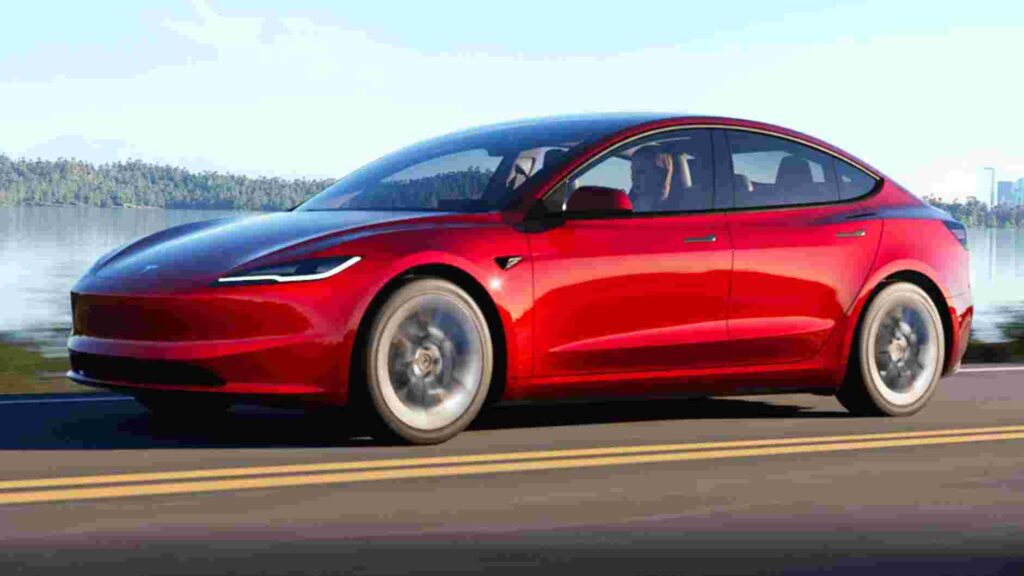
2. Tires Optimized for Durability, Not Decoration
Early prototypes showed decorative accents. Those disappear in production.
Why?
Because even $1 per tire equals $4 per vehicle.
At 1 million vehicles per year, that’s $4 million saved annually.
Multiply that logic across hundreds of components.
3. Molded Plastic Over Fabric Interiors
Fabric looks nice—but it stains, tears, and absorbs moisture.
Tesla replaces it with:
- Injection-molded hard plastics
- Faster installation
- Longer lifespan
- Lower refurbishment costs
For shared autonomous vehicles, durability beats aesthetics every time.
4. Optimized Camera Placement Reduces Downtime
Sensors aren’t just expensive to buy. They’re expensive to:
- Calibrate
- Maintain
- Replace
Tesla’s camera placement strategy:
- Avoids obstruction when doors open
- Reduces exposure to sunlight and rain
- Eliminates the need for extra redundancy
Downtime kills robotaxi economics. Every hour in the shop is lost revenue.
5. Fleet-Grade Seating and Interior Materials
CyberCab interiors are:
- Minimal
- Durable
- Designed for high-mileage use
Seats are among the most frequently replaced components in fleet vehicles. Better materials mean:
- Longer replacement cycles
- Less labor
- Lower operational costs
6. Two-Seat Configuration: Purpose Over Excess
More seats mean:
- More airbags
- More sensors
- More wiring
- More weight
- Higher cost
CyberCab focuses on its mission. Two seats cover most trips while drastically reducing complexity.
7. Simplified Exterior Design for Mass Manufacturing
Unconventional shapes require:
- Custom tooling
- Specialized processes
- Higher defect risk
Tesla balances identity with manufacturability, improving:
- Consistency
- Production speed
- Waste reduction
CyberCab Is More Than a Taxi
Tesla isn’t just building a ride service.
CyberCab can:
- Adjust pricing dynamically during peak hours
- Pool multiple riders
- Run deliveries when idle
- Be resold at end of life
- Reuse parts
- Recycle batteries
Every mile is optimized for maximum revenue and minimum cost.
The Real Barriers: Regulation and Operational Design Domain
Technology alone won’t win.
Regulations Are Fragmented
Every city and state has different:
- Permits
- Safety rules
- Insurance requirements
Operational Design Domain (ODD) Limits Deployment
ODD defines:
- Operating hours
- Weather conditions
- Speed limits
- Geographic boundaries
Early robotaxi deployments are geo-fenced by necessity.
What Tesla Must Solve Between 2026–2027
To win the robotaxi war, Tesla must:
- Reduce intervention rates in bad weather
- Lower cost per mile below taxis and personal cars
- Expand city by city while navigating regulations
If these align, robotaxis won’t just replace taxis—they’ll reshape personal transportation.
Cybertruck’s Structural Battery: The Blueprint for CyberCab
To understand Tesla’s seriousness about scale, look at the Cybertruck.
Tesla reimagined the battery as:
A Structural Element, Not Dead Weight
Instead of bolting a battery to a chassis, Tesla made it:
- Load-bearing
- Integrated
- Structural
Combined with gigacasting, hundreds of parts disappear.
The Result
- Stiffer body
- Improved crash performance
- Reduced weight
- Fewer parts
- Lower cost
The battery becomes a safety asset, not a vulnerability.
Why This Matters for CyberCab
Apply this philosophy to CyberCab and you get:
- Fewer components
- Higher durability
- Faster production
- Lower manufacturing defects
- Unmatched cost efficiency
Everything points toward scale-first design.
Final Verdict: AI vs Scale
Waymo leads today. They have experience, permits, and vehicles on the road.
But if Tesla:
- Proves reliability in bad weather
- Handles complex traffic smoothly
- Produces millions of vehicles under $30,000
Then scale will rewrite the rules.
The Robotaxi War Won’t Be Won by AI Alone
It will be won by the company that makes autonomy affordable.
FAQs
1. What is the Tesla CyberCab?
The Tesla CyberCab is Tesla’s purpose-built autonomous robotaxi designed for full self-driving operation, low manufacturing cost, and high durability. Unlike traditional cars, it is optimized for fleet use, not personal ownership.
2. When will Tesla CyberCab go into mass production?
Based on Elon Musk’s public statements, mass production is expected to begin around April 2026, following prototype testing that began in late 2025.
3. Why is the $30,000 price point so important?
A robotaxi priced under $30,000 allows companies to scale nationally while keeping cost per mile extremely low, making autonomous rides cheaper than taxis and even personal car ownership.
4. Is AI the most important factor in robotaxis?
AI is critical, but price and scale matter more. Advanced AI helps a robotaxi drive safely, but low cost determines whether it can exist in millions of cities and neighborhoods.
5. How does Tesla plan to make CyberCab so cheap?
Tesla reduces costs through:
- Fewer parts
- Simplified interior and exterior
- Two-seat configuration
- Structural battery design
- High-volume manufacturing
Each small saving multiplies across millions of vehicles.
6. What is “miles between intervention” and why does it matter?
Miles between intervention measures how far a vehicle can drive autonomously before human assistance is required. Higher numbers indicate greater reliability and readiness for robotaxi service.
7. Why is Austin, Texas used for CyberCab testing?
Austin offers diverse driving conditions, fast testing approvals, and controlled deployment areas, making it ideal for validating autonomous performance in real-world scenarios.
8. Does Waymo currently lead the robotaxi market?
Yes. Waymo leads in live robotaxi operations with services running in multiple cities and years of operational experience.
9. Why could Tesla still win against Waymo?
Waymo vehicles reportedly cost around $200,000 each, limiting scale. Tesla’s focus on industrial efficiency and low-cost manufacturing could allow nationwide deployment.
10. What real-world conditions are hardest for robotaxis?
The toughest challenges include:
- Heavy rain
- Faded lane markings
- Construction zones
- Temporary signs
- Unpredictable human drivers
These conditions expose weaknesses in autonomous systems.
11. Why do robotaxis sometimes drive too cautiously?
Autonomous systems prioritize safety, which can cause over-yielding or slow driving, sometimes disrupting traffic flow and frustrating human drivers.
12. What is an Operational Design Domain (ODD)?
ODD defines where and when a robotaxi can operate, including:
- Geographic boundaries
- Weather conditions
- Speed limits
- Time of day
Early robotaxi deployments are heavily geo-fenced.
13. How do regulations affect robotaxi deployment?
Each city and state has different rules, permits, and safety requirements. This means robotaxis must expand region by region, not all at once.
14. Why does CyberCab only have two seats?
A two-seat layout reduces:
- Weight
- Cost
- Airbags and sensors
- Manufacturing complexity
It aligns perfectly with short urban trips and ride-hailing demand.
15. How does Cybertruck technology influence CyberCab?
Tesla’s structural battery and gigacasting approach, first seen in Cybertruck, reduces part count and improves durability—principles likely applied to CyberCab.
16. Can CyberCab be used for deliveries?
Yes. When not carrying passengers, CyberCab can perform last-mile deliveries, increasing revenue per mile and fleet efficiency.
17. Will robotaxis replace personal car ownership?
Robotaxis may significantly reduce the need for personal vehicles, especially for urban residents and adults over 55 who face high ownership costs.
18. How does CyberCab reduce long-term operating costs?
Lower costs come from:
- Durable interiors
- Fewer repairs
- Minimal downtime
- Reusable parts
- Battery recycling
These factors improve lifetime profitability.
19. What will ultimately decide the robotaxi winner?
The winner will be the company that combines reliable autonomy with massive scale and the lowest cost per mile. In the long run, price—not AI alone—will decide the robotaxi war.
Read More:
- SpaceX’s Radical Plans for Starship in 2026 Begin! Massive Evolutions Coming
- Tesla launches hiring for Robotaxi program in its twentieth country
- Elon Musk’s $6,789 Tiny House Hits the Market—Is It Worth the Hype?
- Tesla rolls out tasty new trade-in deal for a limited time
- Elon Musk gives honest take on when Tesla will see serious FSD competition
- CES 2026 validates Tesla’s FSD strategy, but there’s a big lag for rivals: analyst