
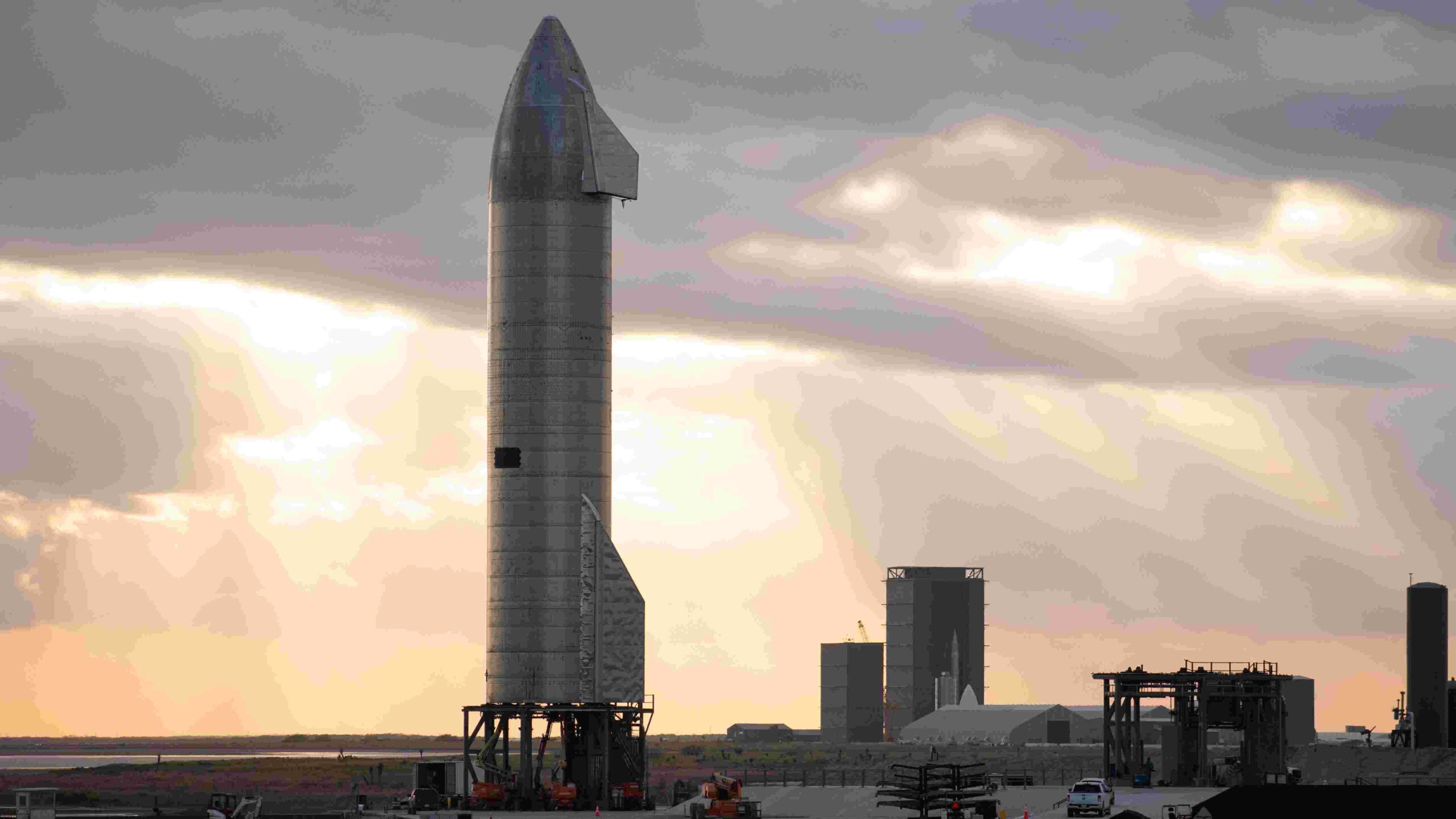
The world of space exploration is moving faster than ever, and SpaceX continues to dominate headlines with groundbreaking developments across multiple fronts. From major progress on Starship Flight 12, to NASA’s bold plan to build a nuclear power plant on the Moon, and the successful launch of NASA’s Pandora exoplanet mission, the pace of innovation is staggering.
In this in-depth, we’ll explore everything revealed during the recent high-profile visit to Starbase, why Flight 12 is a pivotal moment for Starship, how nuclear power could unlock permanent lunar settlements, and why Pandora could revolutionize our understanding of distant worlds.
Starbase Visit Marks a Turning Point for SpaceX and Starship
The recent visit by senior U.S. officials to SpaceX’s Starbase facility in Texas was far more than a ceremonial tour. Led by Defense Secretary Pete Hexath, the visit underscored just how strategically vital Starship has become to the future of American spaceflight, national security, and long-term exploration goals.
This moment signaled an inflection point. Starship is no longer just an experimental program—it is rapidly becoming a cornerstone of U.S. space capability. However, with that elevated status comes a critical requirement: Starship must prove it can fly reliably, repeatedly, and safely.
That proof begins with Starship Flight 12.
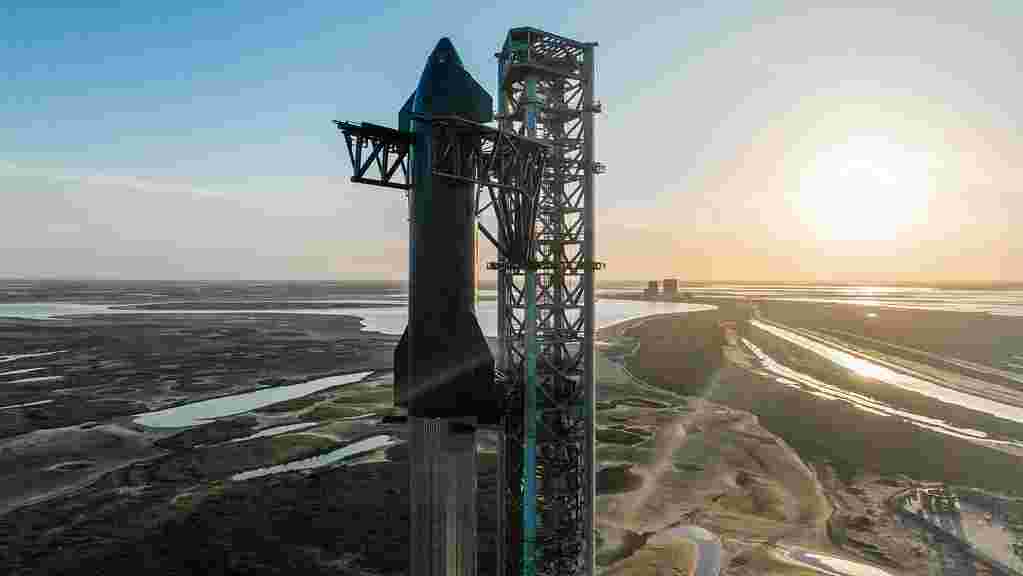
Why Flight 12 Is Critical for Starship’s Future
From Experimental to Operational
While earlier Starship test flights focused on basic validation, Flight 12 represents a shift toward operational maturity. SpaceX must demonstrate:
- Stable system integration
- Improved heat shield durability
- Reliable booster and ship performance
- Reduced refurbishment requirements
In short, Flight 12 is about showing that Starship can move from spectacular tests to repeatable missions.
Inside Mega Bay: Booster B19 Nears Completion
Booster B19 Status and Observations
Images shared by Senator John Cornyn offered rare insight into the interior of Mega Bay, where Booster B19 is currently undergoing final work. While the structure is largely complete, the booster remains surrounded by workstands, with internal wiring and systems still visible.
This indicates that final integration, inspections, and validation are ongoing.
Key highlights include:
- Liquid oxygen landing tank installed in late December
- Structural assembly largely complete
- Final outfitting and system checks underway
SpaceX appears to be taking a deliberate and cautious approach, likely informed by issues discovered late in the process with Booster B18.
COPVs Remain a Focus Area
One notable detail is the presence of red composite overwrapped pressure vessels (COPVs) mounted externally on B19. Even with V3 design upgrades, COPVs remain a critical area of scrutiny due to their role in pressurization and safety.
Whether the current configuration is final remains unclear, but their visibility suggests ongoing evaluation and potential refinement.
Starship S39: Heat Shield Fully Revealed
A Major Milestone for Reusability
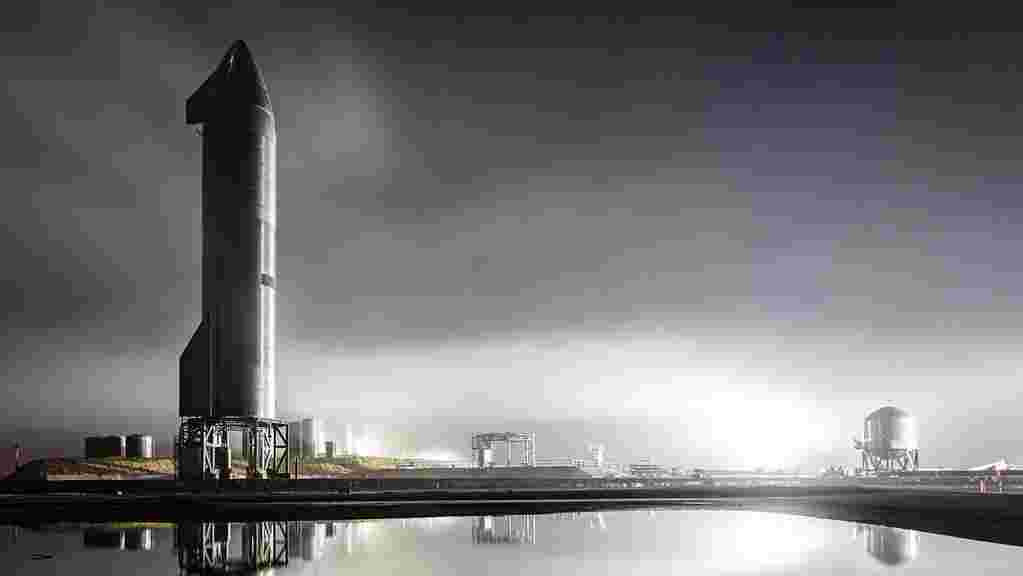
Perhaps the most visually striking update is Starship S39, now standing fully exposed in Mega Bay 2. Unlike earlier images where scaffolding obscured progress, the heat shield is now completely visible.
Key observations include:
- Uniform, precisely installed heat shield tiles
- Scaffolding removed, indicating installation completion
- Clean and consistent tile alignment
This is significant because previous heat shield versions suffered from oxidation and durability issues, limiting reuse.
V3 Heat Shield: Designed for Rapid Reuse
With the V3 heat shield, SpaceX is aiming for:
- Minimal damage during re-entry
- Reduced refurbishment time
- True rapid reusability
While appearances are promising, Flight 12 will be the real test. Success here would mark a major step toward Starship’s long-term operational goals.
Final Integration Still Underway on S39
Despite the completed heat shield, S39 is not yet ready for rollout. Dense clusters of workstands remain along both sides of the vehicle, signaling continued work on:
- Avionics
- Plumbing
- Propulsion verification
- Late-stage inspections
A lifting jig was recently moved into Mega Bay 2, suggesting internal repositioning rather than imminent rollout. This likely supports additional hardware installation or prepares space for the next vehicle.
Flight 12 Timeline: When Could It Launch?
Rollout and Launch Window Estimates
Based on current indicators:
- Flight 12 stack likely remains in Mega Bay for another 1–2 weeks
- Rollout depends on:
- Completion of test tank campaigns
- Installation on test stands
- Launch pad readiness
On the pad side, progress is encouraging. All hold-down clamp arms are now installed on the orbital launch mount, marking a major milestone.
Earliest plausible rollout: Late January
Potential launch window: February, if no major issues arise
Starship S40: Production Speed Accelerates
Multiple Ships Advancing in Parallel
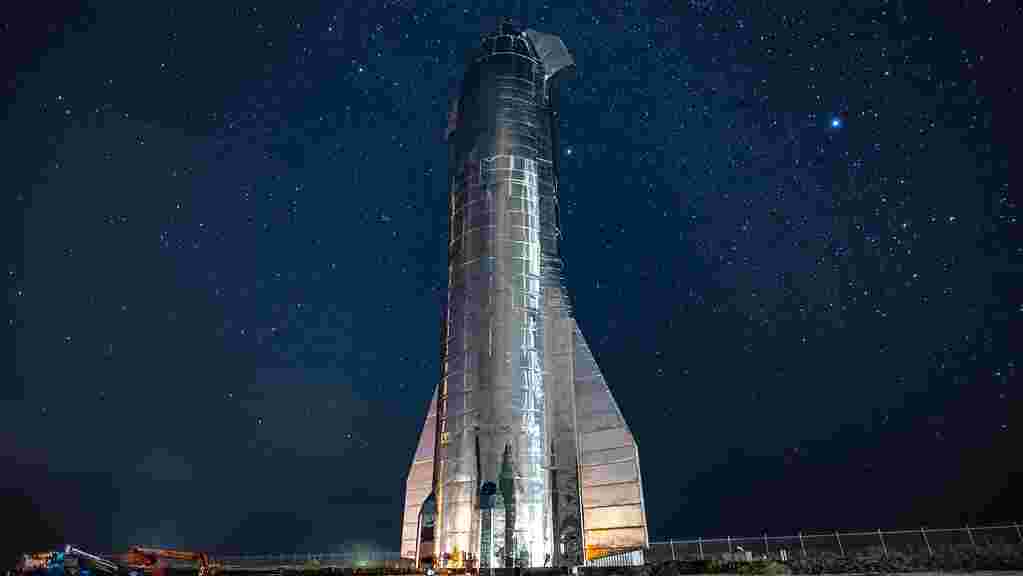
Beyond Flight 12, footage also revealed progress on Starship S40. Its nose section appears nearly complete, with the heat shield largely installed. However, it has not yet been stacked onto the payload section.
Additional observations include:
- A fully heat-shielded ring section nearby
- Multiple prepared components ready for integration
This strongly suggests that SpaceX has all major sections needed to assemble the next ship, positioning the company to set new internal production records.
Toward High-Volume Starship Manufacturing
These developments align with SpaceX’s broader vision of transforming Starbase into a true mass-production facility. Once fully operational, Starbase could produce fully integrated launch vehicles at an unprecedented pace, fundamentally changing aerospace manufacturing.
Raptor 3 Engine Takes Center Stage
A New Era of Engine Performance
Another standout feature of the visit was the prominent display of the Raptor 3 engine. Footage shows Elon Musk explaining its design and capabilities directly to senior officials.
Raptor 3 represents:
- Higher thrust
- Improved efficiency
- Greater reliability
- Simplified design philosophy
Several Raptor 3 engines are already visible at Starbase, indicating preparations for the next phase of integration and testing.
Testing Will Define the Future
Once cryogenic systems are ready, these engines will undergo rigorous test campaigns. Their performance will be crucial in validating Starship’s ability to support heavy payloads, rapid reuse, and deep space missions.
Inside the Star Factory: A Rocket Manufacturing Giant
The broader tour showcased the immense scale of the Star Factory. Vast, clean, and highly organized, the facility reflects SpaceX’s investment in building the most advanced rocket manufacturing center on Earth.
When fully transitioned into mass production mode, Starbase could enable:
- Continuous vehicle output
- Rapid iteration cycles
- Lower launch costs
- Expanded mission capabilities
The implications extend far beyond SpaceX, shaping the future of global space exploration.
NASA’s Bold Plan: A Nuclear Power Plant on the Moon
Why Nuclear Power Is Essential for Lunar Permanence
Shifting focus beyond Starbase, NASA has announced plans to build a nuclear power reactor on the Moon by 2030. This marks a dramatic shift from short-term missions to permanent lunar presence.
Solar power alone cannot provide continuous energy during the two-week-long lunar night, especially away from the poles. Nuclear power offers:
- Continuous, reliable energy
- Independence from sunlight
- Long operational lifespans
NASA and DOE Partnership Confirmed
NASA confirmed via X that it is partnering with the Department of Energy to prepare a lunar nuclear reactor by 2030. The initiative aligns with national space policy and emphasizes:
- American leadership
- Long-term exploration
- A thriving space economy
NASA Administrator Jared Isaacman stated that the program is expected to remain ahead of schedule.
Executive Support and Artemis Integration
A December executive order further reinforced this goal, calling for both a lunar base and a supporting nuclear reactor by 2030. Nuclear systems have long been part of the Artemis program planning, with NASA developing fission-based solutions capable of powering surface installations.
Isaacman has repeatedly emphasized that returning to the Moon, staying there, and reaching Mars all depend on nuclear energy.
Starship’s Role in Lunar Nuclear Deployment
Why Starship Changes Everything
Deploying a nuclear reactor using traditional rockets would require:
- Numerous launches
- Extensive on-site assembly
- Years of effort
Starship changes that equation.
With its unprecedented payload mass and volume, Starship could deliver major reactor components in one or two flights. If Starship begins supporting crewed missions by 2027, it would be the natural choice for transporting lunar infrastructure.
NASA’s Pandora Mission Successfully Launched
A New Window Into Distant Worlds
Rounding out recent achievements, SpaceX successfully launched NASA’s Pandora mission aboard a Falcon 9 rocket from Vandenberg Space Force Base.
Mission highlights include:
- Launch time: 8:44 a.m. Eastern
- Approximately 40 payloads onboard
- First-stage booster landed successfully on its fifth flight
Pandora’s Scientific Goals
Pandora weighs 716 pounds (325 kg) and will conduct a year-long mission studying at least 20 known exoplanets. Using a 17-inch telescope, it will collect both visible and infrared data during planetary transits.
Pandora’s goal is to:
- Separate stellar and planetary spectral signatures
- Account for star spots and stellar activity
- Accurately analyze exoplanet atmospheres
Advancing Exoplanet Science
By focusing on planets with water- or hydrogen-rich atmospheres, Pandora will help scientists better understand:
- Atmospheric composition
- Planetary formation
- Evolution of distant worlds
The mission showcases how SpaceX’s launch reliability enables cutting-edge science.
Final Thoughts: A New Golden Age of Space Exploration
From Flight 12 preparations at Starbase, to lunar nuclear power, and exoplanet exploration, SpaceX and NASA are laying the foundation for a future that once seemed unimaginable.
Starship is rapidly evolving from an experimental vehicle into a workhorse of space exploration, while NASA’s ambitions stretch from the Moon to Mars and beyond.
As Kevin from Great SpaceX often reminds us:
Curiosity, imagination, and inspiration will follow you—so long as you keep looking up.
The next chapter of space history is being written right now—and it’s only just beginning. 🚀
FAQs
1. What is Starship Flight 12 and why is it important?
Starship Flight 12 is a critical test flight aimed at demonstrating stable, repeatable, and reliable performance. It marks SpaceX’s transition from experimental testing toward true operational capability and rapid reusability.
2. When is Starship Flight 12 expected to launch?
Based on current progress, the earliest rollout could occur in late January, with a potential launch attempt in February, assuming testing and pad preparations continue without major issues.
3. What did officials observe during the Starbase visit?
Officials observed major progress on Booster B19, Starship S39, Raptor 3 engines, and the Star Factory, highlighting Starship’s growing role in U.S. spaceflight and national strategy.
4. What is Booster B19’s current status?
Booster B19 is structurally complete but still undergoing final outfitting, inspections, and system integration inside Mega Bay, including wiring, plumbing, and validation checks.
5. Why are COPVs on Starship boosters important?
Composite Overwrapped Pressure Vessels (COPVs) store pressurized gases essential for vehicle operation. They are a known focus area due to safety and performance considerations, even with upgraded V3 designs.
6. What makes Starship S39’s heat shield significant?
The V3 heat shield on S39 is designed for durability and minimal refurbishment, aiming to survive re-entry with less damage and support rapid reuse—something earlier versions struggled to achieve.
7. Is Starship S39 ready for rollout?
Not yet. Although the heat shield is complete, late-stage integration work such as avionics, propulsion checks, and inspections is still ongoing.
8. What progress has been made on Starship S40?
Starship S40 has an advanced nose section with a nearly complete heat shield. Multiple prepared sections suggest that stacking could begin soon, accelerating production timelines.
9. What is the Raptor 3 engine?
Raptor 3 is SpaceX’s latest methane-fueled rocket engine, designed to deliver higher thrust, improved efficiency, and greater reliability with a simpler overall design.
10. How does the Star Factory change rocket manufacturing?
The Star Factory enables high-volume, continuous production of fully integrated launch vehicles, potentially achieving manufacturing speeds never before seen in aerospace history.
11. Why does NASA want a nuclear power plant on the Moon?
A lunar nuclear reactor would provide continuous, reliable energy during long lunar nights, enabling permanent human presence, scientific research, and industrial activity.
12. When does NASA plan to deploy lunar nuclear power?
NASA, in partnership with the Department of Energy, aims to deploy a lunar nuclear reactor by 2030 as part of long-term Moon and Mars exploration plans.
13. How could Starship support lunar nuclear missions?
Thanks to its massive payload capacity and volume, Starship could transport large reactor components in just one or two flights, dramatically simplifying lunar infrastructure deployment.
14. What is NASA’s Pandora mission?
Pandora is a NASA exoplanet science mission designed to study the atmospheres of distant planets by observing them as they transit their host stars.
15. What makes Pandora scientifically important?
Pandora helps scientists separate stellar activity from planetary signals, allowing more accurate analysis of exoplanet atmospheres, especially those rich in water or hydrogen.
16. How does SpaceX benefit NASA missions like Pandora?
SpaceX provides reliable, cost-effective launch services, enabling NASA to conduct advanced scientific missions more frequently and efficiently, accelerating discovery across the universe.
Read More:
- Tesla plans for new 300+ stall Supercharger with a special surprise for Semi
- Tesla is shifting FSD to a subscription-only model, confirms Elon Musk
- Tesla Model 3 and Model Y earn Euro NCAP Best in Class safety awards
- Tesla Model 3 and Model Y dominates U.S. EV market in 2025
- Tesla Full Self-Driving pricing strategy eliminates one recurring complaint