
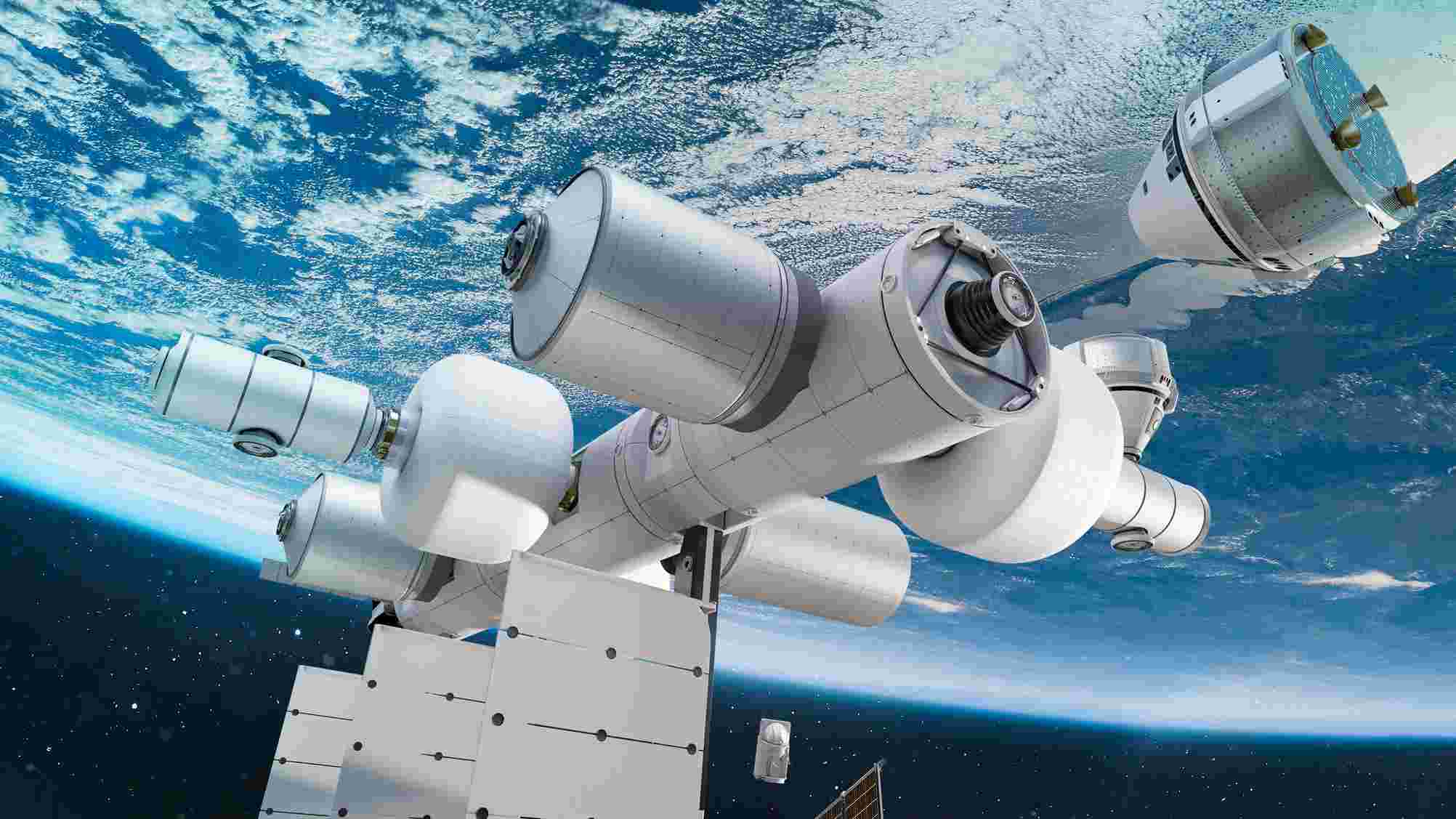
The International Space Station (ISS) has been orbiting Earth for more than three decades, becoming the gold standard for international cooperation and scientific research. But its time is running out. NASA has officially planned to retire the ISS around 2030, leaving just a few years for a new generation of commercial space stations to take over.
And now, the race is heating up — with SpaceX playing a central role in the future of human life in orbit. The most exciting contender? Vast Space’s Haven 1 — a next-generation space station module designed to replace the ISS and redefine space station design forever.
Let’s break down why Haven 1 is not just a competitor, but a potential game-changer in the low Earth orbit era.
Why the ISS Retirement Creates a Space Race
NASA’s decision to retire the ISS around 2030 has triggered a serious timeline pressure. That leaves only about four years to develop and deploy a fully functional replacement capable of sustaining human presence in low Earth orbit (LEO).
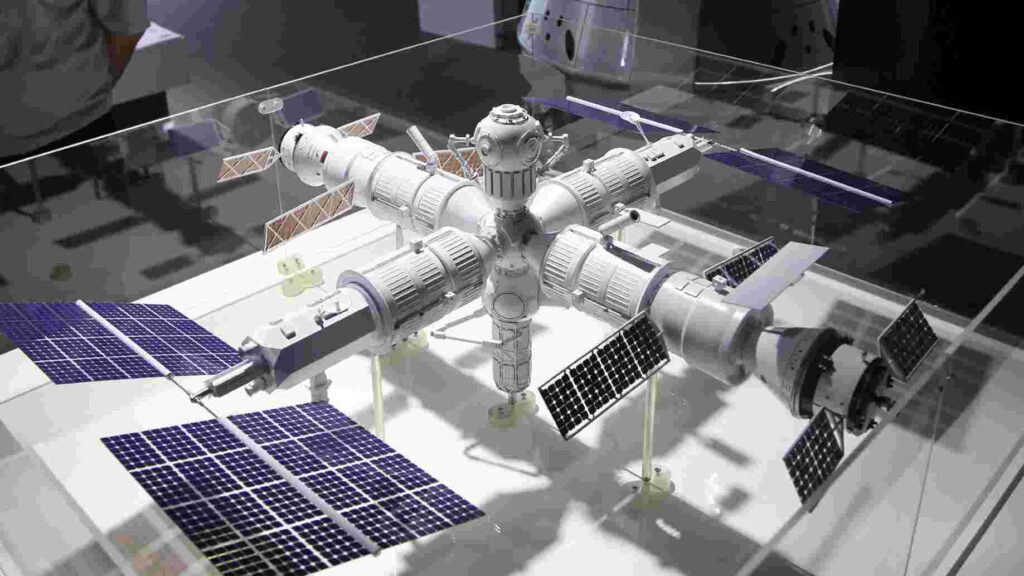
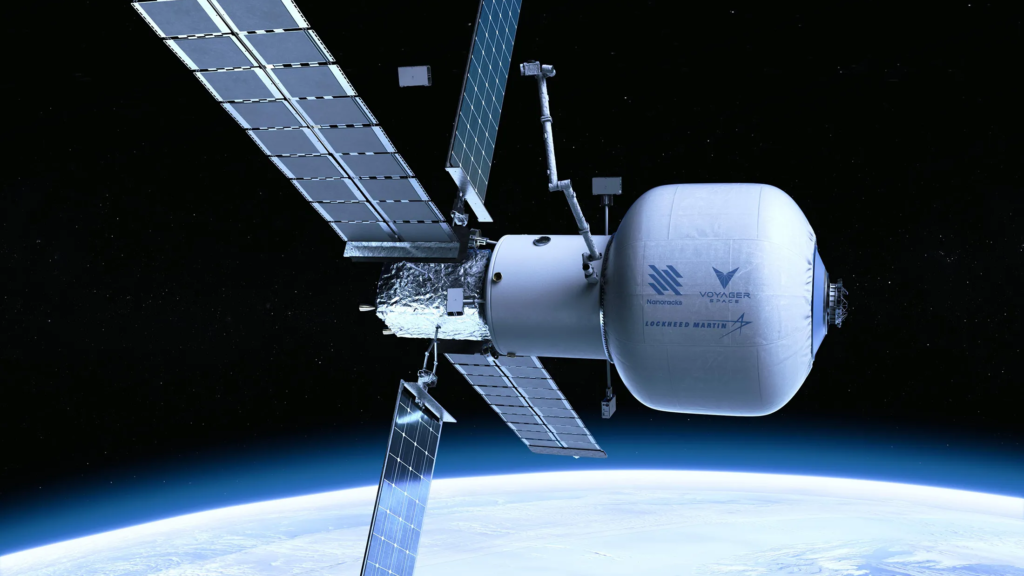
To fill that gap, NASA launched the Commercial LEO Destinations program, turning space station development into a fierce competition involving major players such as:
- Axiom Space
- Voyager Space
- Blue Origin
- Vast Space
But when you compare real-world progress, affordability, and technical realism, one project clearly stands out: Vast Space’s Haven ecosystem.
Haven 1: The Most Realistic ISS Successor
Vast Space recently shared a major update on X (formerly Twitter), confirming that Haven 1 has begun clean room integration — a key milestone in the manufacturing process.
They also updated the launch timeline, now targeting Q1 2027.
Why the Delay Isn’t a Problem
At first glance, the updated launch date may look like bad news. But in reality, it’s a strategic schedule adjustment based on real-world testing and manufacturing realities.
According to CEO Max Hayat, as of January 2026:
- Primary structure was completed
- Secondary structure partially finished
- Acceptance testing completed in November 2025
The remaining work — including integration and final closeouts — would extend into fall 2026. Then comes a full environmental test campaign at NASA’s Plum Brook facility.
This pushes launch into Q1 2027, but it also de-risks the program, ensuring that Haven 1 reaches orbit safely and reliably.
What Makes Haven 1 Stand Out?
Haven 1 is not just another space station module — it’s a technology platform built for speed, safety, and operability.
Key Design Highlights
- Launch mass: 14,600 kg
- Diameter: 4.4 m
- Length: 10.1 m
- Pressurized volume: 80 m³
- Habitable space: 45 m³
And here’s the real kicker:
Haven 1 is the largest pressurized payload ever launched by Falcon 9.
It fits inside the standard Falcon 9 fairing without requiring an extended fairing or Falcon Heavy — a major engineering achievement.
Why Aluminum Matters
Early in 2024, Vast switched from stainless steel to aluminum alloy 2219, after running extensive material tests.
Why?
Because aluminum is far more compatible with CNC machining, reducing cost and production time while maintaining structural strength.
That decision is a major reason Haven 1 can be built quickly and efficiently — without sacrificing safety or durability.
Haven 1’s SpaceX Integration Strategy
Haven 1’s success depends on one critical factor: tight integration with SpaceX.
Instead of building an entire life-support ecosystem from scratch, Vast leverages Crew Dragon as a functional support module.
That means:
- Dragon transports crew
- Dragon provides initial life support
- Dragon docks via a SpaceX-built adapter
Even CO₂ removal is handled through Dragon’s proven systems, using only what’s necessary for short missions.
This strategy allows Haven 1 to maximize efficiency and reduce risk while still offering real long-term habitation.
Haven 1’s Human-Centric Design
Haven 1 isn’t designed like an old-school space station. It’s designed like a luxury orbital habitat.
Interior Highlights
- 1.1 m domed panoramic window (180° Earth view)
- Four private crew quarters with queen-size sleeping surfaces
- Advanced waste management system with vacuum-sealed trash tanks
- Modern minimalist interior
- Gigabit-class internet via Starlink laser terminal
Yes — Haven 1 will have high-speed Wi-Fi in orbit, enabling real-time video calls and fast scientific data transmission.
It’s not just a space station — it’s an orbital living space.
Propulsion, Power, and Control
Haven 1 includes:
- 6 control moment gyroscopes
- 12 deployable solar arrays
- 13.2 kW peak power output
- In-house attitude control systems
- Flight-tested core components
The entire system was validated via Haven Demo, a 552 kg technology demonstrator launched successfully in November 2025.
This means Haven 1 isn’t built on paper — it’s built on real flight data.
Why Haven 1 Threatens Its Competitors
1. SpaceX Partnership
Haven 1 relies on SpaceX as a core partner, which means:
- Faster timelines
- Lower costs
- Reliable launch capability
- Proven spacecraft integration
2. Minimalist, Scalable Design
Haven 1 follows a “start small, prove it works, then scale up” strategy.
Unlike Axiom’s modular, long-term plan, Vast focuses on:
- Rapid deployment
- Real operational learning
- Faster commercialization
3. Starlink in Orbit
Haven 1 will be the first commercial station equipped with a Starlink laser terminal, enabling:
- Gigabit-class internet
- Low latency
- Real-time data transfer
- High-quality communication
This is a huge advantage for both research and tourism.
Axiom Space: The ISS Successor With a Different Strategy
Axiom Space has been a major contender in the ISS replacement race, and they’re pursuing a different path.
Their strategy:
- Launch modules to ISS first
- Gradually detach and form an independent station
- Expand via modular design
Axiom’s Progress & Challenges
Axiom has made solid progress but has also faced major operational challenges, including:
- Rapid hiring and costly payroll
- Major layoffs in 2024
- Slowdowns in schedule
Still, their latest progress includes successful welding and integration milestones — showing the program is stabilizing.
Axiom’s Module Plan
Axiom’s station includes:
PPTM (Payload Power Thermal Module)
- Provides power & thermal control
- Launches first to avoid docking conflicts
- Prepares station for later expansion
HAB 1 & HAB 2
- Primary living and working modules
- Designed for comfort and sustainability
- Up to 8 crew capacity
- Advanced life-support systems
RMF (Robotic Manipulator Facility)
- Adds external maintenance capability
- Enables module assembly
SpaceX’s Role in the Future of Commercial Space Stations
SpaceX will likely become the central launch and transport hub for both Vast and Axiom.
Their Falcon 9 and Crew Dragon systems will be crucial for:
- Crew transport
- Station resupply
- Launching modules
- Sustaining orbital operations
In the coming years, SpaceX’s manifest will be packed — and its influence in the space industry will only grow.
So… Will Haven 1 Replace the ISS?
The answer is not simple.
But one thing is clear:
Haven 1 is the most realistic and technologically advanced commercial ISS successor currently in development.
It’s not trying to be perfect. It’s trying to be functional, safe, and scalable — and it’s already moving forward with real hardware and real testing.
Why Haven 1 Could Dominate LEO
- Fast development timeline
- Tight integration with SpaceX
- Real flight-tested systems
- Starlink internet in orbit
- Human-centered design
- Affordable, scalable architecture
Final Thoughts: The Future of Human Spaceflight
The next decade will be the most important era in human spaceflight since the ISS was launched.
We are entering a new age where commercial space stations will become the new normal.
And at the forefront of this transformation is Vast Space’s Haven 1 — the most likely candidate to take over the ISS legacy and redefine how humans live and work in orbit.
If all goes as planned, the future of low Earth orbit will be faster, more efficient, and more luxurious than ever before.
FAQs
1. What is Haven 1?
Haven 1 is a commercial space station module developed by Vast Space, designed to replace the ISS and enable long-term human habitation in low Earth orbit.
2. When will Haven 1 launch?
Haven 1 is currently scheduled to launch in Q1 2027, following a full integration and testing timeline.
3. Why is the ISS being retired?
NASA plans to retire the ISS around 2030 due to aging infrastructure and rising maintenance costs.
4. What makes Haven 1 different from other space stations?
Haven 1 focuses on speed, safety, and real-world operability, using a minimalist design and relying on SpaceX systems for support.
5. Who is building Haven 1?
Haven 1 is developed by Vast Space, a private space company specializing in commercial orbital habitats.
6. How big is Haven 1?
Haven 1 measures 10.1 meters long and 4.4 meters in diameter, with 80 m³ pressurized volume and 45 m³ habitable space.
7. How will Haven 1 reach orbit?
Haven 1 will launch aboard a SpaceX Falcon 9 rocket, using standard fairing dimensions.
8. Why does Haven 1 rely on SpaceX?
Instead of building its own life support system, Haven 1 uses SpaceX’s Crew Dragon for crew transport and initial life support support, reducing complexity and risk.
9. What is the primary mission of Haven 1?
Haven 1 aims to demonstrate sustainable human habitation and provide a commercial platform for research, tourism, and manufacturing in orbit.
10. Will Haven 1 support long-duration missions?
Yes, Haven 1 is designed for missions lasting 2 weeks or more, with plans for multiple missions over its 3-year lifespan.
11. What kind of life support does Haven 1 use?
Haven 1 uses a hybrid life support approach, combining onboard systems with Crew Dragon’s proven environmental systems.
12. How does Haven 1 handle waste?
Haven 1 uses vacuum-sealed wet trash tanks that are vented externally to prevent odor and bacterial growth.
13. What is the significance of the Starlink terminal on Haven 1?
Haven 1 will be the first commercial space station equipped with a Starlink laser terminal, providing gigabit-speed internet in orbit.
14. How many people can Haven 1 hold?
Haven 1 is designed for a crew of four, with plans for expansion in future modules.
15. What is the biggest advantage of Haven 1’s design?
Haven 1’s monolithic structure allows it to maximize volume within Falcon 9’s standard fairing, making it efficient and cost-effective.
16. What is the “clean room integration” phase?
This is the stage where engineers install critical systems such as thermal control, propulsion, life support, and fuel tanks into the completed structure.
17. What is the “Haven Demo” mission?
Haven Demo was a technology demonstrator launched in 2025 to validate core systems like propulsion, avionics, and power before the full-scale Haven 1 module.
18. Why is Haven 1 considered a “minimum viable product”?
Haven 1 focuses on essential systems first, aiming for a fast, reliable, and scalable station rather than an overly complex initial design.
19. How does Haven 1 compare to Axiom Space Station?
Haven 1 prioritizes rapid deployment and SpaceX integration, while Axiom Space focuses on modular expansion and long-term independence.
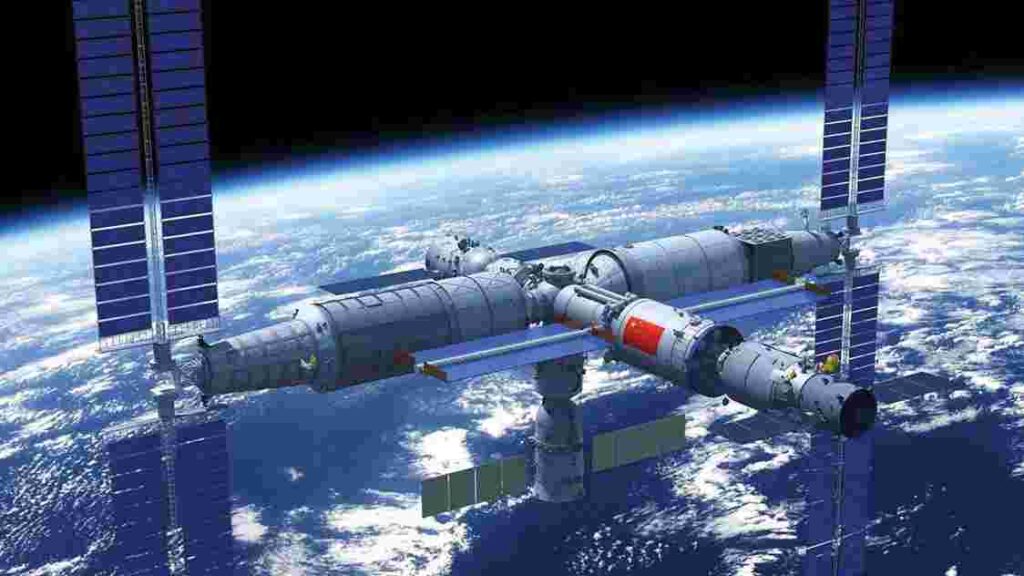
20. Will Haven 1 help prevent China from dominating Earth orbit?
Yes — by providing a reliable and commercially viable station, Haven 1 helps ensure the U.S. and private companies remain leaders in low Earth orbit.
Read More:
- Tesla Model Y outsells all EV rivals in Europe in 2025 despite headwinds
- Tesla China hires Autopilot Test Engineer amid continued FSD rollout preparations
- Starlink gets its latest airline adoptee for stable and reliable internet access
- Tesla Supercharger left offline as Swedish court backs union strike
- Tesla Model Y tops California vehicle sales despite Elon Musk backlash