
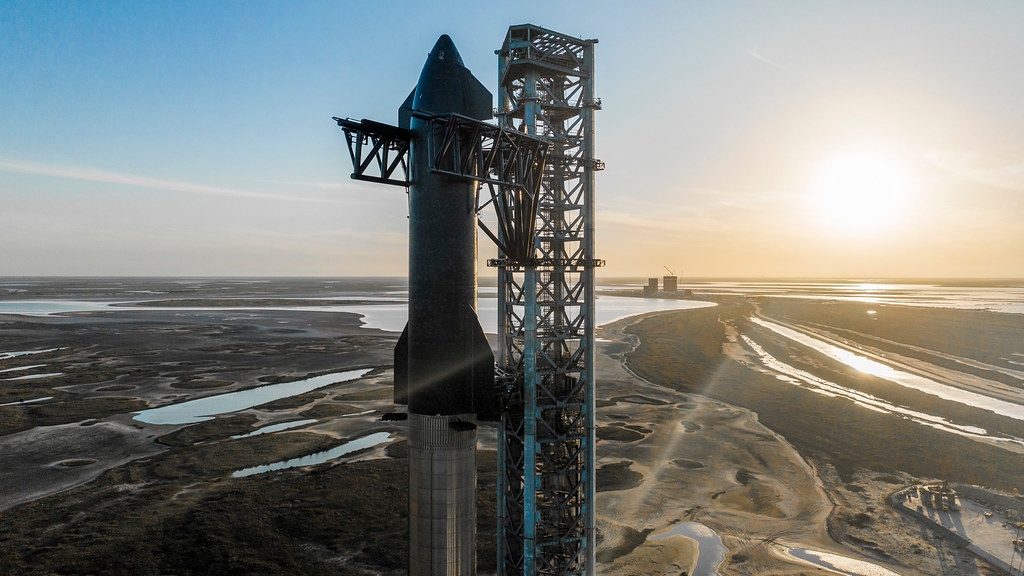
The aerospace industry is experiencing one of its most dynamic and transformative periods in history. From groundbreaking technological advancements to record-setting launch frequencies and rising political tensions, the global space race has entered a new era. At the center of this momentum stands SpaceX, preparing for yet another ambitious milestone—Starship Flight 12.
As anticipation builds for this next-generation rocket launch, the stakes are incredibly high. Not only does this mission represent a critical step toward interplanetary exploration, but it also unfolds amid engineering challenges, legal controversies, and uncertainty surrounding NASA’s future funding. This blog dives deep into everything you need to know about the upcoming launch, the challenges ahead, and what it means for the future of space exploration.
SpaceX Confirms Starship Flight 12 Launch Window
After weeks of speculation, testing, and technical refinements, SpaceX has officially confirmed the launch window for Starship Flight 12. This announcement marks a major milestone following extensive engineering work after previous test flights.
Final Launch Timeline and FAA Approval
The launch window is currently scheduled between May 12th and May 18th, with May 12th identified as the primary target date. This confirmation comes alongside the issuance of a Notice to Air Missions (NOTAM) by the Federal Aviation Administration (FAA).
A NOTAM is a critical pre-flight alert that informs pilots and aviation authorities to avoid specific airspace during rocket launches. In the aerospace industry, the issuance of a NOTAM is often considered the final green light before liftoff. It signals that all necessary safety protocols are in place and that the skies are officially cleared for launch operations.
This development has reignited excitement across the global space community, as enthusiasts and experts eagerly await what could be one of the most significant launches in recent years.
Fixing the Launch Pad: Overcoming a Major Setback
Despite the excitement, the journey to Flight 12 has not been smooth. One of the most significant obstacles came during a 33-engine static fire test, where a major malfunction occurred at the launch pad.
The “Whoopsie” That Delayed Everything
During the test, a section of the flame trench—part of the Orbital Launch Mount (OLM)—was violently dislodged and hurled into the air. This unexpected failure led to a chain reaction when the debris struck a gas generator, causing an unplanned explosion.
The incident raised serious concerns about the durability and safety of the launch infrastructure. For a rocket as powerful as Starship, even minor structural weaknesses can lead to catastrophic consequences.
Massive Repair and Testing Efforts
In response, SpaceX teams worked tirelessly to repair and upgrade the launch pad. By May 4th, a comprehensive testing campaign was conducted, involving several critical systems:
- Ship Quick Disconnect (SQD)
- Stabilizer Arms
- Booster Quick Disconnect (BQD)
- Full Water Deluge System
These systems are essential for ensuring a safe and stable launch. The water deluge system, in particular, plays a crucial role in reducing acoustic energy and thermal stress during liftoff.
Following these tests, all systems appear to be functioning in perfect harmony, and the launch pad is now officially ready to support the upcoming mission.
Key Challenges Ahead: Engineering vs. Legal Battles
Even with the launch window confirmed and the pad repaired, two major hurdles could still delay or disrupt Starship Flight 12.
1. Engineering Caution and Additional Testing
SpaceX is currently transitioning to its new V3 Starship standards, making the success of Flight 12 absolutely critical. Recent tests involving 10-engine and 33-engine configurations revealed minor glitches that have prompted engineers to proceed with extreme caution.
The company now faces a strategic decision:
- Conduct another static fire test for additional assurance
- Proceed directly to launch to stay within the May window
A new test could require rolling the rocket back to the high bay for further inspections, potentially delaying the launch by weeks. However, if testing is conducted directly at the pad, post-test checks could be streamlined, allowing SpaceX to maintain its current schedule.
This balancing act between speed and safety highlights the complexity of modern rocket engineering.
2. Legal Challenges from Local Residents
A more unpredictable challenge has emerged in the form of a lawsuit filed by residents in nearby communities, including Port Isabel and South Padre Island.
Noise and Structural Damage Concerns
Residents claim that the intense noise and vibrations from Starship launches—reaching levels as high as 110 decibels—have caused structural damage to their homes. Reported issues include:
- Cracked windows
- Foundation stress
- General structural weakening
While SpaceX has previously navigated environmental and regulatory challenges, this lawsuit represents a different kind of threat. Legal action from local communities can introduce delays that are difficult to predict or control.
If the case gains momentum, it could potentially force a temporary postponement of the launch.
A Historic Moment: Breaking 60-Year-Old Launch Records
While SpaceX prepares for Flight 12, the broader aerospace industry is celebrating a historic achievement.
April Sets a New Launch Record
In April alone, 18 rockets were successfully launched into orbit, breaking a record that had stood for over 60 years. The previous record was set in 1966 during the height of the Space Race.
A New Era of Diverse Launch Providers
Unlike the past, where launches were dominated by government agencies, today’s record reflects a diverse and commercially driven ecosystem. The April launches included a mix of rockets from multiple organizations, showcasing the rapid evolution of the industry.
This surge in activity has been supported by advanced infrastructure and coordination, particularly by the U.S. Space Force, which manages the logistics of high-frequency launch schedules.
What This Means for the Future
With new players entering the market and reusable rocket technology becoming more efficient, these records are likely to be broken repeatedly in the coming years. The pace of innovation is accelerating, and the barriers to space access are gradually decreasing.
NASA’s Budget Crisis: A Growing Concern
Amid these technological achievements, a political storm is brewing that could impact the future of space exploration.
Proposed Budget Cuts
The White House has proposed a 23% reduction in NASA’s planetary science budget, potentially bringing the 2027 budget down to $18.8 billion.
Criticism from the Space Community
This proposal has faced strong criticism from industry leaders and organizations. Critics argue that the cuts are short-sighted and fail to reflect recent successes in space exploration.
Key concerns include:
Lack of Stability
Frequent budget fluctuations create uncertainty for scientists, engineers, and contractors. This instability can disrupt long-term projects and lead to talent loss in a highly specialized workforce.
Rising International Competition
Countries like China are rapidly advancing their own space programs, including lunar missions and planetary exploration. Reducing investment at this stage could allow international competitors to surpass the United States in space leadership.
Impact on Future Generations
Space exploration plays a crucial role in inspiring interest in STEM (Science, Technology, Engineering, and Mathematics). Budget cuts could limit educational opportunities and reduce the pipeline of future innovators.
Why Starship Flight 12 Matters More Than Ever
Starship is not just another rocket—it represents the future of space travel. Designed for full reusability and deep-space missions, it has the potential to revolutionize how humanity explores the cosmos.
A Step Toward Mars and Beyond
Each successful flight brings SpaceX closer to its ultimate goal: enabling human missions to Mars. Flight 12 is a critical test in proving the reliability and scalability of the system.
Commercial and Scientific Opportunities
Beyond interplanetary travel, Starship could dramatically reduce the cost of launching satellites, conducting scientific research, and even enabling space tourism.
Conclusion: A Defining Moment for the Space Industry
As the countdown to Starship Flight 12 begins, the aerospace industry finds itself at a pivotal moment. The technical capabilities to explore deeper into space are advancing at an unprecedented pace, yet they remain influenced by legal challenges and political decisions.
Whether SpaceX successfully launches in mid-May or faces further delays, one thing is certain: the momentum of the modern space age is unstoppable.
For space enthusiasts, industry professionals, and curious minds alike, this is a moment worth watching closely. The coming days could shape the future of interplanetary exploration for decades to come.
Stay tuned, stay informed, and keep looking up.
FAQs
1. What is Starship Flight 12?
Starship Flight 12 is the latest test mission of SpaceX’s next-generation fully reusable rocket system, designed for deep-space exploration and future Mars missions.
2. When is the Starship Flight 12 launch scheduled?
The launch window is set between May 12th and May 18th, with May 12th as the primary target date.
3. What caused the delay in Starship Flight 12?
The delay was primarily due to a launch pad malfunction during a 33-engine static fire test, which caused damage to the Orbital Launch Mount (OLM).
4. What is a static fire test?
A static fire test is when a rocket’s engines are fired while the vehicle remains secured to the ground, allowing engineers to verify engine performance and system reliability.
5. What is a NOTAM and why is it important?
A Notice to Air Missions (NOTAM) is an official alert issued to pilots to avoid certain airspace. It acts as a final clearance indicator before a rocket launch.
6. What repairs were made to the launch pad?
SpaceX repaired and tested several systems, including the Ship Quick Disconnect (SQD), Booster Quick Disconnect (BQD), Stabilizer Arms, and the Water Deluge System.
7. Could the launch be delayed again?
Yes, the launch could still be delayed due to additional testing requirements or ongoing legal challenges.
8. What is the lawsuit against SpaceX about?
Residents near the launch site claim that extreme noise and vibrations from launches caused structural damage to their homes.
9. How loud are Starship launches?
Starship launches can reach up to 110 decibels, which is comparable to a rock concert or chainsaw noise level.
10. Why is Starship important for space exploration?
Starship is designed for full reusability, which could drastically reduce costs and enable long-duration missions to destinations like Mars.
11. What record was recently broken in the space industry?
In April, a total of 18 rocket launches were conducted, breaking a 60-year-old record set in 1966.
12. Which organizations contributed to the record launches?
Organizations included SpaceX, NASA, Blue Origin, and United Launch Alliance (ULA).
13. What is NASA’s current budget concern?
A proposed 23% budget cut to NASA’s planetary science division could impact future missions and research.
14. Why are NASA budget cuts controversial?
Critics argue the cuts could harm innovation, reduce global competitiveness, and negatively impact STEM inspiration.
15. What is SpaceX’s long-term goal with Starship?
SpaceX aims to enable human colonization of Mars and expand humanity’s presence across the solar system.
16. How can people watch the Starship launch?
The launch will likely be streamed live on SpaceX’s official website and social media platforms, allowing global audiences to watch in real time.
Read More:
- SpaceX Announced Starship Landing on the Droneship after Orbital Plan Shocked the Whole Industry
- Next-Gen GigaPress 4.0 Entirely Change Automakers in 2027
- SpaceX’s Insane Upgrades on Starship Refueling System to the Moon after Artemis 2
- Tesla owners keep coming back for more
- Tesla reigns supreme in the heaviest EV market on Earth
1 thought on “SpaceX officially Confirmed Starship Launch in Days after Fixing Pad Problems, But New Lawsuit!?”