
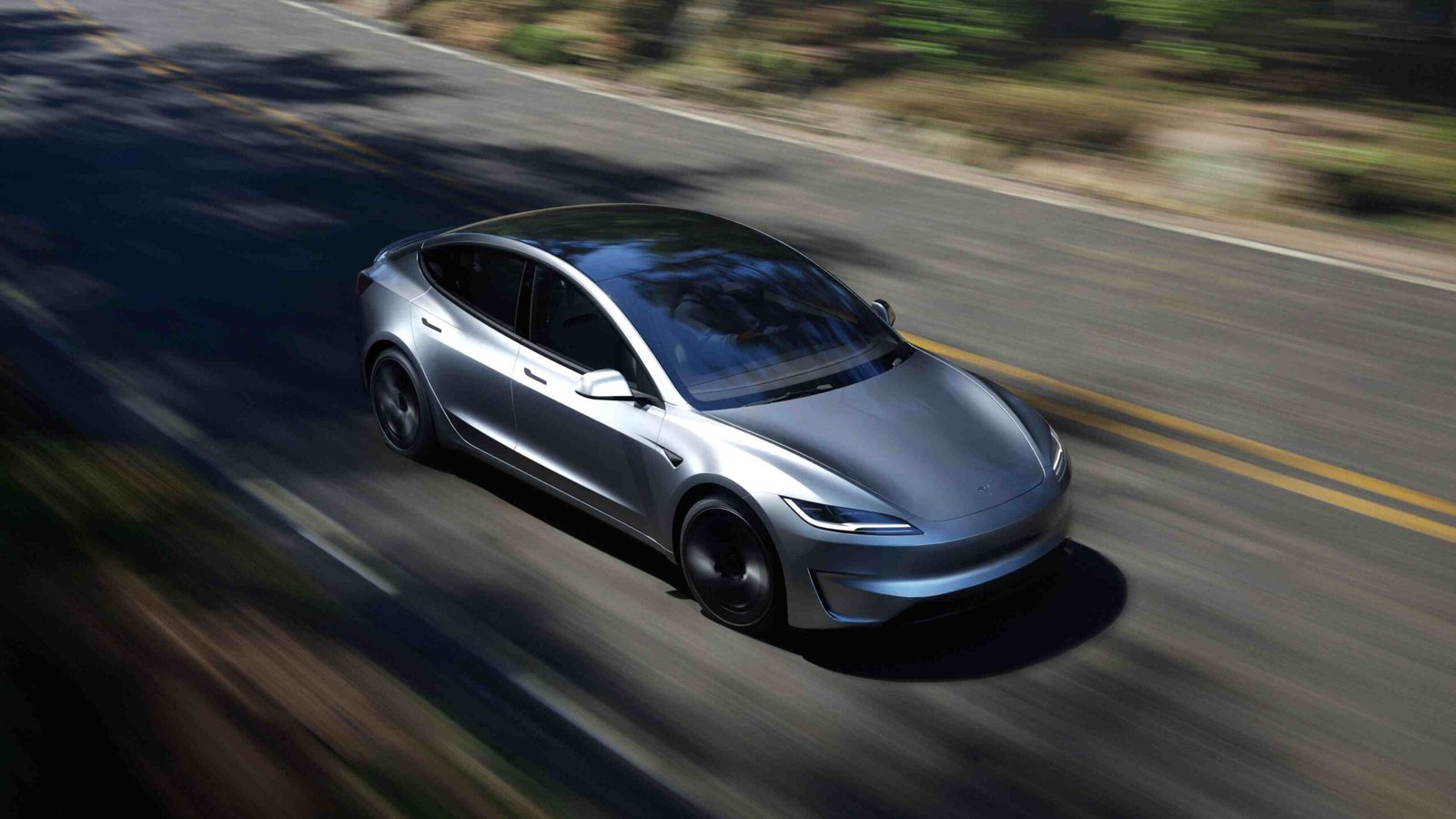
New Tesla Model 2 Aluminum Battery & Sodium: 6-Min Charge, $15K Used Model 3 Shock: The electric vehicle (EV) market is entering one of the biggest technology transitions in automotive history. For years, buyers invested in models like the Tesla Model 3 and Tesla Model Y believing that strong battery durability, expanding charging networks, and brand reputation would protect resale values.
However, the industry is moving faster than many consumers expected. The rise of sodium-ion batteries, combined with breakthrough research into graphene-aluminum-ion battery technology, is changing expectations around EV performance, charging speed, and ownership costs.
Just like smartphones lose value when newer technology arrives, electric vehicles are beginning to experience a similar consumer electronics depreciation cycle. Older EVs may still function well, but buyers increasingly compare them against newer models offering cheaper batteries, faster charging, and improved efficiency.
This technological shift could create major pressure on used EV prices, including vehicles like the Tesla Model 3, as next-generation battery platforms become more common.
Why Used EV Prices Face New Pressure
Electric Cars Are Becoming More Like Smartphones
Traditional gasoline vehicles usually depreciate because of mileage, age, and mechanical wear. EV depreciation is becoming more complicated because technology improvements are happening rapidly.
When smartphones receive yearly upgrades with better cameras, processors, and battery performance, older models lose value even if they continue working perfectly. The same pattern is now appearing in the EV industry.
A 2022 or 2023 electric vehicle may soon compete with newer models that offer:
- Lower battery production costs
- Improved cold-weather performance
- Faster charging capability
- Newer battery chemistry
The result is increased buyer hesitation toward older EV models.
Battery Technology Anxiety Impacts Resale Value
Many used EV buyers worry about battery degradation, charging limitations, and future repair costs. Even when an older lithium-ion battery remains reliable, consumer perception plays a major role in pricing.
As new battery technologies promise cheaper ownership and better performance, older EVs may experience:
- Lower resale offers
- Longer selling periods
- Greater depreciation compared with previous expectations
This creates a major challenge for early EV adopters who expected their vehicles to hold value like traditional premium cars.
Sodium-Ion Batteries: The Affordable EV Game Changer
Why Sodium-Ion Could Transform Mass-Market Electric Cars
Unlike experimental battery concepts, sodium-ion (Na-ion) batteries are moving toward real-world automotive production. The biggest advantage of sodium technology is simple: cost and availability.
Lithium-ion batteries depend on materials such as lithium, nickel, and cobalt, which can experience supply shortages and price volatility. Sodium, however, is extremely abundant and can be sourced more easily.
This gives sodium-ion batteries several advantages:
- Lower raw material costs
- Reduced supply chain risks
- Better price stability
- Improved thermal safety
For affordable EVs, these benefits could become more important than maximum driving range.
Sodium-Ion vs Lithium-Ion Battery Technology
| Feature | Sodium-Ion Battery | Lithium-Ion Battery |
|---|---|---|
| Raw Material Cost | Very low due to abundant sodium resources | Higher and affected by mining costs |
| Supply Chain Risk | Lower | Higher |
| Cold Weather Performance | More stable | Range can drop significantly |
| Thermal Safety | Higher safety potential | Moderate |
| Energy Density | Lower | Higher |
While sodium-ion batteries currently do not match premium lithium-ion batteries in energy density, they provide enough performance for many everyday vehicles.
For city cars, commuter EVs, and affordable electric models, sodium-ion could become a major replacement technology.
Cold Weather Performance Gives Sodium-Ion a Major Advantage
One of the biggest weaknesses of traditional lithium batteries is performance in freezing temperatures.
Standard lithium-ion EV batteries can lose approximately 20% to 25% of effective range in cold conditions. This creates concerns for drivers in colder regions.
Sodium-ion chemistry offers better low-temperature discharge performance, allowing vehicles to maintain more consistent operation during winter conditions.
This advantage could make sodium-powered EVs especially attractive in markets where cold-weather reliability is a major buying factor.
CATL’s Sodium Strategy Could Reshape the EV Industry
The Shift Beyond Traditional LFP Batteries
CATL has become one of the most influential companies in the global EV battery industry. As a major battery supplier for automakers, its technology decisions often influence the direction of the entire market.
The company has indicated that traditional Lithium Iron Phosphate (LFP) batteries are approaching their practical energy density limits.
While LFP technology helped reduce EV costs, future price reductions may require alternative battery chemistry.
That is where sodium-ion enters the picture.
Mass Production Could Arrive Soon
Large-scale sodium-ion production is expected to expand as manufacturers search for cheaper alternatives to traditional lithium-based batteries.
Future sodium-powered vehicles could provide:
- Competitive driving ranges
- Lower manufacturing costs
- Safer battery designs
- Reduced dependence on lithium supply chains
Some industry forecasts suggest sodium-ion batteries could eventually replace a significant portion of the LFP market.
For consumers, this means cheaper EVs could arrive faster than expected.
Graphene-Aluminum Batteries: The Future of 6-Minute Charging
Ultra-Fast Charging Could Redefine EV Expectations
While sodium-ion focuses on affordability, graphene-aluminum-ion battery technology aims to solve one of the biggest EV complaints: charging time.
Recent research into graphene-aluminum battery systems has demonstrated the possibility of extremely fast charging, with some developments targeting a full charge in around 6 minutes.
If commercialized, this technology could completely change how drivers think about EV ownership.
A charging stop that currently takes 20 to 30 minutes could potentially become comparable to a traditional fuel stop.
Why Aluminum-Ion Batteries Matter
Companies and research groups are exploring graphene-aluminum battery designs because they may offer:
- Extremely fast charging speeds
- Long cycle life
- Improved safety characteristics
- Reduced dependence on expensive materials
Although aluminum-ion batteries are not yet widely available in consumer vehicles, their development is already influencing expectations for future EV technology.
What This Means for Tesla Model 3 and Older EV Owners
The combination of sodium-ion affordability and aluminum-ion charging breakthroughs creates a difficult environment for older EV models.
Vehicles using existing lithium-ion technology may still offer excellent performance, but future buyers will compare them against vehicles with:
- Cheaper battery packs
- Faster charging
- Better winter performance
- Lower ownership costs
This does not mean current EVs become useless. Instead, it means the market may value them differently as battery technology advances.
A future $15,000 used Tesla Model 3 scenario is possible if newer EV platforms significantly reduce manufacturing costs and improve performance.
The Future of Electric Mobility: A New Battery Era
The EV industry is moving beyond a single dominant battery technology. The future will likely include multiple battery solutions designed for different markets.
Sodium-ion batteries may dominate affordable electric vehicles by delivering low costs and reliable performance.
Graphene-aluminum batteries could redefine fast charging and premium EV expectations.
Meanwhile, traditional lithium-ion batteries will continue serving vehicles where high energy density remains the priority.
The biggest change is that consumers will no longer judge EVs only by range. They will increasingly consider:
- Charging speed
- Battery cost
- Cold-weather performance
- Long-term value
The next decade of electric mobility will be shaped by battery innovation, and these emerging technologies could completely transform how people buy, use, and value electric cars.
FAQs
1. Will sodium-ion batteries replace lithium-ion batteries in electric vehicles?
Sodium-ion batteries are unlikely to completely replace lithium-ion batteries, but they could take a large share of the affordable EV market. Their lower cost, better material availability, and improved cold-weather performance make them attractive for city cars, commuter vehicles, and budget electric models.
2. Why are sodium-ion batteries cheaper than lithium-ion batteries?
Sodium-ion batteries are cheaper because sodium is widely available and less expensive than lithium, nickel, and cobalt. This reduces dependence on costly mining operations and helps manufacturers create more affordable EV battery packs.
3. Are sodium-ion batteries better in cold weather?
Yes, sodium-ion batteries generally perform better in cold temperatures compared with traditional lithium-ion batteries. While lithium batteries can lose a significant amount of range during freezing conditions, sodium-ion technology can maintain better discharge efficiency.
4. Can sodium-ion batteries provide the same range as lithium-ion batteries?
Currently, sodium-ion batteries usually offer lower energy density than premium lithium-ion batteries. However, they can provide enough range for many daily driving needs, especially in affordable electric vehicles.
5. Will sodium-ion batteries make electric cars cheaper?
Yes, sodium-ion technology could reduce EV prices by lowering battery production costs. Since the battery pack is one of the most expensive parts of an electric vehicle, cheaper chemistry could make EVs more accessible.
6. What is CATL’s role in sodium-ion battery development?
CATL is one of the world’s largest EV battery manufacturers and a major driver of sodium-ion battery development. The company’s investment in sodium technology could accelerate large-scale adoption across the automotive industry.
7. Is Tesla developing sodium-ion batteries?
Tesla has not confirmed that it will replace its existing battery technologies with sodium-ion batteries across its entire lineup. However, the company closely follows battery industry trends and could adopt different chemistries depending on cost, performance, and vehicle requirements.
8. What is a graphene-aluminum-ion battery?
A graphene-aluminum-ion battery is an emerging battery technology that combines aluminum-based materials with graphene structures to improve charging speed, safety, and battery performance.
9. Can aluminum-ion batteries charge an EV in 6 minutes?
Some research projects involving graphene-aluminum battery technology have demonstrated extremely fast charging potential, including targets around six minutes. However, this technology is still under development and is not yet widely available in commercial EVs.
10. Will 6-minute charging become normal for electric cars?
Ultra-fast charging could become a future industry standard, but widespread adoption depends on battery development, charging infrastructure upgrades, safety testing, and manufacturing costs.
11. Why are older Tesla Model 3 and Model Y vehicles facing resale pressure?
Older Tesla models may face resale pressure because new EV technologies are improving quickly. Buyers may prefer newer vehicles with cheaper batteries, faster charging, improved efficiency, and better cold-weather performance.
12. Will used Tesla Model 3 prices fall to $15,000?
A $15,000 used Tesla Model 3 price is possible in the future if newer EV models become significantly cheaper and offer major battery improvements. Actual resale values will depend on demand, supply, vehicle condition, and market conditions.
13. Are lithium-ion EV batteries becoming outdated?
No, lithium-ion batteries remain a highly important EV technology. They provide excellent energy density and have established manufacturing networks. However, new battery chemistries may reduce their dominance in certain vehicle segments.
14. What is the biggest advantage of sodium-ion batteries?
The biggest advantage of sodium-ion batteries is affordability and resource availability. They reduce dependence on limited battery materials and can help manufacturers produce lower-cost electric vehicles.
15. Are sodium-ion batteries safer than lithium-ion batteries?
Sodium-ion batteries may offer improved thermal stability and lower safety risks compared with some lithium-ion designs. However, overall safety depends on battery design, vehicle engineering, and safety management systems.
16. How will new battery technology affect EV buyers?
New battery technology will give consumers more choices, including cheaper EVs, faster charging, better winter performance, and improved battery value. Buyers may increasingly compare battery chemistry along with price and range.
17. What is the future of electric vehicle batteries?
The future of EV batteries will likely involve multiple technologies working together. Sodium-ion batteries may power affordable EVs, lithium batteries may continue supporting high-performance vehicles, and graphene-aluminum batteries could transform charging speeds in premium models.
Read More:
- Tesla stock tumbles after earnings, one of its sharpest single-day declines
- SpaceX Starship Flight 13 faces wrath of the Texas skies
- Tesla door handle saga gets its latest chapter and a big change is coming
- Tesla short sellers win big after shares fall after earnings
- Tesla’s Supercharger Diner probably just secured more locations