
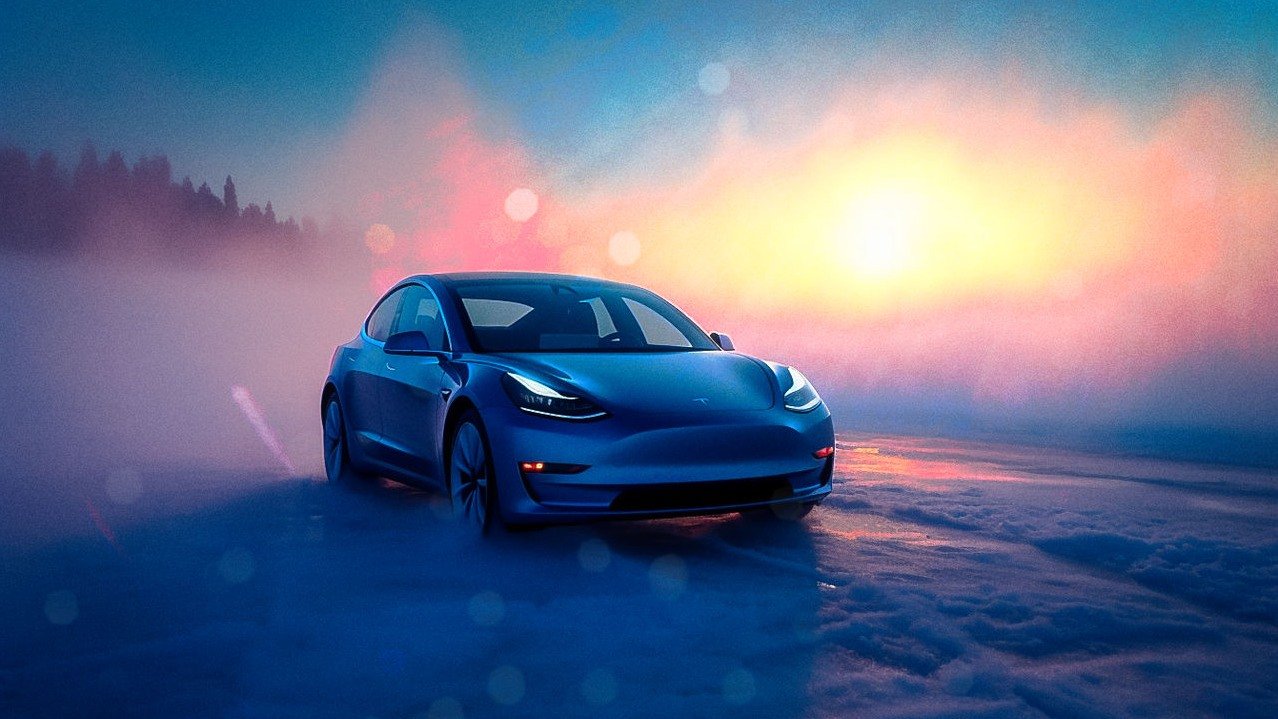
New Tesla Model 2 Senior Edition Aluminum Battery & Sodium: The electric vehicle (EV) industry is entering a new era of battery innovation. For more than a decade, lithium-ion technology has powered the global EV revolution, with Lithium Iron Phosphate (LFP) and Nickel Manganese Cobalt (NMC) batteries becoming the dominant solutions for passenger electric vehicles.
However, the next phase of EV development may look very different. Emerging technologies such as sodium-ion batteries and graphene-aluminum-ion batteries are challenging traditional lithium-based systems by targeting the biggest limitations of current EVs: high battery costs, raw material dependency, charging speed, and long-term vehicle value.
The possibility of a future Tesla Model 2 Senior Edition featuring advanced sodium or aluminum-based battery technology represents a major shift in consumer expectations. A battery capable of achieving a 6-minute full charge compared with today’s 25-minute Supercharger charging times could completely change how drivers think about electric mobility.
As these next-generation batteries move closer to commercialization, they could also reshape the used EV market, where older lithium-powered vehicles may face increasing pressure from cheaper and faster-charging alternatives.
The Future of EV Batteries: A Shift Beyond Lithium-Ion Technology
Why Battery Chemistry Is Becoming the Key EV Differentiator
In the early EV market, manufacturers competed mainly on driving range, performance, and software features. Today, battery technology itself has become one of the most important factors influencing vehicle success.
Traditional lithium-ion batteries have several advantages, including:
- High energy density
- Established global manufacturing networks
- Proven long-term reliability
- Compatibility with existing EV platforms
However, lithium battery production also faces challenges related to:
- Lithium mining costs
- Supply chain concentration
- Raw material price volatility
- Environmental concerns
These challenges are encouraging automakers and battery manufacturers to explore alternative chemistries that can provide lower costs and improved performance.
How New Battery Technology Could Impact Used EV Prices
EV Depreciation Depends on Battery Technology
The depreciation of an electric vehicle works differently from traditional gasoline-powered cars.
For internal combustion engine vehicles, resale value is usually determined by factors such as:
- Mileage
- Engine condition
- Transmission health
- Maintenance history
For EVs, the most important factor is often the battery pack and its technology generation.
A used EV may still perform extremely well, receive software updates, and have years of useful life remaining. However, if newer vehicles offer:
- Lower prices
- Faster charging
- Better battery efficiency
- Longer warranties
then buyers may demand discounts on older lithium-based EV models.
Technology Obsolescence Risk for Existing Tesla Models
Vehicles such as the Tesla Model 3 and Model Y have strong market positions because of their efficiency, software ecosystem, and charging infrastructure.
However, future affordable EV platforms using advanced battery chemistry could create new competition.
If a next-generation EV delivers similar range at a significantly lower price, used premium EVs could experience increased depreciation pressure.
The market may begin valuing EVs based not only on vehicle condition but also on battery generation and charging capability.
Sodium-Ion Batteries: The Affordable EV Disruptor
Why Sodium-Ion Batteries Are Gaining Attention
Sodium-ion (Na-ion) battery technology is emerging as one of the strongest alternatives to lithium-ion batteries, especially for affordable electric vehicles.
The biggest advantage of sodium-ion technology is the availability of raw materials. Sodium is abundant and can be sourced from common salt-based resources, reducing dependence on limited lithium supplies.
Key advantages of sodium-ion batteries include:
- Lower production costs
- Abundant raw materials
- Reduced supply chain risks
- Improved safety characteristics
- Stronger cold-weather performance
While sodium-ion batteries currently offer lower energy density than premium lithium batteries, they could become ideal for city EVs, entry-level vehicles, and affordable transportation solutions.
CATL Naxtra Sodium-Ion Battery Platform
One of the most important developments in sodium-ion technology is CATL’s Naxtra battery platform.
CATL, one of the world’s largest battery manufacturers, has indicated that lithium iron phosphate (LFP) technology is approaching its practical energy density limits. As a result, the company is investing heavily in sodium-ion development.
The Naxtra platform aims to deliver:
- Affordable battery production
- Better performance in cold temperatures
- Improved safety standards
- Large-scale EV adoption
The introduction of sodium-ion-powered vehicles could create strong competition for used lithium EVs by offering new vehicles at lower prices.
Cold Weather Advantage of Sodium Batteries
One major challenge with conventional lithium batteries is performance loss in extremely cold conditions.
Sodium-ion technology has shown potential advantages in low-temperature environments, maintaining better efficiency and reducing range loss compared with some traditional lithium battery systems.
This makes sodium-ion batteries especially attractive for markets with harsh winters.
Graphene-Aluminum-Ion Batteries: The Promise of 6-Minute Charging
A New Era of Ultra-Fast EV Charging
While sodium-ion batteries focus on affordability, graphene-aluminum-ion technology focuses on charging speed.
Laboratory research has demonstrated prototype aluminum-ion batteries capable of charging from 0% to 100% in approximately six minutes.
Such charging performance could dramatically improve EV convenience by reducing charging stops to a time comparable with traditional fuel refueling.
Graphene Manufacturing Group Battery Development
Graphene Manufacturing Group (GMG) has been developing aluminum-ion battery technology using graphene-enhanced materials.
The technology has several potential advantages:
- Reduced dependence on lithium
- Reduced reliance on copper materials
- Use of abundant aluminum resources
- Potentially safer battery chemistry
Aluminum is one of the most abundant metals in the Earth’s crust, making it an attractive option for future battery supply chains.
Current Limitations of Aluminum-Ion Technology
Despite its impressive charging capability, graphene-aluminum-ion battery technology is still in an early development phase.
Current prototype energy density remains below commercial automotive lithium batteries, which typically achieve much higher energy storage levels.
The technology must continue improving in areas such as:
- Energy density
- Manufacturing scalability
- Vehicle integration
- Long-term durability
Before widespread adoption becomes possible.
Tesla Model 2 Senior Edition: Could Sodium and Aluminum Batteries Change EVs?
A future Tesla Model 2 Senior Edition equipped with next-generation battery technology represents a vision of what affordable EVs could become.
A combination of:
- Sodium-ion batteries for affordability
- Aluminum-ion technology for rapid charging
- Tesla software optimization
- Efficient electric motors
could create a new category of electric vehicles.
A charging experience that takes 6 minutes instead of 25 minutes would address one of the biggest concerns among potential EV buyers: charging convenience.
Lithium vs Sodium vs Aluminum: The Future Battery Competition
The future EV market will likely include multiple battery technologies rather than one universal solution.
Lithium-ion batteries will continue to dominate premium EVs because of their high energy density and established manufacturing ecosystem.
Sodium-ion batteries are positioned to become a major solution for affordable EVs where cost, safety, and availability matter most.
Graphene-aluminum-ion batteries could become a breakthrough technology if researchers successfully overcome current energy density limitations.
The next generation of EV buyers will evaluate vehicles based on more than just driving range. Important factors will include:
- Charging speed
- Battery lifespan
- Vehicle affordability
- Cold-weather performance
- Battery sustainability
The transition from lithium-ion dominance to a multi-chemistry battery ecosystem could transform the entire automotive industry. Future EVs may become cheaper, charge faster, and rely on more sustainable materials—creating a completely new standard for electric mobility.
FAQs
1. What battery technology will replace lithium-ion batteries in future EVs?
Sodium-ion batteries and graphene-aluminum-ion batteries are among the leading alternatives being developed to complement or replace traditional lithium-ion technology. Sodium-ion batteries focus on lower costs and supply chain stability, while aluminum-ion batteries aim to deliver extremely fast charging speeds.
2. Will the Tesla Model 2 Senior Edition use a sodium-ion battery?
There is currently no official confirmation that the Tesla Model 2 Senior Edition will use sodium-ion technology. However, future affordable Tesla models could benefit from next-generation batteries as manufacturers continue exploring low-cost and high-efficiency battery solutions.
3. How fast can a graphene-aluminum-ion battery charge?
Laboratory prototypes of graphene-aluminum-ion batteries have demonstrated charging capability from 0% to 100% in around six minutes. However, this technology is still under development and requires further improvements before large-scale automotive use.
4. Are sodium-ion batteries cheaper than lithium-ion batteries?
Yes, sodium-ion batteries have the potential to be cheaper than lithium-ion batteries because sodium is more abundant and easier to source compared with lithium. This could help reduce the manufacturing cost of affordable electric vehicles.
5. What is the biggest advantage of sodium-ion batteries?
The biggest advantages of sodium-ion batteries include lower production costs, abundant raw materials, improved safety, and better performance in cold temperatures compared with some lithium-based battery systems.
6. Will sodium-ion batteries reduce EV prices?
Sodium-ion technology could help reduce EV prices by lowering battery manufacturing costs. Since the battery pack represents a significant portion of an electric vehicle’s total cost, cheaper battery production could make EVs more affordable.
7. Why are current lithium EVs facing resale value concerns?
Used lithium-powered EVs may experience pricing pressure because newer battery technologies could offer lower costs, faster charging, and improved performance. Buyers may compare older EVs against newer models with advanced battery platforms.
8. Is lithium-ion battery technology becoming outdated?
No, lithium-ion batteries remain the most mature and widely used EV battery technology. They continue to offer excellent energy density and reliability. However, emerging chemistries are being developed to overcome lithium’s limitations.
9. What is CATL Naxtra sodium-ion battery technology?
CATL Naxtra is a sodium-ion battery platform developed by CATL, one of the world’s largest battery manufacturers. It aims to provide affordable, safe, and scalable battery solutions for future electric vehicles.
10. Are sodium-ion batteries better than lithium-ion batteries?
It depends on the application. Lithium-ion batteries currently provide higher energy density, making them ideal for long-range premium EVs. Sodium-ion batteries may be better for affordable EVs where cost, safety, and availability are priorities.
11. Can sodium-ion batteries work in cold weather?
Sodium-ion batteries have shown promising cold-weather performance compared with some traditional lithium battery systems. They can maintain better efficiency in low-temperature environments, making them attractive for colder regions.
12. How does a 6-minute EV charge compare with Tesla Supercharging?
Many current Tesla Supercharger sessions can take around 20–30 minutes depending on conditions, battery level, and charger power. A future battery capable of a 6-minute full charge would represent a major improvement in EV convenience.
13. What are graphene-aluminum-ion batteries made from?
Graphene-aluminum-ion batteries use graphene materials and aluminum-based components instead of relying heavily on lithium and copper. This could create a more sustainable and easily available battery supply chain.
14. Why is aluminum considered useful for future EV batteries?
Aluminum is one of the most abundant metals on Earth, making it attractive for battery development. It could help manufacturers reduce dependence on limited materials and create more stable supply chains.
15. When will sodium-ion batteries become common in electric cars?
Sodium-ion batteries are expected to enter wider EV production as manufacturers increase commercialization efforts. Mass production plans from major battery companies could accelerate adoption in affordable electric vehicles.
16. Will future EVs have both sodium and aluminum battery technology?
It is unlikely that one vehicle will immediately combine both technologies. More likely, different battery chemistries will serve different markets—sodium-ion for affordable EVs and aluminum-ion technology for ultra-fast charging applications.
17. How will new batteries affect Tesla and other EV manufacturers?
New battery technologies could increase competition by allowing manufacturers to produce cheaper EVs with improved charging performance. Companies with strong battery innovation and manufacturing capabilities may gain an advantage.
18. What will EV buyers consider important in the future?
Future EV buyers will likely focus on more than driving range. Important factors will include:
- Charging speed
- Battery lifespan
- Vehicle price
- Cold-weather performance
- Battery sustainability
- Resale value
19. What is the future of EV battery technology?
The future of EV batteries will likely involve multiple technologies working together. Lithium-ion batteries will continue powering many premium vehicles, sodium-ion batteries may dominate affordable EVs, and advanced aluminum-ion batteries could transform charging speed. The result could be cheaper, faster, and more sustainable electric transportation.
Read More:
- Tesla stock tumbles after earnings, one of its sharpest single-day declines
- SpaceX Starship Flight 13 faces wrath of the Texas skies
- Tesla door handle saga gets its latest chapter and a big change is coming
- Tesla short sellers win big after shares fall after earnings
- Tesla’s Supercharger Diner probably just secured more locations