


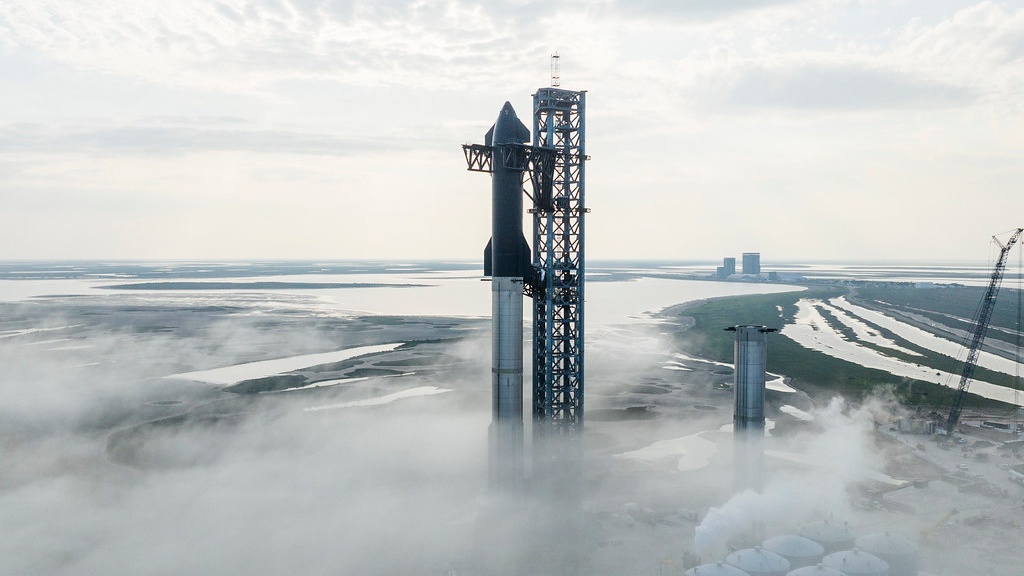
Elon Musk Confirmed Starship Flight 12 Launch Schedule after Big WDR test! Countdown begins: The aerospace world in April 2026 is moving faster than ever before. What once felt like distant science fiction is now unfolding in real-time, with rockets launching more frequently, technologies evolving rapidly, and humanity inching closer to becoming a multi-planetary species. From the dusty test grounds of South Texas to the historic launch complexes of Florida, the rhythm of innovation is relentless.
This month, major developments from SpaceX, Blue Origin, and NASA have captured global attention. At the center of it all is the highly anticipated Starship Flight 12, now officially on the horizon after a groundbreaking Wet Dress Rehearsal (WDR). Let’s dive deep into everything you need to know about this milestone and the broader space race shaping our future.
Starship Flight 12: The Countdown Begins
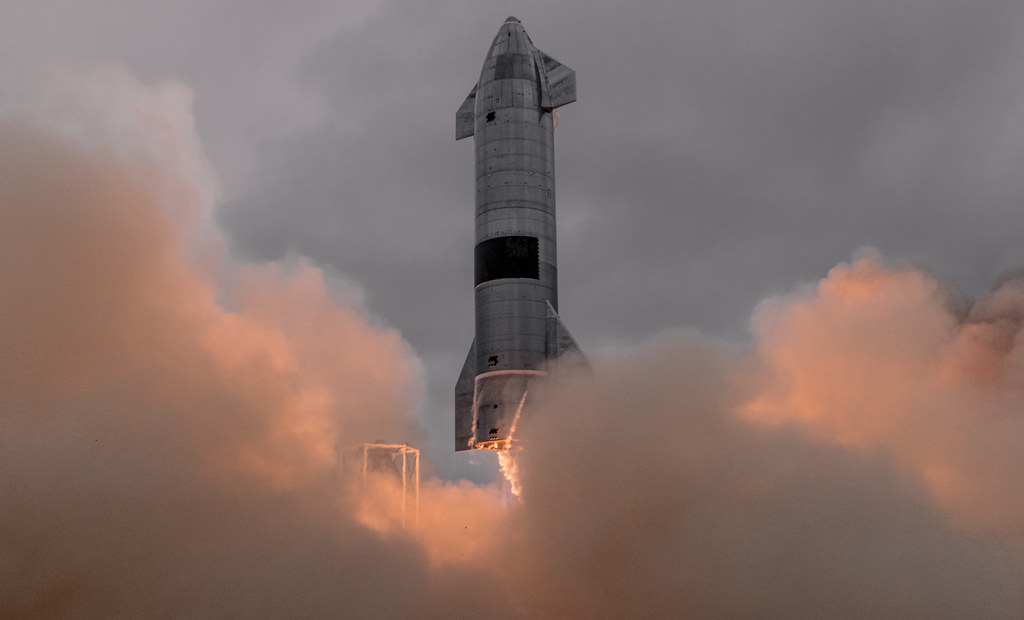
After a relatively quiet phase at Starbase, SpaceX has dramatically accelerated its operations. The focus now shifts to the next-generation Starship system featuring Ship 39 (S39) and Booster 19 (B19). These upgraded vehicles represent a significant leap in engineering and reusability.

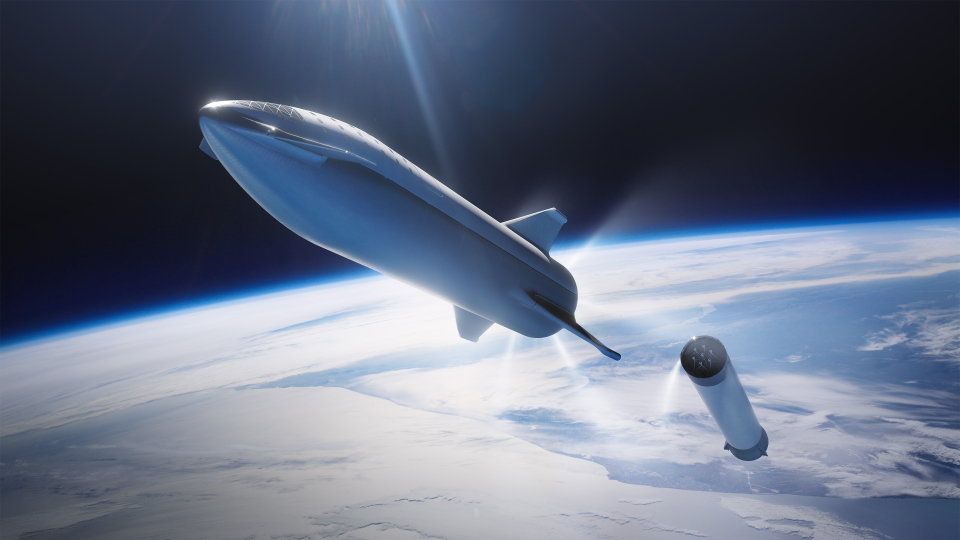
Elon Musk Reveals the Launch Timeline
Elon Musk recently provided a much-anticipated update on the timeline for Starship Flight 12. Responding to images from recent static fire tests, Musk indicated that both the upgraded booster and ship could be ready for launch within weeks.
- Initial Estimate: Musk suggested a 4 to 6 week window for readiness.
- Projected Launch Date: Based on previous flight patterns, May 7th, 2026, stands out as a strong candidate.
This timeline aligns with SpaceX’s increasingly rapid test cadence, showcasing their ability to iterate and improve faster than any aerospace company in history.
Historic Wet Dress Rehearsal Achievement
One of the most significant milestones occurred on April 16th, when Booster 19 underwent a Wet Dress Rehearsal (WDR). This test simulates a full launch countdown, including fueling the rocket with cryogenic propellants.
Key Achievement: 35-Minute Refueling Record
In a remarkable demonstration of efficiency:
- Booster 19 was filled with hundreds of tons of liquid oxygen and liquid methane
- The entire fueling process was completed in just 35 minutes
This is a game-changing accomplishment.
Why Rapid Refueling Matters
Fast refueling is not just a technical milestone—it is essential for the future of space travel.
- Supports rapid reusability
- Reduces turnaround time between launches
- Enables high-frequency missions needed for Mars colonization
In Musk’s vision, rockets should operate more like airplanes than traditional launch systems. This test proves that SpaceX is closing the gap between ambition and reality.
Blue Origin’s New Glenn: A Giant Awakens
While SpaceX continues to dominate headlines, Blue Origin is making powerful strides with its heavy-lift rocket, New Glenn.
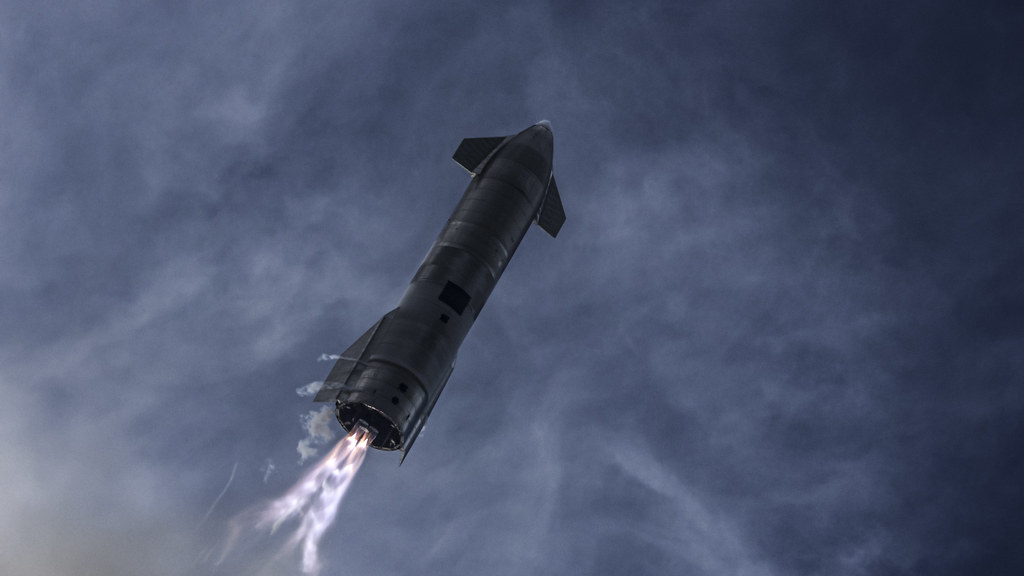
Successful Hot Fire Test
On April 16th, Blue Origin completed a 19-second hot fire test of the integrated stage for New Glenn. This test highlighted the immense power and readiness of the vehicle.
Impressive Engine Capabilities
- Powered by seven BE-4 engines
- Generates over 1,700 tons of thrust
To put that into perspective, the thrust from New Glenn’s first stage is comparable to the total output of a Starship upper stage.
New Glenn’s First Mission
The debut launch of New Glenn is scheduled no earlier than April 19th, 2026.
- Payload: Bluebird 7 satellites for AST SpaceMobile
- Launch Window: Two-hour window starting at 6:45 AM
This mission marks Blue Origin’s official entry into the competitive heavy-lift market, setting the stage for direct competition with SpaceX.
Falcon Heavy and the Return to Mars
While Starship represents the future, Falcon Heavy continues to prove its reliability as a deep-space workhorse.
Rosalind Franklin Rover मिशन
NASA has selected Falcon Heavy to launch the Rosalind Franklin rover to Mars in late 2028.
Mission Objective: Search for Ancient Life
This rover is uniquely equipped to:
- Drill 2 meters beneath the Martian surface
- Search for biosignatures protected from radiation
- Analyze soil samples for evidence of past life
This mission could redefine our understanding of life beyond Earth.
NASA’s Critical Contributions
Following geopolitical changes that ended the original partnership with Russia, NASA stepped in to ensure mission success.
Key contributions include:
- Braking engines for safe landing
- Radioisotope heater units to survive harsh Martian nights
These upgrades significantly improve the rover’s chances of long-term operation.

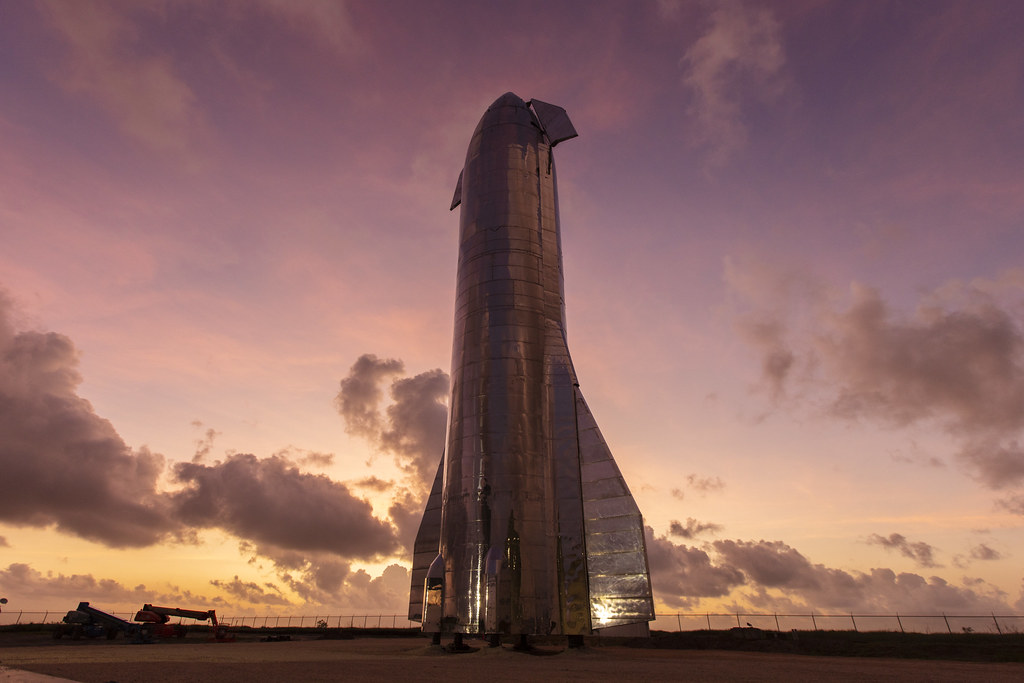
A Packed Schedule for Falcon Heavy
The Rosalind Franklin mission joins an already ambitious lineup:
- Dragonfly Mission to Saturn’s moon Titan
- Nancy Grace Roman Space Telescope
Falcon Heavy continues to play a vital role in bridging current capabilities with future ambitions.
The Rise of Private Space Stations
As the International Space Station (ISS) approaches retirement, a new era of commercial space infrastructure is emerging.
NASA is shifting its role from operator to customer, opening the door for private companies to take the lead.
Voyager Technologies and Starlab
On April 15th, Voyager Technologies was selected for a Private Astronaut Mission (PAM).
Introducing Starlab
Voyager’s ambitious project, Starlab, aims to become a commercial successor to the ISS.
Key goals include:
- Supporting long-duration human spaceflight
- Enabling scientific research
- Providing commercial opportunities in orbit
The Role of SpaceX Dragon
Most private astronaut missions will rely on the SpaceX Dragon spacecraft, which has become the industry standard for transporting humans to Low Earth Orbit.
Why Dragon Dominates
- Proven safety record
- Reusable design
- Operational reliability
This allows emerging space companies to focus on building stations while relying on existing transportation infrastructure.
Building an Orbital Economy
These developments signal a broader shift:
- From government-led missions
- To a commercial space economy
Private companies are now learning how to:
- Sustain human life in space
- Operate independently
- Develop scalable orbital habitats
A New Golden Age of Space Exploration
April 2026 may well be remembered as a turning point in human spaceflight.
Consider what’s happening simultaneously:
- Starship Flight 12 preparing for launch
- New Glenn entering the heavy-lift arena
- A confirmed Mars rover mission searching for life
- The rise of private space stations
This convergence of innovation marks the beginning of a new era.

Why This Moment Matters
For decades, space exploration progressed slowly due to high costs and limited technology. Today, that model is being disrupted.
Key drivers of this transformation include:
- Reusable rockets
- Private sector competition
- Rapid iteration and testing
The result is exponential progress rather than incremental gains.
The Road to Mars
At the heart of this momentum is a bold goal: making humanity a multi-planetary species.
Starship plays a central role in this vision:
- Designed for massive payload capacity
- Built for rapid reuse
- Intended for interplanetary travel
The success of Flight 12 could bring us one step closer to crewed missions to Mars.
What to Expect Next
With the projected launch window approaching, all eyes are on SpaceX.
Key Things to Watch
- Final static fire tests
- Integration of Ship 39 and Booster 19
- Regulatory approvals
- Weather conditions leading up to launch
If everything stays on track, early May could deliver one of the most important test flights in history.
Conclusion
The confirmation of Starship Flight 12’s launch schedule following a successful Wet Dress Rehearsal marks a defining moment in aerospace progress. Combined with Blue Origin’s advancements, NASA’s ambitious Mars plans, and the rise of private space stations, the pace of innovation is nothing short of extraordinary.
We are no longer waiting for the future—we are witnessing it unfold.
Whether Starship lifts off on May 7th, 2026, or shortly after, one thing is certain: humanity is accelerating toward a future beyond Earth. The countdown has truly begun.
FAQs
1. What is Starship Flight 12?
Starship Flight 12 is the next major test mission of SpaceX’s fully reusable rocket system, designed to advance capabilities for deep space travel, including missions to Mars.
2. When is Starship Flight 12 expected to launch?
The launch is expected within a 4–6 week window from mid-April 2026, with May 7th, 2026 emerging as a likely target date based on previous launch patterns.
3. Who confirmed the Starship Flight 12 schedule?
The timeline was confirmed by Elon Musk, who shared updates following recent testing milestones.
4. What is a Wet Dress Rehearsal (WDR)?
A Wet Dress Rehearsal is a full launch simulation where the rocket is fueled with propellants and all countdown procedures are tested without actual liftoff.
5. Why is the 35-minute refueling milestone important?
This rapid refueling demonstrates progress toward quick turnaround times, which are critical for reusable rockets and future Mars missions.
6. What are Ship 39 and Booster 19?
Ship 39 (S39) and Booster 19 (B19) are the latest versions of SpaceX’s Starship system, featuring upgrades for improved performance and reliability.
7. What makes Starship different from other rockets?
Starship is designed to be fully reusable, capable of carrying large payloads, and optimized for long-duration missions like interplanetary travel.
8. What is Blue Origin’s New Glenn rocket?
New Glenn is a heavy-lift rocket developed by Blue Origin, designed to compete with SpaceX in launching large payloads into orbit.
9. When will New Glenn launch for the first time?
New Glenn’s debut mission is scheduled no earlier than April 19th, 2026, carrying Bluebird 7 satellites.
10. How powerful is the New Glenn rocket?
New Glenn uses seven BE-4 engines and generates over 1,700 tons of thrust, making it one of the most powerful rockets currently in development.
11. What is the Rosalind Franklin rover mission?
The Rosalind Franklin rover is a Mars mission aimed at searching for signs of ancient life beneath the planet’s surface.
12. Which rocket will launch the Rosalind Franklin rover?
The rover will be launched using Falcon Heavy, known for its reliability in deep space missions.
13. Why is drilling 2 meters into Mars important?
Drilling deep into the Martian soil allows scientists to access samples protected from radiation, increasing the chances of finding preserved biosignatures.
14. What are private space stations?
Private space stations are commercially developed orbital habitats that will replace the aging International Space Station (ISS).
15. What is Starlab?
Starlab is a commercial space station being developed by Voyager Technologies as a successor to the ISS for research and human habitation.
16. Why is 2026 considered a “Golden Age” of space exploration?
Because of rapid advancements by companies like SpaceX and Blue Origin, increased private sector involvement, and ambitious missions to Mars and beyond, space exploration is accelerating faster than ever before.
Read More:
- Elon Musk’s UNBELIEVABLE Moon Base Plan after Artemis 2 Revealed, Like never before
- Tesla’s golden era is no longer a tagline
- Tesla preps new Model Y trim for India, a once-elusive market
- Tesla just tipped its hand on a major Cybercab feature as production hits Plaid Mode
- Elon Musk Reveals Starship V3 for Artemis 3