
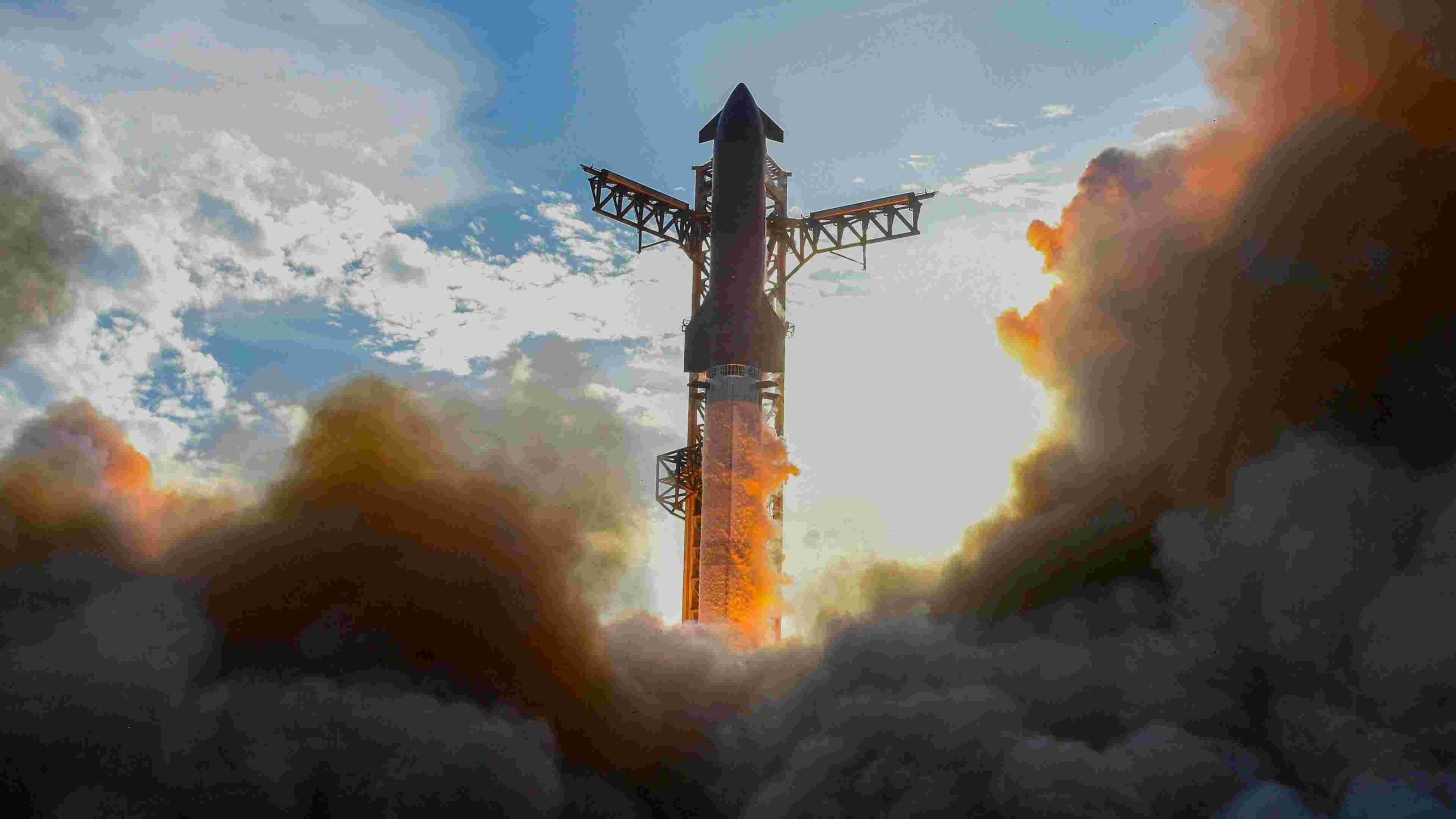
Space exploration has always been a game of high stakes, high risks, and even higher rewards. But lately, the space industry has been moving at a speed that feels almost… unreal. SpaceX and Blue Origin are both accelerating their programs, and recent developments suggest that the next major leap in spaceflight could happen much sooner than expected.
In this post, we’ll break down the latest updates, what they mean for Starship Flight 12, and why SpaceX’s recent testing strategies are changing the game. We’ll also look at Blue Origin’s bold plan for New Glenn and how the competition is heating up.
Starship Flight 12: Countdown Begins
Elon Musk recently shook the space community with a simple but explosive message:
“Starship launch in 6 weeks.”
That’s it — just a short sentence. But the implications are massive.
Why This Announcement Matters
Just a few months ago, launch timelines were speculative and based on progress at Starbase. Now, Musk himself has essentially locked in a target date.
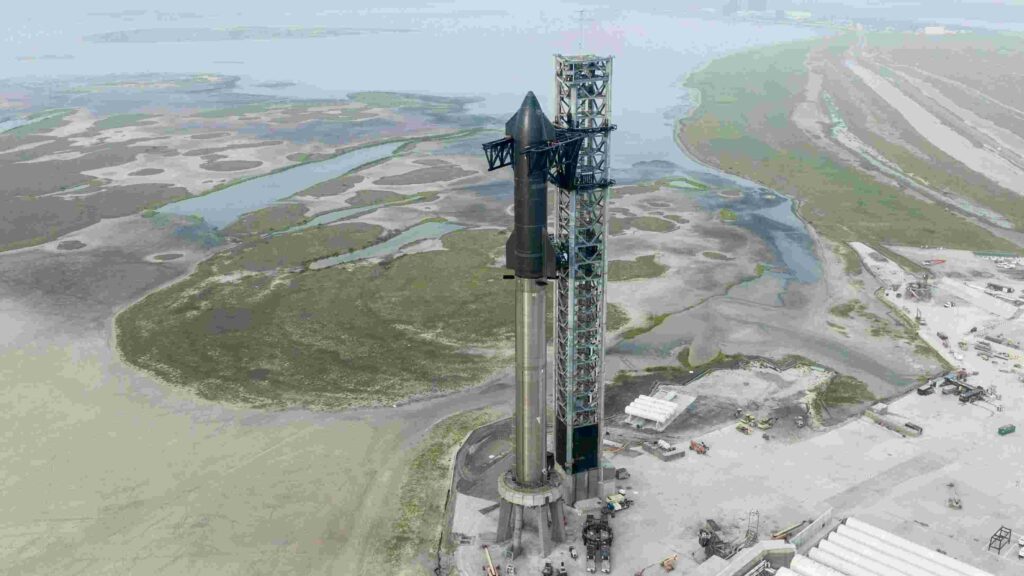
If this timeline holds, Starship Flight 12 could happen as early as March 2026 — and with late January now in the rearview mirror, the countdown is officially on.
What’s Happening at Starbase Right Now?
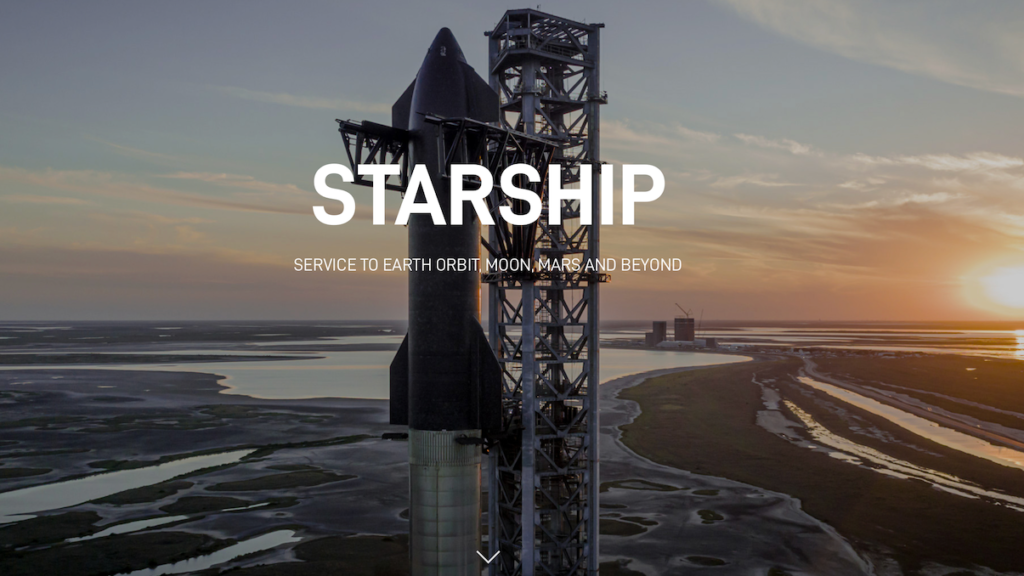
SpaceX is racing to prepare Booster 19 and Ship 39, the first Block 3 Starship pair, for launch. The final weeks leading up to Flight 12 will include:
- Cryogenic testing
- Static fires
- Final integration
- Last-minute checkouts
This isn’t speculation anymore — Starship Flight 12 is officially on the clock.
Pad 2 DSS Test: A Huge Step Forward
At Launch Pad 2, SpaceX recently completed a critical test involving the Detonation Suppression System (DSS). This system is one of the most important upgrades to the Starbase launch infrastructure.
What Is the DSS?
The DSS is designed to protect the launch pad from the immense power of Superheavy’s 33 Raptor engines.
When those engines ignite, they create:
- 160–170 dB of sound
- Plasma flames
- Enormous thrust
- Extreme heat
Without protection, the pad can warp, crack, or even explode, especially with methane and liquid oxygen trapped under the booster.
How the DSS Works
SpaceX’s solution is simple but powerful:
🔹 Massive water release — about 3,000 gallons per second
🔹 Water is blasted upward through nozzles beneath the launch mount
🔹 The water absorbs acoustic energy and cools the pad
🔹 It redirects exhaust flames outward
This system was designed in response to the catastrophic pad damage during Starship Flight 1 in 2023. The original pad was destroyed due to lack of a full deluge system — forcing SpaceX to rebuild.
What the Latest Test Means
SpaceX is now testing DSS at maximum operating pressure, meaning:
- The pad is almost ready
- The infrastructure is in place
- The focus is on final validation
If the DSS tests succeed, SpaceX will move forward with:
- Booster rollout
- Static fire tests
- Full engine testing
This is a major milestone for Block 3 and the long-term goal of rapid reuse.
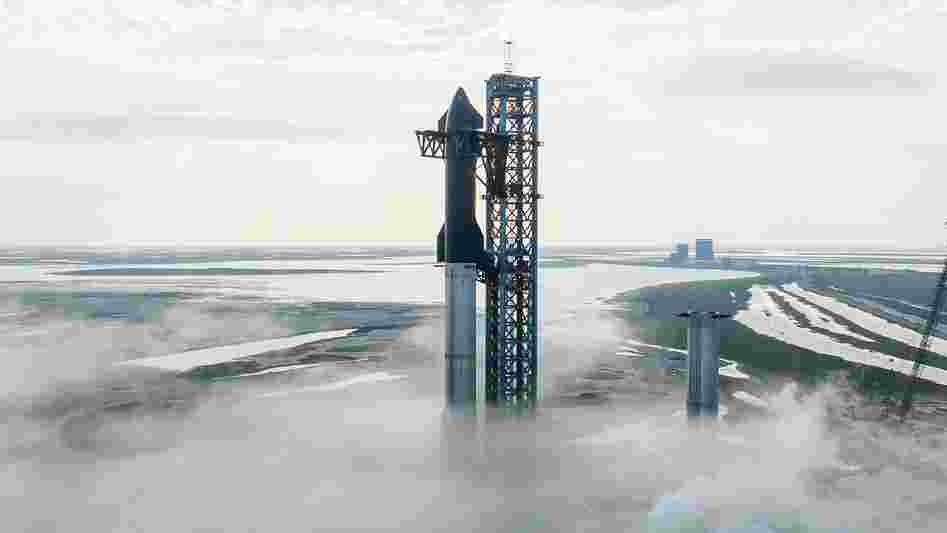
Why DSS Testing Matters for the Future
Starship isn’t designed for a few launches — it’s designed for dozens or even hundreds per year.
To support that level of activity, the launch pad must be durable and reliable.
The DSS is critical because:
- It protects the pad from repeated launches
- It reduces maintenance downtime
- It supports faster launch cadence
- It enables Starship to become a real operational system
This is a key step toward turning Starbase into a “Mars gate” — a launch hub for missions to the Moon, Mars, and beyond.
SpaceX’s Heat Shield Test on Falcon 9: A Sneaky Genius Move
During the Starlink Group 17-20 launch, SpaceX made a surprising move that caught the space community off guard.
What Happened?
SpaceX attached Starship heat shield tiles to the outer surface of a Falcon 9 payload fairing.
These tiles were:
- Hexagonal
- Identical to Starship tiles
- Mounted in isolated clusters
- Underlaid with an adhesion layer
- Visible on live stream
- Still attached after launch and fairing separation
This was the first time Starship tiles were flown on another vehicle — and the space community noticed immediately.
Why This Matters
This test is not about protecting the Falcon 9 fairing.
Falcon 9 fairings re-enter at Mach 4–5, with far lower temperatures than Starship’s Mach 25 re-entry.
So why attach Starship tiles?
🔹 To test Starship heat shield improvements
🔹 To gather real-world data without waiting for Starship flights
🔹 To test new tile materials, adhesives, and mounting systems
What SpaceX Could Be Testing
Starship heat shield tiles have been a recurring challenge, especially with tile retention.
Possible test goals include:
- Improved adhesives
- New mounting systems
- Better ceramic materials
- Lower mass and higher durability
- Improved resistance to plasma erosion
This is classic SpaceX strategy:
Test early, test often, and test cheaply.
Falcon 9’s high launch cadence makes it a perfect platform for rapid iteration.
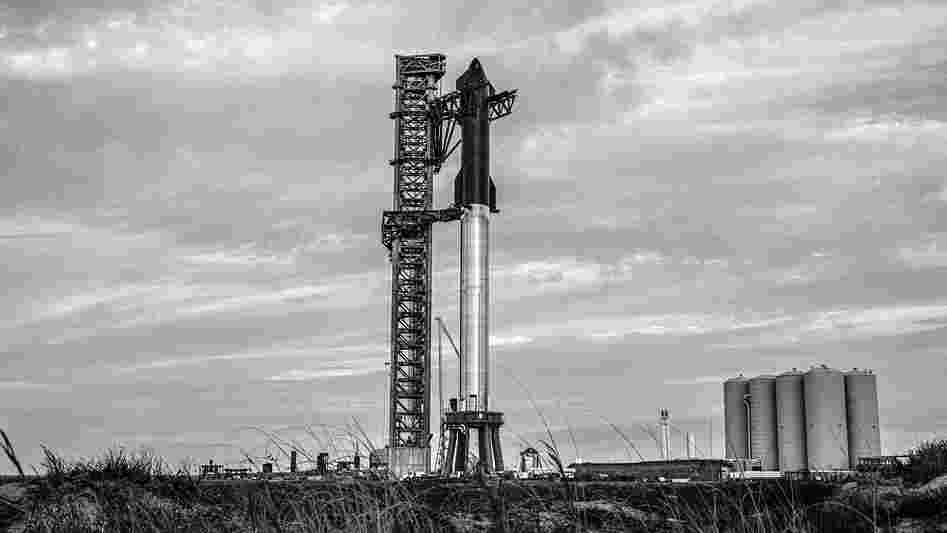
Blue Origin’s New Glenn: A Bold Move to Close the Gap
While SpaceX is accelerating, Blue Origin is making significant progress too.
New Glenn NG3: A Major Milestone
Blue Origin announced that the next New Glenn mission, NG3, will use a booster that already flew on NG2.
This marks the first orbital booster reflight in Blue Origin’s history.
Why This Is a Big Deal
New Glenn’s first mission, NG1, reached orbit but lost the booster during landing.
Now, NG3 will reuse the booster Never Tell Me The Odds, which successfully landed after NG2.
This is a huge leap in:
- Booster recovery
- Reusable launch systems
- Long-term cost reduction
NG3 Timeline
Blue Origin announced that NG3 is scheduled for late February 2026 from Cape Canaveral.
This timeline clearly shows Blue Origin is serious about closing the gap with SpaceX.
Why NG3 Changes the Conversation
If NG3 succeeds, Blue Origin will officially join the reusable orbital booster club.
And it will remove a long-standing criticism from Elon Musk — that Blue Origin has not reliably reached orbit or delivered payloads.
The space community is already taking notice, including respected analyst Scott Manley, who stated that the joke about Blue Origin not reaching orbit is now officially over.
Conclusion: What These Moves Mean for Spaceflight
SpaceX and Blue Origin are both pushing forward at unprecedented speed.
SpaceX Is Moving Faster Than Ever
- Starship Flight 12 is officially on the clock
- Pad 2 DSS testing shows pad readiness
- Heat shield tiles on Falcon 9 reveal smart testing strategy
- Block 3 is moving closer to operational reality
Blue Origin Is No Longer “Behind”
- NG3 will be the first true booster reflight
- Blue Origin is entering the reusable launch era
- The company is now a real competitor in orbital launch
Final Thoughts
These developments suggest that the next year will be a major turning point for space exploration.
Starship Flight 12 could be the moment SpaceX proves that Starship is not just a prototype, but a working, reusable, high-frequency launch system.
Meanwhile, Blue Origin is finally showing real progress in the reusable space race.
And the space industry as a whole is moving faster than ever.
FAQs
1. What is Starship Flight 12?
Starship Flight 12 is the upcoming launch of SpaceX’s Block 3 Starship system, featuring Booster 19 and Ship 39. It is expected to be a major milestone for Starship’s operational development.
2. When is Starship Flight 12 scheduled to launch?
Elon Musk announced a “Starship launch in 6 weeks”, meaning Flight 12 could occur as early as March 2026, depending on final testing and readiness.
3. What is the Detonation Suppression System (DSS)?
The DSS is a water-based protection system under the launch mount designed to absorb acoustic energy and cool the pad during Superheavy engine ignition, preventing pad damage.
4. Why is DSS testing important for Starship?
DSS testing ensures the launch pad can handle 33 Raptor engines and survive repeated launches — a key requirement for rapid reuse and frequent Starship missions.
5. What is the difference between DSS and the water deluge system?
DSS refers to the upward firing system under the launch mount, while the water deluge system includes additional water delivery paths protecting the entire pad infrastructure.
6. Why did SpaceX mount Starship heat shield tiles on a Falcon 9 fairing?
SpaceX used the Falcon 9 fairing as a low-risk test platform to collect real-world data on new heat shield tile designs, adhesives, and attachment methods without waiting for Starship flights.
7. Did the heat shield tiles survive the Falcon 9 launch?
Yes — the tiles remained intact through ascent and fairing separation, proving the test was successful and providing valuable data for Starship’s heat shield development.
8. What does this heat shield test mean for Starship Block 3?
It suggests SpaceX is refining tile durability and attachment methods for Block 3, aiming to reduce tile loss and improve re-entry reliability.
9. What is Blue Origin’s New Glenn NG3 mission?
NG3 is the next New Glenn launch scheduled for late February 2026, using a flight-proven booster that already completed NG2.
10. Why is NG3 important for Blue Origin?
NG3 marks the first orbital booster reflight in Blue Origin history, proving that New Glenn can recover and reuse its boosters successfully.
11. How does NG3 compare to SpaceX’s reuse strategy?
NG3 represents a major step for Blue Origin’s reusable launch program, but SpaceX’s Starship is designed for high-frequency reuse, potentially enabling dozens of launches per year.
12. What are the major upgrades in Starship Block 3?
Block 3 includes:
- More powerful Raptor 3 engines
- Lighter vehicle structure
- Improved thermal resilience
- Enhanced heat shield technology
13. What is the significance of Starship’s pad readiness at Starbase?
Pad readiness is crucial for faster launch cadence. Successful DSS testing indicates Pad 2 is close to full commissioning, allowing SpaceX to launch more frequently.
14. Will Starship Flight 12 carry Starlink payloads?
SpaceX hasn’t confirmed payload specifics yet, but Starship Flight 12 is expected to demonstrate Block 3 capabilities and potentially support Starlink deployment or orbital refueling tests.
15. What happens if DSS tests fail?
If DSS tests fail, SpaceX would need to fix the system before proceeding, delaying launch and requiring additional pad maintenance — which would impact Starship’s launch schedule.
16. What does this mean for the future of space exploration?
These developments indicate a major shift toward rapid reusable spaceflight, where both SpaceX and Blue Origin are moving closer to high-frequency orbital launches and long-term missions to the Moon and Mars.
Read More:
- Tesla winter weather test: How long does it take to melt 8 inches of snow?
- Tesla leases new 108k-sq ft R&D facility near Fremont Factory
- Elon Musk’s Boring Company opens Vegas Loop’s newest station
- Tesla Model 2 $14,999 Final On Production Line With All-New Specs! What’s Inside 2026 Game-Changer?
- Tesla hiring Body Fit Technicians for Cybercab’s end of line
2 thoughts on “Elon Musk officially announced NEW LAUNCH DATE for first Starship V3 Launch after Pad 2”